
What is the best way to keep deer out of your garden? Combining multiple strategies, such as choosing deer-resistant plants, using physical barriers like fencing, and employing repellents, offers the most effective approach to keeping deer out of your garden.
Deer can be a gardener’s worst nightmare. They have a voracious appetite and a particular fondness for tender, young plants, making your beautifully cultivated garden a tempting buffet. If you’re struggling with deer munching on your prize-winning roses or stripping your vegetable patch bare, you’re not alone. Managing deer damage is a common challenge for gardeners, but with the right knowledge and tools, you can significantly improve your garden protection. This guide will delve deep into proven methods for keeping deer out of your garden, covering everything from selecting the right plants to implementing robust physical barriers and effective repellents.
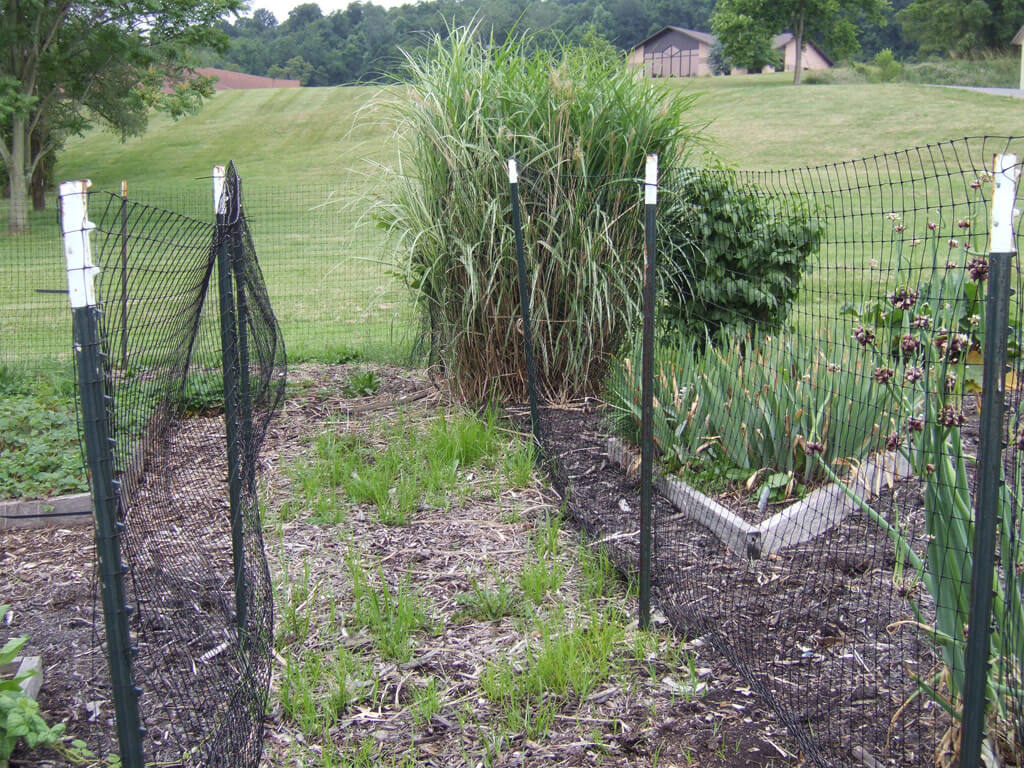
Image Source: cdn.shopify.com
The Deer Dilemma: Why Your Garden is a Target
Before we explore solutions, it’s helpful to grasp why deer are drawn to gardens. Deer are herbivores, and their diet consists of leaves, twigs, buds, and fruits. Your garden, with its lush vegetation and readily available food sources, is an irresistible attraction, especially during times of scarcity in their natural habitat, like winter or drought. They are particularly fond of:
- Young shoots and buds: These are tender and packed with nutrients.
- Flowering plants: Many popular flowers, like roses, tulips, and hostas, are deer favorites.
- Vegetable crops: Tender vegetables, such as beans, lettuce, peas, and tomatoes, are highly sought after.
Deer are also creatures of habit. If they find a reliable food source in your yard, they will return. This is where consistent and varied deterrents become crucial.
Choosing Your Arsenal: A Multi-Pronged Approach
Effectively deterring deer requires a combination of methods. Relying on just one strategy might not be enough, as deer can become accustomed to single deterrents over time. Let’s explore the best tips for keeping deer out of your garden.
1. Selecting Deer-Proof Plants: Your First Line of Defense
One of the most proactive and sustainable ways to combat deer is to choose plants that deer tend to avoid. While no plant is completely deer-proof, some are significantly less palatable than others due to their texture, scent, or taste.
Plants Deer Generally Dislike:
These plants often have fuzzy or leathery leaves, strong scents, or a bitter taste.
- Perennials:
- Bleeding Hearts (Dicentra spectabilis)
- Astilbe
- Columbine (Aquilegia)
- Coral Bells (Heuchera)
- Ferns
- Lavender
- Mint
- Peonies
- Salvia
- Yarrow (Achillea)
- Bee Balm (Monarda)
- Annuals:
- Marigolds
- Snapdragons
- Cosmos
- Zinnias (some varieties)
- Pansies
- Shrubs & Trees:
- Forsythia
- Lilac
- Potentilla
- Rosemary
- Boxwood
- Holly
- Euonymus
- Magnolia
- Oak trees
- Pine trees
Plants Deer Love (Avoid if possible):
If you can, steer clear of these deer favorites.
- Flowers: Roses, Tulips, Dahlias, Hostas, Daylilies, Petunias, Impatiens.
- Vegetables: Beans, Lettuce, Peas, Tomatoes, Broccoli, Cauliflower, Corn, Squash.
Tip: When selecting plants, look for descriptions that mention “deer resistant.” However, remember that in areas with high deer populations or during periods of food scarcity, deer may be driven to eat even less preferred plants. It’s always a good idea to test a new plant in a small, observable area first.
2. Physical Barriers: The Most Reliable Solution
Physical barriers are often the most effective method for keeping deer out of your garden. They physically prevent deer from accessing your plants.
Deer Fencing: A Sturdy Defense
Deer fencing is a significant investment but offers the most reliable protection. The key to effective deer fencing is its height and design.
- Height: Deer can jump surprisingly high, often 6-8 feet, and even higher if they feel motivated. A fence should be at least 8 feet tall to prevent them from jumping over.
- Material: High-tensile wire mesh or woven wire fencing is durable and effective. The mesh size should be small enough to prevent fawns from getting stuck.
- Installation:
- Double Fencing: For ultimate protection, consider installing two parallel fences, each 4-5 feet high, spaced 3-5 feet apart. Deer are hesitant to jump between two fences, fearing they won’t have enough room to clear the second one.
- Slanted Fencing: A fence that slants outwards at a 45-degree angle, with the top facing away from the garden, can also be effective. Deer may try to jump but find their footing slipping, discouraging them.
- Bottom Anchor: Ensure the fence is anchored securely to the ground or buried slightly to prevent deer from pushing under it. Use sturdy posts for support.
Other Physical Barriers for Deer:
While full fencing might not be feasible for everyone, smaller-scale physical barriers for deer can protect individual plants or smaller garden beds.
- Individual Plant Cages: Use chicken wire or hardware cloth to create cages around vulnerable plants. Ensure the cages are tall enough and extend far enough into the ground to prevent deer from reaching over or digging under.
- Row Covers: Lightweight row covers can protect seedlings and young plants from browsing. However, these are often temporary solutions and may need to be removed when plants require pollination or better air circulation.
- Tree Guards: Wrap the trunks of young trees with plastic tree guards or hardware cloth to prevent deer from rubbing their antlers against the bark (a common problem in the fall) or browsing on lower branches.
3. Deer Repellents: A Scent and Taste Deterrent
Deer repellent products work by appealing to a deer’s senses of smell and taste, making your garden plants unappealing. These can be a good option for gardeners who want to avoid the expense or visual impact of fencing.
Commercial Deer Repellents:
There are numerous commercially available deer repellents. They generally fall into a few categories:
- Scent-Based Repellents: These often contain ingredients with strong odors that deer find offensive, such as rotten eggs, garlic, or predator urine (coyote, wolf).
- Examples: Deer Off, Plantskydd, Havahart Deer Off.
- Application: Typically sprayed on foliage and stems. They need to be reapplied after rain or heavy dew, and periodically throughout the growing season.
- Taste-Based Repellents: These products have a bitter taste that discourages deer from chewing on treated plants.
- Examples: Bitter Apple, Liquid Fence.
- Application: Sprayed directly onto plants. They also require reapplication.
- Compound Repellents: Some products combine both scent and taste deterrents for enhanced effectiveness.
DIY Deer Repellent: Natural and Economical Options
You can also create your own DIY deer repellent using common household items. These often rely on strong scents or tastes.
- Garlic Spray: Blend several cloves of garlic with water and a little liquid soap (as a sticker). Strain the mixture and spray it on plants.
- Recipe: 1 bulb garlic, 1 quart water, 1 tablespoon liquid dish soap. Blend, strain, and spray.
- Egg Spray: Whisk eggs with water and spray on foliage. The smell of eggs, especially when they start to break down, is offensive to deer.
- Recipe: 6 eggs, 1 quart water. Whisk well, spray.
- Hot Pepper Spray: Blend hot peppers (like cayenne or jalapenos) with water and a little soap. Be cautious when handling hot peppers, and avoid spraying on windy days.
- Recipe: 1 cup chopped hot peppers, 2 cups water, 1 tablespoon liquid dish soap. Blend, strain, and spray.
- Soap Bars: Hanging strongly scented soap bars (like Irish Spring) around the garden can deter deer. The scent is unpleasant to them.
- Human Hair or Blood Meal: Scattering human hair or blood meal around the garden can also act as a deterrent, as deer associate these with predators.
Important Considerations for Repellents:
- Reapplication is Key: Repellents are not permanent solutions. They degrade with weather and plant growth. Consistent reapplication (every few weeks, and after rain) is crucial for ongoing garden protection.
- Rotate Repellents: Deer can get used to the same scent or taste. Rotating between different types of repellents can be more effective.
- Test First: Before spraying an entire plant or bed, test your repellent on a small area to ensure it doesn’t damage the plant’s foliage.
- Effectiveness Varies: The effectiveness of repellents can vary depending on the deer population density, their hunger levels, and the specific plants you are trying to protect.
4. Natural Deer Deterrents: Beyond Sprays
Some natural deer deterrents rely on creating an environment that deer find unsettling or unpleasant.
- Motion-Activated Sprinklers: A sudden burst of water can startle deer and make them feel unsafe. Strategically placed sprinklers can provide a good deterrent.
- Noise Makers: Wind chimes, radios, or other devices that create intermittent noise can sometimes work. However, deer can habituate to constant sounds.
- Scare Tactics: Inflatable owls, scarecrows, or spinning pinwheels might offer temporary protection, but deer often get used to them quickly. Consider moving these items regularly.
- Reflective Tape or Mylar: Shiny, reflective materials that flutter in the wind can startle deer and disrupt their feeding patterns.
5. Managing Your Garden and Property: Small Changes, Big Impact
Even subtle changes in how you manage your garden and yard can contribute to deterring deer from vegetables and other cherished plants.
- Remove Attractive Food Sources: Don’t leave fallen fruit from fruit trees lying around, as this is a prime attractant. Clean up any spilled birdseed promptly.
- Garden Placement: If possible, plant your most vulnerable plants closer to your house or in areas that are less accessible to deer.
- Companion Planting: Some gardeners find that planting strongly scented herbs (like mint, rosemary, or basil) around more palatable vegetables can help mask the scent of the food.
- Water Features: Deer are often attracted to water sources. While you can’t eliminate all water, be mindful of placing your garden directly next to ponds or birdbaths without adequate protection.
What to Do When Deer Damage Occurs
Sometimes, despite your best efforts, deer will still manage to sneak into your garden. Here’s how to deal with managing deer damage:
- Assess the Damage: Identify which plants are most affected. This will help you prioritize your protection efforts.
- Prune Damaged Plants: Remove any thoroughly damaged leaves or branches. This helps the plant recover and prevents disease.
- Reinforce Deterrents: If deer are consistently getting through, it’s time to re-evaluate your strategies. Is your fence tall enough? Do you need to reapply repellent more frequently? Are you using a variety of methods?
Frequently Asked Questions (FAQ) About Keeping Deer Out of Gardens
Q1: How tall does a fence need to be to keep deer out?
A1: A fence needs to be at least 8 feet tall to effectively prevent deer from jumping over.
Q2: Are there any plants that are 100% deer-proof?
A2: No plant is entirely deer-proof. However, choosing plants that deer generally dislike, often referred to as deer-resistant plants, significantly reduces the likelihood of them being eaten.
Q3: How often do I need to reapply deer repellent?
A3: Deer repellents need to be reapplied regularly, typically every 2-4 weeks, and always after rainfall or heavy dew, to maintain their effectiveness.
Q4: Can I use my own dog’s hair or urine as a deer repellent?
A4: While some anecdotal evidence suggests that the scent of predators can deter deer, using your own dog’s hair or urine is generally less effective than commercial predator urine-based repellents. Deer may not associate your dog with a significant threat.
Q5: What is the most effective way to keep deer out of my vegetable garden?
A5: The most effective way is a combination approach. This includes planting deer-resistant vegetables where possible, using physical barriers like sturdy fencing, and supplementing with repellents or natural deterrents.
Q6: My neighbor has deer eating their plants, but not mine. Why?
A6: This could be due to several factors: your plant selection might be less appealing to deer than your neighbor’s, you might have more effective deterrents in place, or the deer trails might simply not lead to your yard as frequently.
Q7: Can I protect just one or two plants from deer?
A7: Yes, you can protect individual plants by using individual cages made from hardware cloth or chicken wire, ensuring they are securely anchored and tall enough.
By combining these strategies, you can create a multi-layered defense system that will make your garden a less inviting target for deer. Consistency, observation, and a willingness to adapt your approach are key to successful garden protection and enjoying your plants, free from deer damage.