
Can you keep deer out of your garden using natural methods? Yes, you absolutely can! Keeping deer from munching on your precious plants is a common challenge for many gardeners. Thankfully, there are many effective and natural ways to protect your garden, from physical barriers to scent deterrents.
Deer can be incredibly destructive to gardens, treating them as a personal buffet. They often target young plants, tender shoots, and flowers, but they aren’t picky eaters. Protecting your hard work requires a multi-pronged approach. This guide will explore various methods, from tried-and-true physical barriers to clever scent and taste repellents, giving you the tools to create a deer-proof oasis for your plants.
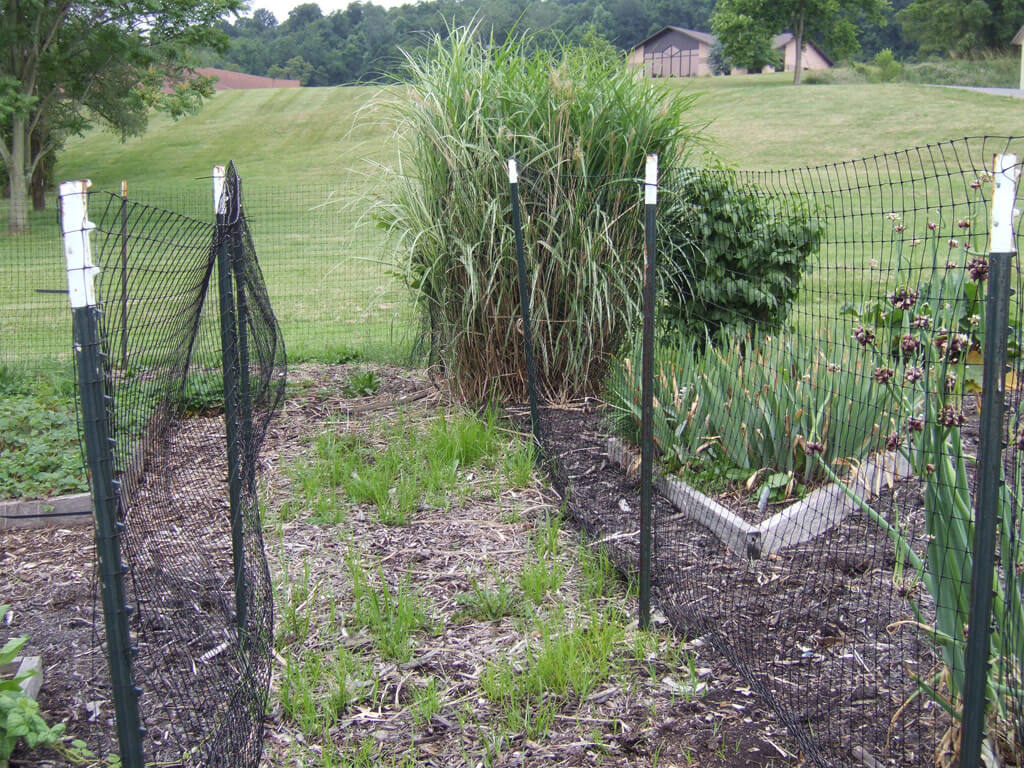
Image Source: cdn.shopify.com
The Deer Dilemma: Why They Love Your Garden
Deer are herbivores, meaning they eat plants. Your garden, with its variety of tasty and nutritious offerings, is a prime target. They are attracted to:
- Tender new growth: Spring brings a flush of new leaves and flowers, which deer find particularly appealing.
- Cultivated varieties: Many garden plants, like hostas, roses, tulips, and hostas, are more palatable and nutritious than wild plants.
- Water sources: Gardens are often located near homes, which may have bird baths or sprinklers, providing a water source deer appreciate.
- Shelter and safety: Gardens are often in areas with open spaces nearby for grazing but also offer some cover from predators.
Building a Defense: Physical Barriers for Gardens
One of the most reliable ways to keep deer out is by creating a physical barrier. This is often the most effective method, especially if deer pressure in your area is high.
The Power of Garden Fencing
Garden fencing is a classic and highly effective deterrent. The key is to make it tall enough and sturdy enough to prevent deer from jumping over or pushing through it.
Choosing the Right Fence Material
- Netting: Lightweight and affordable, netting can be draped over individual plants or rows. While it can be effective for smaller areas, it’s less durable and can be damaged by weather or larger animals.
- Wire Mesh: Sturdier than netting, wire mesh can be used to create more robust enclosures.
- Plastic Deer Fencing: This is a popular choice because it’s lightweight, easy to install, and relatively inexpensive. It comes in rolls and can be attached to posts. The key is to ensure it’s at least 7-8 feet tall.
- Wood or Metal Fencing: These offer the most robust protection but are also the most expensive and labor-intensive options. They can be aesthetically pleasing and last for many years.
Fence Height and Design
- Height is Crucial: For most species, a fence needs to be at least 7 to 8 feet tall to prevent them from jumping over. Some agile deer can jump even higher, so consider this if you have particularly persistent visitors.
- Angled Fencing: Some gardeners have success with angled fencing. This involves leaning the fence outward at a 45-degree angle. This makes it harder for deer to gauge the jump and can cause them to slide off.
- Double Fencing: In areas with intense deer pressure, a double fence can be highly effective. Place two fences about 3-4 feet apart, with the outer fence being 7-8 feet tall and the inner fence around 5-6 feet tall. Deer are often hesitant to jump when they can’t see the landing area clearly.
Netting for Plants: Individual Protection
Netting for plants can be a good option for protecting specific, high-value plants or for smaller garden areas.
- How to Use: Drape lightweight netting over individual plants or rows, securing it to the ground with stakes or rocks. Ensure there are no gaps where deer can access the plants.
- Considerations: This method requires diligent maintenance, as netting can snag on branches and needs to be checked regularly for tears or openings. It’s also not the most aesthetically pleasing solution for large gardens.
Other Physical Barrier Ideas
- Chicken Wire Cloches: For protecting individual young trees or shrubs, you can create cloches out of chicken wire. Place the wire cylinder around the plant, ensuring it extends a few inches into the ground to prevent deer from reaching the base.
- Tree Guards: These are plastic or metal tubes that wrap around the trunks of young trees to protect them from rubbing and browsing.
Scent and Taste Deterrents: Confusing Their Senses
Deer rely heavily on their sense of smell and taste. By introducing scents or tastes they dislike, you can make your garden less appealing.
Deer Repellent: Natural and Commercial Options
Many products are available on the market that are designed to repel deer. These often rely on strong odors or tastes that deer find offensive.
Scent-Based Repellents
These products aim to mask the appealing scent of your plants with something deer dislike.
- Rotten Eggs: The smell of sulfur is a strong deterrent. You can buy commercially made deer repellent sprays that use putrid eggs as a base.
- Predator Urine: The scent of predators like coyotes or wolves can make deer feel unsafe. Urine from these animals is often available in liquid or granular form.
- Garlic and Peppermint: Many deer find the strong smell of garlic and peppermint unpleasant.
Taste-Based Repellents
These sprays are applied directly to the plants. When deer nibble on them, they get an unpleasant taste, discouraging them from eating that plant again.
- Bitters: Many commercial repellents use bittering agents that are harmless to plants but unpalatable to deer.
- Capsaicin: The compound that makes chili peppers hot can also deter deer.
Homemade Deer Spray: DIY Repellents
Making your own homemade deer spray can be a cost-effective and rewarding way to protect your garden. You can tailor the ingredients to what you have available and what seems to work best in your area.
Popular Homemade Deer Spray Recipes
Here are a few common recipes:
- Garlic and Egg Spray:
- Ingredients: 1 whole bulb of garlic, 2 raw eggs, 1 tablespoon of liquid dish soap, 1 quart of water.
- Instructions: Blend the garlic with a little water until smooth. Whisk in the eggs, then add the remaining water and dish soap. Let the mixture sit for a few hours, then strain out any solids and pour into a spray bottle.
- Hot Pepper and Garlic Spray:
- Ingredients: 1 tablespoon of cayenne pepper, 1 tablespoon of garlic powder, 1 quart of water, 1 teaspoon of liquid dish soap.
- Instructions: Mix all ingredients together in a spray bottle. Shake well before each use.
- Soap and Rosemary Spray:
- Ingredients: 1 bar of grated soap (preferably unscented), 1 quart of hot water, 1 cup of chopped fresh rosemary, 1 tablespoon of vegetable oil.
- Instructions: Dissolve the soap in hot water. Add the rosemary and oil. Let it steep overnight, then strain and spray.
Tips for Using Homemade Deer Spray
- Reapply Regularly: Homemade sprays are generally not as long-lasting as commercial ones. You’ll need to reapply them after rain or every few weeks, especially during peak deer feeding times.
- Test on a Small Area: Before spraying your entire garden, test the spray on a small, inconspicuous part of a plant to ensure it doesn’t cause any damage or discoloration.
- Vary Your Repellents: Deer can become accustomed to a single scent or taste. Rotating between different homemade or commercial repellents can be more effective.
Odor Deterrents: Using Smell to Your Advantage
Beyond sprays, you can use various items around your garden to create odor deterrents that deer find unappealing.
- Human Hair: Sprinkle collections of human hair (from barbershops or your own brush) around the garden beds. The scent of humans can be enough to keep deer away.
- Fabric Softener Sheets: Some gardeners report success by hanging fabric softener sheets (especially those with a strong scent) on stakes around the garden.
- Soaps: Bar soaps with strong scents, like Irish Spring, can be grated and sprinkled around plants or hung in mesh bags.
- Coffee Grounds: Used coffee grounds can deter deer with their aroma. Sprinkle them around the base of plants.
Scare Tactics for Deer: Frightening Them Away
While less reliable in the long run, some scare tactics for deer can offer temporary relief and can be used in conjunction with other methods.
Visual and Auditory Deterrents
- Scarecrows and Reflective Objects: Traditional scarecrows, shiny Mylar tape, old CDs, or pie tins hung from branches can create movement and flashes of light that might startle deer. However, deer can quickly become accustomed to these static deterrents.
- Motion-Activated Sprinklers: These devices detect movement and spray a burst of water, which can effectively scare deer away. They are humane and don’t harm the animals.
- Noise Makers: Wind chimes, radios set to talk stations, or even timed alarms can create noise that might discourage deer. Again, habituation is a potential issue.
Dogs as Deterrents
If you have a dog, their presence and barking can be a natural deterrent. Letting your dog roam (safely and legally) in your yard, especially during dawn and dusk when deer are most active, can keep them at bay.
Deer Resistant Plants: Choosing Wisely
One of the most proactive strategies is to plant deer resistant plants. While no plant is completely deer-proof, some are much less appealing to them than others. This means less need for constant protection once established.
What Makes a Plant Deer Resistant?
Deer tend to avoid plants that:
- Have fuzzy or hairy leaves: The texture is off-putting.
- Have strong scents: Pungent aromas like lavender, rosemary, or mint are usually avoided.
- Have tough, leathery leaves: These are harder to chew.
- Are poisonous or have a bitter taste: This is a natural defense mechanism.
- Are spiky or thorny: The physical discomfort is a deterrent.
Examples of Deer Resistant Plants
It’s important to note that deer resistance can vary by region and the intensity of deer pressure. What might be deer-resistant in one area could be a favorite snack in another if deer are very hungry.
Flowering Plants:
- Bleeding Hearts (Dicentra spectabilis)
- Columbine (Aquilegia spp.)
- Coneflower (Echinacea spp.)
- Daffodils (Narcissus spp.)
- Foxglove (Digitalis spp.)
- Lavender (Lavandula spp.)
- Peonies (Paeonia spp.)
- Salvia (Salvia spp.)
- Snapdragons (Antirrhinum majus)
- Yarrow (Achillea spp.)
Shrubs:
- Azaleas (Rhododendron spp.)
- Boxwood (Buxus spp.)
- Butterfly Bush (Buddleja davidii)
- Forsythia (Forsythia spp.)
- Hydrangeas (Hydrangea spp.) – Some varieties are more resistant than others.
- Lilac (Syringa spp.)
- Potentilla (Potentilla spp.)
- Spirea (Spiraea spp.)
Perennials and Groundcovers:
- Astilbe (Astilbe spp.)
- Ferns (various species)
- Hosta (Hosta spp.) – Note: While often listed as deer resistant, hostas are a delicacy for deer in many areas. It’s better to protect them.
- Impatiens (Impatiens spp.)
- Marigolds (Tagetes spp.)
- Ornamental Grasses (various species)
- Periwinkle (Vinca minor)
- Red Maple (Acer rubrum) – Young trees can be browsed.
Herbs:
Most strongly scented herbs are excellent choices:
- Basil (Ocimum basilicum)
- Chives (Allium schoenoprasum)
- Mint (Mentha spp.)
- Oregano (Origanum vulgare)
- Rosemary (Rosmarinus officinalis)
- Sage (Salvia officinalis)
- Thyme (Thymus spp.)
Vegetables:
- Asparagus (Asparagus officinalis)
- Beans (Phaseolus spp.)
- Beets (Beta vulgaris)
- Broccoli (Brassica oleracea var. italica)
- Brussels Sprouts (Brassica oleracea var. gemmifera)
- Carrots (Daucus carota subsp. sativus)
- Corn (Zea mays)
- Onions (Allium cepa)
- Peas (Pisum sativum)
- Potatoes (Solanum tuberosum)
- Tomatoes (Solanum lycopersicum) – Young plants may need protection.
Combining Strategies: A Multi-Layered Defense
The most successful approach to keeping deer out of your garden is to combine several methods. What works best often depends on the specific environment, the deer population, and the types of plants you are trying to protect.
Integrated Pest Management for Deer
Think of protecting your garden from deer as an ongoing process, not a one-time fix. An integrated approach involves:
- Assessment: Observe deer activity in your area. How often do they visit? What are they eating?
- Prevention: Implement physical barriers and plant deer-resistant species where possible.
- Deterrence: Use a combination of scent, taste, and scare tactics. Rotate these methods to prevent habituation.
- Monitoring: Regularly check your garden for signs of deer browsing and adjust your strategies as needed.
Seasonal Adjustments
Deer feeding patterns can change throughout the year.
- Spring: New growth is highly attractive. Focus on protecting young plants and seedlings.
- Summer: Flowers and vegetables are prime targets.
- Fall: Deer may start “rubbing” antlers on young trees, causing damage.
- Winter: When natural food sources are scarce, deer may become more aggressive in their browsing.
Frequently Asked Questions (FAQ)
Q1: How tall does a fence need to be to keep deer out?
A1: Generally, a fence needs to be at least 7 to 8 feet tall to prevent deer from jumping over.
Q2: Are there any plants that deer will absolutely never eat?
A2: While some plants are highly deer-resistant, no plant is 100% deer-proof. In areas with high deer populations or when food is scarce, deer may eat almost anything.
Q3: How often do I need to reapply deer repellent?
A3: This depends on the type of repellent. Commercial repellents may last longer, but homemade sprays often need to be reapplied every few weeks, or after rain.
Q4: Can scare tactics alone keep deer away?
A4: Scare tactics can be effective for a short time, but deer are intelligent animals and often become accustomed to them. They are best used as part of a broader strategy.
Q5: Is it harmful to deer to use repellents?
A5: Most natural and commercial repellents are designed to be harmless to deer. They work by making the plants unappealing through smell or taste, not by causing harm.
By implementing these natural and proven solutions, you can significantly reduce deer damage and enjoy a thriving garden. Remember that persistence and a willingness to adapt your strategies are key to long-term success.