
Can you get rid of clover grass on your lawn? Yes, you absolutely can get rid of clover grass on your lawn with the right approach. This guide will walk you through proven tips to tackle clover infestations and maintain a beautiful, healthy lawn.
Clover, with its distinctive three-leaf pattern (though sometimes four, leading to lucky charms!), is a common sight in many lawns. While it has its benefits, like fixing nitrogen in the soil and attracting pollinators, it’s often seen as an unwelcome weed by homeowners seeking a uniform, green carpet. Dealing with clover can be frustrating, especially when it starts to spread aggressively. This comprehensive guide will equip you with the knowledge and methods to effectively manage and eradicate clover from your lawn. We’ll cover everything from identification and the reasons for its growth to various removal techniques, including chemical and natural approaches, and crucial steps to prevent its return.
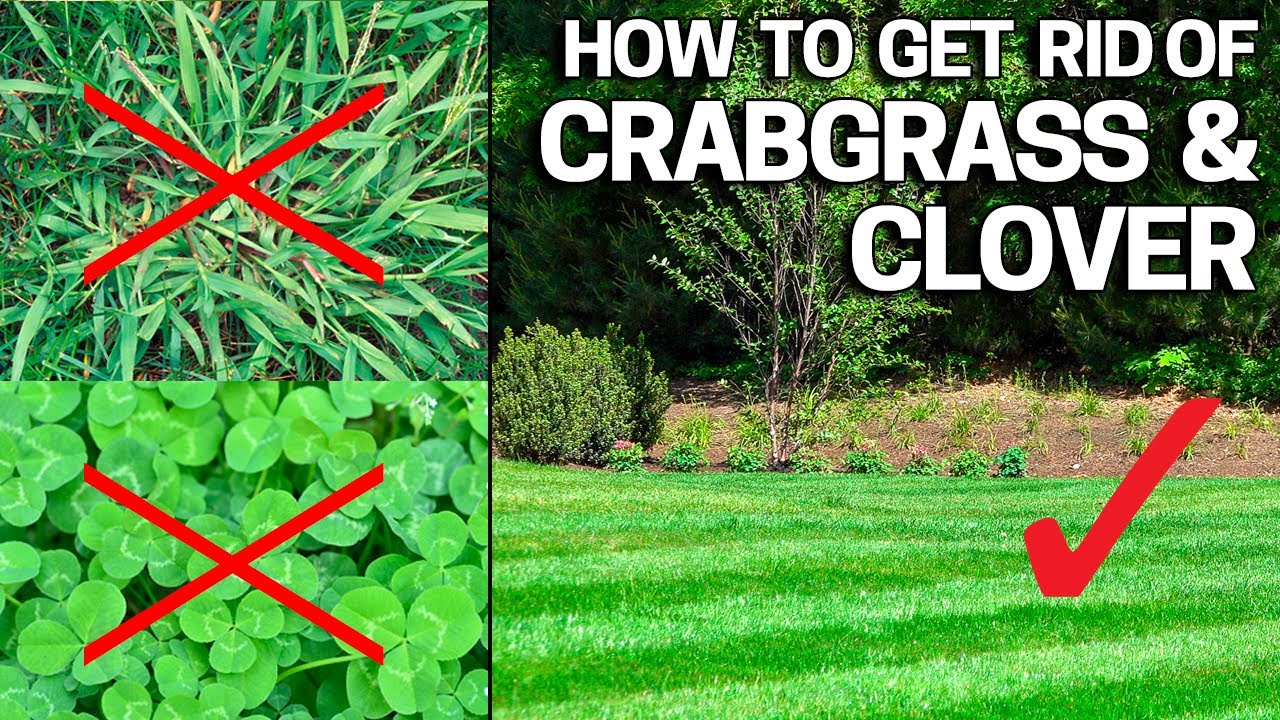
Image Source: i.ytimg.com
Deciphering Why Clover Takes Root
Before we dive into getting rid of it, let’s consider why clover might be thriving in your lawn in the first place. Clover, specifically white clover (Trifolium repens), is a resilient plant that thrives in certain conditions.
- Poor Soil Fertility: Clover is excellent at fixing nitrogen from the air. When your soil lacks nitrogen, clover can often outcompete your grass.
- Compacted Soil: Hard, compacted soil makes it difficult for grass roots to grow deep. Clover’s shallow root system can then establish more easily.
- Mowing Too Short: Cutting your grass too low stresses the grass, weakening it. Taller grass shades out weed seedlings, including clover.
- Drought Conditions: While grass may struggle and thin out during dry spells, clover is often more tolerant and can spread into these bare patches.
- Excessive Thatch: A thick layer of thatch (dead organic matter) suffocates grass and provides a good environment for clover seeds to germinate.
Effective Strategies for Clover Removal from Lawn
Tackling clover requires a multi-pronged approach. Combining different methods often yields the best results for permanent clover removal from lawn areas.
Manual Clover Removal
For smaller patches or those who prefer an organic approach, manual clover removal is an option.
Tools for the Job
- Hand Trowel or Dandelion Weeder: These are ideal for digging out individual clover plants by the root.
- Gloves: To protect your hands.
The Process
- Timing is Key: Water the affected area thoroughly an hour or two before you plan to pull the clover. This softens the soil, making it easier to extract the entire root system.
- Dig Deep: Insert your trowel or weeder as close to the base of the clover plant as possible. Wiggle it gently to loosen the soil around the roots.
- Pull Gently: Carefully pull the clover plant upwards, ensuring you get as much of the root as possible. Leaving root fragments can allow the clover to regrow.
- Dispose Wisely: Place the removed clover in a sealed bag or compost bin away from your lawn to prevent any remaining seeds from germinating.
- Fill and Reseed: Fill any holes left behind with topsoil and reseed with your desired grass seed.
Pros of Manual Removal
- Environmentally friendly.
- No chemical exposure.
- Precise removal of individual plants.
Cons of Manual Removal
- Time-consuming and labor-intensive, especially for larger infestations.
- May not be entirely effective if roots are left behind.
Chemical Weed Killers for Clover
When manual removal isn’t practical, chemical weed killers can be very effective. The key is to use the right type of weed killer.
What is a Broadleaf Weed Killer?
Broadleaf weed killers are designed to target and kill plants with broad leaves, like clover, dandelions, and plantain, while leaving grasses (which have narrow leaves) unharmed.
Choosing the Right Weed Killer for Clover
Look for products specifically labeled for clover control. Many common broadleaf weed killers will do the trick.
- Common Active Ingredients:
- 2,4-D: A widely used herbicide that disrupts plant growth.
- Mecoprop (MCPP): Often found in combination with 2,4-D.
- Dicamba: Effective against a wide range of broadleaf weeds.
- Triclopyr: Particularly effective against woody plants and tough broadleaf weeds.
Application Tips
- Read the Label: Always read and follow the instructions on the product label precisely. This includes recommended application rates, timing, and safety precautions.
- Timing: Apply when clover is actively growing and temperatures are between 60-85°F (15-29°C). Avoid applying when rain is expected within 24 hours, as it can wash the herbicide away.
- Coverage: Ensure even coverage over the clover. Overlapping passes slightly is better than missing spots.
- Spot Treatment: For localized infestations, spot treatment is more efficient and reduces the amount of herbicide used.
- Post-Application: The clover will typically turn yellow or brown within a few days to a week. You may need a second application for stubborn patches.
When to Use a Weed Killer for Clover
- Large Infestations: When clover has spread widely across your lawn.
- Persistent Clover: If manual methods haven’t worked.
- Dandelion and Clover Control: Many broadleaf weed killers will tackle both, offering a two-in-one solution.
Natural Clover Remedies and Organic Solutions
For those seeking to get rid of clover without synthetic chemicals, several natural clover remedies are available.
Vinegar Solution
While vinegar can kill most plants it contacts, it’s important to use it cautiously.
- Ingredients: Horticultural vinegar (10-20% acetic acid) or household vinegar (5% acetic acid).
- Application: Spray directly onto the clover. It works by burning the leaves.
- Caution: High concentrations can damage grass too. It is best used for spot treatment and may require multiple applications. It also doesn’t kill the roots effectively, so the clover may return.
Corn Gluten Meal
Corn gluten meal is a pre-emergent herbicide that can inhibit root formation in germinating seeds.
- Application: Apply in early spring before clover seeds (or grass seeds) have a chance to germinate.
- Benefits: It also acts as a nitrogen fertilizer for your lawn.
- Limitations: It won’t kill existing clover, only prevent new growth.
Boiling Water
A simple, yet effective method for small patches.
- Application: Pour boiling water directly over the clover.
- Caution: This will kill any plant it touches, including your grass. Use it only for very small, isolated areas.
Using Dandelion and Clover Control Products
Many organic lawn care brands offer targeted natural weed killers. Look for products with ingredients like:
- Soap-based Herbicides: These disrupt the plant’s cell membranes.
- Citric Acid: Similar to vinegar, it acts as a natural acid to burn plant tissue.
Improving Lawn Health to Prevent Clover Growth
The most sustainable way to manage clover is to create an environment where your grass thrives and can outcompete it. This is key to preventing clover growth.
Proper Mowing Techniques
- Mow High: Set your mower to the highest recommended setting for your grass type. Taller grass shades the soil, suppressing weed seeds and promoting deeper root growth.
- Sharp Blades: Ensure your mower blades are sharp. Dull blades tear grass, making it susceptible to disease and stress.
- Don’t Remove Too Much: Never remove more than one-third of the grass blade in a single mowing.
Strategic Watering
- Deep and Infrequent: Water your lawn deeply but less often. This encourages grass roots to grow deeper, making them more drought-tolerant and competitive.
- Early Morning Watering: Water in the early morning to allow the grass to dry before nightfall, reducing the risk of fungal diseases.
Fertilizing Wisely
- Soil Test: Get a soil test to determine your lawn’s specific nutrient needs.
- Balanced Fertilizer: Use a balanced fertilizer according to your soil test results and the needs of your grass type. Over-fertilizing, especially with high nitrogen, can sometimes favor clover if other nutrients are deficient.
- Timing: Fertilize at the appropriate times of the year for your grass type.
Aeration
- Relieve Compaction: Aerating your lawn involves removing small cores of soil. This reduces soil compaction, allowing air, water, and nutrients to reach the grass roots more effectively.
- Frequency: Aerate once a year or every two years, especially if your soil is heavy clay.
Overseeding
- Thicken Your Lawn: Overseeding your lawn with a healthy mix of grass seed can fill in thin or bare spots where clover might otherwise take hold.
- Best Time: Overseeding is typically done in the fall or early spring, depending on your grass type.
Addressing Clover Infestations Holistically
When dealing with significant clover infestations, a comprehensive lawn care for clover approach is necessary.
Understanding Clover Life Cycle
White clover is a perennial plant, meaning it lives for several years. It spreads through both seeds and creeping stems called stolons. This persistent nature is why simply pulling it without addressing the underlying issues can lead to its return.
Combined Tactics for Clover Removal
- Initial Attack: If clover is widespread, you might start with a broadleaf weed killer to quickly reduce the population.
- Follow-up: After the chemical treatment, focus on improving your lawn’s health through proper mowing, watering, and fertilization.
- Manual Touch-ups: Continue to pull any new clover plants that appear manually.
- Overseeding Bare Patches: Ensure any areas left bare by clover or treatment are reseeded to prevent new weeds from establishing.
Dandelion and Clover Control Together
Many broadleaf weed killers will tackle dandelions and clover simultaneously. Integrated pest management principles suggest addressing all weed issues at once for a more efficient lawn care strategy.
Preventing Clover Growth: Long-Term Solutions
Preventing clover growth is about creating a robust, healthy lawn that can naturally resist weed invasion.
Maintaining a Dense Turf
A thick, healthy lawn is the best defense against clover.
- Right Grass Type: Ensure you have a grass type that is well-suited to your climate and soil conditions.
- Consistent Care: Regular, proper care – mowing high, watering deeply, and fertilizing appropriately – will lead to a denser turf.
Managing Soil pH
- Test Your Soil: A soil test will tell you the pH level. Most lawn grasses prefer a slightly acidic to neutral pH (around 6.0-7.0).
- Adjust as Needed: If your pH is too low (acidic), you can add lime. If it’s too high (alkaline), you can add sulfur. Clover often thrives in less-than-ideal pH conditions for grass.
Thatch Management
- Dethatching: If your thatch layer is more than half an inch thick, it’s time to dethatch. This can be done with a power dethatcher or a rake.
- Frequency: Dethatch when necessary, typically once a year or as needed.
Aeration for Healthier Roots
As mentioned, aeration is crucial for combating soil compaction, which indirectly helps prevent clover.
When to Call a Professional
If you’re struggling with severe clover infestations or are unsure about using herbicides, consider contacting a professional lawn care service. They have access to specialized products and the expertise to diagnose and treat lawn issues effectively.
Common Questions About Clover Removal
Q1: Will clover hurt my grass?
A1: Clover doesn’t directly harm your grass. However, it competes with grass for sunlight, water, and nutrients. Excessive clover can lead to thin patches in your lawn.
Q2: Can I use a weed and feed product for clover?
A2: Yes, many “weed and feed” products contain broadleaf herbicides that are effective against clover. However, ensure the product is safe for your grass type and apply it according to the label instructions. Be mindful that applying fertilizer when your lawn doesn’t need it can sometimes cause more harm than good.
Q3: How long does it take for weed killer to work on clover?
A3: Most broadleaf weed killers will show results within a few days to a week. The clover will typically start to yellow and then turn brown. Complete eradication may take a second application for stubborn clover.
Q4: Is clover bad for your lawn?
A4: While clover does add nitrogen to the soil, it’s often considered a weed because it can overtake desirable grass species, creating an uneven lawn appearance and potentially weakening the turf.
Q5: What is the best time of year to get rid of clover?
A5: The best time to treat clover with herbicides is when it is actively growing, typically in the spring or fall. Avoid treating during extreme heat or drought. For manual removal, any time is fine, but watering the soil beforehand makes it easier.
By implementing these strategies, you can effectively tackle clover infestations and cultivate a healthier, more resilient lawn. Remember that consistent care and attention to your lawn’s overall health are your best allies in preventing clover and other weeds from taking over.