
Does your lawn have patches of soft, green carpet that you wish would disappear? You’re not alone! This article will tell you how to get rid of moss in your lawn. Moss thrives in specific conditions, and by changing those conditions, you can keep it from coming back.
Moss is a small, non-flowering plant that grows in damp, shady areas. It doesn’t have true roots, but instead, it has tiny hair-like structures called rhizoids that anchor it. This green moss often signals underlying issues with your lawn’s health.
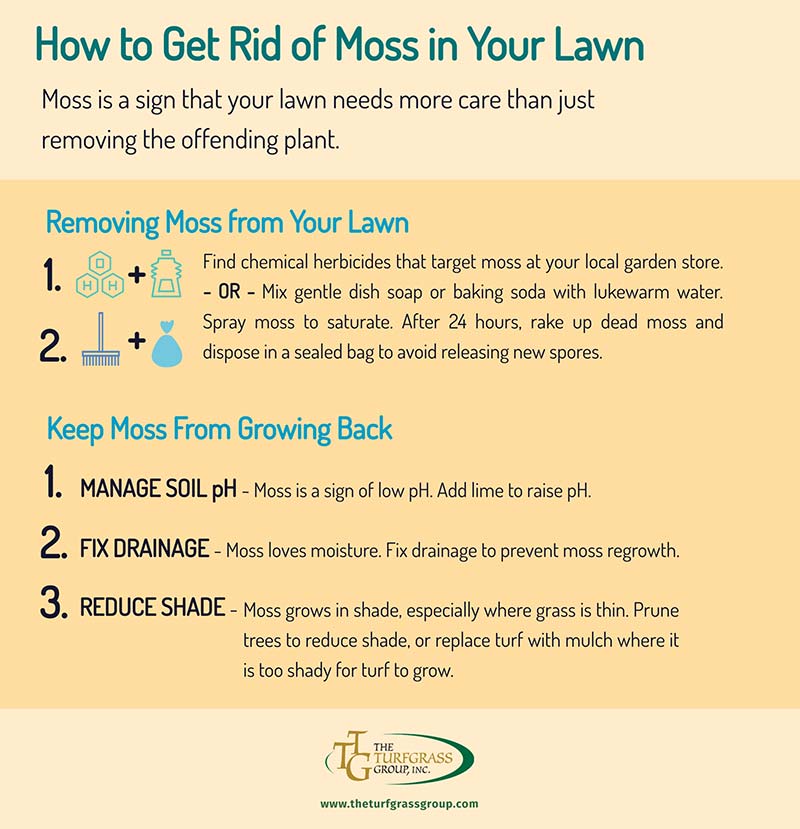
Image Source: theturfgrassgroup.com
Why Moss Grows In Your Lawn
Several factors create the perfect environment for moss to take hold. Fostering a healthy lawn is the best way to prevent it.
Poor Drainage
Moss loves wet feet. If your lawn doesn’t drain well, water sits on the surface for too long, creating ideal conditions for moss. This is often caused by compacted soil.
Shade
Most grasses need sunlight to grow strong. When your lawn is in constant shade from trees, buildings, or fences, the grass can become weak and sparse. Moss, however, loves shade and will quickly fill in the bare spots.
Soil Compaction
When soil becomes hard and dense, it’s hard for grass roots to grow deep. It also makes it difficult for water to soak in, leading to surface wetness that moss enjoys.
Low Soil Fertility
If your soil lacks essential nutrients, grass will struggle to grow vigorously. Weak grass can’t compete with moss for space and resources.
Soil pH Imbalance
Grass prefers slightly acidic to neutral soil. If your soil is too acidic, moss will often thrive, while grass will suffer.
Thatch Buildup
Thatch is a layer of dead and living grass stems, roots, and debris that builds up on the soil surface. A thick thatch layer can block sunlight and air from reaching the soil, creating a damp environment that moss loves. Thatch removal is a key step in lawn care.
Getting Rid of Moss: Your Step-by-Step Plan
Dealing with moss requires a multi-pronged approach. Simply removing the visible moss won’t solve the problem long-term. You need to address the conditions that allow it to grow.
Step 1: Rake Out the Moss
The first step is to physically remove the existing moss. A stiff-bristled rake is your best friend here.
- Use a metal rake: These are more effective than plastic rakes for digging into the moss and soil.
- Work in sections: Tackle your lawn area by area.
- Scrape vigorously: Drag the rake across the mossy areas, pulling upwards to lift the moss and any loose thatch.
- Collect the moss: Gather the removed moss and dispose of it. Don’t leave it on the lawn, as it can re-root.
This process can be hard work, but it’s essential for effective moss removal.
Step 2: Apply a Moss Killer
After raking, you’ll likely see bare patches where the moss was. This is the perfect time to apply a moss killer. These products work in different ways:
- Chemical Moss Killers: These typically contain active ingredients like iron sulfate (ferrous sulfate) or a synthetic organic chemical.
- Iron Sulfate: This is a common and effective ingredient. It kills moss by dehydrating it and also acts as a fertilizer, giving your grass a boost. It can temporarily stain concrete and other surfaces, so be careful.
- Synthetic Chemicals: Some products use different active ingredients. Always follow the product instructions carefully.
- Natural Moss Killers: Some gardeners prefer to use natural methods.
- Vinegar: A strong horticultural vinegar (20% acetic acid) can kill moss, but it can also harm grass if not used carefully. It’s best applied directly to the moss and may require repeat applications.
- Salt: While salt can kill moss, it can also damage your soil and grass, making it unsuitable for general use. Use sparingly and only on affected patches if you choose this method.
How to Apply Moss Killer:
- Read the Label: Always follow the manufacturer’s instructions precisely.
- Choose a Dry Day: Apply when no rain is expected for at least 24 hours.
- Even Distribution: Use a spreader for granular products or a sprayer for liquid ones to ensure even coverage.
- Avoid Over-Application: Too much product can damage your lawn.
Step 3: Aerate Your Lawn
Aeration is crucial for improving soil structure and drainage. It involves making small holes in the soil to allow air, water, and nutrients to penetrate. This directly combats soil compaction.
- When to Aerate: The best times are during the active growing season for your grass type – spring or autumn for cool-season grasses, and late spring or early summer for warm-season grasses.
- Methods of Aeration:
- Spike Aerator: Pushes spikes into the soil.
- Core Aerator: Pulls out small plugs of soil. This is generally more effective as it loosens the soil more deeply. You can rent these machines if you don’t own one.
- After Aeration: You’ll see small holes or plugs across your lawn. This is good! It allows for better air circulation and water infiltration.
Soil aeration is a vital part of improving overall lawn health.
Step 4: Dethatch Your Lawn
If you have a significant thatch layer, you’ll need to dethatch. This process removes that insulating layer of dead organic matter.
- When to Dethatch: Similar to aeration, do it during the active growing season.
- Dethatching Tools:
- Dethatching Rake: A specialized rake with stiff, sharp tines designed to pull up thatch.
- Power Dethatcher/Scarifier: These machines use rotating tines or blades to cut into the thatch layer and pull it to the surface.
- Process:
- Mow your lawn to about 2 inches.
- Dethatch by raking or using a machine.
- Collect and dispose of the thatch.
- Follow up with aeration if needed.
Step 5: Overseed Bare Patches
After removing moss and addressing the underlying issues, you’ll likely have bare spots. These are prime targets for weed invasion. Overseeding with grass seed will help your lawn fill in and become denser.
- Choose the Right Seed: Select a grass seed mix that matches your existing lawn and the conditions (sunlight, shade).
- Prepare the Soil: Loosen the soil in the bare patches with a rake.
- Spread the Seed: Distribute the seed evenly over the bare areas.
- Cover Lightly: Rake a thin layer of topsoil or compost over the seed to help it stay moist and protected.
- Water Regularly: Keep the seeded areas consistently moist until the new grass is established.
Step 6: Improve Soil Conditions
Moss often thrives in unhealthy soil. Correcting soil issues is key to long-term moss treatment.
Adjusting Soil pH
- Test Your Soil: Use a soil testing kit to determine your soil’s pH.
- For Acidic Soil (low pH): Apply lime to raise the pH. Follow product instructions carefully, as too much lime can be detrimental.
- For Alkaline Soil (high pH): Apply sulfur or use acidic fertilizers to lower the pH.
Fertilizing Your Lawn
- Choose the Right Fertilizer: Use a balanced lawn fertilizer that provides the necessary nutrients for healthy grass growth.
- Timing is Key: Fertilize during the growing seasons, typically spring and autumn for cool-season grasses.
- Application: Use a spreader for even distribution and water it in after application. A healthy, dense lawn is the best defense against moss.
Step 7: Address Shade and Drainage
These are often the root causes of moss growth.
Shade Management
- Prune Trees: If overhanging branches are casting too much shade, consider pruning them.
- Choose Shade-Tolerant Grasses: If you have areas with persistent shade, consider overseeding with grass varieties that tolerate shade better.
Drainage Improvement
- Core Aeration: As mentioned, this is a primary method for improving drainage.
- Topdressing: After aeration, you can spread a thin layer of compost or sandy loam over the lawn. This helps improve soil structure and infiltration over time.
- French Drains or Grading: For severe drainage problems, more extensive solutions like installing French drains or regrading the lawn might be necessary.
Preventing Moss Recurrence: Ongoing Lawn Care
Once you’ve successfully removed moss, the goal is to keep it from coming back. Consistent lawn care practices are essential.
Regular Mowing
- Mow at the Right Height: Most grasses benefit from being mowed to a height of 2.5 to 3.5 inches. This encourages deeper root growth, making the grass more resilient.
- Don’t Cut Too Much: Never remove more than one-third of the grass blade at a time.
Proper Watering
- Deep and Infrequent: Water your lawn deeply but less often. This encourages roots to grow deeper, making the grass stronger.
- Avoid Overwatering: Soggy soil creates the perfect environment for moss.
Seasonal Fertilization
- Feed Your Lawn: Regular feeding with the right fertilizer ensures your grass has the nutrients it needs to grow thick and healthy, outcompeting moss.
Continue Aeration and Dethatching
- Regular Maintenance: Aerate your lawn every 1-3 years, depending on soil compaction and thatch buildup. Dethatch when the thatch layer exceeds 0.5 inches.
Monitor and Act Quickly
- Inspect Your Lawn: Regularly check for early signs of moss growth, especially in damp or shady areas.
- Address Issues Promptly: If you see moss starting to form, rake it out and consider a spot treatment.
What to Do with the Removed Moss
Once you’ve raked out the moss, it’s important to dispose of it properly.
- Composting: Moss can be added to a compost pile, but it’s best to mix it with other “brown” materials like dry leaves or shredded paper. Be aware that some people find that moss can re-root from compost if not thoroughly decomposed.
- Bagging: Bagging the moss and placing it in your garden waste bin is a safe disposal method.
- Avoid Leaving it on the Lawn: Even small pieces of moss can re-root and start the problem all over again.
Identifying the Root Cause: A Deeper Dive
To truly get rid of moss, we need to look at the underlying causes. This involves a bit more investigation into your specific lawn conditions.
Soil Compaction: The Silent Killer of Healthy Lawns
Compacted soil is a major contributor to moss growth. It prevents air and water from reaching the grass roots, leading to shallow root systems. Weak, shallow roots cannot absorb nutrients or moisture efficiently, making the grass susceptible to stress. Moss, on the other hand, can survive in the compacted, moisture-retentive surface layers.
How to Check for Soil Compaction:
- Screwdriver Test: Try to push a screwdriver into your lawn. If it goes in easily, your soil is likely not severely compacted. If you struggle to push it in, compaction is probably an issue.
- Observe Water Penetration: If water sits on the surface for a long time after rain or watering, it indicates poor drainage, often due to compaction.
Thatch: A Mossy Microclimate
A thatch layer acts like a sponge, holding moisture against the grass crowns. It also blocks sunlight, further favoring shade-loving moss over grass.
How to Measure Thatch:
- Cut a small plug of turf from your lawn using a spade or trowel.
- Examine the plug. The thatch layer is the spongy, brown layer between the green grass blades and the soil.
- If this layer is more than half an inch thick, it’s time to dethatch.
Soil pH: The Foundation of Lawn Health
The pH of your soil dictates how well nutrients are available to your grass.
- Ideal pH for Most Grasses: 6.0 to 7.0.
- Moss and Acidic Soil: Moss often flourishes in soils with a pH below 6.0. This is because many grasses struggle in very acidic conditions, leaving more room for moss to spread.
Drainage: The Constant Battle Against Wetness
Poor drainage is a primary driver for moss. When water doesn’t drain away efficiently, the soil surface remains consistently moist.
Signs of Poor Drainage:
- Standing water after rain.
- Water pooling on the surface.
- Slow drying of the lawn.
Frequently Asked Questions (FAQ)
Q1: Can I get rid of moss in my lawn overnight?
A1: No, there is no instant solution for getting rid of moss. It requires a consistent effort to remove existing moss and, more importantly, to correct the underlying conditions that allow it to grow.
Q2: Is moss bad for my lawn?
A2: Moss itself isn’t directly harmful to grass in the way a disease might be. However, its presence is usually a strong indicator of underlying problems like poor drainage, shade, or compacted soil. These issues weaken your grass, making it less resilient and more susceptible to other problems, including weeds. So, while moss isn’t the primary problem, it’s a symptom of a less-than-ideal lawn environment.
Q3: When is the best time to treat moss?
A3: The best time to treat moss is generally in the spring or autumn. These are the times when grass is actively growing and can recover from the treatment and overseeding more effectively. Treating in these periods also helps prevent moss from becoming established during the winter or summer months.
Q4: Will a moss killer kill my grass?
A4: Reputable moss killers are formulated to be safe for grass when used according to the product’s instructions. However, applying too much, applying in very hot weather, or using a product not designed for lawns can potentially harm or kill grass. Always read and follow the label directions carefully.
Q5: How often should I aerate my lawn?
A5: For most home lawns, aerating once every 1-3 years is sufficient. If you have heavy clay soil or notice significant soil compaction, you might consider aerating annually.
Q6: How do I get rid of moss on hard surfaces like patios or paths?
A6: For hard surfaces, you can use a stiff brush and a solution of water and bleach (1 part bleach to 10 parts water), or a specialized patio cleaner. Rinse thoroughly after application. Alternatively, horticultural vinegar can also be effective, but be cautious as it can also kill surrounding plants.
Q7: My lawn is very shady. What can I do about moss?
A7: If shade is the primary issue, you’ll need to manage it. This might involve pruning trees to allow more light to reach the grass. Alternatively, consider overseeding with grass varieties that are specifically bred for shady conditions. For very deep shade where grass struggles to grow, you might consider ground cover plants or a mulch bed instead of trying to maintain a lawn.
Q8: I’ve used a moss killer, but the moss is still there. Why?
A8: This usually means the underlying conditions that favor moss growth haven’t been fully addressed. A moss killer effectively removes the visible moss, but if the soil remains compacted, damp, or shaded, the moss will likely return. You need to follow up with aeration, thatch removal, and improving drainage and soil health.
By following these steps, you can effectively tackle moss and cultivate a healthier, greener lawn. Remember, consistent effort and addressing the root causes are key to long-term success. This comprehensive guide aims to provide you with all the necessary gardening tips for effective weed control and a beautiful, moss-free lawn.