
How often should I fertilize my lawn? The ideal frequency for fertilizing your lawn depends on your grass type, soil conditions, and the climate you live in, but generally, most lawns benefit from 2-4 applications per year.
Feeding your lawn is like giving it a healthy meal. It needs the right nutrients at the right times to grow strong and look its best. But when is the right time, and how much should you give it? This guide will help you create a successful lawn fertilization schedule so your grass can thrive.
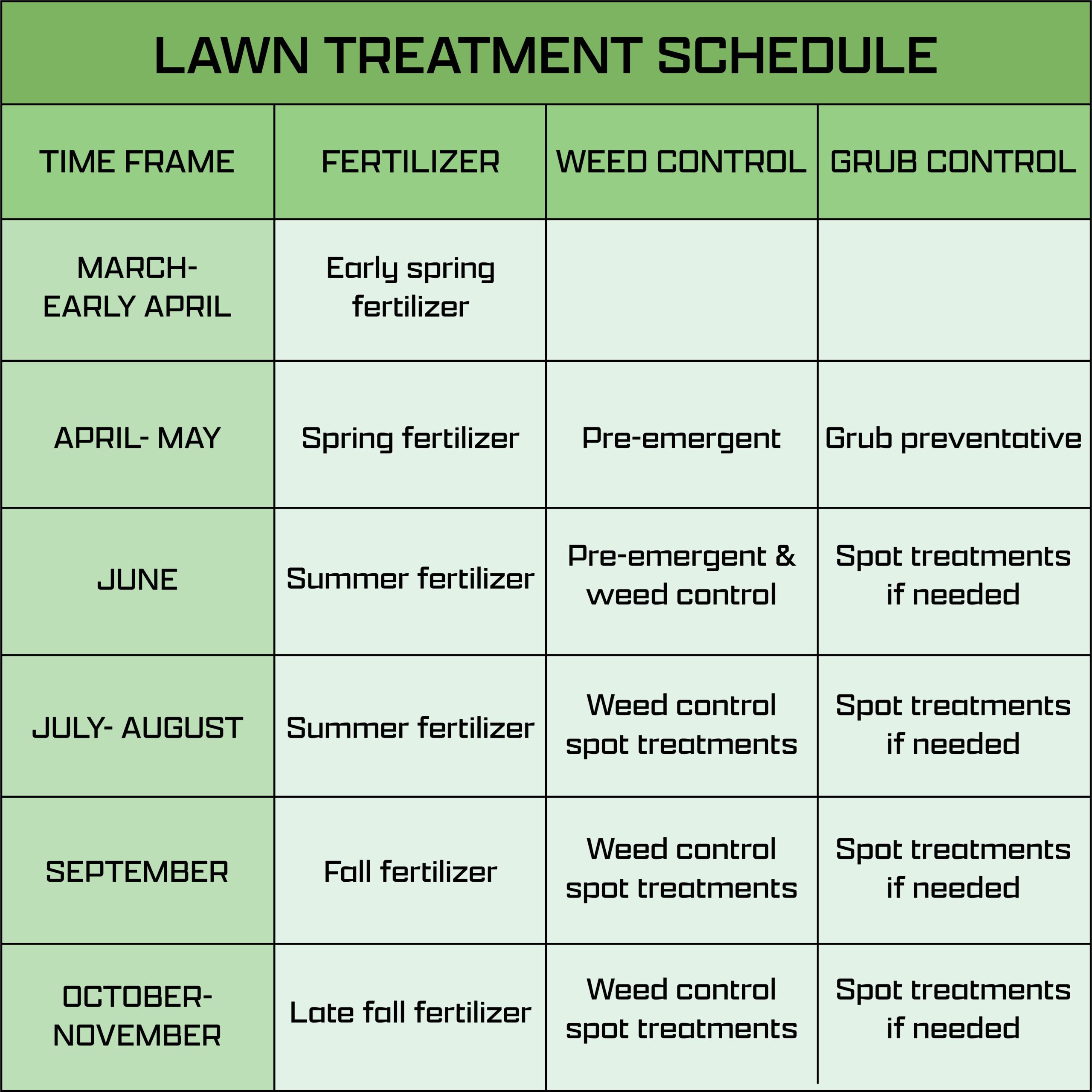
Image Source: stewartslawn.com
Deciphering Your Lawn’s Needs: What to Know Before You Fertilize
Before you grab any bag of fertilizer, it’s crucial to know what your lawn truly needs. Think of it like a doctor checking your health before prescribing a treatment.
Soil Testing: The Foundation of Fertilization
A soil test is the most important first step. It tells you what nutrients are already in your soil and what’s missing. It also reveals your soil’s pH level, which affects how well your grass can absorb nutrients.
- Why test your soil?
- Identifies nutrient deficiencies (like nitrogen, phosphorus, or potassium).
- Reveals soil pH, which can hinder nutrient uptake.
- Helps you avoid over-fertilizing, which can harm your lawn and the environment.
- How to test your soil:
- Collect soil samples from different areas of your lawn.
- Send them to your local cooperative extension office or a private lab.
- Follow their instructions for collection and submission.
Knowing Your Grass Type: A Crucial Factor
Different types of grass have different needs and grow best at different times of the year. This is key to figuring out your fertilizer application frequency.
- Cool-Season Grasses: These grasses, like fescue, bluegrass, and ryegrass, grow most actively in cooler temperatures (spring and fall). They typically need more feeding during these periods.
- Primary Feeding Times: Early fall and late spring.
- Secondary Feeding Times: Early spring and mid-fall.
- Warm-Season Grasses: These grasses, like Bermuda, zoysia, and St. Augustine, thrive in warmer temperatures (late spring through early fall). Their main growth and nutrient needs occur during these warmer months.
- Primary Feeding Times: Late spring and late summer.
- Secondary Feeding Times: Early summer and early fall.
Interpreting Fertilizer Labels: The N-P-K Numbers
Fertilizer bags have three numbers on them, known as the N-P-K ratio. These represent the percentage by weight of:
- N (Nitrogen): Promotes leafy green growth and overall vigor. This is often the most important nutrient for lawns.
- P (Phosphorus): Essential for root development and establishing new lawns. Most established lawns don’t need much added phosphorus.
- K (Potassium): Helps with stress tolerance (drought, heat, cold) and disease resistance.
The best fertilizer for lawns will have an N-P-K ratio tailored to your grass type and soil test results. For example, a high-nitrogen fertilizer might be good for greening up a lawn in spring, while a balanced fertilizer might be better for overall health.
Creating Your Lawn Fertilization Schedule: A Step-by-Step Approach
Now that you know the basics, let’s build a lawn feeding schedule. This schedule is your roadmap to a healthier, greener lawn.
The Core Principles of a Lawn Care Calendar
A good lawn care calendar takes into account the seasons and your specific grass type.
- Spring Application: This is a critical time for cool-season grasses to recover from winter and prepare for summer stress. For warm-season grasses, it’s about waking them up and encouraging new growth.
- Summer Application (Optional/Careful): Summer can be stressful for lawns, especially in hot climates. If you fertilize, use a slow-release formula and avoid high-nitrogen products.
- Fall Application: This is arguably the most important feeding for cool-season grasses, as it helps them build reserves for winter and green up quickly in spring. For warm-season grasses, a fall feeding can help them prepare for dormancy.
- Late Fall/Dormant Feeding: A final application of fertilizer in late fall can provide nutrients for early spring green-up. This is particularly beneficial for cool-season grasses.
Fertilizer Application Frequency for Different Grass Types
Here’s a general guide for how often to fertilize lawn based on grass type:
Cool-Season Grasses (Fescue, Bluegrass, Ryegrass)
- Number of Applications: 3-4 per year.
- Timing:
- Early Spring (March-April): After the lawn greens up but before significant top growth. Use a slow-release nitrogen fertilizer for lawn growth.
- Late Spring/Early Summer (May-June): This application helps the lawn through the summer heat. Choose a slow-release or organic fertilizer.
- Early Fall (September-October): This is the most crucial feeding. It replenishes nutrients lost during summer and helps the grass store energy for winter.
- Late Fall/Dormant Feeding (November-December): Apply before the ground freezes. This provides nutrients for early spring growth.
Warm-Season Grasses (Bermuda, Zoysia, St. Augustine)
- Number of Applications: 2-3 per year.
- Timing:
- Late Spring (May-June): Once the grass has fully greened up and is actively growing. Use a balanced fertilizer.
- Mid-Summer (July-August): This feeding supports continued growth and helps the lawn withstand heat and drought.
- Early Fall (September-October): A light application can help the grass prepare for dormancy and improve winter hardiness.
When to Fertilize Grass: Optimal Timing
The best time to fertilize lawn is when the grass is actively growing and can absorb the nutrients. Avoid fertilizing:
- When the grass is dormant.
- During extreme heat or drought.
- Just before heavy rain, as fertilizer can wash away.
- When the grass is wet, as fertilizer can stick to the blades and cause burns.
How Much Fertilizer for Lawn: Getting the Dosage Right
Applying the correct amount of fertilizer is as important as the timing. Too much can burn your lawn, while too little won’t provide the needed benefits.
Understanding Fertilizer Coverage
Fertilizer bags usually state the coverage area (e.g., “Covers 5,000 sq ft”). You need to know the square footage of your lawn to calculate how much fertilizer for lawn you need.
- Measure your lawn:
- For rectangular lawns, multiply length by width.
- For irregular shapes, break them down into smaller shapes (rectangles, triangles) and add their areas.
- Calculate fertilizer needed:
- Divide your lawn’s total square footage by the coverage area on the fertilizer bag. This tells you how many bags you need for one application.
Recommended Application Rates
A common recommendation is to apply 1 pound of actual nitrogen per 1,000 square feet of lawn.
- Example: If your fertilizer bag has an N-P-K ratio of 20-5-10, it means 20% of the bag is nitrogen. To apply 1 pound of actual nitrogen per 1,000 sq ft, you would need to apply 5 pounds of the fertilizer product (1 lb nitrogen / 0.20 nitrogen percentage = 5 lbs product).
Always read and follow the specific instructions on the fertilizer packaging.
Fertilizing Lawn Tips for Success
Beyond timing and amount, several fertilizing lawn tips can help you achieve the best results.
Choosing the Best Fertilizer for Your Lawn
- Slow-Release vs. Quick-Release:
- Slow-release fertilizers feed your lawn over a longer period, reducing the risk of burning and the need for frequent applications. They are often a good choice for most situations.
- Quick-release fertilizers provide a rapid green-up but can be more prone to burning and may require more frequent application.
- Organic vs. Synthetic:
- Organic fertilizers (like compost, manure, bone meal) improve soil health over time and release nutrients slowly. They are less likely to burn the lawn.
- Synthetic fertilizers are manufactured and provide precise nutrient ratios. They can be very effective but require careful application to avoid damage.
- Weed and Feed Products: These can be convenient, but it’s often better to apply fertilizers and weed killers separately to ensure optimal results for both. If you use them, follow instructions precisely.
Application Techniques: Spreading Fertilizer Evenly
- Use a Spreader: A broadcast (rotary) spreader or a drop spreader ensures even distribution.
- Broadcast Spreaders: Cover a wider area but can be less precise. Calibrate them correctly.
- Drop Spreaders: Deposit fertilizer directly in front of the spreader, offering more accuracy for precise application along edges.
- Calibrate Your Spreader: Follow the instructions on your fertilizer bag and spreader manual for the correct setting.
- Overlap Passes: Overlap your passes slightly to avoid striping your lawn with missed or over-fertilized areas.
- Sweep Up Spills: If you spill fertilizer on sidewalks or driveways, sweep it back onto the lawn to prevent it from washing into waterways.
Watering After Fertilizing
- Water Lightly: After applying granular fertilizer, water your lawn lightly (about 1/4 to 1/2 inch). This helps wash the fertilizer off the grass blades and into the soil, where it can be absorbed by the roots.
- Avoid Overwatering: Too much water can leach nutrients deeper into the soil, making them unavailable to the grass.
- Check Fertilizer Type: Some fertilizers require specific watering instructions. Always check the product label.
Fertilizing Lawn Tips for Specific Situations
- New Lawns: Wait until the grass is at least a year old before applying most fertilizers. For new seed, a starter fertilizer with phosphorus is often recommended at planting time.
- Problem Areas: If you notice thin or discolored patches, a targeted application of fertilizer might help. However, also consider other causes like pests, diseases, or compaction.
- Aeration and Fertilization: Aerating your lawn before fertilizing can improve nutrient uptake by allowing the fertilizer to reach the root zone more effectively. This is a great fertilizing lawn tip for compacted soils.
Common Questions About Lawn Fertilization
Here are some frequently asked questions about how often to fertilize lawn:
FAQ
- Can I fertilize my lawn in winter?
Generally, it’s best to avoid fertilizing during winter when the grass is dormant. However, a dormant feeding in late fall, just before the ground freezes, can be beneficial for cool-season grasses. - What happens if I fertilize too much?
Over-fertilizing can cause “fertilizer burn,” characterized by brown, dry-looking patches on your lawn. It can also lead to excessive, weak growth that is more susceptible to diseases and pests, and can harm the environment by causing nutrient runoff. - When is the best time to fertilize my lawn for the first time in spring?
For cool-season grasses, fertilize after the lawn has fully greened up and is actively growing, typically in March or April. For warm-season grasses, wait until they have fully greened up and growth has begun, usually in late May or June. - Do I need to fertilize every time I mow?
No, fertilizing every time you mow is far too frequent and will likely damage your lawn. A lawn fertilization schedule typically involves 2-4 applications per year. - What is a slow-release nitrogen fertilizer for lawn?
A slow-release nitrogen fertilizer releases nitrogen gradually over time, providing a steady supply of nutrients without causing a sudden surge in growth or the risk of burning. This is often preferred for maintaining consistent lawn health. - How do I know how much fertilizer for lawn is the right amount?
Calculate the square footage of your lawn and read the fertilizer bag’s coverage instructions. The goal is typically to apply 1 pound of actual nitrogen per 1,000 square feet of lawn, but always follow the specific product’s label recommendations. - Should I fertilize before or after rain?
It’s best to fertilize when rain is expected within 24-48 hours, as this helps water the fertilizer into the soil. However, avoid fertilizing right before a heavy downpour, as this can cause the fertilizer to wash away. If you fertilize on a dry day, you should water the lawn yourself.
By following this guide and creating a consistent lawn fertilization schedule, you’ll be well on your way to a beautiful, healthy lawn that you can enjoy all year round. Remember to adapt these guidelines to your specific lawn and climate for the best results.