
Is your lawn looking sad and brown? A brown lawn can be frustrating, but thankfully, there are usually clear reasons why your grass is turning brown. The most common culprits are lack of water, disease, pests, or poor soil condition. Identifying the specific cause is the first step to bringing your lawn back to life.
A vibrant, green lawn is the envy of the neighborhood. But when patches of brown grass start appearing, or your entire yard takes on a dull hue, it’s time to investigate. A yellow lawn is often a precursor to browning, signaling stress. Seeing dead patches can be particularly alarming. The good news is that with the right knowledge and consistent lawn care, you can revive your turf and prevent future problems.
This comprehensive guide will help you diagnose why your lawn is brown and provide expert advice for achieving a lush, healthy green carpet.
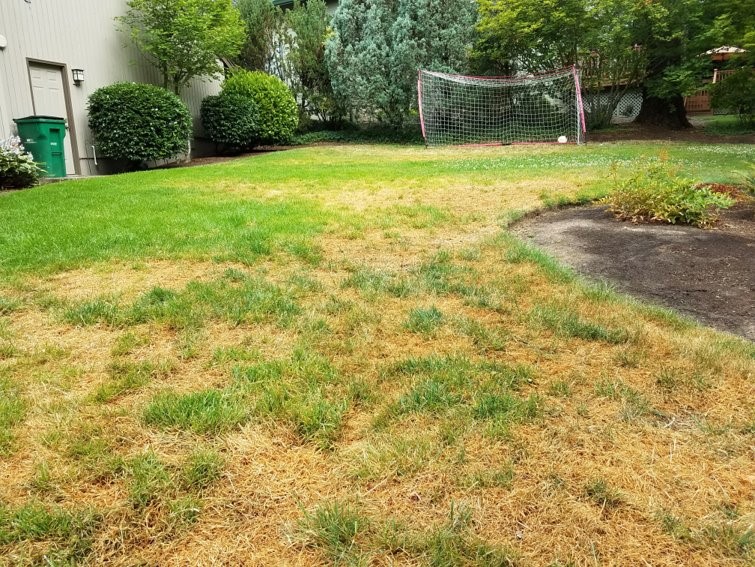
Image Source: www.landscapeeast.com
Decoding the Brown: Common Causes of a Discolored Lawn
Several factors can contribute to a lawn turning brown. Let’s break down the most frequent issues.
Watering Issues: The Thirst Trap
Water is crucial for grass health. Too little or too much can lead to browning.
Insufficient Watering
Your lawn needs about 1 to 1.5 inches of water per week, including rainfall. If you’re not meeting this requirement, your grass will start to stress and turn brown.
- Signs of a Dry Lawn:
- Grass blades turn a dull, grayish-green before browning.
- Footprints remain visible on the lawn long after you’ve walked on it.
- The soil feels dry and hard to the touch.
Overwatering
While counterintuitive, overwatering can also cause brown patches. Excess water can:
- Choke out roots: Waterlogged soil deprives roots of oxygen, leading to root rot.
- Encourage disease: Constantly wet conditions are a breeding ground for fungal diseases.
- Wash away nutrients: Essential nutrients can be leached from the soil.
Soil Condition: The Foundation of Health
The health of your soil directly impacts the health of your lawn.
Poor Soil Structure
- Compacted Soil: When soil is too dense, water and air struggle to penetrate. This suffocates grass roots, leading to browning. Heavy foot traffic, mowers, and construction can cause compaction.
- Poor Drainage: If water sits on your lawn for extended periods, it creates an environment ripe for root rot and fungal growth.
- Nutrient Deficiencies: Grass needs nutrients like nitrogen, phosphorus, and potassium to stay green and healthy. A lack of these can result in a yellow lawn that eventually browns.
Incorrect Soil pH
Soil pH affects how well grass can absorb nutrients. Most turfgrasses prefer a slightly acidic to neutral pH (6.0 to 7.0). If your soil is too acidic or too alkaline, your grass won’t get the food it needs, leading to stress and browning.
Environmental Factors: Nature’s Challenges
Beyond watering and soil, external elements play a significant role.
Extreme Heat and Drought
During prolonged periods of high temperatures and no rain, grass enters a dormant state to survive. It turns brown to conserve moisture. This is a natural survival mechanism.
- Dormancy vs. Death: Dormant grass isn’t dead. If temperatures cool and moisture returns, it can often green up again. However, prolonged dormancy can lead to death if conditions don’t improve.
Frost and Cold Damage
While most common in winter, unexpected late frosts can damage new growth, causing it to turn brown.
Disease Identification: The Silent Attackers
Fungal diseases are a common reason for brown spots and patches on lawns.
Common Lawn Fungi and Diseases
- Brown Patch: This fungal disease causes circular patches of brown, straw-like grass. Often, the edges of the patch have a darker, smoky ring. It thrives in hot, humid weather.
- Dollar Spot: Characterized by small, straw-colored spots about the size of a silver dollar. These spots can merge to form larger irregular patches. It’s often seen in dry, stressed lawns.
- Red Thread: This disease appears as pinkish-red, thread-like strands on the grass blades, giving the lawn a reddish or pinkish cast. It’s often a sign of low nitrogen levels.
- Powdery Mildew: This appears as white, powdery patches on the grass blades. It thrives in shady, humid areas with poor air circulation.
How to Identify Lawn Diseases
- Observe the Pattern: Are the brown areas circular, irregular, or striped?
- Examine the Blades: Look for spots, lesions, or unusual growth on the individual blades of grass.
- Consider the Conditions: What have the weather conditions been like? High humidity, prolonged wetness, or drought can all point to certain diseases.
Pest Control: The Unwanted Guests
Insects can wreak havoc on your lawn, causing significant damage and browning.
Common Lawn Pests
- Grubs: These are the C-shaped larvae of beetles that live in the soil. They feed on grass roots, severing the plant’s ability to absorb water and nutrients. Lawns infested with grubs can feel spongy and lift up easily like a carpet.
- Chinch Bugs: These small insects suck the juices from grass blades, causing irregular brown patches, especially in sunny, dry areas.
- Sod Webworms: The larvae of lawn moths, they chew on grass blades and crowns, creating thinning or brown patches.
- Armyworms: These caterpillars can strip grass blades and even eat down to the soil, leaving bare patches.
Detecting Lawn Pests
- The Tug Test: If a section of your lawn pulls up easily without resistance, it’s a strong indicator of grub activity.
- Visual Inspection: Look for actual insects or signs of their damage. Place a damp towel on the lawn overnight; if pests are present, they may gather underneath it.
Restoring Your Lawn: Expert Solutions
Once you’ve identified the cause of your brown lawn, you can implement the right solutions.
Revitalizing Watering Practices
Proper watering is key to preventing and fixing a brown lawn.
The Right Amount and Frequency
- Deep and Infrequent: Aim to water your lawn deeply but less often. This encourages roots to grow deeper, making the grass more resilient to drought.
- Morning Watering: The best time to water is early morning (between 4 AM and 10 AM). This allows the water to soak into the soil before the heat of the day causes excessive evaporation and reduces the risk of fungal diseases compared to evening watering.
- Measure Your Water: Use a rain gauge or place cans on the lawn while watering to ensure you’re applying the correct amount.
Watering Schedule Adjustments
- Seasonal Needs: Adjust your watering schedule based on the season, temperature, and rainfall. You’ll need to water more frequently during hot, dry periods and less in cooler, wetter months.
- Observe Your Lawn: Learn to read your lawn’s cues. If it starts to look dull or show footprints, it’s time to water.
Improving Soil Condition
Healthy soil is the bedrock of a healthy lawn.
Aeration
Aeration involves making small holes in the soil. This relieves compaction, allowing air, water, and nutrients to reach the grass roots.
- When to Aerate: Aerate when the grass is actively growing. For cool-season grasses, this is typically spring or fall. For warm-season grasses, late spring or early summer is best.
- How to Aerate: You can rent a core aerator or use a spike aerator. Core aerators are more effective as they pull out small plugs of soil.
Dethatching
Thatch is a layer of dead and living grass stems and roots that accumulates between the green grass blades and the soil surface. A thin layer is beneficial, but excessive thatch (over ½ inch) can block water and air, creating a favorable environment for pests and diseases.
- When to Dethatch: Dethatch when the grass is actively growing.
- Methods: Use a power rake or a dethatching rake.
Soil Testing and Amendments
- Get a Soil Test: This is the best way to determine your soil’s pH and nutrient levels. Contact your local cooperative extension office for testing kits and advice.
- Adjust pH: If your soil is too acidic, add lime. If it’s too alkaline, add sulfur. Follow the recommendations from your soil test.
- Fertilize Appropriately: Based on your soil test results, use a fertilizer that provides the necessary nutrients. A slow-release nitrogen fertilizer is often recommended for steady growth.
Addressing Disease Identification
Treating lawn diseases requires accurate identification and timely action.
Fungicide Application
- Identify the Disease: Use reliable resources or consult a local lawn care professional to pinpoint the specific fungal issue.
- Choose the Right Fungicide: Select a fungicide specifically labeled for the disease you are treating. There are preventative and curative fungicides.
- Follow Instructions: Apply fungicides according to the product label for the best results and to avoid damaging your lawn.
Cultural Practices to Prevent Disease
- Improve Air Circulation: Prune trees and shrubs that shade your lawn, especially if powdery mildew is an issue.
- Avoid Overwatering: Stick to proper watering practices.
- Mow High: Longer grass blades help shade the soil, keeping it cooler and moister, which can deter some diseases. Keep mower blades sharp to avoid tearing grass.
Implementing Pest Control Strategies
Getting rid of lawn pests is crucial for lawn recovery.
Grub Control
- Preventative Treatments: Apply grub control products in late spring or early summer before the eggs hatch.
- Curative Treatments: If you have an active infestation, apply a curative insecticide. Water it in immediately to carry the insecticide down to the root zone where the grubs are feeding.
Chinch Bug and Sod Webworm Control
- Spot Treatment: For localized infestations, use an insecticide specifically formulated for these pests.
- Timing is Key: Apply treatments when pests are most active, typically during warmer months.
Natural Pest Control Methods
- Beneficial Nematodes: These microscopic worms can be applied to the soil to naturally control grubs and other soil-dwelling pests.
- Encourage Beneficial Insects: Ladybugs and lacewings prey on many common lawn pests.
- Healthy Lawn: A strong, healthy lawn is more resistant to pest damage.
Restoring Damaged Areas: Patching Up Brown Spots
Even with the best care, dead patches can occur. Here’s how to repair them.
Preparing the Area
- Remove Debris: Clear away any dead grass, weeds, or rocks from the bare patch.
- Loosen Soil: Use a rake or trowel to loosen the soil to a depth of about 2-3 inches. This makes it easier for new seed to establish.
- Amend Soil (If Needed): Mix in some compost or topsoil if the existing soil is poor.
Seeding or Sodding
- Seeding:
- Choose the Right Seed: Select a grass seed mix appropriate for your climate and existing lawn type.
- Apply Seed: Spread the seed evenly over the prepared area. Follow the seeding rate recommended on the product bag.
- Rake Lightly: Gently rake the seed into the soil to ensure good seed-to-soil contact.
- Cover (Optional): A thin layer of straw or a seed germination blanket can help retain moisture and protect the seed.
- Sodding:
- Prepare the Area: Ensure the soil is level and moist.
- Lay Sod: Place sod pieces tightly together, ensuring good contact with the soil.
- Water Thoroughly: Water the new sod immediately and consistently until it establishes.
Ongoing Care for New Seed/Sod
- Watering: Keep the area consistently moist until the grass is established. For seed, this means light, frequent watering. For sod, water deeply.
- Mowing: Wait until the new grass is about 3 inches tall before mowing. Never cut more than one-third of the blade length at a time.
Preventative Lawn Care: Keeping Your Lawn Green Year-Round
The best way to deal with a brown lawn is to prevent it from happening in the first place. Consistent, smart lawn care is your best defense.
Seasonal Lawn Care Schedule
Here’s a general guideline for year-round lawn care:
| Season | Key Activities |
|---|---|
| Spring | Aeration, dethatching (if needed), fertilization, weed control, overseeding (cool-season grasses). |
| Summer | Regular watering (adjusting for heat), mowing high, spot treatment for pests/diseases, watching for stress. |
| Fall | Fertilization (crucial for root development), continued watering, leaf removal, final mowing. |
| Winter | Minimal activity; ensure lawn has adequate moisture before ground freezes, avoid heavy traffic. |
Mowing Practices
- Mow High: Longer grass blades help shade the soil, suppress weeds, and improve drought resistance.
- Sharp Blades: Dull mower blades tear grass, making it susceptible to disease.
- Don’t Bag Clippings: Grass clippings are a natural source of nitrogen and other nutrients. Leave them on the lawn as mulch.
- Vary Mowing Pattern: This prevents soil compaction and helps grass blades grow upright.
Fertilization
- Timing: Fertilize at the right times of year. Fall fertilization is particularly important for cool-season grasses to help them recover from summer stress and prepare for winter.
- Type: Use a slow-release fertilizer for consistent nutrient delivery.
- Amount: Avoid over-fertilizing, which can burn the lawn or lead to excessive growth that is more prone to disease and pests.
Frequently Asked Questions (FAQ)
Q1: Can I bring my brown lawn back to life?
A1: Yes, in most cases, a brown lawn can be revived. The key is to accurately diagnose the cause of the browning and implement the appropriate solutions, whether it’s adjusting watering, treating a disease, or controlling pests.
Q2: How do I know if my lawn is dormant or dead?
A2: Dormant grass typically turns a uniform brown and feels dry. If you water it and it doesn’t show signs of recovery after a week or two, or if you see actual bare spots with no grass at all, it might be dead. You can also try the tug test: healthy grass will resist being pulled up easily.
Q3: Is it okay to water my lawn during a drought?
A3: It’s generally best to water deeply and less frequently, even during a drought, to encourage deeper root growth. However, if you’re in an extreme drought with watering restrictions, you might need to let your lawn go dormant. Some grasses are more drought-tolerant than others.
Q4: How often should I fertilize my lawn?
A4: The frequency depends on your grass type, climate, and soil condition. Generally, fertilizing 2-4 times a year is recommended, with key applications in spring and fall for cool-season grasses and a couple of applications during the active growing season for warm-season grasses. Always follow product instructions and consider a soil test for personalized recommendations.
Q5: My lawn has yellow patches that are turning brown. What could this be?
A5: Yellow patches that transition to brown can indicate several issues, including nutrient deficiencies (especially nitrogen), fungal diseases like dollar spot, or pest activity like chinch bugs. A soil test can help rule out nutrient problems, while observing the pattern of damage and local conditions can point towards disease or pests.
By diligently observing your lawn and applying the right lawn care techniques, you can transform that brown grass into a vibrant green space. Remember that a healthy lawn is a continuous project, not a one-time fix. Consistent effort will yield the most beautiful and resilient results.