
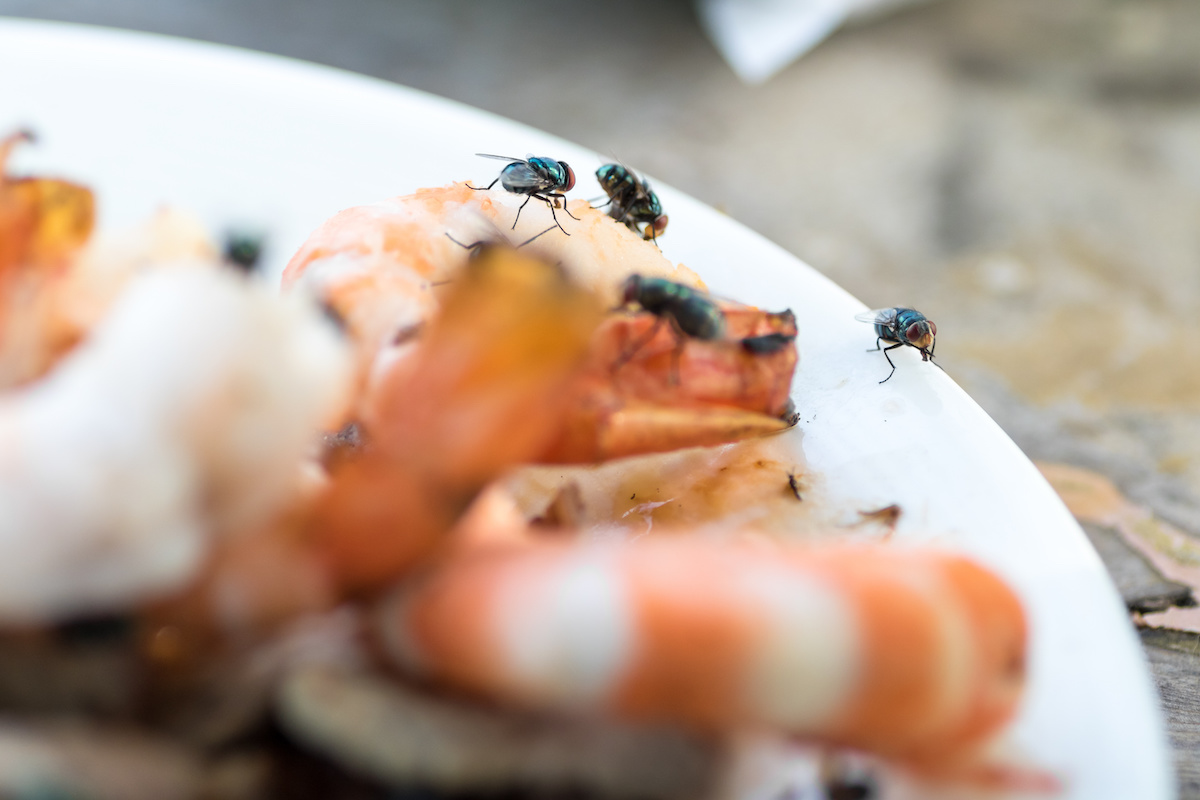
Image Source: housemanservices.com
Why Do I Have So Many Flies In My Yard? Explains
Do you find yourself constantly swatting at buzzing insects and wondering, “Why do I have so many flies in my yard?” The answer isn’t a single reason, but rather a combination of factors that make your yard an attractive place for these common pests. It’s likely a combination of food sources, water, and places to lay eggs that are drawing them in.
Dealing with a yard fly infestation can be frustrating, impacting your enjoyment of outdoor spaces. Whether it’s house flies in yard settings or other common fly species, understanding their behavior is the first step toward fly control. This comprehensive guide will delve into the reasons behind a surge in flies and offer practical solutions for eliminating yard flies.
The Allure of Your Yard: What’s Attracting Flies?
Flies, much like us, are drawn to resources that support their survival and reproduction. Your yard, unfortunately, might be providing a smorgasbord of these essentials.
Food Sources: A Fly’s Delight
Flies have a keen sense of smell and are attracted to a wide variety of organic matter, especially decaying or fermenting substances. Here are some common culprits in your yard:
- Uncovered Garbage Cans: This is perhaps the most significant attractant. Even small amounts of food scraps left exposed provide an easy meal and, more importantly, a prime spot for egg-laying.
- Pet Waste: Dog feces, cat litter boxes left outdoors, and even bird droppings are rich in nutrients and bacteria that flies find irresistible.
- Compost Piles: While composting is environmentally friendly, an improperly managed compost pile can become a fly magnet, especially if it contains meat scraps or dairy products.
- Rotting Fruit and Vegetables: Fallen fruit from trees, or vegetables left to decay in gardens, release sugars and attract flies.
- Dead Animals: Small animals like mice, birds, or insects that have died in your yard can quickly become a feast and a breeding ground.
- Spilled Drinks and Food Residue: Leftover sugary drinks, barbecue sauces, or food particles on patio furniture or grill surfaces can draw flies.
Water Sources: More Than Just a Drink
While food is primary, access to moisture is also crucial for flies.
- Standing Water: Puddles, clogged gutters, bird baths that aren’t regularly cleaned, or even leaky hoses can provide the humidity and water flies need.
- Moist Soil: Certain types of fly larvae in soil thrive in damp, organic-rich soil, especially around overflowing planters or areas that retain moisture.
Breeding Grounds: Where Flies Lay Their Eggs
The ultimate goal for any fly is to reproduce. Your yard might be offering numerous ideal locations for them to do so.
- Damp, Decaying Organic Matter: This is the golden ticket for fly reproduction. This includes the food sources mentioned above, but also:
- Leaf Litter: Thick layers of decaying leaves can retain moisture and provide shelter.
- Grass Clippings: Large, unmanaged piles of grass clippings can ferment and attract flies.
- Wet Cardboard or Paper: These materials can become damp and decompose, creating a suitable environment.
- Animal Burrows or Nests: If you have rodents or other small animals creating burrows, these can become breeding sites.
- Pet Food and Water Bowls: Food left in bowls for extended periods, especially when wet, can attract flies and become a breeding spot.
Common Culprits: Identifying the Types of Flies
The specific type of fly you’re seeing can sometimes offer clues about what’s attracting them.
House Flies (Musca domestica)
These are the most common flies encountered in and around homes. They are attracted to a wide range of decaying organic matter, including garbage, feces, and food scraps. Their rapid reproduction cycle means a small problem can quickly become a large one.
Fruit Flies (Drosophila melanogaster)
Often mistaken for tiny house flies, fruit flies are drawn to fermenting fruits and vegetables, sugary liquids, and even drains with organic buildup. While typically found indoors, they can originate from decaying produce left outdoors.
Biting Flies (e.g., Stable Flies, Horse Flies)
These flies are different from house flies as they require blood meals to reproduce.
- Stable Flies: Resemble house flies but have a piercing-sucking mouthpart. They often breed in moist, decaying organic matter mixed with manure or plant material. They tend to bite animals and humans around the legs.
- Horse Flies and Deer Flies: These are larger, more aggressive biters. They breed in damp soil, muddy areas, or near stagnant water bodies.
Fungus Gnats
These small, dark flies are often found in damp soil or around decaying plant matter, especially in shaded areas of the yard. They are not typically a nuisance in terms of biting but can be annoying in large numbers.
Deciphering the Presence of Flies: Key Contributing Factors
Several environmental and situational factors can contribute to a fly infestation in your yard.
Weather Patterns
- Warm and Humid Conditions: Flies thrive in warm weather. High humidity also encourages the decomposition of organic matter, creating more attractive breeding sites.
- Rainfall followed by Heat: A period of rain can create moist breeding grounds, and subsequent warm temperatures accelerate fly development.
Proximity to Attractants
- Garbage Disposal: If your garbage cans are located near your patio or living areas, you’re more likely to experience persistent flies.
- Pet Areas: Homes with multiple pets or areas where pets frequently relieve themselves can become hotspots.
- Gardens and Orchards: Areas with fallen fruit or active composting can be significant attractants.
- Water Sources: Yards near ponds, slow-moving streams, or areas with poor drainage are more susceptible to certain types of flies.
Neglected Maintenance
- Infrequent Trash Disposal: Allowing garbage to accumulate and overflow is a primary invitation for flies.
- Lack of Yard Cleanup: Leaving fallen leaves, rotting produce, or pet waste unaddressed creates a welcoming environment.
- Poor Drainage: Areas where water collects can become breeding grounds for various fly species.
Strategies for Effective Fly Control
Addressing outdoor fly problems requires a multi-pronged approach focused on eliminating attractants and disrupting their life cycle. Effective fly control means tackling the root causes.
Eliminating Breeding Grounds
This is the most crucial step in eliminating yard flies.
- Secure Your Garbage:
- Use bins with tight-fitting lids.
- Clean garbage cans regularly to remove residue.
- Consider hosing down bins with a strong detergent or a bleach solution.
- Dispose of trash frequently, especially during warmer months.
- Manage Pet Waste:
- Clean up pet feces daily.
- Consider a designated, covered pet waste station or compost bin.
- Regularly clean pet food and water bowls.
- Compost Smartly:
- Use enclosed compost bins.
- Avoid adding meat, dairy, or oily foods to your compost.
- Ensure your compost pile is turned regularly to aid decomposition and heat generation, which can kill larvae.
- Clean Up Yard Debris:
- Rake leaves regularly.
- Promptly remove fallen fruit and vegetables.
- Clear away any dead animals immediately.
- Keep grass clippings tidy; avoid large, wet piles.
Addressing Water Sources
- Eliminate Standing Water:
- Fix leaky faucets and hoses.
- Clean gutters and ensure proper drainage.
- Empty bird baths and pet water bowls regularly.
- Fill in any low-lying areas in your yard that collect water.
Food Source Management
- Clean Outdoor Eating Areas:
- Wipe down patio furniture and grill surfaces after use.
- Store outdoor cushions and blankets when not in use to prevent them from collecting moisture and debris.
- Bird Feeders: While beneficial for birds, spilled seed and water can attract flies. Keep feeders clean and away from entry points to your home.
Physical Barriers and Traps
- Window and Door Screens: Ensure screens are in good repair to prevent flies from entering your home.
- Fly Traps: Various types of fly traps are available:
- Sticky Traps: These are effective for catching flies in specific areas but can be unsightly.
- Bait Traps: These attract flies with a sweet or protein-based bait and trap them. Place them away from areas where people congregate.
- UV Light Traps: These use ultraviolet light to attract insects, which are then zapped or caught on a sticky board.
Natural Deterrents and Repellents
While not as potent as other methods for a large infestation, natural options can help with fly deterrence.
- Planting Herbs: Certain herbs like basil, mint, rosemary, and lavender are said to repel flies. Planting these around patios and doorways might offer some benefit.
- Essential Oils: Oils like citronella, eucalyptus, and peppermint can be diffused or sprayed (diluted) in outdoor areas.
- Vinegar Traps: A simple trap can be made by leaving a small amount of apple cider vinegar in a jar with a few drops of dish soap. Flies are attracted to the vinegar and drown in the soapy water.
Chemical Control (Use with Caution)
In cases of severe infestations, chemical solutions might be considered, but always use them as a last resort and follow instructions carefully.
- Insecticides: There are various outdoor insecticides available. Look for products specifically labeled for fly control. Always read and follow label directions precisely to ensure safety for yourself, pets, and beneficial insects. Spot treatments in areas where flies congregate can be effective.
- Larvicides: If you identify specific areas with high concentrations of fly larvae in soil, larvicides designed to kill larvae before they mature can be used. Again, careful application according to instructions is paramount.
Preventing Future Fly Problems
Once you’ve tackled an existing infestation, focus on preventative measures to avoid persistent flies.
- Maintain Regular Cleaning Schedules: Make yard cleanup and garbage management a consistent habit.
- Inspect Regularly: Periodically walk around your yard to identify potential attractants or breeding sites before they become a problem.
- Encourage Beneficial Insects: Ladybugs and certain species of wasps are natural predators of flies. Avoid broad-spectrum pesticides that can harm these helpful insects.
- Proper Food Storage: If you have outdoor kitchens or grills, clean them immediately after use and store food properly.
Table: Common Attractants and Solutions
| Attractant | Why it Attracts Flies | Solutions for Fly Control |
|---|---|---|
| Uncovered Garbage Cans | Food scraps, moisture, ideal for egg-laying | Use tight-fitting lids, clean bins regularly, dispose of trash frequently. |
| Pet Waste | Nutrients, bacteria, strong odor | Clean up daily, use covered waste bins, wash pet bowls regularly. |
| Rotting Organic Matter | Food source, moisture, perfect breeding grounds | Remove fallen fruit, compost properly, manage leaf litter, clear dead animals promptly. |
| Standing Water | Moisture, humidity, some species breed in wet areas | Fix leaks, clean gutters, empty standing water containers, improve yard drainage. |
| Compost Piles (improper) | Decaying food, moisture, heat generation can be poor | Use enclosed bins, avoid meat/dairy, turn regularly, manage moisture levels. |
| Spilled Drinks/Food Residue | Sugary content, attracts flies to feed and lay eggs | Clean outdoor furniture and grills promptly after use. |
| Damp Soil/Muddy Areas | Breeding grounds for certain fly larvae, moisture source | Improve drainage, avoid overwatering, manage muddy spots near water features. |
Frequently Asked Questions (FAQ)
Q: How can I get rid of flies in my yard quickly?
A: For immediate relief, focus on removing obvious food sources and potential breeding grounds. Fly traps and targeted spraying of areas where flies congregate can offer a quicker reduction. However, long-term fly control requires consistent management of attractants and breeding sites.
Q: Are flies in my yard a sign of a bigger problem?
A: While flies are often a nuisance, a severe or persistent infestation can indicate underlying issues like unmanaged waste, poor sanitation, or ideal breeding conditions. Addressing these root causes is crucial.
Q: Can I use essential oils for fly deterrence in my yard?
A: Yes, some essential oils like citronella, eucalyptus, and peppermint are believed to have repellent properties for flies. You can diffuse them in outdoor areas or mix them with water and a little soap to spray. Their effectiveness may vary, and they are generally better for mild deterrence rather than controlling a large infestation.
Q: What kills fly larvae in soil?
A: Larvicides specifically designed for insect larvae can be used. Natural methods include ensuring the soil dries out if possible, or using beneficial nematodes, which are microscopic worms that prey on fly larvae. Introducing these needs to be done carefully according to product instructions.
Q: Why are there so many flies around my plants?
A: Flies might be attracted to your plants for several reasons:
* Decaying Matter: If there’s decomposing organic matter around the base of your plants (e.g., fallen leaves, overripe fruit), it can attract flies.
* Moisture: Plants in damp soil, especially in shaded areas, can attract fungus gnats and other flies.
* Pollination Attraction: Some flies are attracted to the scent of certain flowers, especially those that mimic decaying matter.
By diligently identifying and eliminating attractants and breeding grounds, you can significantly reduce the number of flies in your yard and reclaim your outdoor enjoyment. Effective fly control is an ongoing process, but by implementing these strategies, you can create a less inviting environment for these common pests.