
Brown spots on your lawn can be a frustrating sight, making your otherwise beautiful green carpet look patchy and unhealthy. Brown spots on your lawn can be caused by a variety of factors, including fungal diseases, insect infestations, pet urine, drought stress, and soil compaction. Knowing the specific culprit is key to bringing your lawn back to its vibrant best. This comprehensive guide will help you diagnose the problem and implement the right solutions.
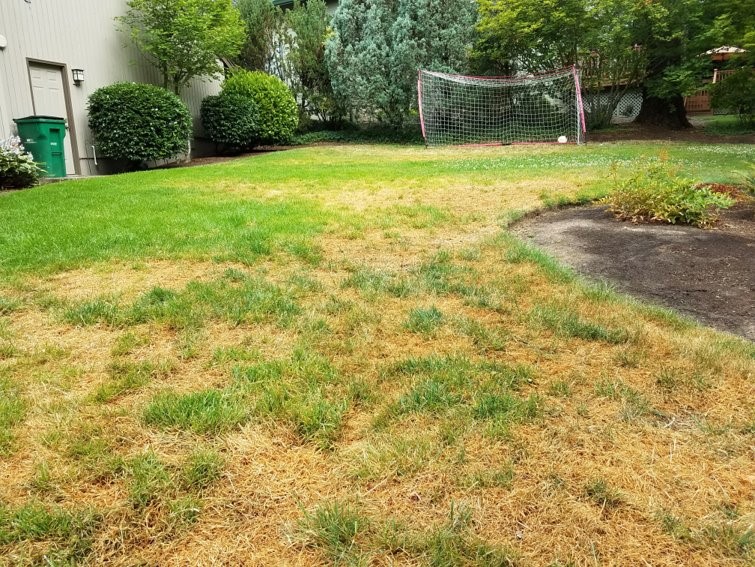
Image Source: www.landscapeeast.com
Fathoming the Reasons Behind Lawn Brown Spots
Lawns are living ecosystems, and like any living thing, they can experience issues. When you see brown spots, it’s a signal that something is amiss. Let’s dive into the most common reasons your grass might be turning brown.
The Shadow of Fungal Diseases
Fungal diseases are a frequent offender when it comes to lawn discoloration. These microscopic organisms thrive in specific environmental conditions, often during warm, humid weather or when the grass is stressed. Different types of lawn diseases can manifest as brown spots, rings, or patches.
Brown Patch
Brown patch is one of the most common fungal diseases affecting lawns. It typically appears as circular or irregular patches of brown, straw-colored grass that can grow rapidly, sometimes up to several feet in diameter.
-
Symptoms:
- Circular patches of brown, wilted grass.
- A distinct dark brown or purplish border around the edge of the patch.
- During humid mornings, a smoky or cobweb-like fungal growth might be visible.
- The center of the patch may sometimes recover, creating a “frog-eye” effect.
-
Causes and Conditions Favoring Brown Patch:
- High Humidity: Prolonged periods of high humidity create ideal conditions for the fungus to spread.
- Excessive Nitrogen: Over-fertilizing, especially with fast-release nitrogen, can make grass more susceptible.
- Mowing Practices: Mowing when the grass is wet can spread the disease.
- Poor Air Circulation: Shady areas or areas with dense vegetation can trap moisture.
- Watering Habits: Watering late in the day can leave grass blades wet overnight.
-
Fixes for Brown Patch:
- Improve Air Circulation: Prune nearby trees and shrubs to allow more sunlight and air to reach the lawn.
- Adjust Watering: Water deeply but infrequently, and always in the morning so grass blades can dry before nightfall.
- Reduce Thatch: A thick layer of thatch can hold moisture and provide a breeding ground for fungi. Dethatch your lawn if the thatch layer is more than half an inch thick.
- Fertilize Wisely: Use a slow-release nitrogen fertilizer and avoid over-fertilizing.
- Fungicides: For severe or persistent outbreaks, apply a fungicide labeled for brown patch control. Follow product instructions carefully.
Dollar Spot
Another common fungal disease, dollar spot, is named for the small, straw-colored spots it creates, roughly the size of a silver dollar. These spots can merge to form larger, irregular dead areas.
-
Symptoms:
- Small, distinct, bleached-straw colored spots.
- In the early morning, you might see a cobweb-like growth on the affected grass blades.
- Often, there’s a distinct sunken appearance to the patch.
- The spots may have a pinkish-brown border.
-
Causes and Conditions Favoring Dollar Spot:
- Nitrogen Deficiency: Lawns lacking sufficient nitrogen are more susceptible.
- Drought Stress: Periods of dry weather weaken grass.
- Dew and Humidity: Favorable conditions include prolonged leaf wetness.
- Mowing Too Low: Cutting grass too short stresses it.
-
Fixes for Dollar Spot:
- Proper Fertilization: Ensure your lawn receives adequate nitrogen, especially during its active growing seasons.
- Adequate Watering: Water deeply during dry spells to prevent drought stress.
- Mowing Height: Maintain the recommended mowing height for your grass type.
- Dethatching: Remove excess thatch, which can harbor the disease.
- Fungicides: If the problem persists, use a fungicide effective against dollar spot.
Other Fungal Diseases
Several other fungal diseases can cause brown spots, including:
- Red Thread: Characterized by pinkish-red threads or filaments on the grass blades, often appearing in cooler, wet weather.
- Rust Fungi: Causes a powdery, orange-to-reddish-brown coating on grass blades, usually in dry, warm conditions or when the lawn is low in nitrogen.
- Leaf Spot: Leads to small, dark spots on individual grass blades, which can expand and cause the blade to turn yellow and then brown.
The general approach to managing most fungal diseases involves improving lawn health through proper watering, fertilization, mowing, and dethatching.
When Pests Take a Bite: Insect Infestations
Insects can also be a major cause of brown patches. Their feeding habits can damage grass roots or blades, leading to discoloration and death.
Grubs
Grubs are the C-shaped, white larvae of various beetles. They live in the soil and feed on grass roots, which is essential for the grass to absorb water and nutrients.
-
Symptoms of Grub Infestation:
- Irregularly shaped brown patches that may feel spongy.
- The sod can often be lifted easily like a carpet, as the roots have been eaten away.
- Increased activity of animals like birds, moles, and skunks, which feed on grubs.
- The grass may look wilted and turn brown, especially during dry periods.
-
Causes and Conditions Favoring Grubs:
- Adult beetles lay eggs in healthy lawns, often during summer months.
- Lawns that are kept too wet during peak egg-laying periods can attract more adult beetles.
-
Fixes for Grub Infestations:
- Beneficial Nematodes: These microscopic worms can be applied to the soil to parasitize grubs.
- Milky Spore: A natural bacteria that targets Japanese beetle grubs.
- Insecticides: Use grub control products specifically labeled for the type of grub you have. It’s important to apply them at the right time of year, usually when the grubs are young and feeding near the surface, typically late summer to early fall.
- Proper Watering: While healthy lawns are more resilient, overwatering can sometimes encourage beetle egg-laying.
Chinch Bugs
Chinch bugs are small, black insects with white markings that feed on grass, particularly in sunny, hot areas. They suck the sap from grass blades, injecting a toxin that causes the grass to turn brown and die.
-
Symptoms of Chinch Bug Infestation:
- Irregular brown patches, often in sunny areas, that expand outward.
- The grass may appear drought-stressed, even when watered.
- A yellowish or bronze discoloration may appear before the grass turns brown.
- The patches often start near sidewalks or driveways where the soil heats up.
-
Causes and Conditions Favoring Chinch Bugs:
- Warm, Dry Weather: They thrive in hot, dry conditions.
- Thatch Buildup: They often hide and reproduce in thick thatch layers.
- Low Mowing Heights: Stressed grass is more vulnerable.
-
Fixes for Chinch Bug Infestations:
- Watering Practices: Avoid excessive thatch buildup and ensure consistent watering, as they prefer dry conditions.
- Dethatching: Removing thatch can disrupt their habitat.
- Insecticides: Apply a lawn insecticide specifically labeled for chinch bugs. Ensure thorough coverage, especially along the edges of the brown patches.
Other Insect Pests
- Sod Webworms: Moth larvae that feed on grass blades, creating chewed or ragged patches.
- Armyworms: Caterpillars that can defoliate large areas of lawn quickly, appearing as brown, chewed patches.
The Impact of Pet Urine
If you have a dog, dog urine is a very common cause of brown spots on your lawn. Dog urine is high in nitrogen and salts. When concentrated, these elements can “burn” the grass, turning it brown.
-
Symptoms of Dog Urine Spots:
- Small, circular brown spots, often with a ring of dark green, healthy grass around the edge.
- The center is dead grass, while the outer ring is often fertilized by the urine.
-
Causes of Dog Urine Spots:
- Concentrated urine from dogs, particularly those with a higher protein diet.
-
Fixes for Dog Urine Spots:
- Watering: The best immediate fix is to water the spot thoroughly with plain water as soon as you notice your dog has urinated there. This dilutes the urine.
- Encourage Healthy Growth: Once the spot is brown, you may need to reseed or patch the area. Improve soil health with compost to help new grass establish.
- Training: Train your dog to use a designated area of the lawn or a specific “dog patch.”
- Dietary Supplements: Some owners try dietary supplements, but their effectiveness varies, and it’s best to consult with a veterinarian.
The Thirst of Drought Stress
When your lawn doesn’t receive enough water, it experiences drought stress. Grass blades will turn a dull green, then bluish-green, and finally brown and brittle as they go dormant to conserve moisture.
-
Symptoms of Drought Stress:
- Grass turns brown uniformly across the lawn, or in large, spreading patches.
- Footprints remain pressed into the grass long after you’ve walked on it, indicating a lack of moisture in the soil.
- The grass may have a “wilted” appearance.
-
Causes of Drought Stress:
- Lack of rainfall.
- Infrequent or shallow watering.
- Hot, windy weather that dries out the soil quickly.
-
Fixes for Drought Stress:
- Deep, Infrequent Watering: Water your lawn deeply, aiming to moisten the soil 4-6 inches down. This encourages deeper root growth. Aim for about 1 inch of water per week, including rainfall.
- Mowing Height: Keep your mower blades set higher during hot, dry periods. Taller grass shades the soil, reducing evaporation and helping roots stay cooler.
- Mulching Mowing: Leave grass clippings on the lawn after mowing. They act as a natural mulch, retaining moisture.
- Aeration: If your soil is compacted, water won’t penetrate effectively. Aerating can help.
The Squeeze of Soil Compaction
Soil compaction occurs when soil particles are pressed together, reducing pore space. This makes it difficult for water, air, and nutrients to reach grass roots, and also hinders root growth. Compacted soil can lead to weak, stressed grass that is prone to browning.
-
Symptoms of Soil Compaction:
- Uniform browning across the lawn, especially in high-traffic areas.
- Water pooling on the surface of the lawn rather than soaking in.
- Grass that is generally thin and unhealthy.
- Difficulty in digging into the soil.
-
Causes of Soil Compaction:
- Heavy Foot Traffic: Walking or playing on the lawn repeatedly, especially when the soil is wet.
- Using Heavy Machinery: Mowers, tractors, or other equipment can compact soil.
- Poor Soil Structure: Clay soils are naturally more prone to compaction.
-
Fixes for Soil Compaction:
- Core Aeration: This is the most effective method. Aerators pull out small plugs of soil, creating holes that allow air, water, and nutrients to penetrate.
- Reduce Traffic: Minimize foot traffic on the lawn, especially during wet periods.
- Topdressing: Applying a thin layer of compost or topsoil after aeration can help improve soil structure over time.
Diagnosing Your Brown Spots: A Step-by-Step Approach
To effectively fix brown spots, you need to identify the cause. Here’s a systematic way to approach it:
Step 1: Observe the Pattern and Appearance
- Shape and Size: Are the spots circular? Irregular? Small like a coin? Large?
- Location: Are they in sunny areas? Shady spots? High-traffic areas? Near sidewalks?
- Borders: Do the spots have distinct edges? Are they bordered by healthy green grass?
- Overall Lawn Health: Is the entire lawn affected, or just isolated patches?
Step 2: Inspect the Grass Blades and Roots
- Pull on the Grass: In a brown patch, can you easily pull up the grass? If it comes out like a carpet, grubs are a likely suspect.
- Check for Fungal Growth: Look for any cobweb-like threads, powdery coatings, or distinctive colored spots or rings on the grass blades, especially in the morning dew.
- Examine the Soil: Is the soil dry and hard (drought/compaction)? Is there any evidence of insect tunnels?
Step 3: Consider Environmental Factors
- Recent Weather: Has it been hot and dry (drought stress)? Humid (fungal diseases)?
- Watering Habits: Are you watering too much or too little? At the wrong time of day?
- Fertilization: Have you fertilized recently? With what type of fertilizer?
- Pet Activity: Do pets frequent the affected areas?
Step 4: Perform Simple Tests
- The Tug Test for Grubs: Gently pull on the grass in a brown patch. If it lifts easily, you likely have a grub problem. Dig a small square foot of sod and look for white grubs.
- The Soap Flush for Chinch Bugs: Mix a few drops of dish soap with water and pour it over a suspected patch. Chinch bugs will often crawl to the surface to escape the soap, making them easier to spot.
Remedial Actions for a Greener Lawn
Once you’ve identified the cause, you can implement the correct fixes.
Addressing Fungal Diseases
- Cultural Practices: Prioritize proper watering (morning, deep, infrequent), mowing at the correct height, dethatching, and improving air circulation.
- Fungicides: Select a fungicide specifically labeled for the disease you suspect. Read and follow label instructions carefully. Fungicides are often most effective when applied preventatively or at the first signs of disease.
Combating Insect Infestations
- Identification is Key: Knowing whether you have grubs, chinch bugs, or another pest will determine the best treatment.
- Targeted Treatments: Use insecticides or biological controls that are specific to the pest. Timing is crucial for many insect treatments. For example, grub treatments are often most effective in late summer or early fall.
Repairing Pet Damage
- Water Dilution: As mentioned, water the area immediately after your pet urinates.
- Repair and Re-seed: For existing brown spots, remove the dead grass, loosen the soil, and re-seed with a hardy grass blend. You can also use a soil amendment rich in nutrients to help new grass establish faster.
Reviving Drought-Stressed Lawns
- Deep Watering: Ensure your lawn is getting enough water during dry spells.
- Adjust Mowing: Raise your mower height to help the grass retain moisture.
- Improve Soil: Aerating and adding compost can improve the soil’s ability to hold water.
Alleviating Soil Compaction
- Core Aeration: This is the most effective solution. Perform aeration in the spring or fall when grass is actively growing.
- Reduce Foot Traffic: Reroute paths or add stepping stones to prevent concentrated wear.
Prevention: The Best Defense for Your Lawn
The most effective way to deal with brown spots is to prevent them from happening in the first place.
Healthy Lawn Practices
- Proper Watering: Water deeply and infrequently, usually 1 inch of water per week. Water in the morning.
- Correct Mowing: Mow at the recommended height for your grass type. Keep mower blades sharp.
- Adequate Fertilization: Feed your lawn with the right nutrients at the right times. Use slow-release fertilizers to avoid over-fertilization.
- Thatch Management: Dethatch your lawn when the thatch layer exceeds half an inch.
- Aeration: Aerate compacted soils annually or bi-annually.
- Choose the Right Grass: Select grass species and varieties that are well-suited to your climate and soil conditions.
Vigilance and Early Intervention
- Regularly Inspect Your Lawn: Keep an eye out for any early signs of trouble, such as discolored patches or wilting grass.
- Act Quickly: The sooner you identify and address a problem, the easier it will be to fix and the less damage it will cause.
Frequently Asked Questions (FAQ)
Q1: Can I just water the brown spots to fix them?
A1: Watering can help if the brown spots are caused by drought stress. However, if the spots are due to fungal diseases, insect infestation, or dog urine, simply watering may not be enough and could potentially worsen fungal issues by keeping the grass wet. It’s important to diagnose the cause first.
Q2: How do I know if it’s a fungal disease or an insect problem?
A2: Fungal diseases often present with specific patterns like rings or distinct borders, and sometimes visible fungal growth. Insect problems, like grubs, may allow you to lift the turf easily because the roots are gone. Chinch bugs can cause drought-like symptoms in sunny areas. Observing the pattern, checking the roots, and potentially performing simple tests (like the soap flush) are key to differentiation.
Q3: When is the best time to apply fungicide for lawn diseases?
A3: The best time to apply a fungicide is often preventatively, before the disease becomes widespread, or at the very first signs of infection. This typically means during periods of warm, humid weather when fungal diseases are common. Always follow the specific product label instructions for timing and application.
Q4: My dog keeps creating brown spots. What’s the best long-term solution?
A4: While watering the spots immediately after your dog urinates helps dilute the urine, long-term solutions involve managing your dog’s behavior and lawn care. Train your dog to use a designated area, or consider a small “dog patch” with gravel or mulch. Ensuring your lawn is healthy and well-fertilized can also help it recover faster from occasional urine spots.
Q5: Is soil compaction the same as thatch?
A5: No, they are different. Soil compaction is when soil particles are pressed tightly together, reducing pore space for air, water, and roots. Thatch is a layer of dead and living organic matter (stems, roots, leaves) that accumulates on the soil surface. Both can cause lawn problems, but they require different solutions (aeration for compaction, dethatching for excessive thatch).
By carefully observing your lawn, understanding the potential causes, and implementing the right fixes, you can effectively combat those frustrating brown spots and restore your lawn to its healthy, green glory.