
Mushrooms appearing in your lawn can be a common, albeit sometimes concerning, occurrence. But why do mushrooms grow in my lawn? Mushrooms are the fruiting bodies of fungi, and their presence typically indicates a healthy, albeit sometimes complex, underground fungal network that is breaking down organic matter in your soil. While generally harmless to the grass itself, their appearance can be unsightly, and some can be poisonous.
This comprehensive guide will delve into the various reasons behind lawn mushrooms, explore the contributing soil conditions, discuss the underlying mushroom causes, and provide practical solutions to manage and prevent them, ultimately promoting better lawn health. We’ll also touch upon mushroom identification, discuss the notorious fairy rings, and explain the role of decaying organic matter and humid environments in fostering their growth.
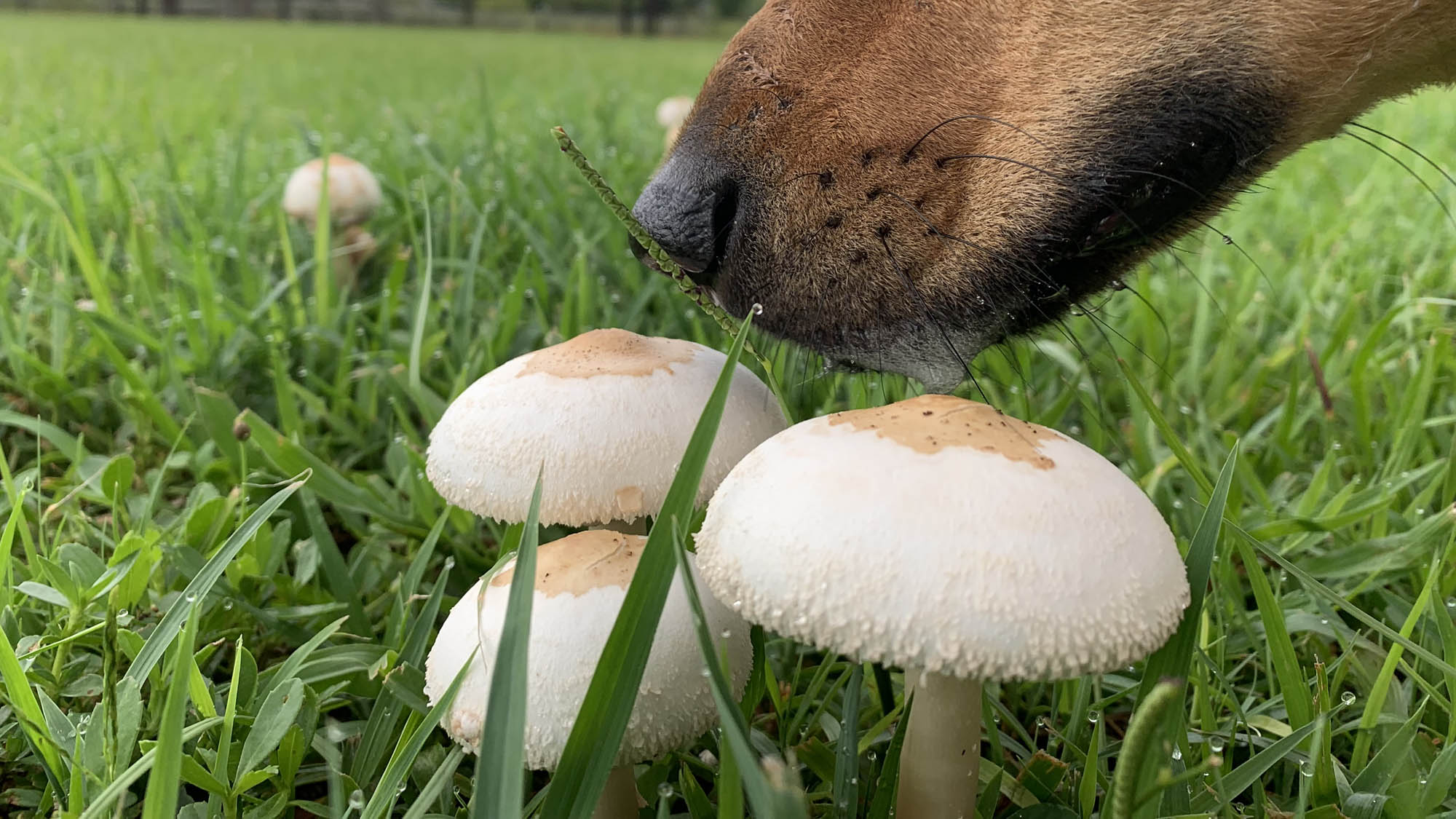
Image Source: homegrown.extension.ncsu.edu
Deciphering the Roots of Lawn Mushrooms
The sudden appearance of mushrooms in your lawn is not an act of magic; it’s a natural biological process. Fungi are everywhere, living within your soil, often unseen and playing a crucial role in decomposition. The mushrooms you see are simply the visible reproductive parts of these larger fungal organisms, known as mycelium, that exist beneath the surface.
Several factors contribute to the proliferation of these fascinating organisms:
The Crucial Role of Soil Conditions
Your lawn’s soil is the primary environment where fungal activity thrives. Specific soil conditions can create an ideal habitat for lawn mushrooms.
Moisture Levels: A Double-Edged Sword
Fungi, like most living things, require moisture to survive and reproduce. Excessive moisture, especially after periods of rain or over-irrigation, can trigger mushroom growth. However, even in drier conditions, as long as there’s adequate moisture beneath the surface and a food source, mushrooms can emerge.
- Over-watering: Regularly saturating the soil creates damp conditions conducive to fungal blooms.
- Poor Drainage: If your lawn doesn’t drain well, water can accumulate, keeping the soil consistently moist.
- Rainfall: Natural rainfall, especially prolonged wet spells, provides the necessary hydration for fungi.
Nutrient Richness and Organic Matter
Fungi are nature’s recyclers. They break down decaying organic matter present in the soil. The richer your soil is in this organic material, the more food there is for fungi, and consequently, the more likely you are to see mushrooms.
- Thatch Buildup: A thick layer of thatch (dead grass clippings, roots, and stems) on your lawn acts as a sponge, retaining moisture and providing a food source for fungi.
- Buried Organic Material: Leaves, branches, pet waste, or even buried construction debris can decompose over time, fueling fungal growth.
- Compost and Fertilizers: While beneficial for lawn health, over-application of organic fertilizers or compost can also introduce excess organic material that fungi can utilize.
Soil Compaction
Compacted soil restricts air and water movement, which can create localized pockets of moisture and an environment where certain fungi can flourish. Heavily trafficked areas or lawns with a history of heavy machinery use are more prone to compaction.
Soil pH
While most lawn grasses prefer a slightly acidic to neutral pH, some fungi can thrive in a wider range of soil pH levels. If your soil is particularly acidic, this could favor certain types of fungal growth.
Environmental Triggers for Mushroom Emergence
Beyond soil conditions, external environmental factors play a significant role in when and why mushrooms appear.
Humid Environments and Temperature
Mushrooms are most commonly observed in humid environments when temperatures are moderate. These conditions are typically found in spring and fall, following periods of rain.
- High Humidity: Moist air combined with moist soil creates the perfect recipe for fungal fruiting.
- Moderate Temperatures: Extreme heat or cold can inhibit mushroom growth. The ideal range is generally between 50°F and 80°F (10°C and 27°C).
Shade and Reduced Airflow
Areas of your lawn that receive less direct sunlight and have reduced airflow tend to stay cooler and moister for longer periods, making them more susceptible to mushroom growth. Shady spots under trees or dense shrubs are prime locations.
The Underlying Mushroom Causes: A Deeper Look
To truly address mushroom causes, we need to look at what’s happening beneath the surface.
The Mycelial Network
The vast, intricate network of fungal threads known as mycelium exists underground. It’s this network that feeds on organic matter. When conditions are right, the mycelium sends up the familiar mushroom shapes to release spores and propagate. The presence of mushrooms is a sign that this underground network is active and healthy.
Decaying Organic Matter as a Food Source
As mentioned, decaying organic matter is the primary food source for most lawn fungi. This can include:
- Dead grass roots and crowns
- Decomposing leaves and twigs
- Animal waste (dog, cat, or wildlife droppings)
- Buried wood or roots from previous trees or shrubs
- Dead insects and their larvae
The more abundant and accessible this organic material is, the more robust the fungal population will be.
Specific Fungal Species and Their Preferences
Different types of fungi have different preferences. Some thrive in dry, sandy soils, while others prefer dense, moist clay. Some are associated with specific tree species, breaking down their root systems.
- Common Lawn Mushrooms: Many common lawn mushrooms are saprophytic, meaning they feed on dead organic material.
- Parasitic Fungi: A smaller number can be parasitic, feeding on living grass roots, but these are less common as the primary cause of widespread mushroom sightings.
Identifying the Culprits: Mushroom Identification
While it’s not always necessary to identify the exact species of mushroom in your lawn, some basic mushroom identification can be helpful in assessing potential risks.
Are All Lawn Mushrooms Dangerous?
No, not all lawn mushrooms are dangerous. Many are harmless and play a vital role in soil health by decomposing organic matter. However, it’s crucial to be aware that some mushrooms are toxic, and it’s best to err on the side of caution, especially if you have pets or children who might ingest them.
Key things to consider for identification (for educational purposes only – consult an expert for definitive identification):
- Cap Shape and Color: Is it bell-shaped, flat, or conical? What is its color?
- Gills or Pores: Are there gills underneath the cap? What color are they? Do they run down the stem? Or are there pores instead?
- Stem (Stipe): Does it have a stem? Is there a ring on the stem (annulus)? Is there a volva (cup-like structure) at the base?
- Spore Print: The color of the spores can be a critical identification factor. (This requires collecting a mature mushroom).
- Habitat: Where exactly is it growing? In clusters, singly, or in rings?
Important Note: Accurate mushroom identification is complex and often requires microscopic examination of spores. Never consume a wild mushroom unless you are absolutely certain of its identification by a qualified expert. For lawn management purposes, focusing on the environmental causes is more practical than attempting amateur identification of every mushroom.
The Mystery of Fairy Rings
One of the most visually striking manifestations of fungal growth in lawns is the fairy ring. These are circular or arc-shaped patterns of darker green grass, faster-growing grass, or mushrooms themselves.
What Causes Fairy Rings?
Fairy rings are caused by the outward growth of a subterranean fungal mycelium. As the mycelium expands, it consumes the organic matter in the soil.
- Nutrient Depletion: In the center of the ring, nutrients may become depleted, leading to less vigorous grass growth.
- Nitrogen Release: As the fungi break down organic matter, they release nitrogen. This can cause the grass within the ring (or just beyond its edge) to grow more vigorously and appear darker green.
- Water Repellency: In some cases, the dense mycelium can create a water-repellent layer in the soil, leading to drought stress in the affected area, even if the rest of the lawn is adequately watered.
Managing Fairy Rings
Managing fairy rings often involves a combination of practices aimed at improving overall lawn health and managing the underlying fungal activity.
- Aeration: This helps break up the compacted mycelium and improve air and water penetration.
- Topdressing: Adding a thin layer of compost or good quality topsoil can help dilute the concentration of fungi and introduce beneficial microbes.
- Watering: Consistent and appropriate watering can help mitigate the drought stress caused by water-repellent soil.
- Fertilization: A balanced fertilizer program can help the surrounding grass outcompete the fungi and mask the visual effects of the ring.
- Thatch Removal: Reducing thatch buildup removes a primary food source for the fungi.
- Fungicides: In severe cases, specific fungicides can be used, but these are often a last resort and may only provide temporary relief, as they don’t eliminate the underground mycelium.
Solutions for Mushroom Menace
While mushrooms are a natural part of a healthy ecosystem, most homeowners prefer a mushroom-free lawn. The goal is to manage the conditions that promote their growth.
Cultural Practices for Prevention and Control
The most effective long-term strategy involves adjusting your lawn care practices to make your lawn less hospitable to lawn mushrooms.
1. Manage Organic Matter and Thatch
This is arguably the most crucial step in controlling mushroom causes.
- Regular Dethatching: Use a power rake or dethatcher in the spring or fall to remove accumulated thatch. Aim to keep thatch layers below 1/2 inch.
- Remove Debris: Rake up fallen leaves, twigs, and other organic debris promptly.
- Compost Wisely: If you use compost, ensure it is fully composted and avoid over-applying it.
- Clean Up Pet Waste: Remove pet droppings immediately, as they are a rich food source for fungi.
- Address Buried Debris: If you know there’s buried wood or debris, consider excavating it if feasible.
2. Optimize Watering Practices
Avoid over-watering, which creates humid environments conducive to fungal growth.
- Water Deeply and Infrequently: Encourage deeper root growth by watering thoroughly only when the grass shows signs of stress (e.g., wilting, footprints remaining on the lawn).
- Water in the Morning: This allows the grass blades to dry off during the day, reducing surface moisture.
- Check Soil Moisture: Use a soil moisture meter or simply dig a small hole to check how moist the soil is before watering.
3. Improve Soil Aeration and Drainage
Good aeration helps reduce soil compaction and improves airflow.
- Core Aeration: Periodically aerate your lawn, especially if it’s heavily used or has clay soil. This pulls out small plugs of soil, allowing air, water, and nutrients to reach the root zone.
- Topdressing After Aeration: After aerating, you can spread a thin layer of compost or sandy loam. This helps fill the aeration holes and further improves soil structure.
- Address Drainage Issues: If you have persistent standing water, consider installing drainage systems or amending the soil with organic matter to improve its permeability.
4. Adjust Mowing Height
Mowing too low can stress the grass and expose the soil surface to more sunlight and drying, which can paradoxically encourage certain fungi.
- Mow Higher: Set your mower to the higher end of the recommended range for your grass type. This helps the grass blades shade the soil, keeping it cooler and retaining moisture.
5. Sunlight and Airflow
While you can’t always control shade, improving airflow can help.
- Prune Trees and Shrubs: Trim back overhanging branches of trees and shrubs to allow more sunlight and air circulation to reach your lawn.
- Avoid Over-seeding: Too much seed can lead to a dense, shade-prone turf.
Chemical Controls (Use with Caution)
Chemical solutions are generally a last resort and should be used cautiously, as they can impact beneficial soil organisms and the environment.
-
Fungicides: Specific fungicides are available for lawn use. These target fungal growth. However, they are often most effective against parasitic fungi and may only suppress saprophytic fungi temporarily. It’s essential to identify the specific problem before applying a fungicide.
- Types of Fungicides: Common active ingredients include myclobutanil, propiconazole, and thiophanate-methyl.
- Application: Follow label instructions meticulously. Proper timing and application are crucial for effectiveness.
- Limitations: Fungicides typically don’t eliminate the underlying mushroom causes (like decaying organic matter). Once the conditions are right again, mushrooms may reappear. They are often best used for aesthetic purposes or to manage specific disease issues.
-
Fertilizers: While not a direct fungicide, a well-fertilized and healthy lawn can sometimes outcompete fungi. However, over-fertilizing with organic matter can have the opposite effect.
Frequently Asked Questions (FAQ)
Q1: Are the mushrooms in my lawn poisonous?
A1: Many lawn mushrooms are harmless, but some are toxic. It is never advisable to taste or consume any wild mushroom unless positively identified by an expert. If you have pets or small children, it’s best to remove any mushrooms you find as a precautionary measure.
Q2: Can I just pick the mushrooms to get rid of them?
A2: Picking mushrooms will temporarily remove the visible fruiting bodies, but it won’t eliminate the underground mycelial network that causes them. They will likely regrow when conditions are favorable again. However, removing them can prevent spore dispersal and is a good immediate solution if aesthetics are a concern.
Q3: Will mushrooms damage my grass?
A3: Most common lawn mushrooms are saprophytic, meaning they feed on dead organic matter and do not directly harm healthy grass. In fact, their presence often indicates a healthy soil ecosystem. However, some types of fungi can cause lawn diseases or fairy rings that affect grass health indirectly.
Q4: How do I know if I have a thatch problem?
A4: To check for thatch, insert a trowel or knife into the lawn. If you can see a spongy layer of brown material between the green grass and the soil surface, you have thatch. If this layer is more than half an inch thick, it’s time to dethatch.
Q5: What are toadstools?
A5: The term “toadstool” is often used interchangeably with “mushroom,” particularly for those that are inedible or poisonous. Scientifically, there’s no strict distinction, but colloquially, a toadstool usually refers to a mushroom that is not safe to eat.
Q6: How can I prevent mushrooms from growing back?
A6: Prevention focuses on managing the conditions that encourage fungal growth. This includes reducing decaying organic matter, proper watering techniques, improving soil aeration, and maintaining overall lawn health.
By implementing these strategies, you can significantly reduce the likelihood of mushrooms appearing in your lawn and create a healthier, more aesthetically pleasing turf. Remember, a few mushrooms are a sign of a living soil, but an abundance can indicate an imbalance that needs addressing.