
Mushrooms in your yard can be a puzzling sight. So, why does my yard have mushrooms? Mushrooms are the fruiting bodies of fungi that live in the soil. Their appearance is a natural part of the ecosystem.
Are mushrooms in my yard harmful? Most lawn mushrooms are harmless to people and pets, but some can be poisonous if ingested. It’s always best to err on the side of caution and prevent your pets or children from eating them.
Can I get rid of yard fungus? Yes, you can manage and reduce the occurrence of lawn mushrooms by addressing the underlying soil conditions and moisture levels.
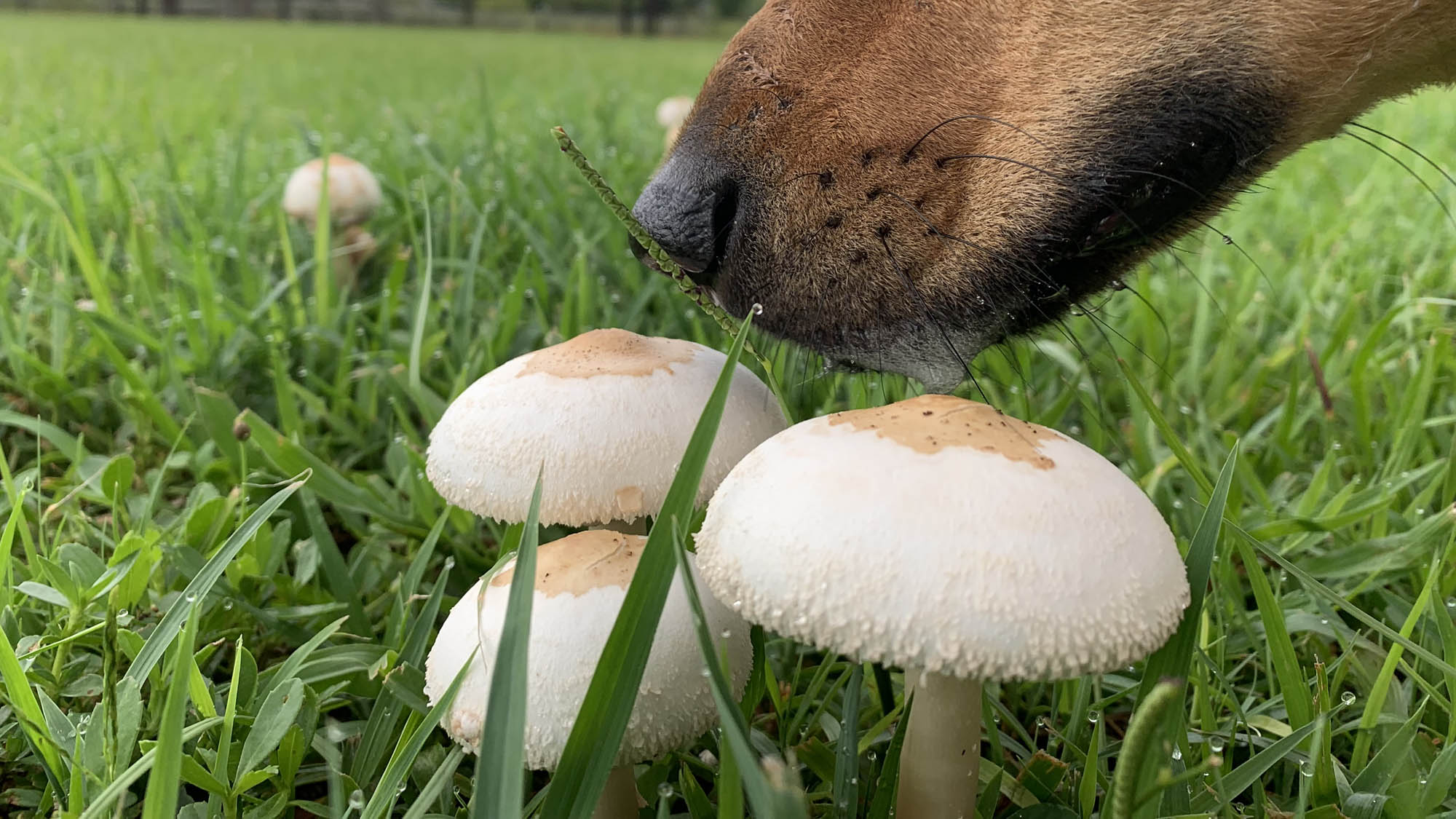
Image Source: homegrown.extension.ncsu.edu
Deciphering the Presence of Mushrooms
Seeing mushrooms pop up in your lawn can be concerning, but it’s important to remember they are a natural part of the soil’s life. These fungi play a vital role in breaking down organic matter, which is essential for a healthy garden. The appearance of these yard fungus growths is often an indicator of certain soil conditions and moisture levels.
Common Mushroom Causes in Your Yard
Several factors contribute to the appearance of mushrooms. Understanding these mushroom causes is the first step to managing them.
Moisture Levels: The Primary Driver
Mushrooms thrive in moist environments. If your yard retains a lot of water, it creates an ideal breeding ground for fungi. This can be due to:
- Heavy Rainfall: Extended periods of rain saturate the soil.
- Overwatering: Frequent or excessive watering can lead to consistently wet soil.
- Poor Drainage: Areas where water pools or drains slowly are prime spots for fungal growth.
- Shady Areas: Shaded parts of the yard receive less sunlight, which means the soil dries out more slowly.
Organic Matter: A Fungal Buffet
Fungi are decomposers. They feed on decaying organic material present in the soil. Common sources include:
- Thatch Buildup: A thick layer of dead grass and organic debris on your lawn.
- Decomposing Roots: Old tree stumps, buried roots, or dead plants.
- Animal Waste: Feces from pets or wildlife.
- Mulch: Especially in garden beds, decomposing mulch can support mushroom growth.
Soil Type and Aeration
The type of soil in your yard can also influence mushroom presence. Heavy clay soils tend to retain more moisture, which can encourage fungal growth. Compacted soil also hinders drainage and aeration, creating favorable conditions for mushrooms.
Environmental Factors
- Temperature: Fungi prefer moderate temperatures. They often appear in spring and fall when conditions are neither too hot nor too cold.
- Shade: As mentioned, shady areas stay wetter for longer, promoting fungal activity.
Lawn Mushrooms: What They Indicate About Your Lawn Health
The presence of lawn mushrooms often signals underlying issues with your lawn health. They are not typically the problem themselves, but rather a symptom of something else.
- Excessive Thatch: A thick thatch layer traps moisture and nutrients, creating a perfect habitat for fungi.
- Compacted Soil: Compacted soil restricts air and water flow, leading to damp areas where mushrooms flourish.
- Nutrient Imbalances: While fungi help break down organic matter, an imbalance in soil nutrients can sometimes favor their growth.
- Inconsistent Watering: Both under-watering and over-watering can stress your lawn, making it more susceptible to fungal issues.
Mushroom Identification: Knowing What You’re Dealing With
While many lawn mushrooms are harmless, some can be toxic. Correct mushroom identification is crucial, especially if you have pets or children who might interact with them.
Identifying Common Lawn Mushrooms
Here are a few types of mushrooms you might find in your yard:
| Mushroom Type | Appearance | Notes |
|---|---|---|
| Fairy Rings | Rings of mushrooms or darker green grass appearing in a circular pattern. The mushrooms themselves can vary greatly in appearance. | Caused by certain types of fungi that grow outwards from a central point. The rings can indicate compacted soil or a layer of thatch. |
| Ink Caps | Small, delicate mushrooms that start as cylindrical or conical caps and then dissolve into an inky black liquid as they mature. | Often found in lawns with plenty of decaying organic matter, like grass clippings or thatch. They are generally harmless but can look quite striking as they decompose. |
| Field Mushrooms | Similar to cultivated mushrooms, with white to brown caps and gills underneath. | Common in grassy areas. They are often edible, but again, positive identification is essential before considering consumption. |
| Puffballs | Spherical or pear-shaped mushrooms that release spores from a central opening when disturbed. | Small puffballs are common. Larger ones can indicate rich soil. Young, firm puffballs are generally safe, but their spores can sometimes cause respiratory issues if inhaled in large quantities. |
| Coprinus | A genus of mushrooms that include the “inky caps.” They often have bell-shaped caps and a tendency to liquefy. | Typically found in well-manured soil or areas with abundant organic matter. They are not generally considered dangerous but are an indicator of specific soil conditions. |
| Truffles | These are subterranean fungi, meaning they grow underground. | While not visible as “mushrooms” above ground, their presence indicates a healthy, diverse soil ecosystem. Some varieties are highly prized for their culinary uses. |
The Danger of Poisonous Mushrooms
It’s vital to be aware that some mushrooms are poisonous and can cause severe illness or even death if ingested.
Key Warning Signs of Potentially Poisonous Mushrooms:
- Brightly colored caps: While not all brightly colored mushrooms are toxic, it’s a red flag.
- White gills: Many poisonous mushrooms have white gills.
- Presence of a volva (cup-like structure) at the base of the stem: This is a characteristic of some of the most dangerous mushrooms, like the Death Cap.
- A ring on the stem: Also found on some toxic species.
- A rubbery or brittle texture.
If you suspect a mushroom in your yard is poisonous, do NOT touch it. Keep children and pets away.
For accurate mushroom identification, consider using a reliable field guide, consulting with a local mycological society, or using reputable online resources with clear photos and descriptions. However, when in doubt, assume it’s poisonous and remove it.
Mushroom Remedies: Strategies for Control
The good news is that controlling yard fungus and reducing the appearance of mushrooms is achievable. The goal is not necessarily to eradicate all fungi, as they are beneficial to the soil, but to manage their unsightly and potentially hazardous manifestations.
Addressing Moisture Issues: The Foundation of Control
Since excess moisture is a primary cause of mushrooms, managing water is key.
- Improve Drainage:
- Aeration: Core aeration of your lawn helps to break up compacted soil, improving water penetration and air circulation. This is especially beneficial for clay soils.
- Dethatching: Removing excess thatch prevents it from holding onto moisture and provides a less hospitable environment for fungi.
- Amend Soil: If you have heavy clay soil, incorporating organic matter like compost can improve its structure and drainage over time.
- Adjust Watering Practices:
- Water deeply but infrequently, allowing the soil surface to dry out between waterings.
- Water in the morning so that any excess moisture can evaporate during the day.
- Check soil moisture levels before watering. Stick your finger about two inches into the soil; if it feels moist, you likely don’t need to water.
- Sunlight: Trim overhanging branches or shrubs that cast excessive shade on your lawn, allowing more sunlight to reach the soil and aid in drying.
Managing Organic Matter
Reducing the food source for fungi is another effective mushroom remedy.
- Remove Dead Organic Material: Rake up fallen leaves, grass clippings (mulch them thinly if possible), and other debris promptly.
- Address Tree Stumps: Remove old tree stumps, as they are a rich food source for fungi and can harbor extensive mycelial networks.
- Clean Up Pet Waste: Regularly clean up after pets to remove potential nutrient sources for fungi.
Cultural Practices for Mushroom Control
These are proactive steps you can take to foster a healthier lawn that is less prone to mushroom outbreaks.
- Proper Mowing: Mow your lawn at the recommended height for your grass type. Taller grass shades the soil, keeping it cooler and moister, which can encourage mushrooms.
- Balanced Fertilization: Ensure your lawn is receiving the right nutrients. A healthy, vigorous lawn is better able to outcompete fungal growth. Avoid over-fertilizing, which can sometimes lead to excessive thatch.
- Improve Air Circulation: Prune dense shrubs or trees near the lawn to allow for better air movement.
Physical Removal of Mushrooms
While not a long-term solution for the underlying problem, physically removing visible mushrooms can be done.
- Hand-Pulling: Simply pull the mushrooms out of the ground. Ensure you get the entire mushroom, including the stem and any visible mycelium.
- Bagging and Disposal: Place the removed mushrooms in a plastic bag and dispose of them in the trash to prevent spore dispersal.
- Avoid Burning: Burning mushrooms is generally ineffective and can be dangerous.
Important Note: Do not use chemicals to directly kill mushrooms unless absolutely necessary and you are certain of the product’s safety for your lawn, pets, and the environment. Focus on addressing the root causes.
When to Seek Professional Help
If you’ve tried several mushroom remedies and are still struggling with persistent fungal growth, or if you suspect you have poisonous mushrooms, it might be time to consult a professional.
- Lawn Care Specialists: A reputable lawn care company can assess your soil conditions, identify specific issues like poor drainage or excessive thatch, and recommend tailored solutions.
- Arborists: If tree stumps or decaying trees are a contributing factor, an arborist can advise on their safe removal.
- Master Gardeners or Horticulturalists: These experts can offer advice on soil health, drainage, and general lawn care practices specific to your region.
Frequently Asked Questions (FAQ)
Q1: Are all mushrooms in my yard poisonous?
A1: No, most lawn mushrooms are not poisonous. However, some species are, and it can be difficult for a layperson to distinguish between them. It’s always safest to assume any wild mushroom you are unsure of is potentially toxic and keep pets and children away from them.
Q2: How do I get rid of fairy rings?
A2: Fairy rings are caused by fungi. The best approach is to improve lawn health and soil conditions. Core aeration, dethatching, and proper watering are key. In severe cases, specific soil amendments or fungicidal treatments might be considered, but it’s often best to manage them through cultural practices.
Q3: Will removing the mushrooms stop them from growing back?
A3: Simply removing the visible mushrooms will not prevent them from returning. Mushrooms are just the fruiting bodies of a larger underground organism (mycelium). To prevent regrowth, you must address the underlying causes, such as excess moisture, poor drainage, and organic matter buildup.
Q4: Can I eat mushrooms from my yard?
A4: It is strongly advised against eating any wild mushrooms from your yard unless you are an expert mycologist and have positively identified the species as edible and safe. The risk of misidentification and poisoning is too high.
Q5: My dog ate a mushroom from the yard. What should I do?
A5: If your dog has ingested a mushroom from your yard, contact your veterinarian or an animal poison control center immediately. Try to get a sample of the mushroom (if safely possible) or a clear photo for identification. Do not try to induce vomiting unless instructed by a professional.
Q6: What are the best soil conditions for preventing mushrooms?
A6: Healthy, well-aerated soil with good drainage and moderate moisture levels is ideal for a healthy lawn and less conducive to excessive fungal growth. This means avoiding overly compacted or constantly damp areas.
By diligently addressing the mushroom causes and implementing appropriate mushroom remedies, you can enjoy a healthier, more aesthetically pleasing lawn, free from unwanted yard fungus.