
Finding mushrooms on your lawn can be a puzzling sight. Are they a sign of a healthy lawn, a problem, or just a natural occurrence? Mushrooms on your lawn are generally a sign of decomposition happening in the soil, often due to organic matter breaking down, and while not directly harmful to your grass, they can indicate underlying issues. Many people wonder why these fungi pop up and what they can do about them. This comprehensive guide will help you decipher the reasons behind mushroom growth on grass and provide effective ways to manage them.
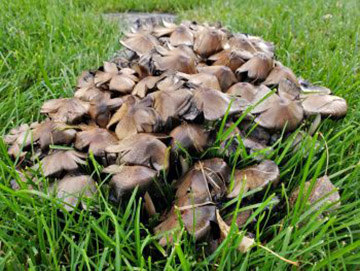
Image Source: organolawn.com
Deciphering Mushroom Growth on Grass
Mushrooms are the fruiting bodies of fungi that live underground as a network of threads called mycelium. When conditions are right, the mycelium produces mushrooms to release spores and reproduce. So, when you see mushrooms, it means there’s a living, active fungal network beneath your turf.
Identifying Lawn Mushrooms
Before you can address the issue, it’s helpful to know what you’re dealing with. There are many types of common lawn fungi that produce mushrooms. Most are harmless to your grass, but a few can be associated with diseases.
Common Lawn Mushroom Types:
- Fairy Rings: These are circles or arcs of darker green grass, often with mushrooms growing along the outer edge. They are caused by specific types of fungi that grow outwards from a central point.
- Inky Caps: These mushrooms are typically tall and slender, with caps that liquefy into an inky fluid as they mature. They often appear in clusters.
- Puffballs: These are round or oval mushrooms that release a cloud of powdery spores when disturbed.
- Coprinus: Similar to inky caps, these mushrooms also have a tendency to dissolve into an inky substance.
- Agaricus: These are common field mushrooms, often white or tan, and can sometimes be mistaken for edible varieties.
Important Note: While many lawn mushrooms are harmless, some can be poisonous. It is crucial not to consume any mushrooms found on your lawn unless you are an expert identifier.
Causes of Lawn Mushrooms: What’s Going On Underneath?
Several factors contribute to the presence of mushrooms in your lawn. Most of these relate to the health of your soil and the moisture levels.
1. Decomposition of Organic Matter
The most common reason for mushroom growth on grass is the presence of decaying organic material in the soil. Fungi are nature’s recyclers, and they thrive on breaking down dead plant matter.
- Thatch Layer Mushrooms: A thick thatch layer mushrooms can form a perfect breeding ground. Thatch is a layer of dead and living stems, roots, and debris that accumulates on the soil surface between your grass blades. When thatch becomes too dense, it traps moisture and provides food for fungi.
- Buried Organic Material: Sometimes, homeowners bury branches, leaves, or other organic debris during landscaping. Fungi will colonize this material, and mushrooms will appear above ground as the decomposition process continues.
- Animal Waste: Droppings from pets or wildlife can also serve as a food source for fungi.
2. Moist Lawn Conditions
Fungi, including those that cause mushroom growth on grass, absolutely love moisture.
- Excessive Watering: Overwatering your lawn can create consistently damp soil, which is ideal for fungal development.
- Poor Drainage: Lawns with poor drainage tend to stay wet for extended periods, encouraging fungal activity.
- Shady Areas: Shady spots on your lawn receive less sunlight, meaning the soil dries out more slowly. This can lead to persistent moisture, perfect for mushroom growth.
- High Humidity and Rainfall: Periods of high humidity and frequent rainfall provide the ideal environmental conditions for fungi to flourish.
3. Soil Compaction
Compact soil restricts air and water movement. While this might seem counterintuitive for a moist environment, it can create pockets of anaerobic conditions where certain fungi thrive. It also hinders the healthy growth of grass, making the lawn more susceptible to fungal colonization.
4. Aeration Issues
Related to compaction, a lack of proper soil aeration means less oxygen is available for grass roots and beneficial soil organisms. This can upset the natural balance, allowing opportunistic fungi to take over.
5. Mycelium Presence
Mushrooms are just the tip of the iceberg. The extensive network of mycelium exists in the soil. If this network is established, it will produce mushrooms whenever conditions are favorable, even if you don’t see obvious signs of organic matter. The mushroom spores in soil are ubiquitous, waiting for the right conditions to germinate.
Addressing Mushroom Problems on Your Lawn
While most mushrooms are harmless, their presence can be unsightly, and they might indicate underlying lawn health issues. Here’s how to approach mushroom control for lawns.
Removing Mushrooms from Lawn
The most direct approach is simply to remove the mushrooms themselves.
- Manual Removal: Gently pull the mushrooms by hand or use a spade to dig them out. Be sure to get as much of the mushroom base as possible.
- Disposal: Dispose of the removed mushrooms in a plastic bag and seal it tightly before putting it in the trash. This prevents spores from spreading.
- Leaf Blower: For smaller mushrooms, a leaf blower can sometimes be effective in scattering them, though this is less about removal and more about dispersal.
Important Consideration: Removing the mushrooms is a cosmetic fix. It doesn’t address the underlying cause. If the conditions remain favorable, new mushrooms will likely appear.
Tackling the Root Causes
To effectively manage mushroom growth on grass, you need to address the conditions that promote their growth.
Improving Drainage and Reducing Moisture
- Adjust Watering Schedule: Water your lawn deeply but infrequently. Aim for about 1 inch of water per week, applied in one or two sessions. This encourages deeper root growth and allows the surface to dry out between waterings.
- Aeration: Core aeration involves removing small plugs of soil from your lawn. This helps to relieve compaction, improve air and water penetration, and promote healthier grass growth. Aerate at least once a year, or more often if your soil is heavily compacted.
- Dethatching: If you have a thick thatch layer, dethatching is essential. This process removes the accumulated dead organic matter, reducing the food source for fungi. Power rakes or dethatchers can be used.
- Improve Soil Structure: Amend your soil with compost or other organic matter to improve its structure and drainage. This is especially helpful for clay soils that tend to hold too much moisture.
Managing Thatch
- Regular Dethatching: As mentioned, regular dethatching is key. The ideal time to dethatch is during the active growing season for your grass type.
- Mowing Height: Avoid mowing your grass too short. Taller grass has a stronger root system and can help shade the soil, keeping it cooler and retaining moisture better, but excessively long grass can also contribute to thatch. Maintain the recommended mowing height for your specific grass species.
Dealing with Buried Organic Matter
- Excavation: If you know where specific buried organic matter is located, the most effective solution is to excavate it.
- Patience: If excavation isn’t feasible, be patient. Eventually, the organic material will decompose, and the fungal activity will subside.
Fertilization Practices
- Balanced Fertilization: Over-fertilizing, especially with high-nitrogen fertilizers, can lead to rapid grass growth that produces more thatch and can sometimes encourage fungal growth. Use a balanced fertilizer and follow the recommended application rates.
- Slow-Release Fertilizers: Consider using slow-release fertilizers, which provide nutrients gradually and help maintain a more consistent growth rate.
Chemical Mushroom Control for Lawns
Chemical fungicides can be used, but they are generally a last resort and often only provide a temporary solution. They do not address the underlying causes.
- Fungicides: Several broad-spectrum fungicides are available for lawn use. These can help kill the fungi producing the mushrooms. However, they can also harm beneficial soil microorganisms.
- Application: Always follow the product label instructions carefully regarding application rates, timing, and safety precautions.
- Environmental Impact: Be mindful of the potential environmental impact of fungicides.
Recommendation: It’s generally better to focus on cultural practices that promote a healthy lawn and discourage fungal growth rather than relying on chemical treatments.
When to Be Concerned About Lawn Fungi
While most mushrooms are benign, some lawn fungi can cause diseases that affect your grass’s health.
Recognizing Diseased Grass
Symptoms of fungal diseases in your lawn can include:
- Discolored Patches: Yellowing, browning, or reddish-brown patches of grass.
- Matted Down Grass: Areas where the grass appears slimy or matted.
- Ring Spots: Similar to fairy rings, but often with a distinct brown or dead center and a ring of green or discolored grass.
- Mushrooms Associated with Disease: Some disease-causing fungi produce mushrooms, but the primary indicator of a problem is the damage to the grass itself.
Identifying Lawn Mushrooms Associated with Disease
It can be challenging to identify lawn mushrooms without expert knowledge. If you see mushrooms appearing alongside significant grass damage, it’s worth investigating further.
Table: Common Lawn Diseases and Their Potential Mushroom Associations
| Disease Name | Potential Mushroom Appearance | Primary Symptoms in Grass |
|---|---|---|
| Brown Patch | None directly associated with common visible mushrooms. | Circular patches of brown, straw-like grass; may have a dark border. |
| Dollar Spot | None directly associated with common visible mushrooms. | Small, bleached-out spots (silver dollar size); may form a straw-like mat. |
| Fairy Rings | Rings of mushrooms, often white or tan, at the edge of the ring. | Rings of dark green, fast-growing grass, followed by dead, brown grass. |
| Summer Patch | None directly associated with common visible mushrooms. | Irregular patches of yellowing and thinning grass; may have concentric rings. |
| Powdery Mildew | None directly associated with common visible mushrooms. | White, powdery growth on grass blades; often in shady, humid areas. |
Note: This table is a general guide. Accurate diagnosis often requires professional assessment.
Professional Help
If you are concerned about widespread disease or cannot identify the cause of your mushroom problem, consult a local lawn care professional or a university extension office. They can help identify the specific fungi and recommend appropriate treatments.
FAQ: Your Mushroom Questions Answered
Here are some common questions people have about mushrooms on their lawns:
- Are lawn mushrooms dangerous to my pets?
Yes, some types of mushrooms are poisonous to pets. If you have pets, it’s best to remove any mushrooms from your lawn promptly to prevent accidental ingestion. - Can I eat mushrooms from my lawn?
It is strongly advised not to eat any mushrooms found on your lawn. Many common lawn mushrooms are poisonous and can cause severe illness or even death. Only consume mushrooms if identified by an expert and known to be safe. - Do mushrooms mean my lawn is healthy?
Mushrooms themselves can be a sign of a healthy soil ecosystem because they indicate active decomposition. However, their presence can also point to underlying issues like poor drainage or excessive thatch, which can negatively impact your grass health. - How quickly do mushrooms grow?
Mushrooms can appear very quickly, sometimes overnight, after a period of rain or increased humidity. The speed of their growth depends on the specific fungal species and environmental conditions. - Will mushrooms harm my grass?
Directly, most mushrooms do not harm your grass. They are the reproductive structures of fungi that are feeding on decaying organic matter. However, the conditions that promote mushroom growth (like excessive moisture or thatch) can indirectly stress your grass and make it more susceptible to diseases. - How do I prevent mushrooms from growing back?
Prevention involves maintaining a healthy lawn with good cultural practices: proper watering, adequate aeration, regular dethatching, and balanced fertilization. Addressing these factors will make your lawn less hospitable to the fungi that produce mushrooms. - Is there a specific time of year for mushrooms?
Mushrooms are most common in the fall and spring when temperatures are mild and there is ample moisture. However, they can appear at any time of year if conditions are favorable. - What is a fairy ring?
A fairy ring is a circular pattern of mushrooms that appears in the lawn. It’s caused by the outward growth of underground fungal mycelium. The ring can manifest as darker green, faster-growing grass, or as a dead, brown patch.
Conclusion
Discovering mushrooms on your lawn is a common occurrence and often a signal from your soil. By grasping the fundamental causes – primarily decomposition and moisture – you can take proactive steps to manage them. Implementing good lawn care practices, such as proper watering, aeration, and dethatching, will not only help deter unsightly mushroom growth but also contribute to a healthier, more resilient lawn overall. Remember, a healthy lawn is the best defense against many fungal problems.