
Mushrooms are growing in my yard because they are a natural part of the ecosystem, indicating a healthy soil environment rich in decaying organic matter and often a good balance of moisture. While they might seem like an unexpected visitor, their presence is usually a sign that your lawn is thriving beneath the surface.
Let’s dive deeper into why these fascinating fungi pop up and what it means for your lawn health.
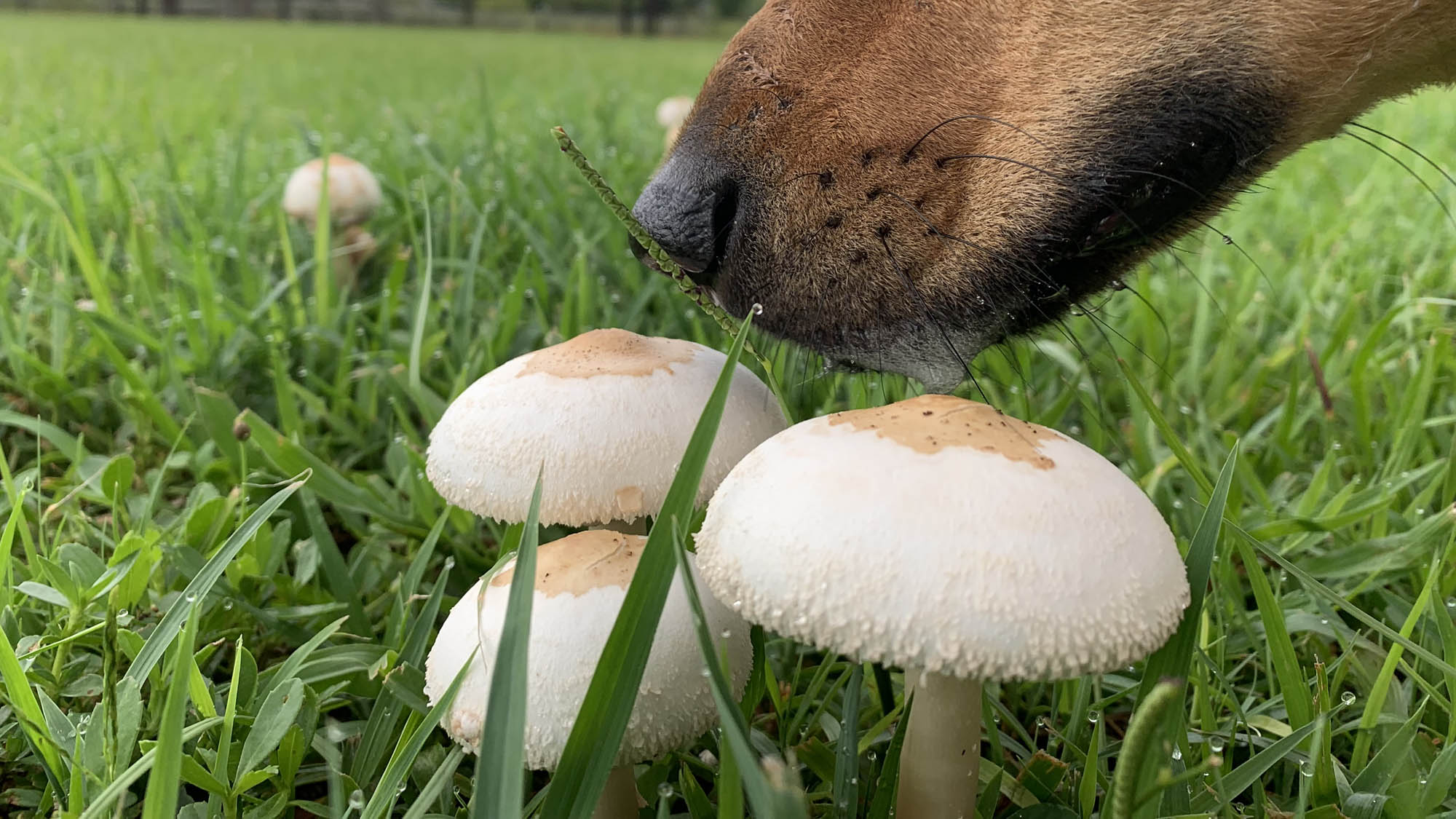
Image Source: homegrown.extension.ncsu.edu
The Natural Cycle of Mushrooms
Mushrooms are the fruiting bodies of a much larger organism – the mycelium network. Think of the mycelium as the “roots” of the fungus, spreading unseen beneath the soil. This network plays a crucial role in breaking down organic material, recycling nutrients, and returning them to the soil for your grass to use. When conditions are just right – typically after rain and with sufficient food sources – the mycelium sends up mushrooms as a way to reproduce.
What Causes Mushrooms to Appear in Your Yard?
Several factors contribute to the appearance of mushrooms in your lawn. Understanding these causes of mushrooms yard is the first step in managing them if you choose to.
1. Decaying Organic Matter: The Mushroom Buffet
The primary driver for mushroom growth is the presence of decaying organic matter. Your lawn is a living ecosystem, and as grass clippings, fallen leaves, dead roots, and even buried wood decompose, they provide a rich food source for fungi.
- Mulch Rings: Areas around trees or shrubs where mulch is applied can become prime mushroom-growing spots if the mulch is allowed to break down.
- Buried Debris: Old construction materials, animal waste, or forgotten garden waste buried in the soil can also fuel fungal growth.
- Thatch Buildup: A thick layer of thatch (dead grass stems and roots) on your lawn can also serve as a food source for certain types of fungi.
2. Soil Moisture: The Essential Ingredient
Fungi, like most living things, need water to thrive. Adequate soil moisture is crucial for mushroom development.
- Recent Rainfall: A good soaking rain often triggers mushroom growth.
- Overwatering: If your lawn is receiving too much water, it can create an overly moist environment conducive to fungal activity.
- Poor Drainage: Areas in your yard that retain water for extended periods can also encourage mushrooms.
3. Soil Type and Health
While not always a direct cause, certain soil conditions can favor fungal growth:
- Rich, Humus-Filled Soil: Soils with a high organic content are naturally more hospitable to fungi.
- Compacted Soil: Paradoxically, compacted soil can sometimes lead to localized moisture retention and reduced aeration, which some fungi can exploit.
- Aeration: While a healthy mycelium network is beneficial, overly dense or compacted soil can hinder beneficial microbial activity, allowing other fungi to dominate.
4. Environmental Factors
- Shady Areas: Many mushrooms prefer shaded, damp conditions. Areas under trees or on the north side of buildings are common spots.
- Temperature: Fungi have specific temperature ranges for growth. Warm, humid weather often follows periods of rain, creating ideal conditions.
Is Mushroom Growth a Sign of a Problem?
Generally, the appearance of mushrooms is not a direct indicator of a diseased lawn. In fact, they are often a sign of a healthy, living soil ecosystem. The fungus in lawn that produces mushrooms is usually a decomposer, breaking down organic material and making nutrients available.
However, there are nuances to consider:
- Mycelium Network Health: A robust mycelium network is a good thing. It means your soil is active and healthy. The mushrooms are just the visible part of this extensive underground system.
- Lawn Health: If mushrooms appear alongside yellowing grass, bare patches, or signs of disease, it might indicate a deeper issue. For instance, “fairy rings” – circles of mushrooms – can sometimes be associated with certain lawn diseases, though not always. A healthy lawn is often more resilient to diseases that might be signaled by fungal growth.
- Safety Concerns: The primary concern with mushrooms in your yard isn’t usually the impact on your grass, but rather their potential toxicity to pets and children.
Identifying Mushrooms in Your Yard
Mushroom identification is a fascinating, but often complex, field. If you’re curious about the specific types of mushrooms growing, it’s important to exercise caution. Many species are harmless decomposers, but some can be poisonous if ingested.
Common Types of Yard Mushrooms
- Meadow Mushrooms (Agaricus campestris): Often found in grassy areas.
- Ink Caps (Coprinus species): These mushrooms often turn into a black, inky liquid as they mature.
- Shaggy Mane (Coprinus comatus): A distinctive type of ink cap with shaggy scales.
- Puffballs (Lycoperdon species): Round mushrooms that release spores when disturbed.
Important Note: Never assume a mushroom is safe to eat based on its appearance in your yard. If you’re interested in identification for consumption, consult with a local mycologist or join a reputable mushroom hunting group. For general lawn management, identifying the specific species is often less critical than addressing the underlying conditions that promote their growth.
How to Approach Mushroom Identification
- Observation: Note the shape, color, size, gill structure (if present), and texture of the mushroom.
- Location: Where in your yard did it appear? Was it near a tree, in a sunny spot, or a damp corner?
- Spore Print: This is a more advanced technique, involving placing the cap on paper to collect spores.
- Field Guides and Apps: Use reputable mushroom identification guides or apps, but remember they are tools, not definitive answers, especially for edibility.
Table: Common Mushroom Characteristics to Note for Identification
| Characteristic | Details to Observe |
|---|---|
| Cap Shape | Conical, bell-shaped, flat, convex, funnel-shaped, etc. |
| Cap Color | White, brown, red, yellow, gray, etc. |
| Cap Surface | Smooth, scaly, sticky, dry, fibrous |
| Gills (Underside) | Attached to stem (adnate, decurrent), free, or none; color and spacing |
| Stem (Stipe) | Color, texture (smooth, fibrous), presence of a ring (annulus) or volva (cup at base) |
| Odor | Earthy, pleasant, unpleasant, phenolic, anise-like |
| Spore Color | White, pink, brown, black, olive (requires spore print) |
| Growth Habit | Solitary, clustered, in rings |
Mushroom Removal Lawn: When and How
While mushrooms are often benign, some homeowners prefer to remove them for aesthetic reasons or out of concern for pets and children. Mushroom removal lawn is generally straightforward, but it’s important to know that removing the visible mushroom won’t eliminate the underlying mycelium network.
Methods for Mushroom Removal:
- Manual Removal: The simplest method is to pick the mushrooms by hand. You can use a trowel or shovel to gently dig them out, ensuring you get as much of the base as possible.
- Pros: Quick, easy, no chemicals involved.
- Cons: The mycelium remains in the soil, so mushrooms will likely return.
- Bagging and Disposal: After removal, place mushrooms in a plastic bag, seal it tightly, and dispose of them in the trash. This prevents spores from spreading.
- Watering: Some suggest watering the area heavily can help break down the mushrooms and the mycelium, though this is not a guaranteed solution.
- Aeration: Improving soil aeration can help reduce overly moist conditions that fungi love. Core aeration can be beneficial.
- Reducing Thatch: If excessive thatch is a contributing factor, dethatching your lawn can help.
What NOT to Do When Removing Mushrooms:
- Don’t eat them: As stated before, never assume yard mushrooms are safe to eat.
- Avoid stepping on them: This can release a significant number of spores, potentially increasing future growth.
- Don’t rely on chemical fungicides for general yard mushrooms: While fungicides are available, they are typically not necessary for most lawn mushrooms and can harm beneficial soil organisms. They are more appropriate for treating specific lawn diseases.
Addressing the Root Causes for Long-Term Solutions
To prevent recurring mushroom growth, you need to address the underlying conditions that promote their development. This is about improving your overall lawn health.
1. Managing Organic Matter:
- Clean Up Debris: Regularly rake leaves and remove grass clippings to reduce the amount of decaying organic material.
- Thatch Management: Dethatch your lawn annually or as needed if thatch buildup exceeds half an inch.
- Mulch Management: Keep mulch a few inches away from tree trunks and the base of shrubs to prevent excessive moisture retention and direct contact with the lawn.
2. Optimizing Soil Moisture:
- Proper Watering: Water your lawn deeply and infrequently. Aim for about 1 inch of water per week, applied in one or two sessions. This encourages deeper root growth and reduces surface moisture that favors fungi.
- Improve Drainage: If certain areas of your yard consistently stay waterlogged, consider improving drainage. This might involve amending the soil with compost or, in severe cases, installing a drainage system.
- Avoid Overwatering: Check your sprinkler system to ensure it’s not overwatering any sections of your lawn.
3. Enhancing Soil Aeration and Health:
- Core Aeration: Aerate your lawn annually, especially if you have compacted soil. This allows air, water, and nutrients to penetrate the soil more easily, promoting healthier grass and beneficial soil microbes.
- Topdressing: After aeration, consider topdressing with a thin layer of compost. This adds organic matter in a way that beneficial microbes can utilize, improving soil structure and health.
- Healthy Grass: A dense, healthy lawn is more competitive against fungi and other potential problems. Proper fertilization, mowing, and watering contribute to overall lawn health.
4. Sunlight and Airflow:
- Prune Trees and Shrubs: If shady areas are a major issue, consider pruning trees and shrubs to allow more sunlight and airflow to reach the lawn.
When Mushrooms Indicate a Lawn Disease
While most yard mushrooms are harmless, certain types and patterns can signal underlying lawn diseases.
Fairy Rings
Fairy rings are circular patterns of darker green grass, dead grass, or mushrooms. They are caused by the mycelium network of certain fungi spreading outwards in a circle.
- Healthy Fairy Rings: Often show up as a ring of darker green grass, indicating increased nutrient availability due to decomposition. Mushrooms may appear on the outer edge of the ring.
- Disease-Related Fairy Rings: Can be characterized by a band of dead or dying grass. These are more concerning and may require specific treatments.
Fathoming Fairy Rings:
- Identify the Type: If mushrooms are present, try to identify them. If they are common lawn mushrooms and the ring is just a bit greener, it’s likely just a healthy soil activity.
- Assess Grass Health: If the ring is accompanied by brown or dead grass, it’s a stronger indicator of a disease.
- Treatment: For healthy rings, focus on improving overall lawn health through proper watering, aeration, and dethatching. For disease-related rings, a fungicide might be necessary, but it’s best to get a diagnosis from a local extension office or a certified lawn care professional.
FAQ: Common Questions About Yard Mushrooms
Q1: Are mushrooms in my yard dangerous to my pets or children?
A1: Yes, some mushrooms are poisonous. It’s safest to assume any mushroom growing in your yard could be toxic and to prevent pets and children from eating them. Remove mushrooms promptly if you have concerns.
Q2: Will removing the mushrooms stop them from growing back?
A2: Removing the visible mushroom will not stop regrowth. The mycelium network is still present in the soil. To reduce future growth, you need to address the underlying cause of mushrooms yard, such as excess moisture or decaying organic matter.
Q3: Do mushrooms harm my grass?
A3: Generally, no. The fungus in lawn that produces mushrooms is often beneficial, breaking down organic matter. However, in rare cases, certain fungi that cause mushrooms might also be associated with lawn diseases, particularly if the grass itself is showing signs of distress like browning or wilting.
Q4: What is the best way to get rid of mushrooms in my lawn?
A4: The most effective long-term approach is to improve your lawn health by managing soil moisture, reducing decaying organic matter, and improving soil aeration. For immediate removal, simply pick them and dispose of them in a sealed bag.
Q5: I see a ring of mushrooms. What does that mean?
A5: This is often called a fairy ring. It’s caused by the outward growth of the mycelium network. If the ring is just a slightly darker green, it’s usually a sign of healthy soil activity. If it’s accompanied by dead or dying grass, it might indicate a lawn disease, and further investigation is recommended.
Q6: Can I use chemicals to kill mushrooms in my yard?
A6: While fungicides exist, they are generally not recommended for typical lawn mushrooms as they can harm beneficial soil microorganisms and don’t address the root cause. Focusing on lawn health and environmental factors is a more sustainable approach.
Q7: My yard is always damp. How can I fix this?
A7: Improving soil moisture management is key. Water deeply and infrequently, ensure good drainage, and consider core aeration to improve soil structure and allow for better water penetration and evaporation.
Q8: What is a mycelium network?
A8: The mycelium network is the vegetative part of a fungus, consisting of a mass of branching, thread-like hyphae. It’s the “hidden” part of the fungus that lives within the soil and breaks down organic matter. Mushrooms are simply the reproductive structures of this network.
In conclusion, the appearance of mushrooms in your yard is a natural phenomenon, often a sign of a robust ecosystem. By focusing on good lawn health practices, you can manage their presence and ensure a beautiful, healthy lawn.