
Mushrooms sprout in lawns primarily due to the presence of fungal growth triggered by specific environmental conditions, most notably abundant organic matter and consistent soil moisture. Can I prevent mushrooms from growing in my lawn? Yes, by managing these underlying factors. Who is responsible for mushroom growth? It’s not a person, but rather a natural biological process driven by fungi that are already present in your soil.
Lawn mushrooms, often appearing after rain or periods of high humidity, are a common and sometimes perplexing sight for homeowners. While they might seem alarming, these fruiting bodies are merely the visible manifestation of a much larger fungal network existing beneath the surface of your grass. Understanding the reasons behind their appearance is the first step toward managing them effectively and maintaining a healthy lawn.
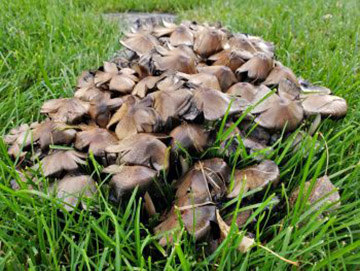
Image Source: organolawn.com
The Hidden World: Fungal Networks in Your Soil
Before we delve into the “why,” it’s crucial to grasp the fundamental nature of what you’re seeing. The mushrooms themselves are temporary reproductive structures, akin to an apple on a tree. The true organism is the mycelium, a vast, intricate web of thread-like hyphae that spreads throughout the soil. This mycelium is the workhorse, constantly breaking down organic material, which is its primary food source.
Fungi: Nature’s Decomposers
Fungi are essential components of healthy ecosystems. In your lawn, they play a vital role as decomposers. They consume dead plant material, such as fallen leaves, grass clippings, and roots, returning valuable nutrients to the soil. This process is fundamental to nutrient cycling and overall soil health. Without fungi, our planet would be buried under dead organic matter.
The Mycelial Connection
The mycelium can extend for significant distances underground, often far larger than the visible mushrooms suggest. When conditions are favorable, these networks will produce mushrooms to release spores, ensuring the continuation of their species. It’s this hidden network that we need to consider when addressing the appearance of lawn mushrooms.
Key Factors Driving Mushroom Growth
Several interconnected factors contribute to the proliferation of mushrooms in your lawn. Addressing these elements is central to any lawn care strategy aimed at minimizing fungal growth.
1. Abundant Organic Matter: The Fungi’s Buffet
Mushrooms thrive on food, and in the context of your lawn, that food is organic matter. This can come in various forms:
- Dead Grass Clippings: If you bag your grass clippings or if they don’t decompose quickly, they accumulate and provide a feast for fungi.
- Fallen Leaves: Autumn leaves left on the lawn are a prime source of organic material.
- Dead Roots and Plant Debris: As grass plants die off naturally or due to stress, their roots and old stems decompose, feeding the fungal colonies.
- Decaying Wood: This is a significant contributor, especially if there are buried tree stumps, old logs, or even wooden stakes from landscaping projects. Fungi are exceptionally good at breaking down lignins and cellulose found in wood. This can be a long-term food source for specific types of fungi, leading to persistent mushroom patches.
Table 1: Common Sources of Organic Matter in Lawns
| Source of Organic Matter | How it Contributes to Mushrooms | Management Strategy |
|---|---|---|
| Grass Clippings | Un-decomposed clippings create a food source near the surface. | Mulch mow clippings; rake up excess if thick. |
| Fallen Leaves | Create a dense layer, holding moisture and providing a rich food base. | Rake or mulch leaves regularly. |
| Dead Plant Material (Roots) | Continually adds to the underground organic content of the soil. | Proper watering and aeration to promote healthy root systems and decomposition. |
| Buried or Exposed Wood | Provides a concentrated and long-lasting food source for wood-decaying fungi. | Remove visible wood debris; identify and address buried stumps if feasible. |
| Thatch Buildup | An excessive layer of dead and living organic material between the grass and the soil surface. | Dethatch the lawn annually or as needed. |
2. Ideal Soil Moisture: The Fungi’s Thirst Quencher
Fungi require moisture to grow and reproduce. A consistently damp environment is crucial for their mycelial development and the subsequent emergence of mushrooms.
- Rainfall: Prolonged periods of rain or heavy downpours saturate the soil, providing the necessary moisture.
- Overwatering: Excessive watering, especially if the soil doesn’t drain well, creates perpetually wet conditions that encourage fungal activity.
- Poor Drainage: Lawns in areas with compacted soil or low spots that retain water are more susceptible. This stagnant soil moisture is ideal for many types of fungi.
3. Soil Aeration and Drainage: Allowing the Soil to Breathe
Compacted soil is a common culprit for poor drainage and increased moisture retention, creating an environment conducive to fungal growth.
- Compaction: Heavy foot traffic, the use of heavy machinery, or simply the natural settling of soil can lead to compaction. This restricts air and water movement, keeping the soil overly wet.
- Poor Drainage: If water pools on your lawn after rain, it indicates a drainage problem. This stagnant water keeps the soil saturated for extended periods.
Implementing aeration is a key lawn care practice to combat compaction. Core aeration involves removing small plugs of soil, allowing air, water, and nutrients to penetrate deeper. Improving drainage can involve several strategies, from aeration to grading the lawn to ensure water flows away from the property.
4. Shaded Areas: A Cool, Damp Haven
Mushrooms often appear more frequently in shaded areas of the lawn. Shade reduces evaporation, meaning the soil in these spots tends to stay cooler and moister for longer periods. Many types of fungi prefer these less-sunlit, humid conditions.
5. Thatch Buildup: A Hidden Incubator
Thatch buildup refers to the layer of dead and living organic material (grass blades, stems, roots) that accumulates on the soil surface, between the blades of grass. While a thin layer of thatch is beneficial, a thick layer (over half an inch) can become a problem.
- Moisture Retention: Thatch acts like a sponge, holding onto moisture long after the surrounding soil has dried.
- Food Source: It provides a ready supply of organic matter for fungi to decompose.
- Reduced Airflow: A dense thatch layer can impede air circulation to the soil, further contributing to damp conditions.
6. Fertilizer Imbalance: A Delicate Ecosystem
While not a direct food source for mushrooms, a fertilizer imbalance can indirectly contribute to their growth by affecting the overall health of your lawn.
- Over-fertilization: Applying too much nitrogen can lead to rapid, weak grass growth that is more susceptible to disease and stress. It can also contribute to excessive thatch buildup if the grass grows too fast for decomposition processes.
- Improper Nutrient Balance: Lawns lacking essential nutrients might have weaker root systems, making them more vulnerable to environmental stressors that fungi can exploit.
Common Types of Lawn Mushrooms and Their Causes
Different fungi cause different types of mushrooms. Here are a few common types you might encounter:
Fairy Rings
- Appearance: Circular or semicircular patterns of darker green, faster-growing grass, or even a ring of mushrooms.
- Cause: Caused by specific fungi that grow outwards from a central point in the soil. The mycelium decomposes organic matter as it spreads, creating a zone of nutrient depletion or excess that affects grass growth. The mushrooms appear at the edge of this expanding fungal colony. Decaying wood beneath the surface is often a primary food source for the fungi that create fairy rings.
Inky Caps
- Appearance: Tall, slender mushrooms that, as they mature, turn into a black, inky liquid.
- Cause: These often appear in lawns with rich soil and ample moisture, particularly after heavy rains. They are saprophytic fungi, meaning they feed on dead organic matter.
Puffballs
- Appearance: Spherical or pear-shaped mushrooms. When mature and disturbed, they release a cloud of powdery spores.
- Cause: Puffballs are typically found in lawns with healthy soil rich in organic matter. They are saprophytic and thrive in moist conditions.
Bird’s Nest Fungi
- Appearance: Small, cup-shaped structures resembling tiny bird nests, often containing small, egg-like structures (peridioles).
- Cause: These are common in lawns with mulch or decaying wood chips, where moisture is retained. They are saprophytic and break down woody material.
Managing Lawn Mushrooms: Strategies for a Healthier Lawn
Dealing with mushrooms isn’t about eradicating fungi entirely – that’s neither possible nor desirable, as fungi are vital for soil health. Instead, the goal is to create a less favorable environment for their visible fruiting bodies.
1. Improve Drainage and Aeration
This is perhaps the most crucial step in long-term mushroom management.
- Core Aeration: Regularly aerate your lawn, especially if you have compacted soil. This should be done at least once a year, ideally in the fall or spring.
- Dethatching: Remove thick thatch layers to improve airflow and water penetration. This can be done with a dethatching rake or a power dethatcher.
- Address Low Spots: If certain areas of your lawn consistently hold water, consider amending the soil, adding a light layer of compost, or even regrading to improve water runoff.
2. Manage Organic Matter
Reducing the food supply for fungi is key.
- Mulch Mowing: Leave grass clippings on the lawn to decompose naturally. Ensure your mower blades are sharp so they cut finely, allowing for quick decomposition.
- Rake Leaves Promptly: Don’t let leaves accumulate, especially thick layers that can smother the grass and hold moisture.
- Remove Debris: Pick up any visible pieces of wood, sticks, or other organic debris from your lawn. If you suspect buried stumps are the culprit, consider their removal if feasible.
3. Adjust Watering Practices
Watering correctly is essential for both grass health and mushroom prevention.
- Water Deeply and Infrequently: Encourage deep root growth by watering for longer periods but less often. This helps the soil dry out more between waterings.
- Water in the Morning: Watering early in the day allows the grass blades and the soil surface to dry off before evening, reducing the time for fungal spores to germinate and grow.
- Avoid Overwatering: Monitor your watering schedule and adjust it based on weather conditions and your lawn’s specific needs.
4. Reduce Shaded Areas (If Possible)
While not always practical, reducing shade can help.
- Prune Trees: Trim lower branches of trees and shrubs that cast dense shade over your lawn.
- Consider Shade-Tolerant Grasses: If large portions of your lawn are heavily shaded, consider overseeding with grass varieties that tolerate shade better.
5. Mechanical Removal
If mushrooms appear, you can simply remove them.
- Hand-Picking: The most straightforward method is to simply pick the mushrooms by hand and dispose of them in the trash or compost bin (though composting is not recommended if you want to avoid encouraging further fungal growth). This prevents them from releasing spores, though it’s a temporary solution as the underlying mycelium remains.
- Raking: Gently raking the lawn can sometimes dislodge and remove small mushrooms.
6. Chemical Treatments (Use with Caution)
Fungicides can be used to treat specific fungal diseases affecting grass, but they are generally not recommended or effective for simply removing the visible mushrooms.
- Targeted Approach: If you have a specific fungal disease causing patches of discolored or unhealthy grass along with mushrooms, consult a professional. A fertilizer imbalance can sometimes exacerbate these issues.
- Broad-Spectrum Fungicides: Using broad-spectrum fungicides indiscriminately can harm beneficial soil microorganisms, including fungi that are crucial for soil health. It’s also a temporary fix for the mushrooms themselves, as the underlying conditions will still encourage growth.
The Role of Lawn Care in Mushroom Prevention
Consistent and proper lawn care is the most effective way to deter mushroom growth. This involves a holistic approach that prioritizes soil health and appropriate environmental conditions for your grass.
Healthy Grass Roots
Strong, deep grass roots are better at absorbing moisture and nutrients, helping to maintain a healthier soil environment. Practices like proper watering, aeration, and avoiding over-fertilization contribute to robust root systems.
Balanced Soil Biology
A lawn with a diverse and healthy population of soil microbes, including beneficial fungi and bacteria, is more resilient. Over-reliance on chemical treatments can disrupt this balance.
Seasonal Lawn Care Schedule
| Season | Key Lawn Care Activities for Mushroom Prevention |
|---|---|
| Spring | Aeration, Dethatching (if needed), proper fertilization (avoiding over-application), selective removal of any winter debris. |
| Summer | Consistent, deep watering (infrequent), mowing at the correct height to shade soil, monitoring for signs of stress or disease. |
| Fall | Leaf removal, final fertilization (if applicable), aeration and dethatching are ideal in fall for cool-season grasses, preparing the lawn for dormancy. |
| Winter | Minimal activity, but avoid heavy traffic on frozen or saturated soil which can cause compaction. |
Frequently Asked Questions (FAQs)
Q1: Are lawn mushrooms dangerous to my pets or children?
While some wild mushrooms are poisonous, the vast majority of lawn mushrooms are not. However, it’s always best to err on the side of caution. If you are unsure of the type of mushroom, prevent pets and children from ingesting them. Promptly remove any mushrooms that appear if you have concerns.
Q2: Can I kill the fungi in my lawn to stop mushrooms?
It’s generally not advisable or practical to try and kill all fungi in your lawn. Fungi are essential for breaking down organic matter and supporting a healthy soil ecosystem. The goal is to manage the conditions that lead to mushroom formation, rather than eradicating the fungi themselves.
Q3: Do mushrooms harm my grass?
Directly, the mushrooms themselves do not harm your grass. However, the underlying fungal activity that causes them, especially in cases like fairy rings, can impact grass health by competing for nutrients or altering soil conditions. The presence of mushrooms often signals underlying issues like poor drainage or excessive organic matter that can negatively affect your lawn.
Q4: Why do mushrooms appear in rings?
Mushrooms that appear in rings, known as fairy rings, are caused by the outward growth of a fungal mycelium. The fungus starts at a single point and spreads radially through the soil, consuming organic matter. As the mycelium expands, it can create zones of nutrient depletion or excess, leading to the distinctive ring pattern in the grass. Decaying wood or other buried organic material often fuels these rings.
Q5: What should I do if I find mushrooms in my lawn?
The best course of action is to identify and address the underlying conditions that are promoting fungal growth. This typically involves improving soil moisture management, reducing organic matter, enhancing drainage, and considering aeration and dethatching. You can also simply remove the visible mushrooms by hand.
Q6: Is a fertilizer imbalance the main cause of mushrooms?
No, a fertilizer imbalance is not the primary cause of mushrooms. However, over-fertilization can contribute to thatch buildup and rapid, weak grass growth, which indirectly creates conditions more favorable for fungal activity. The main drivers are always soil moisture and organic matter.
By implementing these lawn care practices and paying attention to the environmental factors within your yard, you can effectively reduce the occurrence of mushrooms and cultivate a healthier, more vibrant lawn.