
Mushrooms popping up in your yard can be a common, sometimes surprising, sight. So, why do mushrooms grow in my yard? Mushrooms grow in yards primarily because the conditions are right for the fungi to thrive, which includes a food source, moisture, and suitable temperatures.
Mushrooms are the fruiting bodies of fungi, which are living organisms that play a crucial role in ecosystems. These often-mysterious growths appear when the underground network of fungal threads, called mycelium, decides to reproduce. Your yard, whether a manicured lawn or a wilder garden space, likely provides the perfect ingredients for this to happen.
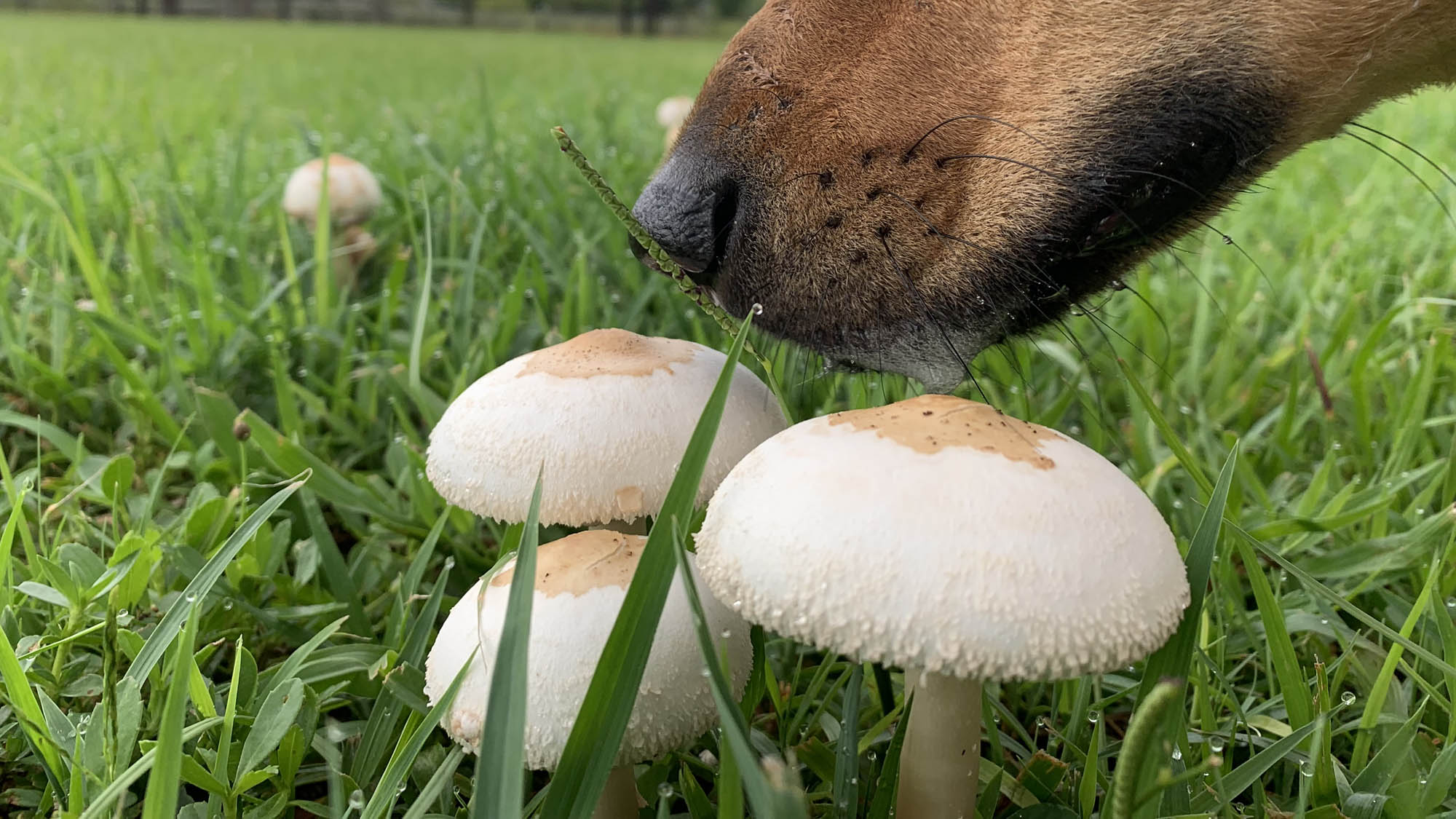
Image Source: homegrown.extension.ncsu.edu
Deciphering the Fungal Presence: What’s Happening?
Seeing mushrooms in your yard isn’t usually a cause for alarm. In fact, it often indicates a healthy, albeit complex, ecosystem at play. The presence of fungi in garden areas or on your lawn mold can be a sign of natural decomposition and nutrient cycling.
The Essential Ingredients for Mushroom Growth
For mushrooms to appear, several key elements must be present in your soil and environment. Think of it like baking a cake – you need the right ingredients in the right proportions for the desired outcome.
- Food Source: Fungi are decomposers. They break down organic matter. This can include dead leaves, grass clippings, decaying wood, and even animal waste.
- Moisture: Fungi need water to grow and reproduce. Consistent moisture, especially after rain or watering, is a major trigger for mushroom fruiting.
- Temperature: While some fungi prefer cooler temperatures (fall and spring), others can fruit in warmer weather. A combination of mild temperatures and moisture is ideal.
- Mycelium: The mushroom you see is just the tip of the iceberg. The main body of the fungus is a vast network of thread-like hyphae, the mycelium, living underground or within decaying organic material. When conditions are favorable, the mycelium produces mushrooms to release spores.
Understanding Mushroom Soil Conditions
The type of soil in your yard significantly impacts whether mushrooms will appear. Fungi thrive in soils rich in organic matter.
Soil Composition and Fungal Activity
- Organic Matter Rich Soil: Yards with a thick layer of decaying leaves, compost, or mulch are prime locations for fungi. This provides a readily available food source.
- Compacted Soil: Compacted soil can sometimes lead to areas where water doesn’t drain well, creating localized moisture pockets that can encourage fungal growth. This is often seen as lawn mold.
- Soil pH: While less critical than moisture and food, some fungi prefer slightly acidic or alkaline conditions. However, most common yard fungi are quite adaptable.
The Role of Dead Wood Decomposition
One of the most common reasons you’ll see mushrooms is the presence of dead wood decomposition. Fungi are nature’s recyclers, and dead trees, fallen branches, or buried roots are their favorite meals.
What Dead Wood Means for Fungi
- Fueling the Mycelium: Decaying wood provides a wealth of nutrients for fungal mycelium to consume and grow.
- Fruiting Structures Emerge: As the wood breaks down, the mycelium will often produce mushrooms directly on or near the decaying material. You might see mushrooms growing out of stumps, logs, or even buried pieces of wood.
Moisture Levels in Your Lawn: A Key Factor
Water is essential for mushroom development. Without adequate moisture, the mycelium cannot produce the fruiting bodies we recognize as mushrooms.
How Water Influences Growth
- Triggering Spore Release: Rain or watering events saturate the soil and any decaying organic matter. This moisture signals the mycelium that it’s time to reproduce.
- Sustaining Growth: Mushrooms themselves are largely composed of water, so a consistent supply is vital for their development.
- Excessive Moisture: While some moisture is good, perpetually waterlogged soil can also create conditions favorable for certain types of fungi, sometimes contributing to the appearance of lawn mold or mushroom blooms.
Shade Garden Fungi: The Influence of Light and Moisture
Areas of your yard that receive less sunlight often retain more moisture and can foster different types of fungal growth.
Why Shade Encourages Mushrooms
- Reduced Evaporation: Shadier spots tend to dry out slower, keeping the soil consistently moist.
- Ideal Microclimates: For some species, the cooler, more humid environment found in shade gardens is perfect for their life cycle.
- Competition: In shady areas, grass might be less vigorous, meaning there’s more decaying organic matter (leaf litter, etc.) for fungi to utilize.
Identifying Yard Mushrooms: What You’re Seeing
Not all mushrooms are the same. Identifying yard mushrooms can be helpful, but it’s crucial to approach this with caution, especially if you have pets or children. Many common yard mushrooms are harmless decomposers, but some can be toxic.
Common Yard Fungi and Their Habits
Let’s look at some of the usual suspects you might find in your lawn or garden.
Table: Common Yard Fungi Examples
| Mushroom Type | Appearance | Typical Habitat | Notes |
|---|---|---|---|
| Meadow Mushroom | White to brown cap, pink to brown gills, often in rings. | Open lawns, fields, pastures. | Edible (if correctly identified). |
| Ink Cap | Slimy, bell-shaped cap that turns into black, inky fluid. | Lawns, compost piles, decaying organic matter. | Non-edible, decomposes rapidly. |
| Coprinellus | Small, clustered mushrooms with delicate caps, often brown. | Dead wood, grass clippings, compost. | Generally harmless decomposers. |
| Shiitake (wild) | Brown, umbrella-shaped cap, often on decaying hardwood. | Wooded areas, near stumps or fallen trees. | Edible and cultivated, but wild identification requires expertise. |
| Bird’s Nest Fungi | Tiny, cup-shaped structures resembling nests, containing ‘eggs’. | Mulch, decaying wood chips, leaf litter. | Interesting, harmless decomposers. |
Important Note: Never consume a wild mushroom unless you are an expert identifier. Misidentification can lead to severe illness or death.
The Mystery of Fairy Rings
One of the most fascinating fungal phenomena in yards is the fairy ring. These are circular or arc-shaped patterns of mushrooms, or sometimes just areas of darker green grass, that appear in lawns.
Fathoming Fairy Rings
- Mycelial Growth: A fairy ring starts from a single spore that germinates and begins to grow outward in all directions, forming a circular mat of mycelium beneath the soil.
- Nutrient Depletion and Enrichment: As the mycelium grows, it consumes nutrients in the soil, which can sometimes kill the grass in the center, creating a dead patch. However, as the mycelium ages and dies back in the center, it releases nutrients, fertilizing the outer edges of the ring, leading to lusher, darker green grass.
- Mushroom Production: The mushrooms you see are typically at the actively growing edge of the mycelial ring. The size of a fairy ring can range from a few inches to many yards across and can be hundreds of years old.
Mushroom Spores Lawn: The Invisible Seed
The reason mushrooms appear year after year, or suddenly in new locations, is due to mushroom spores lawn. These are microscopic reproductive units released by the mature mushrooms.
How Spores Travel and Germinate
- Airborne Dispersal: Wind carries spores everywhere. They are constantly landing on your soil.
- Water and Animals: Rain splash and animals can also help distribute spores.
- Dormancy: Spores can remain dormant in the soil for long periods until conditions are just right for germination. When the soil is moist and there’s available organic matter, the spores can germinate and start forming new mycelium, eventually leading to more mushrooms.
Why Now? Seasonal Triggers for Mushrooms
The appearance of mushrooms in your yard isn’t random. It’s often tied to specific seasonal changes that create the perfect environment.
Spring and Fall: The Peak Mushroom Seasons
These two seasons are typically when you’ll see the most fungal activity.
Spring’s Awakening
- Thawing Soil: As the ground thaws, dormant mycelium becomes active.
- Spring Rains: Abundant rainfall in spring provides the necessary moisture.
- Decomposing Debris: The organic matter from the previous fall (leaves, grass) is now breaking down and available.
Autumn’s Bounty
- Cooling Temperatures: The drop in temperature, especially at night, is a strong signal for many fungal species.
- Fall Rains: Autumn often brings consistent moisture.
- Leaf Litter: A fresh layer of fallen leaves provides a new food source and moisture-retaining cover.
Summer Mushrooms: Hot and Humid
While less common than spring and fall, mushrooms can appear in summer, especially in regions with hot, humid weather.
Summer Bloom Conditions
- Thunderstorms: Intense summer rains can saturate the soil, triggering growth.
- High Humidity: Humid air helps keep the soil surface moist.
- Shady Areas: Mushrooms appearing in summer are often found in shadier, cooler spots within the yard where moisture persists.
Winter Mushrooms: The Cold-Weather Fungi
Even in cooler climates, some fungi are adapted to fruit in late fall or winter.
Winter Activity
- Wood Rotters: Many fungi that decompose wood can continue their work and produce fruiting bodies in mild winter conditions.
- Moisture Retention: Damp soil and accumulated leaf litter can provide enough moisture for some species to appear.
Is It a Problem? When to Worry About Yard Fungi
For most homeowners, mushrooms are a harmless and even beneficial sign of a healthy ecosystem. However, there are times when their presence might indicate a more significant issue.
Potential Concerns with Fungi in Garden Areas
- Toxic Varieties: The primary concern is the presence of poisonous mushrooms. Always keep pets and children away from mushrooms if you’re unsure of their identification.
- Underlying Moisture Issues: A persistent appearance of mushrooms, especially in areas that are consistently waterlogged, could indicate poor drainage that might be damaging to your lawn or plants.
- Disease Indicators: While not all fungi are harmful, certain fungal diseases can affect lawns and plants. However, the mushrooms themselves are usually not the disease; they are a symptom of the decomposition process.
Dealing with Lawn Mold and Fungal Blooms
Sometimes, what looks like lawn mold is actually a mass of tiny mushrooms or fungal growth.
Addressing Fungal Blooms
- Removal: For aesthetic reasons or if you’re concerned about toxicity, you can simply rake up and dispose of the mushrooms. Raking can also help break up the mycelium, potentially reducing future fruiting.
- Improve Drainage: If mushrooms are appearing in an area that stays wet, improving soil drainage might be a good long-term solution. Aeration and adding organic matter can help.
- Reduce Thatch: A thick layer of thatch (dead grass clippings) can hold moisture and provide a food source for fungi. Dethatching your lawn can help.
- Sunlight: Increasing sunlight to shady areas by pruning trees can help dry out the soil and reduce fungal growth.
What About My Pets?
If you have dogs or cats, it’s essential to be aware of the potential for them to ingest mushrooms.
Pet Safety and Mushrooms
- Supervision: Supervise pets when they are in the yard, especially if mushrooms are present.
- Identification: If you suspect your pet has eaten a mushroom, try to identify it (take a picture or collect a sample if possible) and contact your veterinarian or a pet poison control center immediately.
- Removal: Regularly clear out any mushrooms from your yard to minimize the risk.
Encouraging or Discouraging Mushrooms: Your Options
Whether you want to encourage edible varieties or get rid of unwanted ones, there are ways to influence fungal growth.
Cultivating Edible Mushrooms
If you’re interested in edible mushrooms, your approach will be different.
Strategies for Edible Fungi
- Introduce Spores: You can purchase mushroom growing kits or spawn for specific edible varieties like Shiitake or Oyster mushrooms and introduce them to suitable organic matter (e.g., logs, compost).
- Maintain Ideal Conditions: Continue to provide moisture and the right food source for the specific edible mushroom you are trying to cultivate.
Discouraging Unwanted Fungi
For most people, the goal is to prevent mushrooms from appearing unnecessarily.
Methods to Reduce Mushroom Growth
- Remove Organic Debris: Regularly clear away fallen leaves, grass clippings, and other decaying organic matter. This removes their food source.
- Improve Drainage: Address any areas of poor drainage in your yard. Aerating the soil and avoiding overwatering can help.
- Sunlight and Airflow: Prune trees and shrubs to allow more sunlight and airflow to reach the soil surface. This helps dry out the ground.
- Rake and Remove: When mushrooms do appear, rake them up and discard them. This removes the fruiting body and can disrupt the spore release.
- Healthy Lawn Care: A dense, healthy lawn with proper mowing, watering, and fertilization can outcompete fungi for resources and space.
Frequently Asked Questions (FAQ)
Q1: Are mushrooms in my yard dangerous?
A1: Most common yard mushrooms are harmless decomposers. However, some varieties can be toxic to humans and pets. It’s best to err on the side of caution and keep children and pets away from them unless you are certain of their identification.
Q2: How can I get rid of mushrooms in my lawn?
A2: You can rake up and discard the mushrooms. To discourage future growth, improve soil drainage, remove decaying organic matter like leaves and grass clippings, and ensure your lawn gets adequate sunlight and airflow.
Q3: Why do mushrooms grow in rings?
A3: Mushrooms grow in rings, known as fairy rings, due to the outward radial growth of the underground mycelium. As the mycelium grows, it consumes nutrients in the soil, sometimes creating a dead or darker green grass ring where the mushrooms appear at the active edge of growth.
Q4: What does it mean if I see a lot of mushrooms after it rains?
A4: Seeing mushrooms after rain is normal. Rain provides the necessary moisture that triggers the dormant mycelium underground to produce the visible mushrooms as a means of reproduction.
Q5: Can I eat the mushrooms that grow in my yard?
A5: Never eat wild mushrooms unless you are an expert and can positively identify them as safe. Many poisonous mushrooms look similar to edible ones. It’s best to enjoy them visually or cultivate edible varieties specifically.
Q6: What is the difference between mushrooms and lawn mold?
A6: Mushrooms are the reproductive structures of fungi, often visible and distinct. “Lawn mold” is a more general term that can refer to various fungal growths on the lawn, including powdery mildew, dollar spot, or sometimes a dense cluster of small mushrooms. The underlying cause is often moisture and decaying organic matter.
Q7: How do mushroom spores get into my lawn?
A7: Mushroom spores are microscopic and are carried by wind, water, animals, and even attached to shoes or equipment. They are ubiquitous in the environment, and when the conditions are right (moisture, food), they will germinate and grow.
Q8: My yard has a lot of shade. Will this cause more mushrooms?
A8: Yes, shady areas often retain more moisture and have less evaporation, creating a more favorable environment for many types of fungi. The presence of fallen leaves or decaying plant matter in shady spots also provides a food source.
Q9: What are the best mushroom soil conditions?
A9: The best mushroom soil conditions generally involve soil rich in organic matter, adequate moisture (but not waterlogged), and suitable temperatures. The specific ideal conditions can vary depending on the mushroom species.
Q10: Is dead wood decomposition a good or bad thing for my yard?
A10: Dead wood decomposition is a natural and essential process for nutrient cycling in ecosystems. It provides food for fungi, which are vital decomposers. While it might lead to the appearance of mushrooms, it’s generally a sign of a healthy, functioning soil environment. For your lawn’s aesthetic, you might remove large pieces of dead wood, but the underlying fungal activity is beneficial.