
Is your once-vibrant green lawn turning brown and sad? This is a common frustration for many homeowners. Your lawn might be dying due to a variety of issues, including lack of water, too much water, diseases, pests, or poor maintenance.
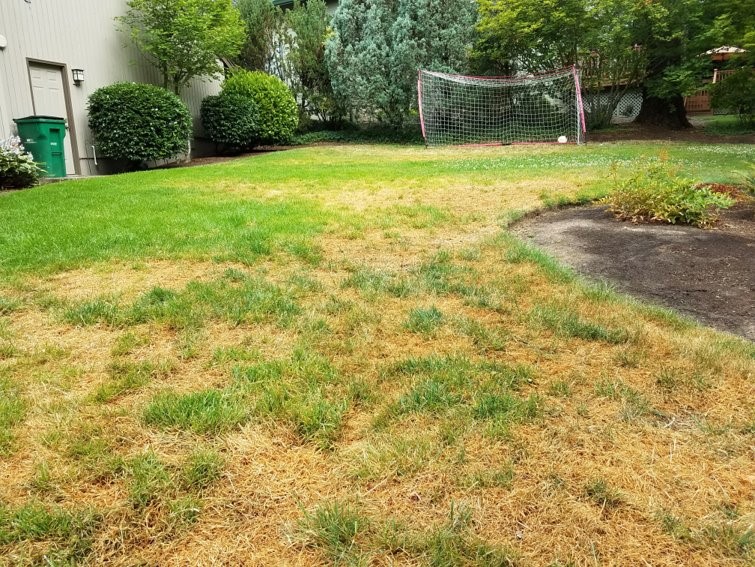
Image Source: www.landscapeeast.com
Deciphering the Reasons for Lawn Decline
A dying lawn can be a disheartening sight, but with a little detective work, you can pinpoint the cause and implement the right solutions. This guide will help you identify the culprits behind your lawn’s distress and offer practical, actionable fixes to restore its health and beauty.
Signs of Drought Stress: The Thirsty Lawn
When the weather gets hot and dry, your lawn can quickly show signs of drought stress. This often manifests as a dull, bluish-green color before turning a light brown. The blades of grass may begin to curl or fold inwards to conserve moisture. Footprints will remain pressed into the grass long after you’ve walked on it, indicating a lack of resilience.
Recognizing Drought Symptoms
- Color Change: From green to bluish-green, then to straw-like brown.
- Wilting: Grass blades appear droopy and limp.
- Footprint Test: Grass doesn’t spring back after being stepped on.
- Curled Blades: Individual grass blades may fold lengthwise.
Grass Wilting Solutions: Bringing Your Lawn Back to Life
If your lawn is showing signs of drought stress, the primary solution is watering.
- Deep and Infrequent Watering: Aim to water deeply, providing about one inch of water per week. This encourages deeper root growth, making your lawn more resilient to dry spells. Water in the early morning to minimize evaporation and prevent fungal diseases.
- Watering Schedule: Water only when the grass needs it. Check the soil moisture by pushing a screwdriver into the ground; if it’s hard to push, it’s time to water.
- Mulching: Leave grass clippings on the lawn after mowing. They act as a natural mulch, retaining moisture in the soil.
Overwatering Lawn Problems: Too Much of a Good Thing
While lack of water can kill a lawn, overwatering lawn problems are just as detrimental. Too much water can suffocate the grass roots by depriving them of oxygen, leading to shallow root systems and increased susceptibility to diseases and pests. Soggy soil also compacts easily, further hindering root development and drainage.
Identifying Overwatering Issues
- Yellowing Grass: One of the first yellowing grass causes can be overwatering, as roots struggle to absorb nutrients.
- Mushy or Soggy Soil: The ground remains wet for extended periods.
- Fungal Growth: Mushrooms or visible signs of mold might appear on the surface.
- Increased Pest Activity: Certain pests thrive in consistently moist conditions.
- Shallow Roots: Grass pulls out easily from the ground, with short, stubby roots.
Fixing Overwatering Mistakes
- Reduce Watering Frequency: Water only when the top inch or two of soil feels dry.
- Improve Drainage: If your soil drains poorly, consider aeration. This process creates small holes in the soil, allowing air, water, and nutrients to reach the roots more effectively. You might also amend the soil with organic matter.
- Adjust Sprinkler Systems: Ensure your sprinklers aren’t set to run too long or too often. Check for leaks and aim for even coverage.
Pest Infestation Symptoms: The Unseen Culprits
Grubs, chinch bugs, sod webworms, and other lawn pests can decimate a healthy lawn quickly. Recognizing pest infestation symptoms is crucial for effective dead grass treatment.
Common Lawn Pests and Their Damage
| Pest | Typical Damage | When to Look |
|---|---|---|
| Grubs | C-shaped white larvae that feed on grass roots, causing brown, dead patches that can be rolled up like carpet. | Late summer and early fall |
| Chinch Bugs | Suck juices from grass blades, causing irregular brown patches that often start in sunny areas. | Mid-summer |
| Sod Webworms | Moth larvae that chew on grass blades, creating thinning patches and visible silk tunnels near the surface. | Spring and late summer |
| Billbugs | Larvae feed on grass crowns and roots, leading to yellowing and wilting patches that turn brown. | Spring and early summer |
Addressing Pest Problems
- Identification: Carefully examine the affected areas. Look for the pests themselves, their eggs, or their damage patterns. A simple soil sample can often reveal grub infestations.
- Natural Predators: Encourage beneficial insects like ladybugs and lacewings that prey on some lawn pests.
- Beneficial Nematodes: These microscopic organisms can be applied to the soil to target grub populations.
- Insecticides: If infestations are severe, consider using appropriate insecticides. Always read and follow label instructions carefully to avoid harming beneficial insects or the environment.
Fungal Lawn Diseases: The Silent Spreaders
Fungal lawn diseases are common, especially in humid conditions or when the lawn is stressed. They can cause brown patches on grass, discoloration, and thinning. Lawn disease identification is key to successful treatment.
Common Fungal Diseases and Their Appearance
| Disease | Symptoms | Favored Conditions |
|---|---|---|
| Dollar Spot | Small, straw-colored spots (about the size of a silver dollar) that can merge to form larger dead areas. | Moderate temperatures, high humidity, low nitrogen. |
| Brown Patch | Circular patches of brown, dead grass, often with a smoky gray or reddish-brown fringe at the edge. | Hot, humid weather (70-90°F), overwatering. |
| Red Thread | Pinkish-red threads or “needles” on grass blades, leading to bleached or brown patches. | Cool, moist weather, low nitrogen. |
| Powdery Mildew | White, powdery substance on grass blades, often in shady or poorly ventilated areas. | Shady, humid, low-light conditions. |
| Leaf Spot | Small, circular or elongated spots on grass blades, which can be brown, black, or purplish. | Cool, moist conditions, stress from drought or poor fertility. |
Treating Fungal Diseases
- Proper Watering: Avoid overwatering and water in the morning.
- Good Air Circulation: Prune trees and shrubs that shade the lawn excessively.
- Adequate Fertilization: Ensure your lawn receives the right amount of nitrogen.
- Fungicides: For severe infections, a fungicide may be necessary. Choose a product specifically designed for the identified fungal disease. Apply according to the product label.
Lawn Care Mistakes: Common Pitfalls
Many lawn care mistakes can lead to a struggling or dying lawn. From improper mowing to incorrect fertilization, small errors can have significant consequences.
Mowing Mishaps
- Mowing Too Short: Scalping the lawn weakens grass, making it susceptible to drought, pests, and diseases. Aim to remove no more than one-third of the grass blade at a time.
- Dull Mower Blades: Dull blades tear grass, leaving ragged edges that are prone to browning and disease. Sharpen your mower blades regularly.
- Mowing Wet Grass: This can spread fungal diseases and lead to uneven cuts.
Fertilization Fumbles
- Over-fertilization: Too much fertilizer can “burn” the grass, causing yellowing grass causes and dead grass treatment challenges.
- Under-fertilization: Lack of essential nutrients leads to weak growth and poor color.
- Wrong Timing: Fertilizing at the wrong time of year can promote unhealthy growth.
Other Common Mistakes
- Improper Watering: As discussed, both under and overwatering are major issues.
- Neglecting Aeration: Compacted soil prevents air and water from reaching roots.
- Weed Overpopulation: Weeds compete for nutrients, water, and sunlight.
Addressing Lawn Care Mistakes
- Mow High: Set your mower to a higher setting. The ideal height varies by grass type, but generally 2.5-3.5 inches is good for most cool-season grasses.
- Fertilize Appropriately: Use a slow-release fertilizer and follow the recommended application rates based on soil test results. Apply during the grass’s active growing season.
- Aerate Annually: Aerate your lawn at least once a year, especially if you have clay soil or heavy foot traffic.
- Control Weeds: Address weed problems promptly with appropriate herbicides or manual removal.
Soil Issues: The Foundation of a Healthy Lawn
The health of your lawn starts with the soil. Poor soil quality, compaction, or nutrient deficiencies can all contribute to a dying lawn.
Soil Compaction
When soil becomes densely packed, it restricts air, water, and nutrient movement to the grass roots. This is common in high-traffic areas or after construction.
Fixing Soil Compaction:
* Aeration: This is the most effective solution.
* Reduce Traffic: Limit foot and vehicle traffic on the lawn.
Nutrient Deficiencies
A lack of essential nutrients, particularly nitrogen, phosphorus, and potassium, will weaken the grass and lead to discoloration and stunted growth.
Fixing Nutrient Deficiencies:
* Soil Testing: Get a soil test to determine specific nutrient levels and pH.
* Fertilization: Apply a balanced fertilizer based on soil test recommendations.
* Amendments: Incorporate compost or other organic matter to improve soil structure and nutrient content.
Incorrect Soil pH
Grass thrives within a specific pH range. If the soil is too acidic or too alkaline, the grass cannot effectively absorb nutrients, even if they are present.
Fixing Soil pH:
* Lime: If the soil is too acidic (low pH), apply lime to raise the pH.
* Sulfur: If the soil is too alkaline (high pH), apply sulfur to lower the pH.
* Follow Recommendations: Base applications on soil test results.
Environmental Factors: External Pressures on Your Lawn
Beyond your direct care, external environmental factors can significantly impact your lawn’s health.
Extreme Temperatures
Both prolonged heat waves and sudden frosts can stress grass. Grass has optimal temperature ranges for growth, and deviations can cause damage.
Mitigating Extreme Temperatures:
* Heat: Ensure adequate watering during hot spells, and consider raising mowing height.
* Frost: Avoid fertilizing late in the fall, as it can encourage new growth susceptible to frost damage.
Shade
Too much shade can prevent grass from getting enough sunlight, leading to thinning and a higher susceptibility to fungal diseases.
Addressing Shade Issues:
* Prune Trees: Trim lower branches and thin out dense canopies to allow more sunlight to reach the grass.
* Shade-Tolerant Grasses: If shade is persistent, consider overseeding with shade-tolerant grass varieties.
Comprehensive Lawn Revival: A Step-by-Step Approach
If your lawn is struggling, a systematic approach to dead grass treatment and overall improvement is best.
Step 1: Diagnosis
- Observe Closely: Walk your lawn and examine the affected areas. Note the color, texture, and patterns of the damage.
- Check for Pests: Dig up small sections of turf to look for grubs or other insects.
- Assess Soil Conditions: Feel the soil for moisture levels and check for compaction.
- Consider Recent History: Think about your recent watering, mowing, and fertilization practices.
Step 2: Treatment
Based on your diagnosis, implement the appropriate dead grass treatment.
- Watering Adjustments: Correct any under or overwatering issues.
- Pest or Disease Control: Apply targeted treatments if pests or diseases are identified.
- Aeration and Dethatching: If compaction or a thick layer of thatch is present, these practices are essential. Thatch is a layer of dead and living organic matter on the soil surface that can choke out grass if it becomes too thick.
Step 3: Rehabilitation and Ongoing Care
Once the immediate issues are addressed, focus on long-term lawn health.
- Overseeding: After addressing the primary cause of decline, overseed bare or thin areas with a quality grass seed appropriate for your region and conditions.
- Fertilization: Apply a balanced fertilizer based on a recent soil test.
- Consistent Mowing: Maintain proper mowing height and keep blades sharp.
- Monitor Regularly: Continue to observe your lawn for any signs of stress or new problems.
Frequently Asked Questions (FAQ)
Q1: My lawn has brown spots. What’s the most common cause?
A1: Brown spots can be caused by various issues, including drought stress, fungal diseases like brown patch or dollar spot, grub infestations feeding on roots, or even pet urine. Careful observation of the pattern and surrounding conditions is needed for precise lawn disease identification.
Q2: Can I save my completely brown lawn?
A2: It depends on the underlying cause. If the roots are still alive, a brown lawn can often be revived with proper watering, fertilization, and addressing any pest or disease issues. If the roots are dead, you’ll likely need to reseed or re-sod affected areas.
Q3: How often should I water my lawn?
A3: The frequency of watering depends on your grass type, soil type, climate, and the season. Generally, it’s better to water deeply and infrequently (about one inch of water per week) to encourage deep root growth, rather than shallowly every day. Look for signs of drought stress to know when watering is needed.
Q4: My grass is turning yellow. What are the common causes?
A4: Yellowing grass causes include overwatering (leading to root rot and nutrient uptake issues), under-watering, nutrient deficiencies (especially nitrogen), compacted soil, or certain diseases and pest infestations.
Q5: What is the best treatment for dead grass?
A5: The best dead grass treatment involves identifying the cause of the death. If roots are gone, you’ll need to remove the dead grass and re-seed or re-sod. If roots are alive but the grass is stressed, focus on improved watering, proper fertilization, and addressing any contributing factors like pests or diseases.
By diligently observing your lawn, identifying the specific problems, and implementing the correct solutions, you can bring your lawn back from the brink and maintain its lush, healthy appearance.