
A patchy lawn can be frustrating, leaving you wondering, “Why is my lawn dying in spots?” The most common reasons for lawn brown spots and dead grass patches are issues with watering, soil compaction, pests, diseases, or nutrient deficiencies. Addressing these lawn problems effectively requires careful observation and targeted spotty lawn treatment.
A lush, green carpet of grass is the dream for most homeowners, but reality often presents a more… variegated picture. Seeing your once-vibrant lawn develop unsightly dead grass patches can be disheartening. This patchy lawn phenomenon isn’t just an aesthetic issue; it often signals underlying problems that, if left unaddressed, can lead to the demise of your entire lawn. So, why is my grass dying in these specific areas? Let’s delve into the common culprits behind these frustrating lawn brown spots and explore effective solutions.
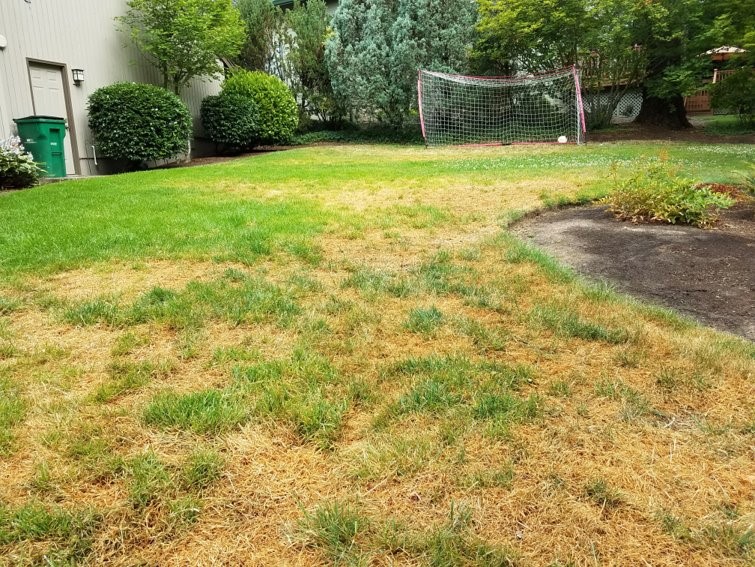
Image Source: www.landscapeeast.com
Deciphering the Mysteries of Dying Grass
Identifying the root cause of your spotty lawn is the first step towards recovery. It’s like being a detective for your turf. You need to look for clues and piece together the puzzle. The good news is that most lawn problems are fixable with the right approach and a bit of patience.
Watering Woes: Too Much or Too Little?
Water is the lifeblood of any plant, and grass is no exception. However, improper watering is one of the most frequent reasons for grass wilting spots and dead grass patches.
Inconsistent Watering
- Underwatering: When grass doesn’t receive enough water, it starts to shut down to conserve moisture. The blades will turn a dull gray-green and eventually brown. If you only water occasionally but deeply, you might see grass wilting spots appear in areas that dry out faster.
- Overwatering: Believe it or not, too much water can be just as damaging. It can lead to shallow root growth, making the grass more susceptible to drought. It also creates a favorable environment for fungal diseases, which can manifest as lawn brown spots. Soggy soil can also suffocate the grass roots, causing them to die.
Poor Sprinkler Coverage
- Uneven Distribution: If your sprinklers don’t reach all areas of your lawn evenly, some spots will receive more water than others. This leads to a patchy lawn where some areas are lush and others are dry and browning.
- Sprinkler Heads: Clogged or misaligned sprinkler heads can also cause uneven watering, resulting in dead grass patches.
Fathoming Water Needs:
The amount of water your lawn needs depends on several factors:
- Grass Type: Different grass species have varying water requirements.
- Soil Type: Sandy soils drain faster and need more frequent watering than clay soils.
- Weather: Hot, dry, and windy conditions increase water needs.
- Season: Grass typically needs more water during active growth periods.
A good rule of thumb is to water deeply and less frequently, encouraging deeper root growth. Aim for about 1 to 1.5 inches of water per week, applied in one or two sessions.
Soil Compaction: The Silent Killer
Healthy soil allows air, water, and nutrients to reach the grass roots. When soil becomes compacted, these essential elements are blocked, leading to stressed grass and dead grass patches.
Causes of Soil Compaction
- Heavy Foot Traffic: Areas where people walk or play frequently are prone to compaction.
- Mowing: Repeatedly mowing in the same direction can gradually compact the soil.
- Heavy Equipment: Using machinery on the lawn, like aerators (ironically, if overused) or wheelbarrows, can contribute.
- Clay Soils: Naturally, clay soils are denser and more prone to compaction than sandy soils.
Recognizing Compacted Soil
- Hard Surface: The soil feels hard and dense when you try to push a screwdriver into it.
- Water Runoff: Water tends to pool on the surface rather than soaking in.
- Shallow Roots: Grass in compacted areas will have weak, shallow root systems.
- Thinning Patches: You might notice thinning grass and grass wilting spots in high-traffic areas.
Tackling Compaction
- Aeration: This is the most effective way to combat soil compaction. Aeration involves removing small plugs of soil from the lawn, allowing air, water, and nutrients to penetrate the root zone. This process is crucial for diagnosing lawn issues related to soil health.
- Topdressing: After aerating, applying a thin layer of compost or other organic matter can help improve soil structure over time.
Nutrient Deficiencies: Feeding Your Lawn Properly
Just like any living organism, grass needs nutrients to thrive. A lack of essential nutrients can weaken the grass, making it susceptible to disease and pests, and leading to patchy lawn areas.
Key Nutrients for Grass
- Nitrogen (N): Promotes healthy green growth and leaf development.
- Phosphorus (P): Encourages root growth and seed development.
- Potassium (K): Enhances overall plant health, stress tolerance, and disease resistance.
Identifying Nutrient Deficiencies
Symptoms can vary depending on the specific nutrient lacking, but common signs include:
- Yellowing or Pale Green Color: Often indicates a nitrogen deficiency.
- Stunted Growth: Grass may grow slowly and look weak.
- Thinning Areas: The lawn may become less dense, revealing bare spots.
- Increased Susceptibility to Stress: Drought and heat can cause more severe damage.
Fertilizing for Health
- Soil Test: The best way to determine nutrient deficiencies is to get a soil test. This will tell you precisely what your soil is lacking.
- Balanced Fertilizer: Use a fertilizer that provides a good balance of N-P-K, tailored to your soil test results and the needs of your grass type.
- Proper Application: Follow the instructions on the fertilizer bag carefully. Over-fertilizing can burn the grass and cause more lawn problems. Fertilize during the active growing season for your grass type.
Pests: The Unseen Invaders
Many different types of insects can wreak havoc on your lawn, creating dead grass patches and grass wilting spots. Lawn pest control is an essential part of maintaining a healthy lawn.
Common Lawn Pests
- Grubs: These are the C-shaped larvae of various beetles. They feed on grass roots, causing irregular brown patches that may lift up like a carpet. You might see birds and other animals digging in your lawn, as they also feed on grubs.
- Chinch Bugs: These tiny insects suck the sap from grass blades, causing yellowing and browning that often starts in sunny, dry areas. They tend to congregate in dense patches, creating distinct lawn brown spots.
- Armyworms and Sod Webworms: These moth larvae feed on grass blades, often at night. They can quickly defoliate large areas, leaving behind a brown, stubbly appearance.
- Fire Ants: While they don’t directly kill grass, their mounds can be unsightly and their bites painful. They can also push soil onto the grass blades, creating bare patches.
Detecting Pests
- Visual Inspection: Look for the pests themselves, their eggs, or signs of their damage.
- Saltwater Test: For chinch bugs and some other surface feeders, mix a few tablespoons of dish soap with a gallon of water and pour it onto a suspected area. The pests will often rise to the surface.
- Grub Test: Dig up a small square foot section of your lawn. If you find more than 5-10 grubs per square foot, treatment might be necessary.
Pest Management
- Beneficial Nematodes: These microscopic worms are natural predators of grubs and other soil-dwelling insects.
- Insecticides: Use insecticides judiciously. Choose products that are specific to the pest you are targeting and follow application instructions carefully.
- Cultural Practices: Maintaining a healthy lawn through proper watering and fertilization makes it more resistant to pest infestations.
Diseases: Fungal Foes of the Lawn
Fungal diseases are a significant cause of lawn brown spots and can quickly turn a healthy lawn into a patchy lawn. They thrive in specific environmental conditions, such as excessive moisture, humidity, and temperature fluctuations. Lawn disease identification is key to effective treatment.
Common Lawn Diseases
- Brown Patch: Caused by the fungus Rhizoctonia solani, this disease typically appears as circular patches of brown, dead grass. The edges of the patches may have a smoky gray or dark brown ring.
- Dollar Spot: Characterized by small, straw-colored or white patches about the size of a silver dollar. It often occurs during periods of drought stress and humidity.
- Red Thread: This disease causes irregular, tan to reddish-brown patches. You might see a pinkish or reddish fungal thread on the grass blades. It’s often associated with low nitrogen levels.
- Fairy Rings: These are circles or arcs of darker green grass, mushroom growth, or dead grass. They are caused by underground fungal activity.
Diagnosing Fungal Diseases
- Observe the Pattern: Are the spots circular, irregular, or linear?
- Examine the Blades: Look for any webbing, discolored patches, or unusual growth on the grass blades.
- Check Environmental Conditions: Note recent weather patterns – high humidity, heavy dew, or recent rainfall.
Controlling Fungal Diseases
- Improve Air Circulation: Dethatch and aerate your lawn to reduce thatch buildup and improve airflow.
- Water Properly: Water in the morning so the grass has time to dry before nightfall. Avoid overwatering.
- Fertilize Appropriately: Ensure your lawn has adequate nitrogen, as this can help some diseases.
- Fungicides: For severe or persistent infections, fungicides may be necessary. It’s often best to consult with a lawn care professional for proper lawn disease identification and treatment.
Environmental Stressors: Beyond Pests and Diseases
Sometimes, your lawn is dying in spots due to factors that aren’t alive at all! Environmental stressors can weaken grass and make it vulnerable.
Drought Stress
Even with regular watering, prolonged periods of extreme heat and drought can overwhelm your lawn. Grass will begin to wilt, turn brown, and may go dormant. If drought stress is severe, it can lead to dead grass patches.
- Signs: Widespread wilting, blue-gray cast to the grass, footprints that remain pressed down.
- Treatment: Deep, infrequent watering is crucial. If the grass goes dormant, it can often recover when conditions improve. However, some thinner grass varieties may not bounce back from severe dormancy.
Heat Stress
High temperatures, especially when combined with humidity, can cause grass to struggle. Certain grass types are more susceptible to heat than others.
- Signs: Yellowing and browning, particularly on slopes or areas that receive intense sun.
- Treatment: Ensure adequate hydration. Mowing at a higher setting can help shade the soil and reduce stress.
Chemical Damage
Accidental spills of gasoline, oil, or certain herbicides can quickly kill grass, creating distinct lawn brown spots.
- Signs: Sharp, defined dead patches that appear suddenly after a potential exposure.
- Treatment: Remove contaminated soil if possible. Re-seed or sod the affected area once the soil has a chance to air out.
Pet Urine
The nitrogen in pet urine can act like a fertilizer in high concentrations, burning the grass and creating dead grass patches often surrounded by darker green, over-fertilized grass.
- Signs: Small, circular brown spots that may have a green halo.
- Treatment: Water the affected areas immediately to dilute the urine. Encourage pets to drink more water. You can also train pets to use a designated area of the lawn.
String Trimmer Damage
Carelessly using a string trimmer can scalp the grass, damaging the crown and leading to browning and death.
- Signs: Circular dead areas around tree trunks or obstacles.
- Treatment: Maintain a safe distance between the trimmer and the grass. Consider mulching around trees to create a buffer zone.
Diagnosing Lawn Issues: A Step-by-Step Approach
To effectively address your patchy lawn, you need a systematic approach to diagnosing lawn issues.
1. Observe the Pattern
- Shape and Size: Are the dead grass patches circular, irregular, or linear? Are they small or large?
- Location: Do the spots appear in sunny areas, shady areas, high-traffic zones, or near specific landscape features (e.g., trees, sidewalks)?
- Distribution: Are the spots scattered randomly, or are they grouped together?
2. Inspect the Grass Blades and Roots
- Color: Is the grass brown, yellow, or a faded green?
- Texture: Are the blades brittle or slimy?
- Root System: Gently dig up a small section. Are the roots shallow, stunted, or absent? Are there any signs of grubs or other insects?
3. Examine the Soil
- Moisture: Is the soil overly wet, dry, or compacted?
- Thatch: Is there a thick layer of dead organic material on the surface?
- pH: While not immediately visible, an incorrect soil pH can affect nutrient uptake. A soil test is recommended.
4. Consider Recent Events
- Weather: Has there been unusual heat, drought, or excessive rainfall?
- Activities: Have you applied any fertilizers, pesticides, or other chemicals? Have there been changes in foot traffic or lawn maintenance practices?
Spotty Lawn Treatment: Tailored Solutions
Once you’ve identified the likely cause, you can implement the appropriate spotty lawn treatment.
| Problem | Signs | Solution |
|---|---|---|
| Underwatering | Wilting, browning, footprints remain | Water deeply and less frequently (1-1.5 inches per week). |
| Overwatering | Yellowing, shallow roots, fungal growth | Water less often. Ensure good drainage. Improve air circulation. |
| Soil Compaction | Hard soil, poor drainage, thinning patches | Aerate the lawn. Topdress with compost. Reduce heavy foot traffic. |
| Nitrogen Deficiency | Uniform yellowing, slow growth | Apply a balanced fertilizer containing nitrogen. |
| Grubs | Irregular brown patches, liftable turf | Apply a grub control product (biological or chemical) during the appropriate season. |
| Chinch Bugs | Yellowing/browning in sunny areas, distinctive patches | Apply insecticide or beneficial nematodes. |
| Brown Patch | Circular brown patches with dark border | Improve air circulation, water in the morning. Apply fungicide if necessary. |
| Dollar Spot | Small, straw-colored patches | Water adequately, fertilize properly (especially nitrogen). Apply fungicide if severe. |
| Pet Urine | Small brown spots with green halo | Water affected areas immediately. Train pet to use a designated spot. |
| Chemical Burn | Sudden, sharp dead patches | Remove affected soil if possible. Re-seed or sod. |
| Heat Stress | Widespread wilting, browning | Water deeply. Mow at a higher setting. Avoid fertilizing during peak heat. |
Preventive Measures for a Healthier Lawn
The best approach to lawn problems is prevention. By adopting good lawn care practices, you can significantly reduce the chances of developing dead grass patches.
- Proper Mowing: Mow at the recommended height for your grass type. Keep mower blades sharp to ensure clean cuts.
- Consistent Watering: Water deeply and infrequently, ideally in the early morning.
- Regular Fertilization: Feed your lawn with appropriate nutrients based on soil tests and the season.
- Dethatching and Aeration: Perform these tasks annually or as needed to prevent thatch buildup and soil compaction.
- Overseeding: Regularly overseed thin areas to maintain a dense turf, which helps crowd out weeds and resist pests and diseases.
- Monitor Your Lawn: Regularly inspect your lawn for early signs of trouble. Early detection often makes spotty lawn treatment much easier.
Frequently Asked Questions (FAQ)
Q1: My lawn has brown spots, and I suspect it’s a disease. How do I identify it?
A1: Lawn disease identification involves looking at the pattern of the damage, the shape of the spots, and any visual cues on the grass blades themselves (like webbing or specific discoloration). Consulting online resources with disease images or contacting a local extension office can be very helpful.
Q2: Can I fix a patchy lawn quickly?
A2: While some issues can be addressed relatively quickly, restoring a severely patchy lawn often takes time and consistent effort. The speed of recovery depends on the underlying cause and the treatments applied.
Q3: What is the best time to apply pesticides for lawn pests?
A3: The best time for lawn pest control depends on the specific pest’s life cycle. For grubs, late summer to early fall is often recommended, while chinch bugs may require treatment during warmer months. Always check product labels for timing recommendations.
Q4: My dog pees on the lawn, and it’s creating dead spots. What can I do?
A4: To address dead grass patches from pet urine, try to water the affected area immediately after your dog urinates to dilute the nitrogen. You can also train your dog to use a designated area of the lawn or install a dog potty spot.
Q5: Is it possible that I’m overwatering my lawn, leading to grass wilting spots?
A5: Yes, overwatering can cause grass wilting spots because it can lead to root rot and create conditions favorable for fungal diseases. If your soil stays constantly soggy, it’s a strong indicator of overwatering.
By carefully observing your lawn and systematically identifying the causes of dead grass patches and grass wilting spots, you can implement the correct spotty lawn treatment and restore your lawn to its former glory. Remember, a healthy lawn is a resilient lawn, so consistent care is your best defense against future lawn problems.