
Moss thrives in shady areas, poor drainage, compacted soil, acidic soil, and damp conditions because these environments provide the moisture and reduced competition from turfgrass that it prefers. Can you get rid of moss? Yes, you can effectively manage and eliminate moss from your lawn through a combination of cultural practices and targeted treatments.
Moss isn’t a weed in the traditional sense; it’s a simple, non-flowering plant that doesn’t have roots like grass or other vascular plants. Instead, it anchors itself with tiny, root-like structures called rhizoids. These rhizoids absorb moisture and nutrients directly from the air and the surface they grow on. When you see moss taking over your lawn, it’s a clear signal that your lawn isn’t healthy enough to support robust turfgrass growth. Moss is often a symptom, not the primary problem.
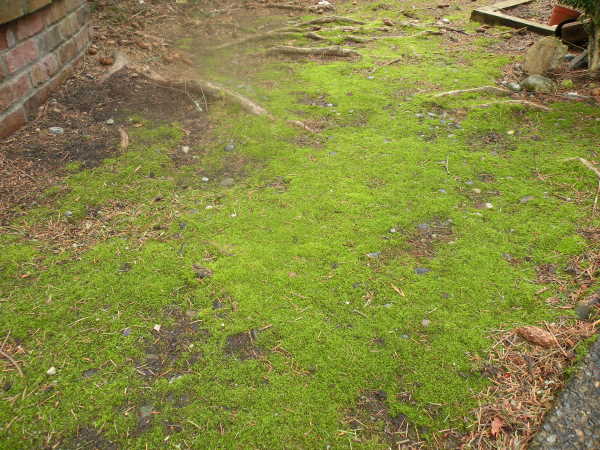
Image Source: turfgator.com
Deciphering the Causes of Lawn Moss
Several factors contribute to the unwelcome spread of moss across your yard. Fathoming these underlying causes is the first step to a successful solution.
Environmental Conditions Favoring Moss
Moss loves it when conditions are just right for its growth, often meaning they are far from ideal for healthy grass.
- Shady Areas and Lack of Sunlight: This is perhaps the most common culprit. Turfgrasses, especially the common varieties used for lawns, need a good amount of sunlight to thrive. When areas of your yard receive little to no direct sunlight due to trees, buildings, or fences, grass struggles. Moss, on the other hand, can happily grow in these low-light environments. A lack of sunlight weakens grass, making it less competitive.
- Poor Drainage and Damp Conditions: Moss absolutely adores moisture. If your lawn doesn’t drain well, water can sit on the surface or in the soil for extended periods. This constant dampness creates the perfect habitat for moss to flourish. Damp conditions prevent grass roots from getting enough oxygen, further stressing the turf and giving moss an advantage.
- Compacted Soil: When soil becomes compacted, it reduces air circulation and makes it difficult for water to penetrate effectively. This can lead to water pooling on the surface, creating those damp conditions moss loves. Compacted soil also hinders grass root growth, making it weaker and more susceptible to moss invasion. Over time, compacted soil can become a significant problem.
- Acidic Soil: Most common turfgrasses prefer a slightly acidic to neutral soil pH (between 6.0 and 7.0). Moss, however, often thrives in acidic soil (a pH below 6.0). If your soil is too acidic, it can inhibit grass growth while simultaneously encouraging moss. Soil testing can reveal if your lawn’s pH is contributing to the moss problem.
- Nutrient Deficiency: A lawn that lacks essential nutrients won’t have strong, healthy grass. Weak grass is easily outcompeted by moss. If your soil is low in nitrogen, phosphorus, or potassium, your grass will struggle to establish a dense, healthy canopy. A nutrient deficiency weakens the entire lawn ecosystem.
- Overgrown Grass (Infrequent Mowing or Mowing Too High): While it might seem counterintuitive, letting grass get too long or mowing too high can also contribute to moss problems. When grass is too long, the lower blades can become shaded and weak, creating opportunities for moss to establish itself underneath the taller grass blades. Conversely, mowing too low can stress the grass, making it more vulnerable. Overgrown grass can create microclimates that moss enjoys.
Lawn Health and Maintenance Practices
How you care for your lawn plays a significant role in whether moss becomes a problem.
- Incorrect Mowing Practices: As mentioned, mowing too low can scalp the lawn and stress the grass. This exposes bare soil and creates an environment where moss can easily establish. Mowing too high can lead to weak grass that shades out its own lower parts.
- Lack of Aeration: Aeration is the process of removing small plugs of soil from your lawn. This is crucial for relieving compacted soil, allowing air, water, and nutrients to reach the grass roots more effectively. Without regular aeration, soil compaction will worsen over time, creating ideal conditions for moss.
- Insufficient Fertilization: A well-fed lawn is a strong lawn. If your lawn isn’t receiving the right balance of nutrients at the right times, the grass will be weak and less able to compete with moss.
- Infrequent Overseeding: As your lawn ages, it naturally thins out. Overseeding with new grass seed helps to maintain a dense turf. A thin lawn has more open spaces where moss can easily take hold.
Diagnosing Your Moss Problem
To effectively tackle moss, you need to identify which of these factors are at play in your yard.
Step 1: Observe Your Lawn
Before reaching for a moss killer, take a close look at where the moss is growing and what the conditions are like in those areas.
- Sunlight Exposure: Are the mossy areas predominantly in shady areas?
- Moisture Levels: Do these areas tend to stay wet longer after rain or watering? Is there standing water? This points to poor drainage.
- Soil Appearance: Does the soil look hard and difficult to penetrate? This indicates compacted soil.
- Grass Health: How does the grass in these areas look compared to sunnier, drier parts of your lawn? Is it thin, discolored, or sparse?
Step 2: Consider Your Maintenance Routine
Reflect on your lawn care practices.
- When was the last time you aerated?
- How often do you fertilize, and with what kind of fertilizer?
- What height do you typically mow your grass?
- When was the last time you overseeded?
Step 3: Test Your Soil
For a more precise diagnosis, consider getting a soil test. This will tell you your soil’s pH and nutrient levels. You can usually get kits from local garden centers or cooperative extension offices.
Solutions for a Moss-Free Lawn
Once you’ve identified the reasons for moss growth, you can implement targeted solutions. Remember, a healthy, dense turf is the best defense against moss.
Improving Lawn Conditions
These steps focus on making your lawn less hospitable to moss by improving the overall health of your turfgrass.
Addressing Shady Areas
- Prune Trees and Shrubs: Trim back overhanging branches to allow more sunlight to reach the grass.
- Choose Shade-Tolerant Grasses: If you have persistent shady areas, consider overseeding with grass varieties that are specifically bred for low-light conditions (e.g., fine fescues).
- Reduce Competition: In heavily shaded areas where grass simply won’t grow, consider alternative ground covers like groundcovers or mulch instead of trying to force grass to grow.
Improving Drainage
- Aeration: Regular core aeration (once or twice a year) is essential for breaking up compacted soil and improving water infiltration. This directly combats poor drainage.
- Dethatching: A thick layer of thatch (dead grass stems and roots) can prevent water from reaching the soil. Dethatch your lawn if the thatch layer is more than half an inch thick.
- Amend Soil: For persistent drainage problems, you may need to incorporate organic matter like compost into the soil to improve its structure and drainage.
- Install Drainage Systems: In severe cases, consider installing French drains or other subsurface drainage solutions to carry excess water away from the lawn.
Relieving Soil Compaction
- Aeration: As mentioned, this is key. The small holes created by aeration allow air and water to penetrate the soil.
- Topdressing: After aerating, topdressing with a thin layer of compost or sand can help improve soil structure over time.
- Avoid Heavy Foot Traffic: Try to minimize heavy foot traffic or vehicle use on your lawn, especially when the soil is wet.
Correcting Soil pH
- Lime for Acidic Soil: If your soil test reveals acidic soil, you’ll need to apply lime. The amount of lime needed will depend on your soil’s current pH and the target pH. Follow the recommendations on your soil test report carefully.
- Sulfur for Alkaline Soil: While less common for moss issues, if your soil is too alkaline, you might need to add sulfur to lower the pH.
Enhancing Soil Nutrients
- Fertilization: Use a balanced fertilizer appropriate for your grass type and the season. A slow-release fertilizer will provide nutrients over a longer period. Focus on feeding the grass, not the moss.
- Composting: Regularly topdress your lawn with compost to improve soil fertility and structure.
Moss Removal and Control
Once you’ve addressed the underlying causes, you can actively remove existing moss and prevent its return.
Mechanical Removal
- Raking: For light moss growth, vigorous raking can physically dislodge it. Use a stiff garden rake or a specialized moss rake.
- Aeration and Dethatching: These processes also help in removing moss by disturbing its growth.
Chemical Treatments (Moss Killers)
When DIY methods aren’t enough, a moss killer can be effective. These products typically contain active ingredients that dehydrate and kill the moss.
- Iron-Based Moss Killers: These are very common and effective. They contain ferrous sulfate or other iron compounds. The iron acts as a desiccant, drying out the moss, and also helps to lower the soil pH slightly. Be aware that iron can temporarily stain concrete and other hard surfaces.
- Other Active Ingredients: Some moss killers may use other chemicals like potassium salts of fatty acids or sulfuric acid. Always read and follow the product label instructions carefully.
Important Considerations for Using Moss Killers:
- Timing: Apply moss killers when the moss is actively growing, usually in spring or fall.
- Application: Apply evenly and according to the product’s instructions.
- Disposal of Dead Moss: After the moss turns black or brown and dies, it’s crucial to rake it out. Leaving dead moss can create a layer of thatch that can harbor new moss spores or fungal diseases.
- Follow-Up: Remember that moss killers are usually a temporary fix if the underlying conditions aren’t corrected. You’ll likely need to reapply if the environmental factors favoring moss remain.
Reseeding and Overseeding
After removing moss and improving the soil conditions, it’s important to fill in any bare patches with new grass seed.
- Choose the Right Seed: Select grass seed appropriate for your climate and the sunlight conditions in the affected areas.
- Timing: The best times to overseed are typically in early fall or early spring when temperatures are moderate and there’s ample moisture.
- Preparation: Lightly rake the area to loosen the soil surface before sowing seeds.
- Watering: Keep the seeded area consistently moist until the grass germinates and is established.
Long-Term Lawn Care Strategies
Maintaining a healthy lawn is an ongoing process that will prevent moss from becoming a persistent issue.
Regular Aeration and Dethatching
Make aeration and dethatching a regular part of your lawn care schedule. This will keep your soil from becoming compacted and reduce thatch buildup, both of which favor moss.
Proper Fertilization and Watering
Feed your lawn with the right nutrients at the right times. Water deeply and less frequently to encourage deep root growth, which makes grass more resilient. Avoid overwatering, which can lead to damp conditions.
Correct Mowing Height
Mow your grass at the recommended height for your grass type. Generally, this means mowing no more than one-third of the grass blade at a time. This promotes a thicker, healthier turf that can crowd out moss.
Overseeding Annually
Regularly overseed your lawn, especially in the fall, to maintain a thick, dense turf that leaves little room for moss to grow.
Frequently Asked Questions About Lawn Moss
Q1: Will moss eventually kill my grass?
While moss itself doesn’t actively kill grass, it signals that the conditions are unfavorable for turfgrass growth. The underlying issues that allow moss to thrive – like shade, poor drainage, or compacted soil – are what weaken and can eventually kill your grass.
Q2: Is moss bad for my lawn?
Moss isn’t inherently bad for the environment; it’s a natural part of many ecosystems. However, on a lawn, its presence is a strong indicator of underlying problems that are detrimental to the health and appearance of your turfgrass. It suggests poor drainage, acidic soil, or lack of sunlight.
Q3: How quickly can I get rid of moss?
You can see results from moss treatments within a few days to a week, especially with chemical moss killer products. However, completely eradicating moss and preventing its return requires addressing the root causes and promoting healthy turf growth, which can take a full growing season or more.
Q4: Can I just rake out the moss?
Raking can physically remove moss, and it’s an important step after using a moss killer. However, if you don’t address the conditions that caused the moss to grow in the first place, it will likely return.
Q5: My lawn is very shady. Can grass even grow there?
Yes, but you need to choose the right type of grass. Varieties like fine fescues are much more tolerant of shady areas and lack of sunlight than traditional Kentucky bluegrass or perennial ryegrass. You may also need to supplement with moss control strategies.
Q6: What is a good pH range for lawns?
Most turfgrasses prefer a soil pH between 6.0 and 7.0. If your soil is significantly more acidic than this, it will favor moss growth.
Q7: Is iron sulfate a safe moss killer?
Iron sulfate (ferrous sulfate) is a commonly used and generally safe ingredient in moss killers for lawns. It kills moss by dehydrating it and can also help green up your lawn. However, it can stain concrete and other surfaces, so careful application is needed. It also helps to slightly lower soil pH, which can be beneficial if your soil is too alkaline, but problematic if it’s already very acidic soil.
By systematically identifying the causes and implementing the right lawn care strategies, you can transform your mossy lawn into a lush, green carpet. Remember, consistency and addressing the underlying issues are key to long-term success.