
Your lawn mower is humming, you’ve got your favorite playlist on, and you’re ready to tackle that overgrown grass. Then, disaster strikes: the mower starts, roars to life for a moment, and then abruptly dies. This is a frustrating and common problem for any homeowner. So, why does my lawn mower start then die? This issue often stems from problems with the fuel system, air intake, ignition, or engine overheating. Fortunately, most of these problems are fixable with a little troubleshooting.
This guide will help you diagnose and resolve the common reasons why your lawn mower might start and then immediately stop. We’ll cover everything from simple fixes like checking the gas to more complex issues involving the carburetor and ignition.
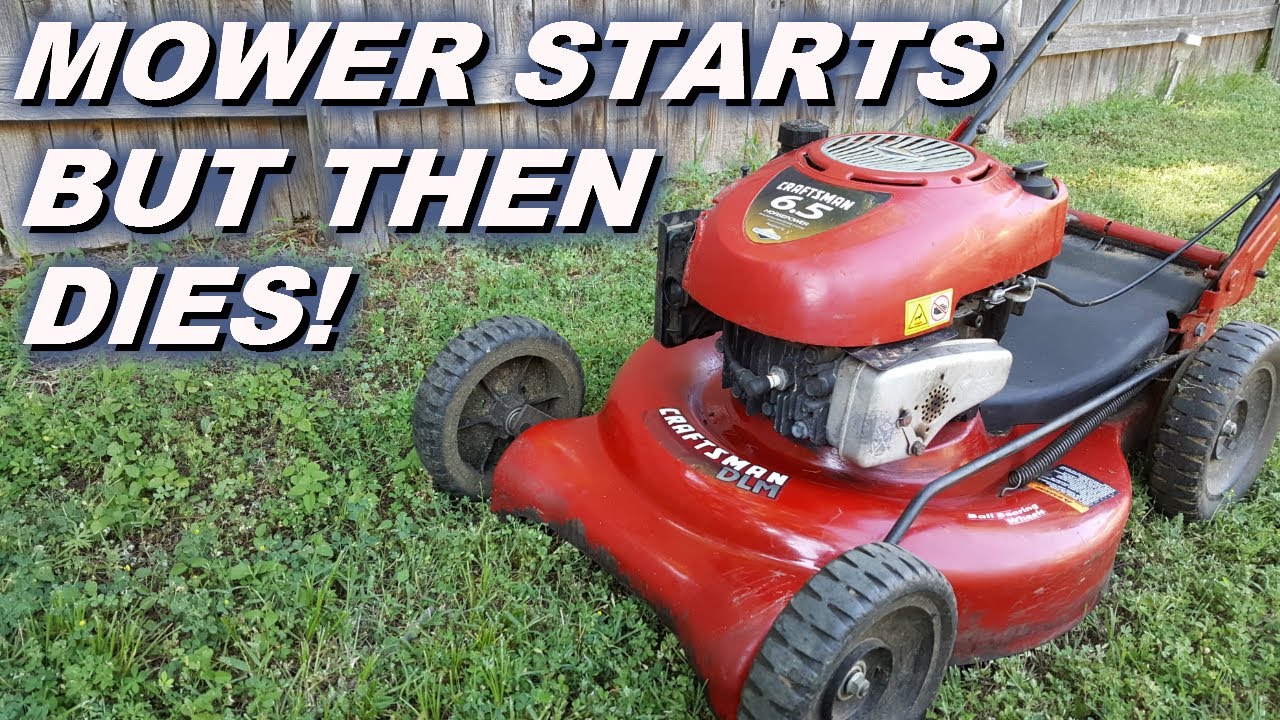
Image Source: i.ytimg.com
Fuel Delivery Issues: The Engine’s Thirst
For any engine to run, it needs a steady supply of fuel. If the fuel isn’t getting to the engine properly, it will sputter and die. Fuel delivery issues are one of the most frequent culprits behind a mower that starts and then stops.
Old Gasoline: Stale Fuel, Stalled Engine
Gasoline degrades over time, especially when exposed to air and moisture. Old gasoline can lose its octane rating and develop gum or varnish deposits. These deposits can clog fuel lines and the carburetor, restricting fuel flow.
- How to Check: If the gasoline in your mower has been sitting for more than 30 days, especially during warmer months, it’s likely stale. Look for cloudiness or a distinct varnish-like smell.
- The Fix: Drain the old fuel from the tank. You can do this by tilting the mower or using a fuel siphon. Dispose of the old gas responsibly. Refill the tank with fresh gasoline. It’s also a good idea to use a fuel stabilizer in any gas you plan to store for longer periods.
Fuel Line Blockage: A Traffic Jam for Gas
The fuel line is the pathway from the tank to the carburetor. A fuel line blockage can be caused by debris, kinks in the line, or a faulty fuel filter. If the fuel can’t flow freely, the engine will quickly run out of what it needs.
- How to Check: Inspect the fuel line for any visible kinks or damage. If your mower has a fuel filter (often a small, clear plastic cylinder inline with the fuel line), check it for dirt or debris.
- The Fix: If you find a kink, gently try to straighten it. If the fuel filter is clogged, replace it. This is usually a straightforward process, often involving pinching off the line on either side of the filter, removing the old filter, and installing the new one. Ensure the new filter is oriented correctly (there’s usually an arrow indicating fuel flow). If the fuel line itself is blocked internally, it may need to be replaced.
Fuel Filter Clog: The Gatekeeper’s Gate is Shut
Many lawn mowers are equipped with a small, inexpensive fuel filter designed to catch contaminants before they reach the carburetor. When this filter becomes clogged with dirt, rust, or debris from the fuel tank, it severely restricts fuel flow.
- Symptoms: The mower might start but run rough for a few seconds before dying, or it might not start at all.
- The Fix: Replacing a fuel filter is a simple and inexpensive repair. Locate the filter in the fuel line between the tank and the carburetor. You might need to disconnect the fuel line. Have a rag or container ready to catch any spilled fuel. Remove the old filter and install a new one, making sure to note the direction of fuel flow if indicated on the filter.
Fuel Pump Malfunction (On Models with Fuel Pumps): The Engine’s Lifeline Fails
While many simpler lawn mower engines rely on gravity to feed fuel, some larger or more complex models may have a fuel pump. If this pump fails, it won’t be able to deliver enough fuel to the carburetor, leading to the start-then-die symptom.
- How to Check: This is harder to diagnose without specialized tools. You’d typically need to check if the pump is receiving vacuum and if it’s outputting fuel.
- The Fix: If the fuel pump is indeed faulty, it will need to be replaced. This often involves removing the pump assembly and installing a new one. Consult your mower’s manual for specific instructions.
Carburetor Problems: The Engine’s Air and Fuel Mixer
The carburetor is a crucial component responsible for mixing the right amount of air and fuel for combustion. Carburetor problems can easily cause the engine to stall shortly after starting.
Carburetor Problems: The Heart of the Fuel Mix
The carburetor can become gummed up with old fuel residue, dirt, or water. This buildup can obstruct the tiny jets and passages within the carburetor, preventing the correct air-fuel mixture from being formed. Even if some fuel makes it through initially, it won’t be enough for sustained operation.
- Symptoms: The engine might start with a burst of power but then choke out. It might also run erratically or sputter.
- The Fix:
- Cleaning: The most common fix is to clean the carburetor. This can sometimes be done without removing it by using a carburetor cleaner spray. With the engine off and the air filter removed, spray the cleaner into the carburetor’s throat. Allow it to sit for a bit, then try starting the mower.
- Dismantling and Cleaning: For more stubborn clogs, you may need to remove the carburetor. This involves disconnecting fuel lines, throttle linkages, and any other connections. Once removed, carefully disassemble it (taking pictures or notes as you go is highly recommended) and spray carburetor cleaner through all the passages and jets. Use compressed air to blow out any remaining residue.
- Reassembly and Adjustment: Reassemble the carburetor carefully. Reinstall it on the engine and reconnect everything.
- Carburetor Adjustment: After cleaning or reassembly, a carburetor adjustment might be necessary. This usually involves turning adjustment screws (often one for idle speed and one or two for fuel/air mixture) to fine-tune the engine’s performance. Consult your mower’s manual for the correct adjustment procedure, as improper adjustment can lead to poor running or even engine damage.
Clogged Carburetor Jets: The Tiny Passages Get Blocked
Within the carburetor are small jets that control the flow of fuel. A clogged carburetor jet is a prime suspect when a mower starts and dies. Even a tiny bit of debris can disrupt the precise fuel metering required.
- How to Check: You’ll likely see the symptoms described above. Visually inspecting the jets requires removing the carburetor bowl.
- The Fix: This is addressed during the carburetor cleaning process. Ensure all jets are thoroughly cleaned and free of any blockages.
Air Intake: The Engine Needs to Breathe
Just like us, engines need air to run. If the air supply is restricted, the engine won’t get the oxygen it needs to combust fuel efficiently.
Clogged Air Filter: Restricting the Breath of Life
A clogged air filter is one of the simplest yet most common reasons for an engine to start and then die. When the filter is packed with grass clippings, dirt, and debris, it prevents sufficient air from entering the carburetor. This creates a rich fuel mixture (too much fuel, not enough air), which the engine can’t sustain.
- How to Check: Locate the air filter housing (usually a metal or plastic box on the side of the engine). Open it and inspect the air filter. If it appears dirty, dark, or clogged with debris, it’s likely the problem.
- The Fix:
- Cleaning (for foam filters): Foam filters can often be cleaned. Wash them with soap and water, rinse thoroughly, and allow them to dry completely. Once dry, you can lightly saturate them with a bit of clean engine oil and squeeze out the excess.
- Replacement (for paper filters): Paper filters cannot be effectively cleaned and must be replaced. This is a very inexpensive part.
- Installation: Ensure the new or cleaned filter is properly seated in its housing before closing it up.
Ignition System Fault: The Spark is Missing
The ignition system is responsible for creating the spark that ignites the fuel-air mixture in the cylinder. If this spark is weak, intermittent, or completely absent, the engine won’t run.
Spark Plug Fouling: The Ignition’s Weak Link
A spark plug fouling occurs when deposits build up on the spark plug’s electrodes. These deposits can be carbon, oil, or fuel residue. Fouled plugs can cause a weak spark or prevent it altogether, leading to misfires and the engine dying.
- How to Check: Remove the spark plug wire from the spark plug. Use a spark plug wrench to unscrew the spark plug. Inspect its tip. If it’s black, oily, or has a thick layer of deposits, it’s fouled.
- The Fix:
- Cleaning: You can try cleaning a moderately fouled spark plug with a wire brush and carburetor cleaner. Ensure all cleaner is evaporated or wiped away before reinstalling.
- Replacement: Replacing the spark plug is a cheap and easy fix. Ensure you get the correct type for your mower model. When installing a new spark plug, tighten it snugly but don’t overtighten it.
Issues with the Ignition Coil or Magneto: The Spark Generator Fails
The ignition coil (or magneto on some simpler engines) is what generates the high voltage for the spark plug. If the coil is failing or has faulty wiring, the spark will be weak or absent.
- How to Check: This is more advanced. You can check for spark by removing the spark plug, reconnecting the spark plug wire, and grounding the plug against the engine block. Have someone pull the starter cord. If you don’t see a strong, blue spark, the ignition system might be at fault.
- The Fix: If the ignition coil is faulty, it will need to be replaced. This often involves removing the engine shroud to access the coil. This is a more involved repair and may require consulting your mower’s service manual.
Safety Switches Engaged: The Mower’s Safeguards
Modern lawn mowers have safety features, such as kill switches or safety interlocks, designed to shut off the engine if certain conditions aren’t met. If one of these switches is faulty or improperly engaged, it can cause the mower to start and then die.
- Common Switches:
- Operator Presence Control (OPC) Lever: You must hold this lever on the handle for the engine to run. Releasing it should kill the engine.
- Blade Brake Clutch: Some mowers have a mechanism that stops the blade but allows the engine to run. If this is malfunctioning, it could cut power to the engine.
- Seat Safety Switch (on riding mowers): Prevents the engine from running if the operator isn’t seated.
- How to Check: Ensure all safety levers are functioning correctly and are not stuck or damaged. Make sure you are operating the mower as intended.
- The Fix: If a safety switch appears to be the issue, it might need adjustment or replacement. This can vary greatly depending on the mower model.
Overheating Engine: Too Much of a Good Thing
Engines generate heat when they run, and they are designed with cooling systems to manage this. If the engine overheats, its internal components can expand, causing friction and leading to the engine shutting down to prevent damage.
Overheating Engine: The Engine Gets Too Hot
An overheating engine can start, run for a short period, and then die as the heat builds up. This can be caused by several factors.
- Causes:
- Blocked Cooling Fins: The engine block has fins that help dissipate heat. If these fins are blocked by grass clippings, dirt, or debris, the engine cannot cool itself effectively.
- Low Oil Level: Oil lubricates the engine and also helps with cooling. A low oil level means less lubrication and less heat dissipation, leading to overheating.
- Running the Engine Too Hard: Operating the mower in very tall, wet grass for extended periods can put an extra strain on the engine, causing it to overheat.
- Faulty Cooling Fan (if applicable): Some engines have a cooling fan that can fail.
- How to Check: Feel the engine block for excessive heat. Check the oil level. Inspect the cooling fins for blockages.
- The Fix:
- Clean Cooling Fins: Turn off the engine and let it cool down. Use a brush or compressed air to clean all debris from the cooling fins.
- Check and Add Oil: Check the oil level using the dipstick. If it’s low, add the correct type and amount of oil recommended by the manufacturer.
- Operate Appropriately: Avoid overworking the engine. Mow at a reasonable pace and don’t push the mower through extremely dense or wet grass if you can avoid it.
Low Oil Level: The Engine’s Lifeline is Thin
As mentioned, a low oil level is a critical issue that can lead to overheating and engine damage. Many modern engines have low-oil shutdown systems that will intentionally kill the engine to prevent damage.
- How to Check: Park the mower on a level surface. Let the engine cool for a few minutes. Remove the oil dipstick, wipe it clean, reinsert it fully, and pull it out again. Check the oil level against the markings on the dipstick.
- The Fix: If the oil level is low, add the recommended type and amount of oil specified in your owner’s manual. Do not overfill.
Other Potential Causes
While fuel, air, and ignition are the most common culprits, a few other issues can cause your mower to start and die.
Ignition System Fault: A Broader Look
An ignition system fault is a catch-all term for problems within the components that create the spark. This could include a faulty ignition switch, damaged spark plug wire, or issues with the capacitor discharge ignition (CDI) unit on some models.
- How to Check: This requires more systematic testing of each component.
- The Fix: Depending on the specific fault, repairs might involve replacing wires, the ignition switch, or other electronic components of the ignition system.
Spark Arrestor Screen Clogged: Restricted Exhaust
Many engines have a spark arrestor screen in the muffler. This screen is designed to prevent sparks from escaping the exhaust. If it becomes clogged with carbon buildup, it can restrict exhaust flow, similar to a clogged air filter, and cause the engine to die.
- How to Check: Allow the engine to cool. Locate the muffler and inspect the exhaust outlet. You might be able to see or feel a blockage. Some spark arrestors are removable for cleaning.
- The Fix: Carefully remove the spark arrestor screen (if possible) and clean it thoroughly with a wire brush or by burning off the carbon with a torch. Reinstall it securely.
Governor Issues: Maintaining the Right Speed
The governor controls the engine’s speed to prevent it from over-revving or bogging down. If the governor linkage becomes bent, disconnected, or if the governor itself fails, it can cause erratic engine behavior, including starting and dying.
- How to Check: Inspect the governor linkage for any obvious damage or disconnections.
- The Fix: Repairing or replacing governor components is a more advanced repair.
Troubleshooting Steps: A Systematic Approach
When your lawn mower starts then dies, a methodical approach to troubleshooting will save you time and frustration.
Step 1: Check the Basics (Fuel & Oil)
- Fresh Fuel: Is the gasoline in the tank old? If so, drain and refill with fresh fuel.
- Fuel Level: Is there enough fuel in the tank? Don’t rely solely on the gauge; check visually.
- Oil Level: Is the engine oil at the correct level? Add oil if necessary.
Step 2: Inspect Air and Fuel Delivery
- Air Filter: Check and clean or replace the air filter.
- Fuel Filter: Locate and inspect/replace the fuel filter.
- Fuel Lines: Look for kinks or blockages in the fuel lines.
Step 3: Examine the Ignition System
- Spark Plug: Remove, inspect, clean, or replace the spark plug. Check the spark plug wire connection.
Step 4: Consider Carburetor Issues
- Carburetor Cleaning: If the above steps don’t resolve the issue, a clogged carburetor is a likely suspect. Try using a carburetor cleaner spray. If that doesn’t work, you may need to remove and clean the carburetor more thoroughly.
Step 5: Look for Overheating
- Cooling Fins: Ensure the engine’s cooling fins are clean.
Step 6: Safety Features
- Operator Presence Control: Make sure you are engaging all safety levers correctly.
What to Do If You’re Unsure
If you’ve gone through these steps and are still facing the same problem, or if you’re uncomfortable performing any of these checks, it’s best to consult your lawn mower’s owner’s manual or take it to a qualified service center.
Frequently Asked Questions (FAQ)
Q1: Can I start my lawn mower without the air filter?
A1: While you can start your mower without an air filter to quickly diagnose if a clogged filter is the problem, it’s not recommended for operation. Running without an air filter exposes the engine to dirt and debris, which can cause significant internal damage very quickly. Only do this for a few seconds to test.
Q2: How often should I change my lawn mower’s spark plug?
A2: It’s generally recommended to replace your spark plug at the beginning of each mowing season. However, inspect it annually, and replace it if it shows signs of wear or fouling.
Q3: My mower starts, runs for a minute, then dies. What’s the most likely cause?
A3: This is a classic symptom of a fuel delivery problem or a carburetor issue. The engine might be getting just enough fuel initially from what’s in the carburetor bowl, but as it runs, it can’t replenish the fuel fast enough due to a clog or restriction. A clogged fuel filter, fuel line blockage, or partially clogged carburetor jets are prime suspects.
Q4: Is it safe to use old gasoline in my mower?
A4: No, it’s not recommended. Old gasoline can degrade, lose its volatility, and form varnish or gum deposits that can clog fuel systems. Always use fresh gasoline, ideally with a fuel stabilizer if you store it.
Q5: What’s the difference between a clogged air filter and a clogged fuel filter?
A5: A clogged air filter restricts the air entering the engine, leading to a rich fuel mixture. A clogged fuel filter restricts the fuel entering the carburetor, leading to a lean fuel mixture or no fuel at all. Both can cause the engine to run poorly or die.
Conclusion
A lawn mower that starts then dies can be a perplexing issue, but by systematically checking the fuel system, air intake, ignition, and engine condition, you can often pinpoint the cause. Most of these problems are relatively simple to fix, saving you money on professional repairs. Remember to always work safely, disconnect the spark plug wire before performing any maintenance, and consult your owner’s manual for model-specific guidance. Happy mowing!