
Seeing mushrooms pop up in your lawn can be a bit of a surprise. Mushrooms are the fruiting bodies of fungi that live unseen in the soil. While they can seem unsightly, their appearance often indicates underlying conditions in your lawn that might need addressing. This article will delve into why mushrooms appear, the common causes behind their growth, and practical steps you can take to manage them.
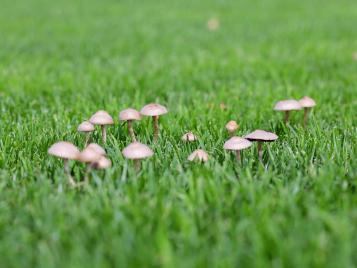
Image Source: www.lovethegarden.com
Fathoming the Fungal Presence: Why Mushrooms Emerge
Mushrooms are essentially the reproductive structures of a vast network of fungi living beneath the surface of your lawn. These fungi play a crucial role in nature by breaking down organic matter, a process vital for soil health. However, when these fungi become overly active or are provided with ideal conditions, their fruiting bodies – the mushrooms – become visible.
The Soil’s Silent Architects: Fungal Life Below
The majority of a fungus’s life exists underground as a network of thread-like structures called mycelium. This mycelium is constantly working, decomposing dead plant material, animal waste, and other organic debris. When the environment is just right, the mycelium produces mushrooms to release spores and spread.
What Triggers Mushroom Growth?
Several factors create the perfect environment for mushroom development:
- Excess Moisture: Fungi thrive in damp conditions.
- Organic Matter: The more dead material, the more food for fungi.
- Soil Compaction: Can lead to poor drainage and retained moisture.
- Shady Areas: Reduced sunlight and airflow can keep the soil moist.
- Nutrient Imbalance: Certain imbalances can favor fungal activity.
Pinpointing the Culprits: Common Causes of Lawn Mushrooms
Let’s break down the most frequent reasons you might be finding mushrooms in your yard.
1. Lawn Decomposition and Organic Matter
Your lawn is a living ecosystem, and like any ecosystem, it has a natural cycle of growth and decay. When grass clippings, fallen leaves, and even buried animal waste decompose, they provide a food source for fungi. This lawn decomposition is a natural and healthy process, but an abundance of decaying material can lead to a mushroom boom.
The Role of Thatch
The thatch layer is a buildup of dead and living grass stems, roots, and debris between the soil surface and the green grass blades. A thin layer of thatch is beneficial, but when it becomes too thick (more than half an inch), it can hold excess moisture and create a prime breeding ground for fungi, leading to mushrooms.
2. Excess Moisture: The Fungi’s Favorite Friend
Fungi require a consistent supply of water to grow and reproduce. If your lawn frequently stays wet for extended periods, this excess moisture is a significant contributor to mushroom growth. This can happen due to:
- Overwatering: Watering too frequently or for too long.
- Poor Drainage: The soil doesn’t allow water to drain away effectively.
- Heavy Rainfall: Natural weather patterns can sometimes saturate the soil.
- Low-Lying Areas: These spots tend to collect water.
3. Shady Areas: Where Light is Scarce
Mushrooms often appear in shady areas of the lawn. This is because shade reduces evaporation, keeping the soil cooler and moister for longer periods. Trees, fences, buildings, or dense shrubs can all create these shaded microclimates. Less sunlight also means less photosynthesis in the grass, potentially weakening it and making it more susceptible to fungal activity.
4. Soil Aeration and Compaction
Healthy soil allows for good air and water circulation. When soil becomes compacted, it loses its ability to breathe and drain properly. This can lead to waterlogged conditions, creating an ideal habitat for fungi. Poor soil aeration is a common problem, especially in high-traffic areas of a lawn.
5. Nutrient Imbalance: A Hidden Factor
While less obvious, a nutrient imbalance in your soil can also encourage mushroom growth. For instance, if your soil is overly rich in nitrogen but deficient in other essential nutrients, it can favor certain types of fungi. Similarly, overly acidic or alkaline soil conditions can impact the microbial balance, potentially leading to more fungal activity.
6. Dog Urine Spots
If you have pets, you might notice mushrooms appearing in specific spots where your dog frequently urinates. Dog urine is high in nitrogen and other salts, which can scorch the grass but also act as a fertilizer for fungi, leading to localized mushroom outbreaks.
What to Do About Mushrooms In Your Lawn: Practical Solutions
Now that we know why mushrooms appear, let’s explore effective ways to deal with them.
1. Identify the Mushrooms (If You’re Curious)
While not essential for removal, mushroom identification can be interesting and sometimes informative about your soil’s health. However, it’s crucial to remember that many lawn mushrooms are harmless, but some can be toxic if ingested by pets or children. Never eat wild mushrooms found in your lawn unless you are an expert. For identification, you can consult local gardening groups, university extension offices, or use reputable online identification guides.
2. Remove the Mushrooms
The most direct approach is to simply remove the mushrooms.
- Hand-pulling: Pull them out by the base. This removes the visible part.
- Mowing: Regular mowing will chop them up. However, this doesn’t address the underlying fungal growth.
- Bagging: Always bag and dispose of removed mushrooms to prevent spore dispersal.
Important Note: Removing the visible mushrooms is a temporary fix. It doesn’t eliminate the mycelium in the soil, so they will likely return if the conditions persist.
3. Address Excess Moisture
Managing moisture levels is key to discouraging mushroom growth.
- Water Wisely: Water your lawn deeply but infrequently. Aim for about 1 inch of water per week, applied in the early morning. This encourages deeper root growth and allows the surface to dry out.
- Improve Drainage: If your soil has poor drainage, consider amending it with organic matter like compost.
- Check for Leaks: Ensure no underground pipes or sprinklers are leaking, causing constant dampness.
- Rake Up Dew: In some humid climates, morning dew can contribute to prolonged dampness. Raking the lawn in the morning can help it dry faster.
4. Manage the Thatch Layer
A healthy lawn should have a thatch layer of no more than half an inch.
- Dethatching: Use a dethatching rake or a power dethatcher in spring or fall to remove excess thatch. This improves air and water penetration to the soil.
- Core Aeration: This process pulls out small plugs of soil, relieving compaction and allowing air, water, and nutrients to reach the roots more effectively. It also helps break down thatch. Soil aeration is a highly recommended practice for a healthy lawn.
5. Improve Air Circulation and Sunlight
- Prune Trees and Shrubs: Trim back branches that create excessive shade and block airflow.
- Selective Removal: In very dense, shady areas, consider removing a few trees or shrubs to allow more sunlight and air to reach the lawn.
6. Fertilize Properly
- Balanced Fertilization: Use a balanced fertilizer according to soil test recommendations. Avoid over-fertilizing, especially with nitrogen-rich products, as this can fuel fungal growth.
- Soil Testing: Conduct a soil test every 1-2 years to determine nutrient levels and pH. This helps you address any nutrient imbalance.
7. Deal with Pet Waste
- Clean Up Promptly: Remove pet waste from the lawn as soon as possible.
- Designated Areas: If possible, train your pets to use a specific area of your yard away from the main lawn.
8. Overseeding for Healthier Grass
- Strengthen Your Lawn: Overseeding with disease-resistant grass varieties can create a denser, healthier turf. A strong, healthy lawn is better able to compete with fungi and resist disease.
When Mushrooms Signal a Problem: Fairy Rings and Other Concerns
Sometimes, mushrooms appear in distinct circular patterns known as “fairy rings.” These are caused by the outward growth of mycelium over many years.
Understanding Fairy Rings
- Type 1 Rings: These are often accompanied by dead or dying grass in a ring, with mushrooms appearing on the outer edge. This type can indicate a serious fungal disease and may require professional treatment.
- Type 2 Rings: These feature a ring of darker, greener grass followed by mushrooms. This type is usually caused by beneficial fungi decomposing organic matter and often indicates a soil fertility issue that can be corrected with proper fertilization and watering.
- Type 3 Rings: These consist solely of mushrooms in a ring. They are generally harmless and are also a sign of healthy fungal activity breaking down organic matter.
What to Do About Fairy Rings
- Type 1: If you suspect a Type 1 fairy ring, you may need to contact a lawn care professional. They can help diagnose the specific disease and recommend appropriate treatments.
- Type 2 & 3: For these types, focus on improving your overall lawn care tips. This includes proper watering, fertilization, dethatching, and aeration. Over time, these practices can help integrate the fungal activity and reduce the visible rings.
A Proactive Approach to a Healthier Lawn
Preventing mushroom growth is more effective than constantly reacting to it. By implementing good lawn care tips, you create an environment less conducive to fungal proliferation.
Key Preventative Strategies:
- Regular Aeration: Keeps soil from becoming compacted.
- Timely Dethatching: Prevents excessive thatch buildup.
- Proper Watering: Avoids prolonged soil saturation.
- Balanced Fertilization: Maintains soil nutrient equilibrium.
- Consistent Cleanup: Remove dead leaves and debris promptly.
Frequently Asked Questions (FAQ)
Q1: Are mushrooms in my lawn dangerous?
A1: Most lawn mushrooms are harmless to the grass and the soil’s ecosystem. However, some species can be toxic if ingested by pets or children. It’s best to remove them and discourage pets and children from eating them.
Q2: Can I just mow over the mushrooms?
A2: Mowing will chop up the mushrooms, but it won’t eliminate the underlying mycelium in the soil. They will likely regrow unless the environmental conditions that caused them are addressed.
Q3: Will fungicide kill the mushrooms?
A3: While a fungicide might temporarily kill the visible mushrooms, it usually doesn’t eliminate the fungal organism in the soil, and they will likely return if the conditions are favorable. It’s better to address the underlying causes like moisture and organic matter.
Q4: How quickly do mushrooms grow?
A4: Mushrooms can sprout quite rapidly, often appearing overnight after a period of rain or increased humidity. Their growth is dependent on moisture and temperature.
Q5: My neighbor’s lawn doesn’t have mushrooms, why does mine?
A5: Every lawn is unique. Differences in soil type, drainage, shade, watering practices, and the amount of organic matter can all contribute to why one lawn might have mushrooms while another doesn’t.
Q6: Should I worry about fairy rings?
A6: Fairy rings can be a sign of underlying soil issues. While some are benign, others might indicate lawn diseases. Observing the pattern (dead grass, green grass, or just mushrooms) can help you assess the situation and decide on the appropriate course of action.
By paying attention to these common causes and implementing the recommended solutions, you can significantly reduce the appearance of mushrooms in your lawn and cultivate a healthier, more vibrant green space. Remember, a healthy lawn is your best defense against unwelcome fungal guests.