
Yellow patches on your lawn can be a puzzling sight, often appearing without warning. While it’s impossible to give a single definitive answer to “Why does my lawn have yellow patches?” without examining the lawn itself, common culprits include lawn diseases, fertilizer burn, overwatering lawn, underwatering lawn, soil drainage issues, pest infestation lawn, fungal lawn disease, nutrient deficiency lawn, lawn grub damage, and pet urine lawn damage. This comprehensive guide will help you decipher the various reasons behind your lawn’s discoloration and equip you with the knowledge to restore its lush, green vitality.
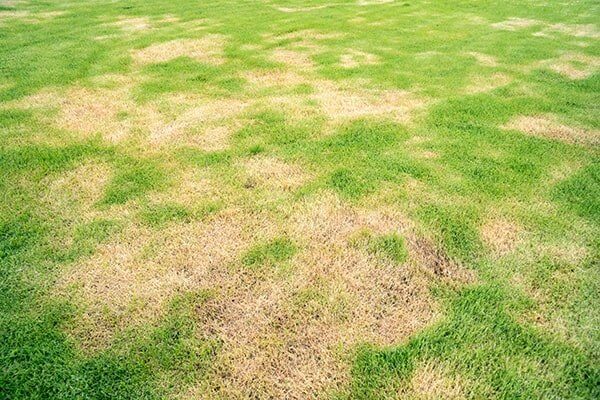
Image Source: expertsnutrite.com
Decoding the Yellow: Common Causes for a Discolored Lawn
A vibrant green lawn is the envy of any neighborhood, but the sudden appearance of yellowing areas can be disheartening. These patches can range in size from small spots to large swaths, and their specific appearance can offer clues to their origin. Let’s dive into the most frequent reasons for a lawn turning yellow.
The Environmental Factor: Water Woes
Water is essential for a healthy lawn, but getting the balance right is crucial. Too much or too little can lead to stress and yellowing.
Underwatering Lawn: The Thirsty Grass
When your lawn doesn’t receive enough water, the grass blades begin to lose moisture. This causes them to turn a dull yellow, eventually leading to browning and dormancy if not addressed.
Signs of Underwatering:
- Wilting blades: Grass will appear to droop and lose its upright posture.
- Footprints linger: When you walk on dry grass, the blades won’t spring back immediately.
- General dullness: The entire lawn will have a faded, less vibrant appearance.
- Patchy yellowing: Often starts in areas that dry out faster, like slopes or sandy soil.
Addressing Underwatering:
The solution here is straightforward: increase watering. However, it’s not just about the volume, but also the frequency and timing.
- Deep watering: Aim to water less frequently but more deeply. This encourages roots to grow deeper, making the grass more resilient to dry spells. A good rule of thumb is about 1 inch of water per week, including rainfall.
- Morning watering: Water early in the morning to minimize evaporation and allow the grass blades to dry before nightfall, reducing the risk of fungal diseases.
- Check soil moisture: Stick your finger about 2-3 inches into the soil. If it feels dry at that depth, it’s time to water.
Overwatering Lawn: Drowning the Roots
Conversely, excessive watering can be just as detrimental. Constantly waterlogged soil deprives the grass roots of oxygen, leading to root rot and an inability to absorb nutrients. This stress manifests as yellowing.
Signs of Overwatering:
- Yellowing that spreads: Often starts as a uniform yellowing across the lawn.
- Mushy soil: The ground may feel spongy and overly saturated.
- Fungal growth: In severe cases, you might see mushrooms or other signs of fungal activity.
- Shallow root systems: Roots struggle to develop in waterlogged conditions.
Addressing Overwatering:
The key here is to reduce the frequency and duration of watering.
- Water less often: Allow the soil surface to dry out between watering sessions.
- Improve drainage: If your soil consistently stays wet, investigate soil drainage issues.
- Adjust sprinkler times: Ensure your sprinklers aren’t running for too long or too frequently.
Nutritional Imbalances: Feeding Your Lawn
A lawn’s color is a direct reflection of its nutrient uptake. Deficiencies or excesses can cause a spectrum of discoloration.
Nutrient Deficiency Lawn: The Starved Grass
Just like humans, grass needs a balanced diet. A lack of essential nutrients, particularly nitrogen, iron, or magnesium, can lead to yellowing.
Common Nutrient Deficiencies and Their Symptoms:
- Nitrogen Deficiency: This is the most common cause of general yellowing. Nitrogen is vital for chlorophyll production, which gives grass its green color. The yellowing often starts with the older, lower leaves and progresses upwards.
- Iron Deficiency: This often results in a distinct yellowing between the veins of the grass blades, while the veins themselves remain green. This is called chlorosis. It’s common in alkaline soils where iron is present but unavailable to the grass.
- Magnesium Deficiency: Similar to iron deficiency, magnesium deficiency can also cause interveinal chlorosis, but it typically appears on older leaves first.
Addressing Nutrient Deficiencies:
A soil test is the most accurate way to determine specific nutrient deficiencies.
- Fertilizing: Apply a balanced fertilizer appropriate for your grass type and the season. Look for fertilizers that contain nitrogen, phosphorus, and potassium (N-P-K).
- Iron supplements: If iron deficiency is suspected, an iron supplement or chelated iron can quickly green up the lawn.
- Soil amendments: For pH-related nutrient availability issues (like iron in alkaline soil), amending the soil can provide a long-term solution.
Fertilizer Burn: Too Much of a Good Thing
Applying too much fertilizer, or applying it incorrectly, can “burn” the grass. This happens because the high salt concentration in the fertilizer draws moisture out of the grass blades, causing them to dry out and turn yellow or brown.
Signs of Fertilizer Burn:
- Streaky yellowing: Often appears in lines or stripes where the fertilizer was applied most heavily.
- Crispy texture: The affected grass blades feel dry and brittle.
- Rapid onset: Symptoms can appear within a day or two of application.
Addressing Fertilizer Burn:
- Water thoroughly: The most crucial step is to water the lawn deeply and frequently to help flush the excess fertilizer salts out of the soil.
- Avoid fertilizing: Refrain from fertilizing again until the lawn has recovered.
- Top-dress with compost: This can help dilute the fertilizer salts and improve soil health.
Soil Drainage Issues: The Waterlogged Problem
Healthy grass needs well-drained soil. When water sits on the surface or in the root zone for extended periods, it suffocates the roots and can lead to yellowing.
Causes of Poor Drainage:
- Heavy clay soil: Clay particles are very fine and pack tightly, restricting water and air movement.
- Compacted soil: Foot traffic, heavy machinery, or even just time can compact the soil, creating a barrier to water percolation.
- Low-lying areas: Depressions in the lawn naturally collect water.
Signs of Poor Drainage:
- Persistent wet spots: Areas of the lawn that remain saturated long after rain or watering.
- Yellowing in low-lying areas: Grass in these spots will often turn yellow due to lack of oxygen.
- Moss and algae growth: These thrive in damp, poorly drained conditions.
Improving Soil Drainage:
- Aeration: Core aeration physically removes small plugs of soil, allowing air, water, and nutrients to penetrate deeper.
- Top-dressing with compost: This improves soil structure and promotes better water infiltration.
- Amendments: Incorporating organic matter like compost or peat moss can improve drainage in clay soils.
- Regrading: For severe low spots, you might consider regrading the lawn to direct water away.
The Unseen Invaders: Pests and Diseases
Many microscopic and larger organisms can attack your lawn, weakening it and causing yellowing.
Pest Infestation Lawn: Bugs that Bite
Various insects and grubs can damage grass roots or blades, leading to yellowing and thinning.
Common Lawn Pests:
- Chinch Bugs: These tiny insects suck the sap from grass blades, causing irregular yellow or brown patches that often spread outwards. They are most active in hot, dry weather.
- Grubs: These are the larval stages of various beetles. They feed on grass roots, making it difficult for the grass to absorb water and nutrients, resulting in yellowish, wilting patches. You might notice the sod lifting easily in affected areas. Lawn grub damage is a significant cause of widespread yellowing.
- Sod Webworms: Moth larvae that feed on grass blades, creating patchy, brown or yellow areas.
- Billbugs: These weevil larvae bore into grass crowns and roots, causing yellowing and eventual death of the grass.
Identifying and Treating Pests:
- Visual inspection: Carefully examine the grass blades and soil for signs of insects.
- Grub test: Pull back a section of sod in a yellowed area. If you see C-shaped white grubs, you likely have a grub problem.
- Insecticides: Use appropriate insecticides for the specific pest identified. Always follow product instructions carefully. Biological controls like beneficial nematodes can also be effective for grub control.
Fungal Lawn Disease: The Spreading Sickness
Fungal diseases are common, especially in conditions of high humidity, excessive moisture, or poor air circulation. Many fungi attack the roots, crowns, or blades of grass.
Common Fungal Diseases:
- Dollar Spot: Characterized by small, straw-colored or bleached spots, roughly the size of a silver dollar. It’s often caused by a lack of nitrogen and dry conditions.
- Brown Patch: Creates circular or irregular patches of brown or straw-colored grass, often with a darker ring around the edge. It thrives in hot, humid weather.
- Rust: A superficial fungal disease that appears as a powdery orange, yellow, or reddish-brown coating on the grass blades. It’s more of an aesthetic issue but can weaken the grass.
- Pythium Blight (Damping-off): Affects grass seedlings and established turf, causing rapid wilting and yellowing, often in wet, humid conditions.
Signs of Fungal Disease:
- Distinct patterns: Rings, circles, or irregular patches of yellowing or browning.
- Web-like growth: Some fungi produce a visible mycelial growth, especially in the morning dew.
- Discoloration of blades: Blades may appear water-soaked, bleached, or have spots.
Managing Fungal Diseases:
- Improve air circulation: Trim overhanging branches and avoid excessive thatch buildup.
- Water correctly: Water deeply and infrequently in the morning.
- Fertilize properly: Maintain adequate nitrogen levels.
- Fungicides: Use appropriate fungicides if the disease is severe or persistent. Always choose a fungicide specific to the identified fungal issue.
Localized Damage: Specific Spot Issues
Some causes of yellowing are very localized and easily identifiable.
Pet Urine Lawn Damage: The Unwelcome Gift
If you have pets, their urine can be a common cause of yellow or brown spots on the lawn. The nitrogen and salts in pet urine are highly concentrated and act like a fertilizer burn on a small scale.
Signs of Pet Urine Damage:
- Distinct circular patches: Often with a bright green ring around the dead or yellowed center.
- More common in dogs: Male dogs tend to lift their legs and concentrate urine in one spot.
Treating Pet Urine Damage:
- Water the spot: Immediately after your pet urinates, water the area thoroughly to dilute the urine.
- Rinse the grass: Regularly hosing down areas where pets frequent can help prevent damage.
- Repair the damage: Once the grass has recovered or the spot has died, reseed the area.
- Train your pet: Encourage your pet to use a designated area.
Soil Compaction: The Strangled Roots
When soil becomes compacted, it restricts the flow of air, water, and nutrients to the grass roots. This stress can lead to yellowing and thinning.
Causes of Soil Compaction:
- Heavy foot traffic: Regular walking or playing on the lawn, especially when wet.
- Mowing on wet grass: Tires can press down and compact the soil.
- Lack of aeration: Over time, soil naturally becomes more compacted.
Signs of Soil Compaction:
- Hard, dense soil: Difficult to push a screwdriver into.
- Yellowing and thinning: Especially in high-traffic areas.
- Poor water infiltration: Water may pool on the surface.
Alleviating Soil Compaction:
- Aeration: This is the most effective way to combat soil compaction.
- Reduce traffic: Try to keep heavy foot traffic off the lawn, especially when it’s wet.
- Top-dress with organic matter: This helps improve soil structure over time.
Diagnosing Your Yellow Lawn: A Step-by-Step Approach
To effectively treat yellow patches, you need to correctly identify the cause. Here’s a methodical approach:
-
Observe the Pattern:
- Are the yellow patches scattered randomly or in distinct patterns (circles, stripes)?
- Do they appear in low-lying, wet areas or dry, sandy spots?
- Are they concentrated in high-traffic areas?
-
Examine the Grass Blades:
- Is the yellowing uniform, or are there distinct patterns on the blades (e.g., between veins)?
- Does the grass feel dry and crispy, or is it limp and wilted?
- Are there any visible signs of insects or fungal growth?
-
Check the Soil:
- Is the soil overly wet, dry, or firm?
- Does it drain well, or does water pool on the surface?
- Try the screwdriver test for compaction.
-
Consider Recent Activities:
- Have you recently fertilized, applied pesticides, or made any other chemical applications?
- Has there been a change in your watering routine?
- Have pets been using the lawn more frequently?
Table: Common Yellow Patch Causes and Their Solutions
| Cause | Primary Symptoms | Diagnosis Clues | Solutions |
|---|---|---|---|
| Underwatering Lawn | Wilting, dull yellowing, footprints linger | Dry soil, grass feels brittle, slow recovery after walking on it. | Water deeply and less frequently. Water in the morning. |
| Overwatering Lawn | Uniform yellowing, spongy soil, potential fungal growth | Constantly wet soil, poor drainage, grass blades may be weak. | Reduce watering frequency. Improve soil drainage. Ensure sprinklers aren’t over-applying water. |
| Nutrient Deficiency Lawn | General yellowing, interveinal chlorosis | Slow growth, pale green to yellow color, especially on older leaves. | Apply a balanced fertilizer. Consider a soil test for specific deficiencies. Supplement with iron or magnesium if needed. |
| Fertilizer Burn | Streaky yellowing, dry and brittle patches | Appears shortly after fertilization, distinct lines of damage. | Water thoroughly to flush salts. Avoid fertilizing until recovered. |
| Soil Drainage Issues | Yellowing in low-lying areas, persistent wet spots | Water pools, soil stays saturated, can lead to root rot. | Aerate the lawn. Top-dress with compost. Consider regrading for severe problem areas. |
| Pest Infestation Lawn | Irregular patches, thinning, visible insects or grubs | Grubs found in soil, chinch bugs on blades, visible chewing damage. | Identify the pest and use appropriate insecticides or biological controls. |
| Fungal Lawn Disease | Circular or irregular patches, specific patterns | Visible fungal growth (webbing, spores), often worse in humid conditions. | Improve air circulation, water properly, maintain good fertility. Use specific fungicides if necessary. |
| Pet Urine Lawn Damage | Distinct circular spots, often with a green ring | Concentrated damage in areas where pets frequent, especially dogs. | Water affected spots immediately. Train pets to use a designated area. Reseed damaged areas. |
| Soil Compaction | Yellowing and thinning in high-traffic areas | Hard soil, poor water infiltration, spongy feel underfoot. | Aerate the lawn regularly. Reduce traffic on the lawn when wet. |
Preventing Future Yellow Patches
Proactive lawn care is the best defense against yellowing.
- Proper watering: Stick to a consistent watering schedule – deep and infrequent is best.
- Balanced fertilization: Use a high-quality fertilizer and follow application rates carefully. Conduct soil tests to determine specific nutrient needs.
- Regular aeration: Combat soil compaction and improve nutrient uptake.
- Thatch management: Keep thatch levels to a minimum to allow for good air and water penetration.
- Mowing correctly: Mow at the appropriate height for your grass type and keep mower blades sharp. Avoid mowing when the grass is wet.
- Pest and disease monitoring: Regularly inspect your lawn for early signs of problems.
- Good drainage: Address any low-lying or waterlogged areas.
Frequently Asked Questions (FAQ)
Q1: Can I just water the yellow patches more to fix them?
A1: Not necessarily. While underwatering lawn can cause yellowing, overwatering lawn can also lead to it. It’s crucial to diagnose the cause first. If the issue is overwatering or poor drainage, adding more water will worsen the problem.
Q2: Is it always a disease if my lawn has yellow patches?
A2: No. While lawn diseases are a common cause, environmental factors like watering issues, nutrient deficiency lawn, fertilizer burn, or even pet urine lawn damage are equally, if not more, frequent culprits.
Q3: My dog pees on the lawn, causing yellow spots. What’s the best way to fix this?
A3: Immediately after your dog urinates on the grass, thoroughly water the spot to dilute the salts and nitrogen. For existing spots, you may need to reseed them once the grass has recovered or the dead patch is removed. Training your pet to use a designated area can also help significantly.
Q4: I found white, C-shaped grubs in my lawn. How do I get rid of them?
A4: White grubs cause lawn grub damage by feeding on grass roots. You’ll need to apply a grub control product that is specifically labeled for the type of grub you have. Timing is crucial for effectiveness, so consult product instructions or your local garden center.
Q5: My lawn has yellow streaks after I fertilized. What did I do wrong?
A5: This is likely fertilizer burn, caused by applying too much fertilizer or uneven application. Water the lawn thoroughly to flush out the excess salts. Avoid fertilizing again until the lawn shows signs of recovery.
By carefully observing your lawn and considering the information provided, you can effectively identify and address the reasons behind those unwelcome yellow patches, restoring your lawn to its former green glory.