
Mushrooms sprout in your yard because the conditions are just right for fungi. This means there’s food (organic matter), moisture, and often, the right temperature and a little bit of shade. Fungi are nature’s recyclers, and when these elements align, they get to work breaking down materials in your soil.
Your yard might look a bit strange with mushrooms popping up, but it’s usually a sign that your lawn health is being managed in a way that supports life beneath the surface. While some people worry about them, understanding why they appear is the first step to managing them. Let’s explore the common reasons you’re finding mushrooms in your yard and what it means for your lawn.
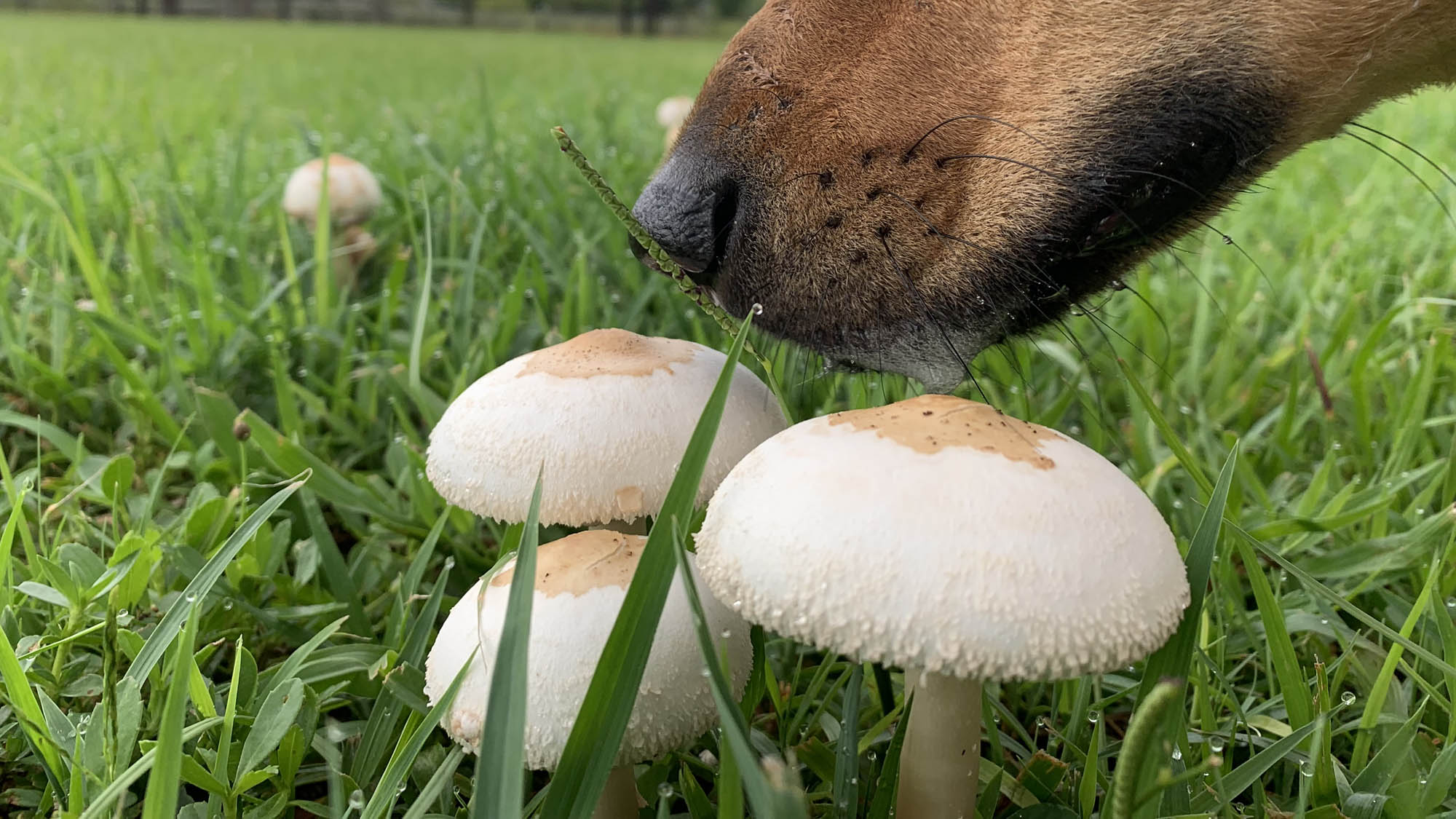
Image Source: homegrown.extension.ncsu.edu
Fathoming the Fungal Presence: The Primary Triggers
Mushrooms are the fruiting bodies of fungi, much like apples are to an apple tree. The main part of the fungus lives underground as a network of thread-like structures called mycelium. When the conditions are favorable, this mycelium produces mushrooms to release spores and reproduce. Several key factors contribute to their appearance:
- Abundant Organic Matter: Fungi are decomposers. They thrive on dead and decaying organic material. Your yard, like any garden, is a rich source of this. Think of fallen leaves, grass clippings, dead roots, and even pet waste. The more of this “food” available, the more likely fungi are to flourish.
- Adequate Moisture: Fungi need water to grow and spread. Consistent moisture, whether from regular rainfall, irrigation, or even dew, provides the hydration necessary for mycelium to develop and produce mushrooms. Damp soil is a breeding ground for these organisms.
- Suitable Soil Conditions: The composition and health of your soil play a significant role. Compacted soil can hinder water drainage, leading to persistently moist conditions that fungi love. Conversely, soil that is too dry or lacks nutrients might not support much fungal activity.
- Temperature Fluctuations: While fungi can grow in various temperatures, they often appear after periods of warm, wet weather. This combination is ideal for their reproductive cycle. Spring and fall are common times for mushroom sightings due to these seasonal shifts.
- Shade and Reduced Airflow: Areas of your yard that receive less direct sunlight and have limited airflow are more prone to retaining moisture. This creates a microclimate that is highly conducive to mushroom growth. Dense tree canopies or areas shaded by buildings can create these conditions.
The Role of Organic Matter
Organic matter is the cornerstone of a healthy ecosystem, and in your yard, it’s the primary food source for mushrooms. This includes anything that was once alive and is now breaking down:
- Leaf Litter: Fallen leaves from trees are a prime example. As they decompose, they provide a nutrient-rich environment for fungi.
- Grass Clippings: If you leave grass clippings on the lawn after mowing, they too will break down, offering food for fungi.
- Woody Debris: Buried tree roots, old stumps, or even mulch that hasn’t fully decomposed can be a significant food source.
- Animal Waste: Pet droppings left in the yard can also contribute to the organic matter content and, consequently, to mushroom growth.
The more organic matter there is, the more food the mycelium has. This leads to a more robust fungal network and, in turn, a higher chance of seeing mushrooms.
Moisture: The Essential Ingredient
Water is critical for mushroom development. Without enough moisture levels, the mycelium cannot expand, and mushrooms will not form.
- Rainfall: Periods of consistent rainfall are a major trigger. The water soaks into the soil, hydrating the mycelium and signaling it to produce mushrooms.
- Irrigation: If you water your lawn frequently, especially during drier spells, you are creating a moist environment that fungi can exploit.
- Dew and Condensation: Even without rain, morning dew and condensation can provide enough moisture for surface-level fungal growth, especially in shaded areas.
Table 1: Moisture Levels and Mushroom Growth
| Moisture Level | Impact on Mushroom Growth |
|---|---|
| Very Dry | Inhibits growth; mycelium remains dormant. |
| Slightly Moist | Encourages mycelium expansion and slow development. |
| Consistently Moist | Optimal for rapid mycelium growth and mushroom formation. |
| Waterlogged | Can inhibit growth due to lack of oxygen for mycelium. |
Soil Conditions: The Foundation
The state of your soil significantly influences whether mushrooms will grow.
- Soil Type: Some soil types retain moisture better than others. Clay soils, for instance, can become waterlogged, creating ideal conditions for fungi. Sandy soils may drain too quickly unless amended with organic matter.
- Soil Compaction: Compacted soil reduces aeration and drainage, leading to persistently damp conditions that fungi favor.
- pH Levels: While most common lawn mushrooms are not overly sensitive to pH, extreme levels might influence which types of fungi can thrive.
The Influence of Shade and Airflow
Mushrooms often appear in areas of your yard that are shadier and less exposed to wind.
- Shade: Areas under trees, near fences, or on the north side of buildings tend to stay cooler and moister. This prolonged dampness encourages fungal activity.
- Airflow: Good airflow helps dry out the soil surface. When airflow is limited, moisture can linger, creating a more hospitable environment for mushrooms.
Deciphering the Types of Mushrooms in Your Yard
There are thousands of species of fungi, and the ones that appear in your yard are likely common decomposers. Fungi identification is a specialized field, and for most homeowners, a general understanding is sufficient.
Common Mushroom Groups Found in Yards
- Decomposers (Saprophytes): These are the most common type. They break down dead organic matter. Examples include Agaricus species (similar to store-bought mushrooms), Coprinus species (inky caps), and Marasmius species (fairy rings).
- Mycorrhizal Fungi: These fungi form a symbiotic relationship with plant roots, helping plants absorb nutrients. While they are beneficial for your lawn’s health, their fruiting bodies (mushrooms) can still appear.
Recognizing Specific Growth Patterns
The way mushrooms grow can sometimes offer clues about the underlying fungal activity:
- Fairy Rings: These are circular or arc-shaped patterns of mushrooms. They form as the mycelium grows outwards from a central point, feeding on organic matter in the soil. The grass within the ring may be greener due to the nutrients released by the fungus.
- Clusters: Mushrooms growing in dense groups often indicate a rich patch of organic matter or a particularly strong mycelial network.
- Solitary Growth: Single mushrooms popping up can occur when a spore lands in an opportune spot and germinates.
What Your Mushrooms Mean for Lawn Health
The presence of mushrooms is often a signal about your lawn health and its underlying soil conditions.
Mushrooms as Indicators
- Healthy Decomposition: Mushrooms are a sign that your soil is alive and actively decomposing organic matter. This is a natural and essential process for recycling nutrients.
- Excess Moisture: Persistent mushroom growth can indicate areas where moisture levels are too high or drainage is poor. This could lead to problems like fungal diseases affecting your grass.
- Thatch Buildup: A thick layer of thatch (dead grass and roots) can provide a food source for fungi and also retain moisture, contributing to mushroom growth.
Are the Mushrooms Poisonous?
This is a critical question for many homeowners. The vast majority of mushrooms that sprout in lawns are not of significant concern regarding toxicity to pets or humans if ingested in small quantities, but it’s impossible to know for sure without expert Fungi identification.
Crucially, never eat wild mushrooms from your yard unless you are an expert mycologist or have had them positively identified by one. Many poisonous mushrooms closely resemble edible ones.
- Pets: Dogs, in particular, are curious and may nibble on mushrooms. While most lawn mushrooms are unlikely to cause severe poisoning, some species can be toxic. It’s best to remove any mushrooms your pets can access.
- Children: Supervise children closely in the yard to prevent them from eating any mushrooms.
Managing Mushrooms in Your Yard
While mushrooms are a natural part of a healthy ecosystem, you might want to manage their appearance for aesthetic reasons or to address underlying issues.
Practical Yard Maintenance Strategies
Effective yard maintenance can significantly reduce the likelihood of mushrooms appearing.
- Remove Organic Debris:
- Rake up fallen leaves regularly.
- Remove grass clippings promptly if you don’t have a mulching mower.
- Clear away any pet waste.
- Improve Drainage:
- If your soil is heavily compacted, consider aeration. This process creates small holes in the soil, allowing water and air to penetrate more effectively.
- If you have persistently waterlogged areas, you may need to address the underlying drainage problem, which could involve installing drainage systems or amending the soil with sand and compost to improve structure.
- Reduce Thatch:
- Dethatch your lawn periodically to remove the buildup of dead grass. This reduces the food source for fungi and improves air and water circulation.
- Manage Watering:
- Water your lawn deeply but less frequently. This encourages deeper root growth in your grass and allows the soil surface to dry out between waterings, making it less hospitable for mushrooms.
- Improve Airflow and Sunlight:
- Prune trees and shrubs that cast heavy shade over your lawn.
- Trim lower branches of trees to allow more air and light to reach the grass.
Removal Methods
If you simply want to get rid of the visible mushrooms:
- Hand Removal: You can simply pick the mushrooms and discard them. This is a temporary solution as it doesn’t address the underlying mycelium.
- Mowing: Mowing your lawn regularly will chop up the mushrooms. However, this doesn’t eliminate the problem and can help spread mushroom spore dispersal.
Addressing the Root Cause
The most effective way to manage mushrooms is to tackle the conditions that allow them to grow.
- Soil Testing: Consider getting a soil test to understand your soil’s composition, pH, and nutrient levels. This can help you make informed decisions about soil amendments.
- Aeration and Dethatching: These are key practices for improving lawn health and reducing the conditions favorable to mushrooms.
- Topdressing: Adding a thin layer of compost or topsoil can help improve soil structure and drainage over time.
Factors Influencing Mushroom Spore Dispersal
Mushroom spore dispersal is how fungi reproduce and spread. Understanding this helps explain why mushrooms might appear in new areas.
- Wind: Wind is a primary vector for spreading fungal spores, carrying them over long distances.
- Water: Rain splash can dislodge spores and carry them through the soil or across the surface.
- Animals and Insects: Birds, squirrels, insects, and even your pets can inadvertently carry spores on their bodies, feet, or in their droppings.
- Human Activity: Walking through a patch of mushrooms can transfer spores to your shoes, which can then be carried to other parts of your yard or even to other locations.
The Lifecycle and Why They Appear in Cycles
Mushrooms are part of a larger fungal life cycle. The mycelium is perennial, meaning it can live for years underground. It becomes active and produces mushrooms when conditions are right. This is why you might see mushrooms appearing and disappearing seasonally, or even in cycles of several years, depending on the long-term environmental conditions.
Frequently Asked Questions (FAQ)
Q1: Are mushrooms in my yard dangerous?
A1: Most lawn mushrooms are not inherently dangerous in terms of toxicity to humans or pets if only lightly touched. However, never ingest any wild mushroom unless it has been positively identified as edible by a qualified expert. Some species can be toxic if eaten. The presence of mushrooms can sometimes indicate excessive moisture or thatch, which can negatively impact your lawn health.
Q2: How do I get rid of mushrooms permanently?
A2: You cannot permanently get rid of mushrooms in the sense of eradicating the entire fungal mycelium that lives in your soil. Fungi are beneficial decomposers. However, you can manage their visible fruiting bodies by addressing the conditions that encourage their growth. This includes removing organic matter, improving soil conditions and drainage, reducing thatch, and managing moisture levels.
Q3: Why do mushrooms appear after rain?
A3: Rain provides the essential moisture levels that fungi need to produce mushrooms. The water signals the underground mycelium to release spores. This is a common reason for mushroom sightings, especially after periods of dry weather followed by rain.
Q4: Can I eat mushrooms from my yard?
A4: It is strongly advised not to eat mushrooms found in your yard. Correct Fungi identification is extremely difficult and requires expert knowledge. Many poisonous mushrooms look very similar to edible ones. It is safest to buy mushrooms from a reputable source.
Q5: What are fairy rings?
A5: Fairy rings are circular patterns of mushroom growth. They form when the underground fungal mycelium grows outwards from a central point, consuming nutrients in the soil. The grass within the ring might appear greener or be affected in other ways due to the nutrient release and altered soil conditions.
Q6: Is there a way to test for mushroom spores in my yard?
A6: While you can’t directly “test” for mushroom spores in a way that’s practical for a homeowner, the presence of mushrooms themselves is proof that spores are present and have germinated due to favorable conditions. Observing the growth patterns and understanding the soil conditions is more informative than a specific spore test.
Q7: What’s the best time of year to see mushrooms?
A7: Mushrooms often appear most frequently in the spring and fall. These seasons typically bring a combination of adequate rainfall and moderate temperatures that are ideal for fungal growth and mushroom spore dispersal.
Q8: Does mowing my lawn help with mushrooms?
A8: Mowing will cut down the visible mushrooms, but it doesn’t eliminate the problem. In fact, mowing can sometimes help spread mushroom spore dispersal as the spores can stick to mower blades and be carried to other areas of the yard. It’s more effective to address the underlying causes.
Q9: What does it mean if mushrooms grow in a fairy ring?
A9: A fairy ring indicates that the fungal mycelium is growing outward from a central point. This suggests a well-established fungal network actively decomposing organic matter in the soil. It’s a sign of healthy soil biological activity but can also point to areas where you might want to improve drainage or reduce thatch.
Q10: How can I improve my lawn health if mushrooms are a problem?
A10: Focus on good yard maintenance practices. Aerate compacted soil, dethatch to remove excess thatch, ensure proper watering (deeply and less often), and remove any excess organic matter like fallen leaves or grass clippings. These steps will create a less favorable environment for mushrooms while promoting healthier grass.