
Mushrooms popping up in your lawn can be a surprise, but yes, they are generally a sign of beneficial fungal activity in the soil, breaking down organic matter. While they might be unsightly or concerning, these lawn fungi are usually harmless to your grass. Understanding why they appear and how to manage them is key to maintaining a healthy lawn.
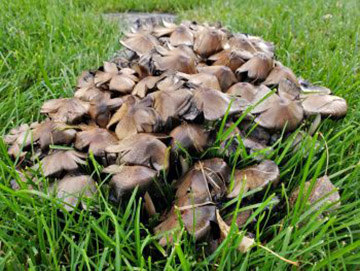
Image Source: organolawn.com
Fathoming the Fungal Foundation: Why Mushrooms Appear
Mushrooms are the fruiting bodies of fungi that live hidden beneath the soil. These fungi have a vast network of thread-like structures called mycelium that play a vital role in lawn health. When soil conditions are just right, this mycelium produces mushrooms.
Essential Elements for Mushroom Growth
Several factors contribute to the appearance of mushrooms in grass:
- Moisture: Fungi thrive in damp environments. Heavy rains, over-watering, or poor drainage can create the perfect conditions. Even morning dew can be enough.
- Organic Matter: Mushrooms are decomposers. They feed on decaying organic material in the soil, such as dead leaves, thatch, buried wood, or animal waste. The more organic matter, the more food for the fungi.
- Temperature: While fungi are resilient, certain temperatures encourage mushroom growth. Most appear in cooler, moist periods of spring and fall, but some can emerge during hot, humid summer spells after rain.
- Shaded Areas: Mushrooms often favor shady, less-trafficked parts of the lawn where moisture lingers longer and the soil is cooler.
- Soil Aeration: Compacted soil can trap moisture, creating ideal conditions for fungal growth. Conversely, well-aerated soil with good drainage can sometimes limit mushroom formation.
Common Causes of Lawn Mushrooms
Let’s delve deeper into the specific reasons you might be seeing toadstools in grass:
1. Thatch Buildup
Thatch is a layer of dead and living shoots, stems, and roots that accumulates between the grass blades and the soil surface. A healthy layer of thatch is beneficial, but when it becomes too thick (more than half an inch), it can hold excess moisture and provide a food source for fungi. This thick layer acts like a sponge, keeping the lower levels of the soil damp and encouraging mycelial growth and mushroom production.
2. Buried Organic Debris
Sometimes, construction or landscaping activities can leave buried organic materials like wood chips, old tree roots, or sod scraps. These act as hidden food sources for the underground mycelial network, often leading to localized outbreaks of mushrooms.
3. Animal Waste
If pets frequent your lawn, their droppings can contribute to mushroom growth. The nitrogen-rich waste provides nutrients that fungi can utilize, often resulting in clusters of mushrooms forming around these spots.
4. Watering Habits
Over-watering is a very common culprit. If you water your lawn too frequently or for too long, you create a consistently moist environment that fungi love. This is especially true if your soil has poor drainage, as the water won’t evaporate quickly.
5. Shade and Poor Air Circulation
Areas of your lawn that receive less sunlight and have limited air movement are prone to retaining moisture. Dense trees, shrubs, or even a poorly designed landscape can contribute to these conditions, making them prime locations for lawn fungi.
6. Natural Soil Decomposition
Even in a well-maintained lawn, the natural process of decomposition is always happening. Grass clippings, fallen leaves, and other organic matter are constantly being broken down by beneficial soil microbes, including fungi. When the conditions are right, this natural process will manifest as mushrooms.
Deciphering the Diversity: Types of Lawn Mushrooms
It’s helpful to know that not all mushrooms are the same. While mushroom identification can be complex and often best left to experts, recognizing common types can give you clues about your lawn’s conditions.
The Usual Suspects
- Ink Caps (Coprinus species): These often appear in clusters and have a distinctive ability to “melt” into an inky liquid as they age. They commonly grow on decaying organic matter.
- Field Mushrooms (Agaricus campestris): These are edible and resemble the button mushrooms found in stores. They prefer well-drained, grassy areas.
- Puffballs (Lycoperdon species): These are spherical or pear-shaped and release spores when mature and disturbed. They are generally found in grassy areas with good soil.
- Shiitake and Oyster Mushrooms: While less common in typical lawns, these can appear if there are buried or decaying hardwood logs on the property.
The Enigmatic Fairy Rings
Perhaps the most noticeable and often concerning type of mushroom manifestation is the fairy ring. This is a circular or semi-circular pattern of mushrooms appearing in the grass.
What Causes Fairy Rings?
Fairy rings are caused by the growth of a specific type of lawn fungi called Marasmius oreades or similar species. The mycelium of this fungus grows outwards in a circular pattern from a central point. As it grows, it consumes organic matter in the soil. This consumption can initially fertilize the grass within the ring, making it greener and faster-growing, while the outer edge of the ring, where the mycelium is actively decomposing, can sometimes create a darker green band or even a zone of dead grass if the fungus is particularly aggressive. The mushrooms themselves appear at the outer edge of the actively growing mycelium.
Recognizing Fairy Rings:
- Circular Pattern: The most obvious sign is the distinct ring shape.
- Dark Green Grass: The grass inside the ring may be a richer green due to the nutrients released by the fungus.
- Mushrooms: Mushrooms will typically appear along the outer edge of the ring.
- Dead or Brown Patches: In some cases, especially in drier conditions or with more aggressive fungi, the outer edge of the ring can appear as a ring of dead or brown grass.
Navigating the Nuances: Solutions and Management Strategies
Seeing mushrooms doesn’t automatically mean your lawn is unhealthy. However, if you find them unsightly or are concerned about specific types, there are ways to manage them. The goal is usually to address the underlying conditions that encourage their growth, rather than directly targeting the mushrooms themselves.
Removing Lawn Mushrooms: Practical Steps
Directly removing the mushrooms you see is a temporary fix. They are merely the visible part of a larger fungal network.
- Hand Removal: Simply pick the mushrooms and discard them. This is the most common and easiest method.
- Bag and Dispose: It’s often recommended to bag the mushrooms you remove. Do not compost them, as this could spread spores.
Addressing Underlying Causes for Long-Term Control
The most effective way to reduce mushroom growth is to tackle the conditions that foster it. This involves good lawn care practices.
1. Manage Thatch
- Dethatching: Regularly dethatch your lawn, especially in spring and fall, to remove excess thatch. This can be done with a manual dethatcher, a power rake, or a core aerator. Aim to keep the thatch layer below half an inch.
- Proper Mowing: Avoid cutting your grass too short. Taller grass helps prevent thatch buildup and shades the soil, keeping it cooler and less hospitable to some fungi.
2. Improve Drainage
- Aeration: Core aeration opens up the soil, reducing compaction and improving air and water circulation. This helps excess moisture drain away more effectively.
- Amend Soil: If your soil is heavily clay-based and retains water, consider amending it with organic matter like compost. This improves drainage and soil structure.
- Address Low Spots: Fill in any low-lying areas in your lawn where water tends to collect after rain.
3. Adjust Watering Habits
- Water Deeply and Infrequently: Instead of watering a little bit every day, water your lawn deeply but less often. This encourages deeper root growth and allows the surface to dry out between waterings, discouraging shallow fungal growth.
- Morning Watering: If possible, water your lawn in the morning. This allows the grass blades to dry off during the day, reducing the chances of fungal diseases and prolonged moisture on the surface.
- Check Sprinkler System: Ensure your sprinklers are not over-watering or watering for too long.
4. Fertilization and Soil Health
- Balanced Fertilization: Use a balanced fertilizer according to your grass type’s needs. Avoid over-fertilizing, especially with nitrogen, as this can promote lush growth that holds moisture and can feed certain fungi.
- Top Dressing: Top dressing with a thin layer of compost can improve soil structure and health over time, fostering a more resilient lawn ecosystem.
5. Address Buried Organic Matter
- Excavate: If you know there’s buried wood or other organic debris, the most effective solution is to excavate the area, remove the debris, and then reseed or resod. This is often impractical for large areas but can be effective for localized problem spots.
6. Manage Animal Waste
- Prompt Cleanup: If pets use your lawn, clean up their waste promptly to prevent it from acting as a nutrient source for fungi.
7. Dealing with Fairy Rings
Managing fairy rings can be more challenging.
- Watering: For mild fairy rings, consistent watering can sometimes help the grass recover and mask the effect.
- Aeration and Dethatching: These practices can help disrupt the mycelial network.
- Soil Amendment: Aerating and top-dressing with compost can improve soil health, making it less favorable for the fungi.
- Fungicides: In severe cases, a broad-spectrum fungicide labeled for lawn use might be considered, but it’s important to follow application instructions carefully and understand that it’s a temporary solution that doesn’t address the underlying cause. For specific mushroom identification, consulting a local garden center or extension office can help you choose the right product if needed.
When to Seek Professional Help
While most lawn mushrooms are harmless, there are a few situations where consulting a professional might be beneficial:
- Identifying Poisonous Mushrooms: If you have children or pets, and you suspect the mushrooms might be poisonous, it’s crucial to consult an expert for mushroom identification. Never assume a mushroom is safe to touch or eat.
- Persistent or Widespread Problems: If you’ve tried various lawn care methods and continue to have significant mushroom outbreaks, a turf management professional can help diagnose the specific causes of lawn mushrooms and recommend targeted solutions.
- Severe Fairy Ring Damage: If fairy rings are causing significant dead patches or are very extensive, professional advice might be necessary.
Key Takeaways for a Healthy Lawn
Remember, mushrooms are a natural part of the soil ecosystem. They indicate that your soil is alive and working to break down organic matter.
- Focus on Prevention: The best approach is good lawn care.
- Moisture Control: Manage watering and drainage effectively.
- Thatch Management: Keep thatch levels in check.
- Soil Health: Improve soil structure through aeration and amending.
- Observation: Pay attention to where and when mushrooms appear, as this can offer clues to the problem.
By implementing these strategies, you can enjoy a healthier, more resilient lawn and minimize the appearance of unwanted toadstools in grass.
Frequently Asked Questions (FAQ)
Are Lawn Mushrooms Dangerous?
Most lawn mushrooms are not dangerous to your grass and are often a sign of healthy soil activity. However, some species can be poisonous if ingested by pets or children. It’s always best to err on the side of caution and prevent access to them if you are unsure of their identity.
Can I Eat Mushrooms Growing in My Lawn?
It is strongly advised NOT to eat any mushrooms found growing in your lawn. Even if they resemble edible varieties, distinguishing between safe and poisonous mushrooms requires expert knowledge. The risk of accidental poisoning is too high.
How Do I Get Rid of Mushrooms Permanently?
It’s difficult to get rid of lawn mushrooms permanently because they are a natural part of the soil ecosystem. The best approach is to manage the conditions that encourage their growth, such as excess moisture, thatch buildup, and buried organic matter. By improving lawn health and soil conditions, you can significantly reduce their appearance over time.
Is Fertilizer Causing My Mushrooms?
While not a direct cause, over-fertilizing, especially with high-nitrogen fertilizers, can contribute to mushroom growth. Lush, moist growth that results from too much fertilizer can create an environment favorable to fungi. However, the primary drivers are usually moisture and organic matter.
What Does it Mean When Mushrooms Grow in Rings?
Mushrooms growing in rings, known as “fairy rings,” are caused by specific types of fungi that grow outwards from a central point in the soil. As the fungus consumes organic matter, it creates a circular pattern. The mushrooms are the fruiting bodies that appear at the outer edge of this active fungal growth.
Should I Rake Up Mushrooms?
Yes, raking or picking up mushrooms is a good idea if you find them unsightly or are concerned about pets and children interacting with them. However, simply removing the mushrooms does not eliminate the underlying fungal network in the soil.
My Lawn Has a Lot of Thatch. How Do I Deal With It?
To deal with thatch, you should dethatch your lawn regularly. This can be done manually with a rake or a dethatching tool, or mechanically with a power rake or core aerator. Aim to keep the thatch layer no more than half an inch thick for optimal lawn health.
How Can I Improve My Lawn’s Drainage?
Improving lawn drainage involves several methods. Core aeration helps break up soil compaction. Addressing low spots by filling them in can prevent water from pooling. Amending clay soil with compost improves its structure and allows for better water percolation. Ensuring your sprinkler system isn’t over-watering is also crucial.
Are Mushrooms a Sign of a Dying Lawn?
No, mushrooms are generally not a sign of a dying lawn. In fact, they can indicate a healthy soil ecosystem with plenty of organic matter for decomposition. They are more a sign of specific moisture and nutrient conditions that favor fungal fruiting bodies.