
You have mushrooms in your yard because the conditions are right for them to grow. This usually means there’s plenty of moisture and decomposing organic matter in your soil.
Mushrooms are the fruiting bodies of fungi, which are a vital part of your lawn’s ecosystem. While they might seem like unwelcome guests, their presence is often a sign of a healthy, albeit moist, environment. Fungal networks, also known as mycelium, live underground, breaking down dead plant material and returning nutrients to the soil. When the conditions are just right – think adequate moisture, suitable temperatures, and readily available food sources – these underground networks produce the mushrooms we see above ground.
Many homeowners wonder why these mysterious growths pop up seemingly overnight. The truth is, they’ve been there all along, waiting for their moment to reproduce. This post will delve into the various reasons for mushrooms appearing in your yard and offer guidance on managing them.
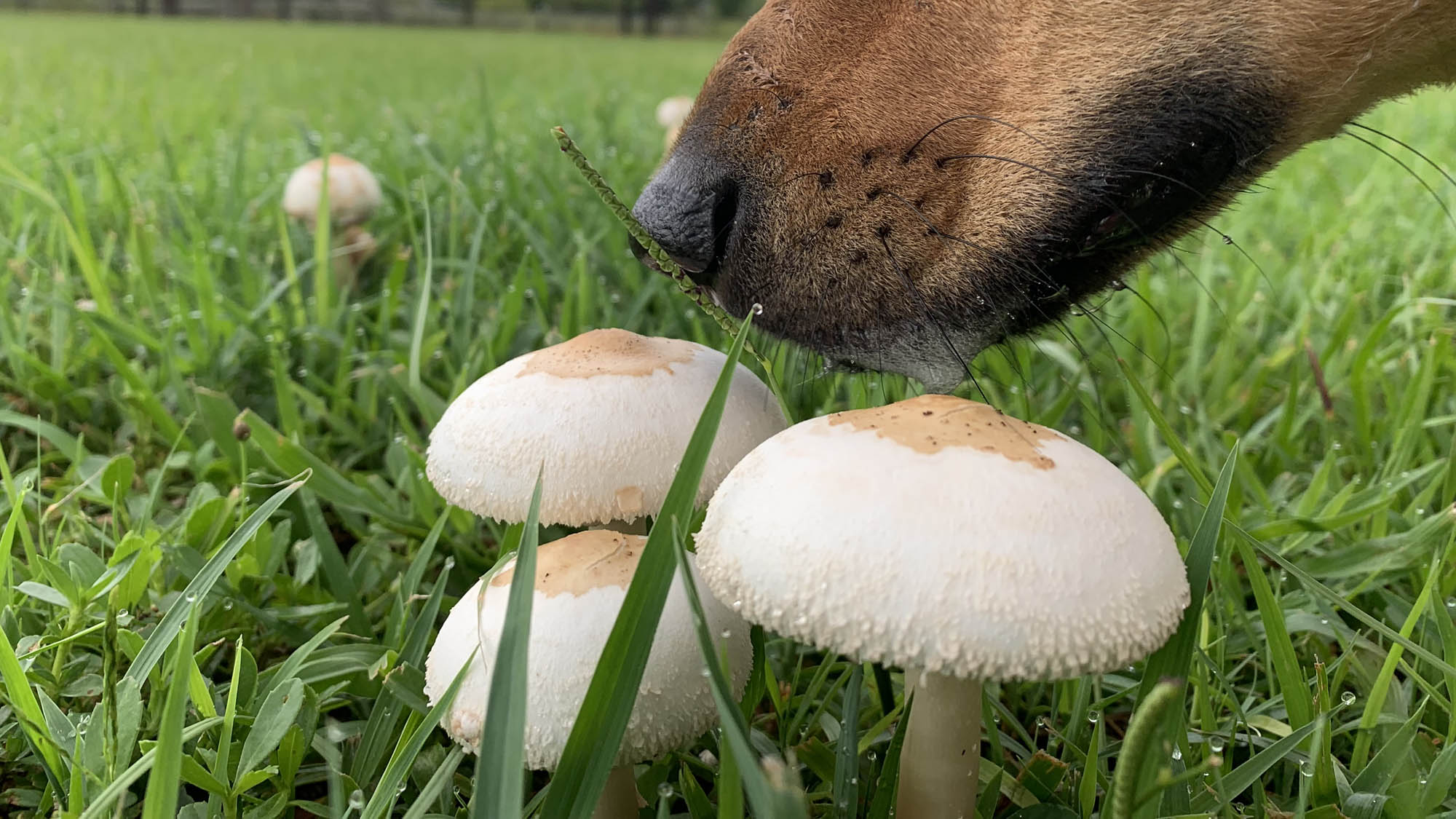
Image Source: homegrown.extension.ncsu.edu
Fathoming the Roots of Yard Fungi
The presence of yard mushrooms isn’t a sign that your lawn is unhealthy, but rather an indicator of specific environmental factors at play. These fascinating organisms are nature’s recyclers, playing a crucial role in breaking down organic material.
The Essential Ingredients for Mushroom Growth
Several key mushroom growth factors contribute to their appearance:
- Moisture: Fungi thrive in damp conditions. Periods of heavy rain, over-watering, or poor drainage can create the ideal environment. Even dew can provide enough moisture for some lawn fungi to fruit.
- Organic Matter: Mushrooms feed on decaying organic material. This can include fallen leaves, thatch (dead grass blades at the soil surface), dead roots, buried wood, or even animal waste. The more decomposing matter, the more food available for fungi.
- Temperature: Most common yard mushrooms appear during warmer, humid months, particularly after rain. However, some can emerge in cooler weather as well.
- Soil Conditions: Compacted soil with poor aeration can trap moisture, encouraging fungal growth. Soil pH can also play a role, though it’s less of a direct cause than moisture and food.
Deciphering Soil Conditions and Decomposing Matter
The health of your soil is paramount when it comes to fungal presence. Healthy soil teems with life, including beneficial bacteria, nematodes, and fungi. When organic matter is present in abundance and there’s sufficient moisture, the underground mycelial network becomes active and produces mushrooms.
- Thatch Build-up: A thick layer of thatch can hold moisture close to the surface and provides a food source for fungi.
- Buried Debris: Old tree stumps, buried logs, or even construction debris can serve as long-term food sources for specific types of mushrooms.
- Animal Waste: Dog or other animal droppings can also fertilize the soil and provide nutrients that encourage mushroom growth.
Common Reasons for Mushrooms Appearing in Your Yard
Let’s break down the most common scenarios that lead to yard mushrooms:
- Recent Rainfall: This is arguably the most common trigger. A few days of consistent rain, especially after a dry spell, can stimulate the mycelium to produce fruiting bodies.
- Over-watering: If your irrigation system is set too high or you’re watering too frequently, you’re essentially creating a consistently moist environment ideal for fungi.
- Shady, Damp Areas: Areas of your yard that receive less sunlight and tend to stay moist longer are prime locations for mushrooms. This could be under dense trees or on the north side of buildings.
- Leaf Litter: A thick layer of fallen leaves left on the lawn over winter or autumn provides ample food and moisture retention for fungi.
- Dead or Dying Trees/Roots: If you have old trees that are dying or have had trees removed, the remaining buried roots can be a significant food source for fungi, leading to rings of mushrooms.
- Animal Activity: As mentioned, animal droppings can act as a fertilizer boost, encouraging mushroom growth in specific spots.
Identifying Yard Mushrooms: What You Need to Know
While most yard mushrooms are harmless decomposers, it’s crucial to know that some can be poisonous, especially to pets and children. Therefore, identifying yard mushrooms accurately is important, though often difficult without expert knowledge.
The Importance of Proper Identification
- Toxicity: Some mushrooms contain toxins that can cause severe illness or even death if ingested. It’s always best to err on the side of caution and never consume wild mushrooms unless you are an expert identifier.
- Underlying Issues: While mushrooms themselves aren’t usually the problem, their presence might point to other lawn care issues, such as poor drainage or excessive thatch.
When to Seek Expert Advice for Identification
If you are concerned about the type of mushrooms growing in your yard, or if you have pets or small children who might ingest them, consider consulting with:
- Local Extension Office: Many university extension offices have horticulturalists or plant pathology experts who can help identify common lawn fungi.
- Mycology Societies: Local mushroom clubs or societies often have members who are knowledgeable about mushroom identification.
- Reputable Field Guides: While not a substitute for expert advice, well-illustrated field guides can help you learn about common mushroom types.
Common Types of Yard Mushrooms
Many different types of fungi can produce yard mushrooms. Here are a few common examples, but remember, identification can be tricky:
| Mushroom Type | Common Appearance | Where Found | Potential Concerns |
|---|---|---|---|
| Inky Caps | Small, conical to bell-shaped caps that dissolve into a black, inky liquid as they mature. | Lawns, gardens, compost piles, often in clusters. | Generally not considered poisonous, but identification is key. |
| Puffballs | Spherical or oval, with a white to cream-colored outer skin. Young puffballs have solid white interiors. | Lawns, pastures, often appearing after rain. | Edible when young and pure white inside, but can resemble poisonous species when older or if they develop dark spores. |
| Coprinus | Similar to Inky Caps, also autodigest into an inky fluid. | Lawns, especially those with decaying organic matter. | Some species can cause adverse reactions with alcohol. |
| Field Mushrooms | Classic mushroom shape with a cap and gills. | Open lawns, meadows, well-maintained grass. | Can be confused with toxic species. |
| False Truffles | Irregularly shaped, often underground or near the surface. | Wooded areas, lawns with buried wood. | Usually not poisonous but can be unpleasant. |
| Fairy Ring Mushrooms | Mushrooms that grow in a circular pattern. | Lawns, pastures. | Can indicate compacted soil or certain soil diseases. |
Mushroom Control: Managing Unwanted Fungal Guests
For most people, the primary concern is not the mushrooms themselves, but rather their aesthetic impact or potential toxicity. If you want to reduce the fungal presence in your yard, focus on altering the conditions that promote their growth.
Natural and Cultural Control Methods
These methods focus on removing the food source or changing the environment to make it less hospitable for fungi.
- Rake and Remove Mushrooms: The simplest method is to manually remove mushrooms as they appear. This prevents them from releasing spores and can help reduce future growth. Bag them and dispose of them in the trash.
- Reduce Thatch: Aerating your lawn in the spring and fall helps break up thatch layers. Dethatching services can also be beneficial.
- Improve Drainage: If certain areas of your yard are consistently wet, consider improving drainage. This might involve amending the soil with organic matter or installing drainage systems.
- Water Wisely: Water your lawn deeply but infrequently, allowing the soil surface to dry out between watering sessions. Water in the morning so any residual moisture evaporates before evening.
- Remove Decomposing Matter: Regularly rake up fallen leaves and other organic debris. If you have old tree stumps or buried wood, consider removing them.
- Sunlight: Prune trees or shrubs that cast excessive shade on problem areas to allow for better air circulation and sunlight.
Chemical Control of Lawn Fungi
Chemical fungicides are generally not recommended for controlling yard mushrooms. They are often a temporary fix because they don’t address the underlying causes. Furthermore, most lawn fungicides are designed to prevent diseases, not to kill the widespread fungal networks that produce mushrooms.
- Limited Effectiveness: Fungicides typically target specific fungal diseases and may not be effective against the saprophytic fungi that cause mushrooms.
- Environmental Impact: Chemical treatments can harm beneficial soil organisms and may pose risks to pets and children.
- Focus on Prevention: It’s far more effective to focus on cultural practices that make your lawn less inviting to fungi in the first place.
When to Consider Professional Help
If you have persistent and widespread mushroom growth, or if you are concerned about potential toxicity, it might be worth consulting with a lawn care professional or a certified arborist. They can help diagnose any underlying soil issues and recommend appropriate management strategies.
The Role of Fungi in a Healthy Lawn
It’s important to remember that lawn fungi are not always the enemy. The vast underground mycelial networks are essential for:
- Nutrient Cycling: They break down dead organic matter, releasing vital nutrients back into the soil that plants can use.
- Soil Structure: Fungal hyphae can help bind soil particles together, improving soil structure and water retention.
- Plant Health: Many fungi form symbiotic relationships with plant roots (mycorrhizae), helping plants absorb water and nutrients.
The appearance of yard mushrooms is a natural part of this process. Instead of solely focusing on mushroom control, consider it an opportunity to assess your lawn’s soil conditions and watering habits. By fostering a healthier, well-balanced lawn, you can often manage the conditions that lead to excessive mushroom growth.
Frequently Asked Questions about Yard Mushrooms
-
Q: Are yard mushrooms dangerous?
A: While most yard mushrooms are harmless decomposers, some species can be poisonous if ingested by people or pets. It is best to avoid touching or consuming them and to teach children to do the same. If you suspect ingestion, contact your local poison control center or a veterinarian immediately. -
Q: Why do mushrooms appear in rings?
A: Mushrooms growing in a circular pattern are often referred to as “fairy rings.” These are caused by the outward growth of the underground mycelial network. As the fungus consumes the nutrients in the soil, it grows in a circle, eventually producing mushrooms at the edge of the expanding ring. -
Q: Can I eat the mushrooms growing in my yard?
A: It is strongly advised not to eat yard mushrooms unless you are an expert in mushroom identification. Many edible mushrooms have poisonous look-alikes, and misidentification can have serious consequences. Focus on enjoying the visual aspect of these natural phenomena from a distance. -
Q: How can I get rid of mushrooms in my lawn permanently?
A: It’s difficult to permanently eliminate all fungal presence as fungi are a natural part of soil ecosystems. The goal should be to manage their growth by improving your lawn’s soil conditions and reducing the decomposing matter and excess moisture that encourage their appearance. -
Q: Does having mushrooms mean my lawn has a disease?
A: Not necessarily. While some fungal diseases can cause mushrooms, the presence of yard mushrooms is more often an indication of healthy decomposition and adequate moisture rather than a disease attacking your grass. However, if you see other signs of distress in your lawn, it’s worth investigating further. -
Q: My dog ate a yard mushroom, what should I do?
A: If your pet has ingested a mushroom from your yard, contact your veterinarian or an animal poison control center immediately. Try to get a clear photo of the mushroom (without touching it if possible) to help with identification.
By taking a proactive approach to lawn care, focusing on soil health and appropriate watering practices, you can effectively manage the appearance of yard mushrooms and enjoy a healthier, more vibrant lawn.