
Seeing a scattering of mushrooms in your yard can be a common sight, but a sudden abundance of them often prompts the question: why are there so many mushrooms in my yard? The answer is usually straightforward: mushrooms are the fruiting bodies of fungi that have been happily growing unseen in your soil for some time. Their appearance is a sign that conditions are favorable for fungal growth.
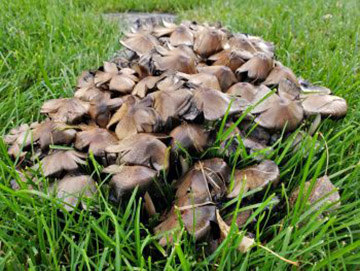
Image Source: organolawn.com
Fathoming the Fungi: What Mushrooms Tell Us About Your Lawn
Mushrooms are essentially the reproductive structures of a much larger organism – the mycelium. This intricate network of thread-like hyphae lives underground or within decaying organic matter. When the environment is just right, the mycelium produces these visible mushrooms to release spores and start new fungal colonies. So, a yard full of mushrooms is a visual cue that your soil is alive and kicking, harboring a robust underground fungal community.
Mushroom Growth Causes: The Perfect Storm for Fungi
Several key factors contribute to a sudden explosion of mushrooms in your yard. Think of it as a recipe where all the ingredients are perfectly balanced for fungal success.
Soil Conditions for Mushrooms
The health and composition of your soil play a paramount role.
- Richness in Organic Matter: Mushrooms thrive on dead and decaying organic material. This is their primary food source. If your lawn has a thick layer of thatch (dead grass and roots), fallen leaves, wood chips, or composted material, it provides an ideal buffet for fungi. This decaying organic matter is the fuel for their growth.
- Soil Structure: Well-aerated soil with good drainage can still support fungi, but overly compacted soil that retains excessive moisture can create anaerobic conditions that some fungi prefer.
- pH Levels: While most fungi are adaptable, certain species prefer slightly acidic to neutral soil conditions.
Moisture Levels and Mushrooms
Water is a critical ingredient for mushroom development.
- Consistent Rainfall: Periods of heavy or prolonged rainfall are a major trigger for mushroom fruiting. The moisture penetrates the soil, activating the underground mycelium.
- Humidity: High humidity in the air also contributes to the formation of mushroom caps and stems.
- Irrigation: Overwatering your lawn can create the persistently damp conditions that many fungi love.
Environmental Triggers
Beyond soil and moisture, other environmental factors can encourage mushroom blooms:
- Temperature Fluctuations: A sudden shift from a dry spell to warm, wet weather can stimulate growth. Conversely, a cool, damp period after warmer weather can also be a trigger.
- Shade: Many mushroom species prefer shady, cool environments where moisture can be retained. Areas under trees or in perpetually shaded parts of your yard are prime locations for fungal activity.
- Recent Aeration or Soil Disturbance: While seemingly counterintuitive, disturbing the soil can sometimes expose new food sources for fungi or break up existing mycelial networks, prompting them to produce fruiting bodies to spread their spores.
Deciphering Yard Fungi Identification: What Are You Looking At?
Identifying the specific types of mushrooms in your yard can be fascinating, but it’s also important for safety. Not all yard fungi are harmless.
Common Types of Yard Fungi
Here are some common types of fungi you might find:
- Fairy Rings: These are circles or arcs of mushrooms that appear in lawns. They are caused by the outward growth of the mycelium. The grass within the ring may be greener due to the nutrients released by the fungi.
- Ink Caps (Coprinus species): These mushrooms often appear in clusters. Many species deliquesce, meaning they dissolve into an inky black liquid after a short period.
- Inky Mushrooms: Similar to Ink Caps, these are often found in damp areas and decompose rapidly.
- Stinkhorns: These are characterized by their unusual, often phallic shapes and a foul odor that attracts flies, which then help disperse their spores.
- Puffballs: These start as small, round or pear-shaped fungi and, when mature, release clouds of spores when disturbed.
- Shelf Fungi/Conks: These are woody or leathery mushrooms that grow on dead or dying trees and stumps, appearing like shelves or brackets.
Beneficial Yard Fungi vs. Toxic Yard Mushrooms
It’s crucial to distinguish between the beneficial and the potentially harmful.
- Beneficial Yard Fungi: Many fungi in your lawn are decomposers. They break down dead organic matter, returning vital nutrients to the soil, which improves soil health and supports plant growth. Mycorrhizal fungi, for instance, form symbiotic relationships with plant roots, helping them absorb water and nutrients.
- Toxic Yard Mushrooms: Some mushrooms are poisonous to humans and pets if ingested. It is vital to never consume any wild mushroom unless you are absolutely certain of its identification by an expert. Some toxic mushrooms can cause severe illness or even death.
A Visual Guide to Common Lawn Fungi (Illustrative – Seek Expert Identification):
| Mushroom Type | Appearance | Habitat | Notes |
|---|---|---|---|
| Fairy Ring | A circular pattern of mushroom growth. The grass inside can be darker green. | Lawns, pastures | Caused by the spreading underground mycelium. Mostly harmless. |
| Ink Cap | Small to medium cap, often bell-shaped, turning black and liquid from the edge inwards. | Lawns, mulch, compost | Many species deliquesce. Generally not toxic, but identification is key. |
| Puffball | Round or pear-shaped, typically white or off-white. Spores are released as a puff of dust. | Lawns, fields, woods | Edible when young and solid white inside, but never eat unless certain. |
| Stinkhorn | Often phallic or alien-like shape, with a slimy, foul-smelling spore mass on top. | Lawns, gardens, mulch | Distinctive smell attracts insects for spore dispersal. Non-toxic but unpleasant. |
| Shelf Fungi | Hard, woody or leathery structures growing horizontally from tree trunks or stumps. | Dead or dying trees, stumps | Indicate wood decay. Can be hosts to various fungi, some edible, many not. |
Disclaimer: This table is for general reference only. Always consult a local expert for accurate identification before touching or considering consumption of any wild mushroom.
Dealing with Yard Mushrooms: To Remove or Not to Remove?
The decision to remove mushrooms from your yard depends on your aesthetic preferences and concerns about safety.
Why You Might Want Mushroom Removal Lawn
- Aesthetics: Many people find mushrooms unsightly and prefer a perfectly manicured lawn.
- Pet and Child Safety: If you have curious pets or young children who might ingest mushrooms, removal is a crucial safety measure. Even if a mushroom isn’t directly toxic, some can cause mild stomach upset.
- Thatch Management: A large number of mushrooms can sometimes indicate a thick thatch layer, which might need addressing for lawn health.
Mushroom Removal Lawn Techniques
Fortunately, removing mushrooms is usually quite simple.
- Manual Removal: The most straightforward method is to simply pick them by hand. Wear gloves if you are concerned about contact with any potentially irritating substances. You can also use a trowel or spade to dig them up, ensuring you get as much of the base as possible.
- Raking: For large areas or a scattered presence, a stiff rake can help dislodge mushrooms.
- Yard Waste Disposal: Once removed, dispose of the mushrooms in a sealed bag in your trash. Leaving them on the lawn to decompose can encourage further fungal growth.
Important Note: Simply removing the visible mushrooms will not eliminate the underground mycelium. Fungi are persistent organisms, and new mushrooms will likely reappear if conditions remain favorable.
Addressing the Root Cause: Lawn Care for Fungi Management
To reduce mushroom growth long-term, focus on improving your lawn’s overall health and managing the conditions that fungi love.
- Thatch Management:
- Dethatching: Regularly dethatch your lawn, especially if the thatch layer is more than half an inch thick. This removes the accumulated dead organic matter that mushrooms feed on.
- Proper Mowing: Mow your lawn at the correct height for your grass type. Avoid cutting too short, as this can stress the grass and encourage thatch buildup.
- Watering Practices:
- Water Deeply and Infrequently: Encourage deep root growth by watering thoroughly but less often. This helps prevent the surface layer from becoming overly saturated.
- Water in the Morning: This allows the grass and soil surface to dry out during the day, reducing the damp conditions that fungi prefer.
- Fertilization:
- Balanced Fertilization: Use a balanced fertilizer appropriate for your grass type. Avoid over-fertilizing, especially with nitrogen, which can lead to excessive top growth and thatch.
- Avoid Over-Composting: If you use compost, ensure it’s well-rotted and don’t create excessively deep layers of organic material.
- Aeration:
- Core Aeration: Aerating your lawn periodically improves air circulation and drainage, which can help reduce dampness and compaction.
- Sunlight and Airflow:
- Prune Trees and Shrubs: If certain areas of your yard are constantly shaded and damp due to overgrown vegetation, consider light pruning to improve sunlight and airflow.
- Remove Debris: Regularly clear fallen leaves, twigs, and other organic debris from your lawn.
When Fungi Are a Sign of Deeper Issues
While often a sign of healthy decomposition, a persistent and overwhelming mushroom presence, particularly in conjunction with other lawn problems, might indicate underlying issues.
Soil Conditions for Mushrooms: Beyond the Basics
- Poor Drainage: If your soil consistently stays wet for extended periods after rain or watering, it might indicate poor drainage. This can lead to root rot in your grass and create ideal conditions for certain types of fungi.
- Compacted Soil: Heavily compacted soil restricts air and water movement, which can lead to a less healthy turf and create pockets of moisture that fungi exploit.
Recognizing Problematic Fungi
Some mushroom growth patterns can signal more significant problems:
- Extensive Fairy Rings: While visually interesting, very large or numerous fairy rings can sometimes indicate compacted soil or nutrient deficiencies that stress the grass, making it more susceptible to fungal colonization.
- Mushrooms Growing on Living Trees: Mushrooms growing directly on the trunks or roots of living trees are a strong indicator of internal decay within the tree. This can weaken the tree and make it a hazard.
The Persistence of Mycelium: Why Mushrooms Keep Coming Back
The reason you might see many mushrooms in your yard repeatedly is the extensive and resilient nature of the mycelium.
The Life Cycle of Fungi
- Spores: Mushrooms release microscopic spores.
- Germination: If spores land in a suitable environment (damp, nutrient-rich), they germinate and grow into thread-like hyphae.
- Mycelium Growth: These hyphae spread underground, forming a vast network called mycelium. This is the main body of the fungus.
- Fruiting: Under favorable conditions (moisture, temperature), the mycelium consolidates and pushes up fruiting bodies – the mushrooms we see.
- Spore Dispersal: The mushrooms release more spores, continuing the cycle.
Because the mycelium is a vast, living network beneath the surface, removing the mushrooms is like pruning the branches of a tree; the roots (mycelium) remain, ready to regrow when conditions are right.
Frequently Asked Questions About Yard Mushrooms
Q1: Are the mushrooms in my yard dangerous?
A1: Some mushrooms can be toxic if ingested by humans or pets. While many are harmless, it’s safest to assume all wild mushrooms are potentially dangerous and keep children and pets away from them.
Q2: Can I kill the mushrooms in my yard?
A2: You can remove the visible mushrooms, but eliminating the entire underground mycelium is very difficult and often unnecessary. Improving your lawn’s health and managing moisture and thatch are more effective long-term strategies.
Q3: What is the fastest way to get rid of mushrooms?
A3: The fastest way to get rid of the visible mushrooms is to pick them by hand or rake them up and dispose of them properly.
Q4: Are mushrooms good for my lawn?
A4: Yes, many fungi are beneficial. They act as decomposers, breaking down organic matter and returning nutrients to the soil, which can improve lawn health.
Q5: My dog ate a mushroom from the yard. What should I do?
A5: If your dog ingested a mushroom from your yard, contact your veterinarian or a pet poison control center immediately. Try to identify the mushroom if possible, but prioritize getting veterinary advice.
Q6: What are these white, cottony things on my lawn?
A6: White, cottony patches could be various things, including fungal mycelium (the same organism that produces mushrooms), or even signs of certain lawn diseases. If they appear in conjunction with mushrooms, it’s likely related to fungal activity.
Q7: How can I prevent mushrooms from growing in my yard?
A7: Prevention focuses on managing the conditions that mushrooms thrive in: reduce thatch, avoid overwatering, ensure good drainage, and clear away organic debris.
Q8: Will removing mushrooms help my grass grow better?
A8: Directly removing mushrooms won’t significantly impact grass growth. However, addressing the underlying causes of mushroom growth, such as reducing thatch and improving soil conditions, will benefit your grass.
Conclusion: Embracing the Fungal Ecosystem
The appearance of numerous mushrooms in your yard is a natural phenomenon, indicating a healthy, albeit sometimes overly moist or nutrient-rich, soil environment. By understanding the causes—from soil conditions for mushrooms to moisture levels and mushrooms—you can better manage their presence. While dealing with yard mushrooms often involves simple removal for aesthetic or safety reasons, focusing on good lawn care practices like thatch management and proper watering will help create a less inviting environment for excessive fungal growth. Remember that many beneficial yard fungi contribute to a healthy ecosystem, but always be aware of potentially toxic yard mushrooms. With a little attention to your lawn’s care, you can enjoy a vibrant green space while keeping unwanted fungal guests in check.