
Wondering, “What is the best way to get rid of rats in my yard?” or “Can I use natural methods to repel rats?” The most effective approach to repelling rats from your yard involves a multi-pronged strategy. It combines eliminating food and water sources, blocking access points, and employing deterrents. Many natural rat repellents and homemade rat deterrents can be quite effective, offering safe rat control methods that are kinder to the environment and other wildlife. This guide will delve into proven ways to keep those unwanted rodents out of your outdoor space, focusing on deterring rats from garden areas and preventing rats in yard spaces effectively.
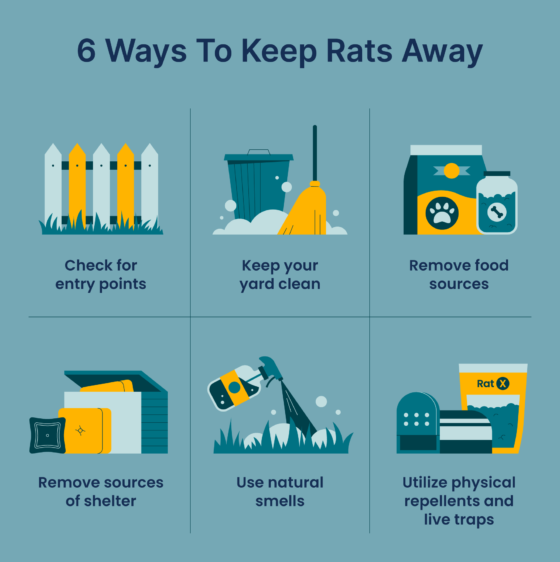
Image Source: www.installitdirect.com
Comprehending Rat Behavior: The First Step to Deterrence
To successfully keep rats away, we must first grasp their basic needs and habits. Rats are drawn to yards for three primary reasons: food, water, and shelter. Understanding these attractants is crucial for rat proofing garden areas and ensuring long-term success.
What Attracts Rats to Yards?
Rats are opportunists. They seek out environments that provide them with easy access to sustenance and safe places to hide and breed.
-
Food Sources:
- Pet food left outdoors.
- Birdseed spilled from feeders.
- Fallen fruits and vegetables from trees and gardens.
- Compost piles that contain food scraps.
- Garbage bins that are not securely sealed.
- Crops or gardens themselves (vegetables, fruits).
-
Water Sources:
- Leaky outdoor faucets.
- Birdbaths.
- Puddles after rain.
- Pet water bowls.
- Clogged gutters that retain water.
-
Shelter and Nesting Sites:
- Dense vegetation or overgrown bushes.
- Piles of wood, debris, or junk.
- Holes or burrows in the ground.
- Sheds, garages, or outbuildings with easy access.
- Beneath decks and patios.
- Crawl spaces or basements.
Eliminating Attractants: The Foundation of Prevention
The most sustainable way to repel rats is to remove what draws them in. This is the core of preventing rats in yard and ensures your efforts are not in vain.
Food and Water Management
Tackling potential food and water sources is the most impactful step.
Securing Food Waste
- Garbage Cans: Use sturdy metal garbage cans with tight-fitting lids. If lids are loose, consider using bungee cords or weights to keep them sealed. Regularly clean your garbage cans to remove food residue.
- Compost: If you compost, ensure your bin is rat-proof. Tumbling composters are generally a good option. Avoid adding meat, dairy, or oily foods to your compost pile, as these are particularly attractive to rodents. Bury food scraps deep within the compost.
- Pet Food: Never leave pet food outdoors overnight. Feed pets at specific times and remove any uneaten food promptly. Store pet food in secure, rodent-proof containers.
- Bird Feeders: While birds are a welcome sight, spilled seed can be a major rat attractant. Clean up spilled seed regularly. Consider using squirrel baffles and feeders designed to minimize spillage. Place feeders away from your house and any potential hiding spots.
Eliminating Water Sources
- Fix Leaks: Repair any leaky outdoor faucets or pipes immediately.
- Empty Standing Water: Regularly empty birdbaths, pet water bowls, and any other containers that collect water. Keep gutters clean and free of debris.
Yard and Garden Cleanup
A tidy yard offers fewer hiding places and less temptation for rats.
- Remove Debris: Clear away piles of wood, bricks, leaves, and general yard debris. These provide excellent shelter for rats.
- Trim Vegetation: Keep bushes, shrubs, and trees trimmed. Cut back branches that hang over your house or shed, as rats can use these as pathways. Maintain a clear space around your home’s foundation.
- Manage Fallen Produce: Regularly collect any fallen fruit or vegetables from trees and bushes. Don’t let them rot on the ground.
- Garden Maintenance: Harvest vegetables and fruits as they ripen. Remove spent plants at the end of the growing season.
Exclusion Methods for Rats: Building Barriers
Once attractants are minimized, creating physical barriers is essential for rat proofing garden and home. This involves exclusion methods for rats that physically prevent them from entering your property or specific areas.
Sealing Entry Points
Rats can squeeze through surprisingly small openings. A gap as small as half an inch can be enough for them to enter.
- Home and Sheds: Inspect the exterior of your home, shed, garage, and any other outdoor structures. Seal any cracks or holes in walls, foundations, and around pipes or utility lines. Use steel wool, hardware cloth (1/4-inch mesh or smaller), or cement to fill gaps.
- Vents and Openings: Cover vents, chimneys, and other openings with sturdy metal mesh.
- Doors and Windows: Ensure doors and windows fit snugly. Install door sweeps on the bottom of exterior doors. Repair or replace damaged window screens.
Creating Physical Barriers in the Yard
Specific areas within your yard can also be protected.
- Garden Beds: If you have a raised garden bed or a vegetable patch that is frequently visited by rats, consider enclosing it with hardware cloth. Bury the mesh at least 6 inches into the ground to prevent burrowing.
- Under Decks and Patios: Seal off the undersides of decks and patios with durable hardware cloth or wire mesh to prevent rats from nesting there. Ensure there are no existing entry points.
Natural Rat Repellents: Harnessing Nature’s Power
For those seeking natural rat repellents and homemade rat deterrents, several options can be employed. These methods often rely on scent or texture to deter rats.
Scent-Based Deterrents
Rats have a keen sense of smell and are often repelled by strong odors they find unpleasant or alarming.
- Peppermint Oil: This is one of the most popular natural rat repellents. Soak cotton balls in pure peppermint oil and place them around areas where you’ve seen rat activity. Reapply the oil every few days as the scent fades. You can also create a spray by mixing peppermint oil with water and a drop of dish soap.
- Ammonia: The strong smell of ammonia mimics urine, which can deter rats. Place small bowls of ammonia in affected areas. Be cautious, as ammonia fumes can be strong for humans and pets too, so use this method with ventilation in mind and out of reach of children and pets.
- Cider Vinegar: Similar to ammonia, the strong scent of vinegar can be off-putting to rats. You can place bowls of vinegar or spray diluted vinegar in problematic areas.
- Cayenne Pepper/Chili Powder: Rats dislike the heat from cayenne pepper. Sprinkle it around potential entry points or areas of activity. Be aware that this needs frequent reapplication, especially after rain.
- Predator Urine: The scent of urine from predators like foxes or coyotes can signal danger to rats. Products containing these scents are available commercially and can be effective when placed strategically.
Rodent Repellent Plants
Certain plants are believed to have scents that deterring rats from garden spaces. While not a foolproof solution on their own, incorporating these can be part of a broader strategy.
- Mint Family (Peppermint, Spearmint): As mentioned with peppermint oil, the strong scent of mint can be a deterrent. Planting mint around your garden beds or near your home’s foundation might help. However, mint can be invasive, so consider planting it in containers.
- Lavender: This fragrant herb is often cited for its pest-repelling qualities. Planting lavender around your yard could contribute to a less welcoming environment for rats.
- Rue: This plant has a strong, distinctive odor that some believe repels rodents.
- Castor Bean: While potent, castor bean plants are highly toxic and should be handled with extreme caution, especially if you have children or pets. Their scent is reported to repel rodents.
- Chrysanthemums: These flowers contain pyrethrins, a natural insecticide. While more effective against insects, their scent may also have some deterrent effect on rodents.
Table 1: Common Natural Rat Repellents
| Repellent Type | How to Use | Effectiveness Note |
|---|---|---|
| Peppermint Oil | Soak cotton balls; place in affected areas. Reapply regularly. | Moderate to high; scent fades quickly. |
| Ammonia | Place small bowls; ensure ventilation and keep away from pets/children. | Can be effective but has strong fumes for humans. |
| Cider Vinegar | Place bowls or spray diluted vinegar. | Mild deterrent; needs frequent application. |
| Cayenne Pepper | Sprinkle around entry points and activity areas. Reapply after rain. | Mild deterrent; easily washed away. |
| Mint Plants | Plant around yard or garden beds. | Can help, but effectiveness varies; consider containers. |
| Lavender Plants | Plant in garden areas. | May contribute to a less attractive environment. |
Ultrasonic Rat Repellers: Exploring Technology
Ultrasonic rat repellers are electronic devices that emit high-frequency sound waves designed to be unpleasant for rodents.
How They Work
These devices emit sounds that are typically beyond the range of human hearing, but audible to pests like rats and mice. The idea is that this constant, irritating sound will drive them away from the area.
Effectiveness and Considerations
- Varied Results: The effectiveness of ultrasonic repellers is a subject of debate. Some users report success, while others find them ineffective.
- Range Limitations: The effective range of these devices is often limited, and the sound waves can be blocked by walls, furniture, and other obstacles.
- Adaptation: It’s possible that rats may become accustomed to the sound over time, reducing its effectiveness.
- Impact on Other Animals: While designed to be inaudible to humans, there’s a possibility they could affect pets or other wildlife. Always check product specifications and reviews.
When considering ultrasonic rat repellers, it’s important to manage expectations and view them as a supplementary tool rather than a standalone solution.
Odor-Based Rat Repellents: Beyond Natural Options
While natural scents are a great start, commercially available odor-based rat repellents offer stronger or more concentrated formulations.
Commercial Scent Repellents
Many products on the market use concentrated essential oils (like peppermint, eucalyptus, citronella) or other strong scents known to deter rodents. These often come in spray or granular form.
- Application: Follow product instructions carefully. Typically, they are applied around the perimeter of your yard, near entry points, or in areas of activity.
- Reapplication: Like natural scents, commercial odor repellents often require regular reapplication, especially after rain or heavy dew.
Ammonia-Based Products
Some commercial products utilize the strong scent of ammonia or ammonia-like compounds. Use these with the same caution as plain ammonia, ensuring good ventilation and keeping them out of reach of children and pets.
Other Deterrent Strategies
Beyond scent and exclusion, other methods can help make your yard less appealing to rats.
Creating an Uninviting Habitat
- Reduce Cover: Keep grass mowed short and remove dense ground cover where rats can hide and travel undetected.
- Manage Water: Ensure there are no leaky pipes or standing water sources.
- Discourage Burrowing: Rats often burrow. If you see evidence of burrows, try to fill them in. Using gravel or crushed rock around your foundation can sometimes make burrowing more difficult.
Motion-Activated Sprinklers
These devices detect movement and emit a burst of water, startling and deterring animals. They can be a humane way to scare rats away from specific areas, such as garden beds.
Trapping (Use with Caution)
While not strictly a repellent, trapping can reduce the rat population.
- Snap Traps: These are effective but require careful placement and handling to avoid injury to non-target animals. Use bait like peanut butter or dried fruit.
- Live Traps: These humane traps catch rats alive. You then need to release them far away from your property. Check local regulations regarding the release of trapped animals.
- Placement: Place traps along known rat pathways or near their suspected hiding spots.
Important Note: Trapping should be considered a temporary measure or part of a larger strategy. It doesn’t address the underlying reasons why rats are attracted to your yard.
Maintaining a Rat-Free Yard: Long-Term Solutions
Preventing rats in yard spaces is an ongoing process. Consistency is key to deterring rats from garden and keeping your outdoor areas rodent-free.
Regular Inspections
Make it a habit to regularly inspect your yard and home for new signs of activity or potential entry points. Check for gnaw marks, droppings, or new burrows.
Continuous Cleanup
Maintain a diligent approach to food and water management. Don’t let pet food sit out, keep bins sealed, and clean up spills promptly.
Seasonal Adjustments
As seasons change, so might rat behavior. Be aware of increased activity during colder months when they seek warmth and shelter. Ensure your exclusion methods for rats are robust before winter sets in.
Integrated Pest Management (IPM)
The most effective strategy combines multiple methods. Relying on just one technique is rarely successful. An IPM approach considers:
1. Prevention: Eliminating attractants and blocking entry.
2. Monitoring: Regularly checking for signs of rats.
3. Deterrence: Using repellents and creating an uninviting environment.
4. Control: Employing traps or other methods if necessary, as a last resort and with careful consideration.
Frequently Asked Questions (FAQ)
Q1: How quickly can I expect to see results from these methods?
Results can vary depending on the severity of the infestation and the methods used. Some deterrents, like peppermint oil, might offer immediate but temporary relief. Eliminating food sources and sealing entry points are foundational steps that contribute to long-term success. It can take several weeks of consistent effort to significantly reduce rat presence.
Q2: Are natural rat repellents safe for pets and children?
Many natural rat repellents are generally considered safer than chemical pesticides. However, it’s crucial to use them correctly. Peppermint oil, while natural, can be irritating if ingested in large quantities or if it gets into eyes. Ammonia and strong vinegar should be kept out of reach of children and pets. Always supervise pets and children in areas where repellents are used and follow product instructions carefully.
Q3: Can I completely rat-proof my garden?
Achieving complete rat-proofing can be challenging, especially in urban or suburban areas where rats are common. However, by diligently eliminating attractants, employing exclusion methods for rats, and using a combination of deterrents, you can make your garden and yard significantly less appealing and inaccessible to them.
Q4: What should I do if I see rats during the day?
Seeing rats during the day can sometimes indicate a larger population or that their usual food and shelter sources have been disrupted. It’s a sign that your prevention efforts might need strengthening, or that there’s a significant infestation requiring more aggressive action.
Q5: Are ultrasonic repellers a good long-term solution?
The long-term effectiveness of ultrasonic rat repellers is debated. While they may deter rats initially, they might adapt to the sounds over time. It’s best to consider them as a complementary tool within a broader, integrated pest management strategy rather than a sole solution.
By implementing these proven ways to repel rats from your yard, you can create a more hostile environment for these unwelcome visitors, promoting a healthier and more enjoyable outdoor space. Remember, consistency and a multi-faceted approach are your greatest allies in the battle against yard rats.