
Crabgrass is a common enemy for many homeowners seeking a lush, green lawn. The best way to kill crabgrass in your lawn fast depends on whether you’re dealing with existing weeds or trying to prevent them in the first place, and a combination of approaches is usually most effective.
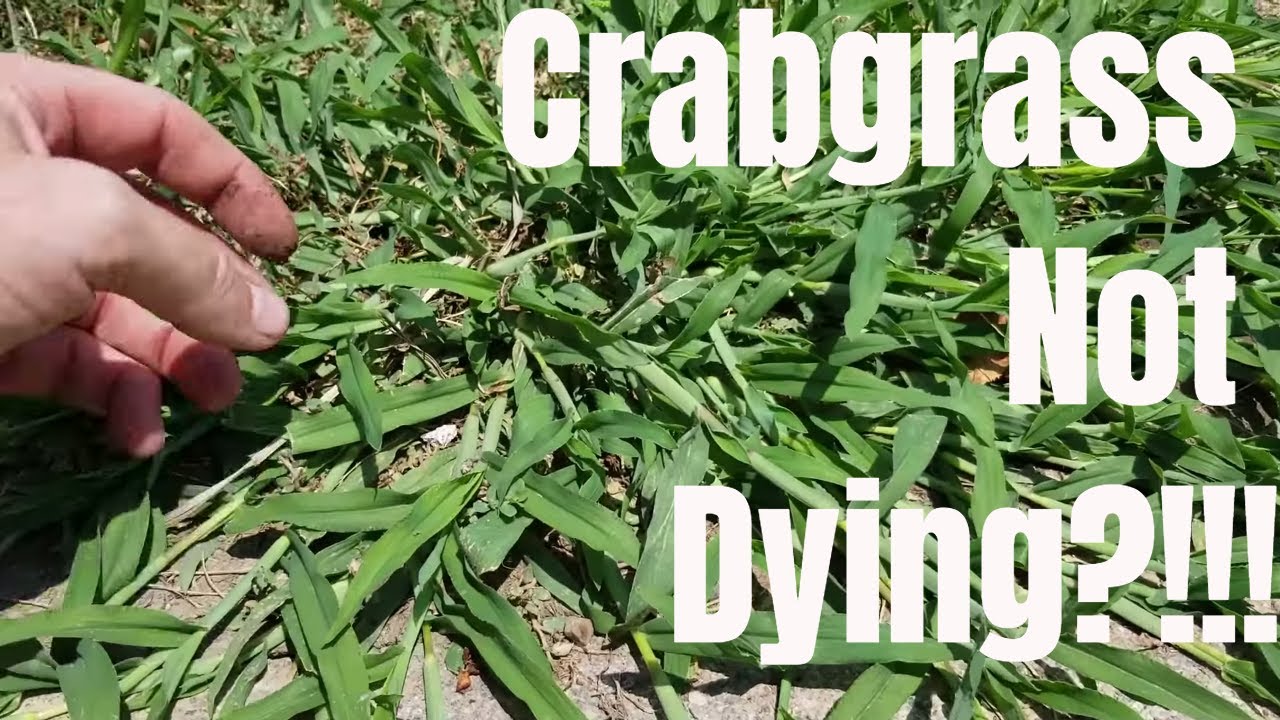
Image Source: i.ytimg.com
Winning the War Against Crabgrass: Your Lawn’s Best Defense
Crabgrass, a stubborn annual weed, can quickly turn a pristine lawn into an unsightly mess. Its coarse texture and sprawling growth habit choke out desirable turfgrass, making its eradication a top priority for lawn care enthusiasts. This comprehensive guide will delve into the most effective strategies for combating crabgrass, from preventative measures to hands-on removal, ensuring your lawn remains a verdant oasis.
Deciphering Crabgrass: What You’re Up Against
Before we can effectively tackle crabgrass, it’s crucial to know your adversary. Crabgrass (Digitaria spp.) is an annual grassy weed that thrives in warm weather, germinating in spring and summer and dying off with the first frost. Its seeds can remain viable in the soil for years, making consistent management essential.
Identifying Crabgrass
- Growth Habit: Crabgrass has a clumping, spreading growth pattern. It grows low to the ground, often forming dense mats that smother other plants.
- Leaf Blades: The leaf blades are typically wider and lighter green than most lawn grasses. They have a rough texture, feeling almost sandpaper-like.
- Seed Heads: In late summer and fall, crabgrass produces distinctive seed heads that look like fingers or palms of a hand emerging from the plant.
The Foundation of a Crabgrass-Free Lawn: Prevention
The most effective strategy for controlling crabgrass is to prevent its germination in the first place. This involves a multi-pronged approach focused on maintaining a healthy, dense turf that can naturally outcompete weeds.
Crabgrass Prevention Methods: Building a Strong Defense
A healthy lawn is the best defense against invasive weeds like crabgrass. Focusing on good lawn care practices can significantly reduce your reliance on chemical treatments.
1. Healthy Soil is Key
- Soil Testing: Regularly test your soil to determine its pH and nutrient levels. Crabgrass thrives in compacted, nutrient-poor soil. Adjustments based on test results will promote stronger turf growth.
- Aeration: Core aeration removes small plugs of soil, relieving compaction and allowing air, water, and nutrients to reach the grass roots. This is especially beneficial in high-traffic areas.
- Overseeding: Fall is the ideal time to overseed your lawn. This fills in thin patches and creates a denser turf, leaving less room for crabgrass to establish.
2. Proper Mowing Techniques
- Mow High: Set your mower to the highest recommended setting for your turfgrass type. Taller grass shades the soil, making it harder for crabgrass seeds to germinate and sprout.
- Sharp Mower Blades: Dull mower blades tear grass, leaving ragged edges that are more susceptible to disease and stress. Keep your blades sharp for clean cuts.
- Don’t Remove Too Much: Avoid removing more than one-third of the grass blade height at any single mowing.
3. Smart Watering Practices
- Deep and Infrequent Watering: Water your lawn deeply but less often. This encourages grass roots to grow deeper, making them more resilient. Shallow, frequent watering can promote weed growth.
- Water in the Morning: Watering in the early morning allows the grass to dry throughout the day, reducing the risk of fungal diseases.
4. Fertilization for a Robust Lawn
- Correct Timing: Fertilize your lawn at the appropriate times of the year for your grass type. A well-fed lawn is a strong lawn, better able to compete with weeds.
- Slow-Release Fertilizers: Opt for slow-release fertilizers that provide nutrients over an extended period, preventing sudden growth spurts that can weaken the turf.
The Power of Pre-Emergent: Stopping Crabgrass Before It Starts
Pre-emergent herbicides are your first line of defense against crabgrass. Applied at the right time, they create a chemical barrier in the soil that prevents crabgrass seeds from germinating.
Pre-emergent Crabgrass Killer: Timing is Everything
The critical factor for pre-emergent success is application timing. Crabgrass seeds begin to germinate when soil temperatures consistently reach 55-60°F (13-16°C) for several days.
When to Apply Pre-Emergents
- Spring Application: The ideal window for pre-emergent application is in early to mid-spring, typically when forsythia bushes are in bloom. This often coincides with the soil temperature reaching that critical germination threshold.
- Two Applications: For maximum protection, a second application 6-8 weeks after the first may be necessary, especially in areas with a history of heavy crabgrass infestation.
Popular Pre-Emergent Herbicides
Many effective pre-emergent herbicides are available. They work by inhibiting root and shoot development of germinating seeds.
| Herbicide Type | Common Active Ingredients | How They Work | Best For |
|---|---|---|---|
| Pre-Emergent | Prodiamine, Dithiopyr | Prevents weed seed germination by inhibiting root growth. | Proactive control, before weeds appear. |
| Pre-Emergent + Post-Emergent Combo | Mesotrione, Quinclorac | Offers both preventative and early-stage control. | Season-long protection and some existing weeds. |
Applying Pre-Emergent Herbicides Safely and Effectively
- Follow Label Instructions: Always read and strictly follow the instructions on the herbicide label. This includes application rates, mixing instructions, and safety precautions.
- Water In: Most pre-emergents require watering into the soil after application to activate the chemical barrier.
- Avoid Disturbing the Soil: Once applied, avoid excessive digging or disturbing the soil for several weeks, as this can break the pre-emergent barrier.
- Do Not Use on New Seed: Never apply pre-emergent herbicides on newly seeded lawns or areas you plan to seed soon. They will prevent your desired grass seeds from germinating.
Tackling Existing Crabgrass: Post-Emergent Control
If crabgrass has already sprouted and established itself in your lawn, you’ll need post-emergent herbicides or other methods for crabgrass treatment options.
Post-Emergent Crabgrass Control: When Prevention Fails
Post-emergent herbicides target crabgrass that has already germinated and is actively growing. They are most effective when applied to young, actively growing weeds.
Best Crabgrass Herbicides for Existing Weeds
- Selective Post-Emergent Herbicides: These herbicides are designed to kill crabgrass without harming your desirable turfgrass. Look for products containing active ingredients like quinclorac, fenoxaprop-p-ethyl, or mesotrione.
- Non-Selective Post-Emergent Herbicides: Herbicides like glyphosate will kill any plant they come into contact with, including your lawn. These should be used with extreme caution, spot-treating only the crabgrass patches.
Timing for Post-Emergent Application
- Early Stages: Post-emergent herbicides are most effective when applied to young crabgrass plants before they reach the seeding stage.
- Warm Temperatures: Like crabgrass itself, these herbicides work best when temperatures are warm, but not excessively hot.
Natural Crabgrass Removal and Home Remedies for Crabgrass
For those who prefer to avoid synthetic chemicals, several natural crabgrass removal methods and home remedies exist, though they often require more persistence and may not be as effective on large infestations.
Natural Crabgrass Removal Techniques
- Hand Pulling: For small infestations, hand-pulling is an effective method. Ensure you pull the entire plant, including the roots, especially after a rain when the soil is moist.
- Corn Gluten Meal: This organic byproduct of corn processing contains a natural herbicide that inhibits root formation in germinating seeds. It can be applied in early spring as a pre-emergent. However, its effectiveness can vary, and it must be applied precisely at the right time.
- Vinegar: While diluted horticultural vinegar (acetic acid) can kill crabgrass on contact, it’s a non-selective herbicide and can damage your desirable lawn grass. Use it with extreme caution as a spot treatment. High concentrations of household vinegar can also harm soil microbes.
- Boiling Water: Pouring boiling water directly onto crabgrass can kill it. Again, this is a non-selective method and will kill any plant it touches. Best used for small patches in non-lawn areas.
Killing Crabgrass Naturally: A Sustainable Approach
- Healthy Lawn Maintenance: As mentioned earlier, the best natural approach is to cultivate a dense, healthy lawn through proper mowing, watering, and fertilization. This makes it difficult for crabgrass to gain a foothold.
- Mulching: Applying a layer of mulch around trees and shrubs can suppress weed growth, including crabgrass.
Integrated Lawn Care for Crabgrass: A Holistic Strategy
Effective crabgrass management rarely relies on a single solution. An integrated approach, combining preventative measures, timely herbicide applications, and good lawn maintenance, offers the most robust and sustainable control.
Lawn Care for Crabgrass: A Year-Round Commitment
Crabgrass prevention and control is not a one-time event; it’s a continuous process integrated into your overall lawn maintenance routine.
Seasonal Lawn Maintenance Crabgrass Considerations
- Spring: Focus on applying pre-emergent herbicides at the correct time. Begin adjusting your mowing and watering practices to promote a healthy turf.
- Summer: Monitor your lawn for any breakthrough crabgrass. If present, use post-emergent treatments cautiously on young weeds. Continue with proper mowing and watering.
- Fall: Overseed thin areas and aerate if needed. This is crucial for building a dense turf that will outcompete crabgrass next season.
- Winter: While crabgrass is dormant, focus on soil health and any necessary winter feeding for your turfgrass.
Frequently Asked Questions about Crabgrass Control
Q1: When is the best time to apply pre-emergent crabgrass killer?
A1: The best time to apply a pre-emergent crabgrass killer is in early to mid-spring, before crabgrass seeds have a chance to germinate. This usually occurs when soil temperatures consistently reach 55-60°F (13-16°C). A good visual cue is when forsythia bushes begin to bloom.
Q2: Can I kill crabgrass after it has already grown?
A2: Yes, you can kill crabgrass after it has grown using post-emergent herbicides. These products are designed to target actively growing crabgrass. For best results, apply them when the crabgrass is young and actively growing, before it produces seeds.
Q3: What are some natural crabgrass removal options?
A3: Natural options include hand-pulling crabgrass before it seeds, applying corn gluten meal in early spring as a pre-emergent, and carefully spot-treating with diluted horticultural vinegar or boiling water (though these are non-selective and can harm desirable grass). The most effective natural method is maintaining a thick, healthy lawn that outcompetes weeds.
Q4: Is it safe to use herbicides on my lawn?
A4: It is safe to use herbicides if you follow the product label instructions precisely. Always wear protective gear, apply at the recommended rates, and avoid application before heavy rain or during windy conditions. Read the label to ensure the herbicide is safe for your specific type of turfgrass.
Q5: How can I prevent crabgrass from coming back next year?
A5: Consistent lawn care is key. This includes: applying pre-emergent herbicides in early spring, maintaining a dense turf through proper mowing and watering, overseeding in the fall to fill in thin spots, and addressing any soil compaction issues through aeration.
Q6: My lawn has both crabgrass and other broadleaf weeds. Can I use one product for both?
A6: Some herbicides are formulated to control both crabgrass and broadleaf weeds. Check the product label to ensure it is effective against all the types of weeds you are dealing with. If not, you may need to use separate applications.
Q7: How long does crabgrass live?
A7: Crabgrass is an annual weed, meaning it completes its life cycle and dies with the first frost. However, its seeds can remain dormant in the soil for several years, making ongoing prevention crucial.
By implementing these strategies, you can effectively manage and eliminate crabgrass, ensuring your lawn remains healthy, attractive, and weed-free for years to come. Remember, a proactive approach focused on building a strong, resilient turf is your most powerful weapon in the ongoing battle against this common lawn invader.