
Clover in your lawn can be a persistent problem, but how do you get rid of it naturally and safely? You can effectively control and remove clover from your lawn using a combination of proper lawn care practices and natural methods.
Clover, scientifically known as Trifolium repens, is a low-growing, perennial plant that often thrives in lawns where the grass is struggling. Its presence can indicate underlying issues with your soil, such as low nitrogen levels, compacted soil, or improper pH. While clover is a nitrogen fixer, meaning it adds nitrogen to the soil, many homeowners prefer a uniformly green and dense turf. Luckily, you don’t need harsh chemicals to achieve this. This guide will walk you through the best methods for clover removal and controlling clover in grass naturally and safely.
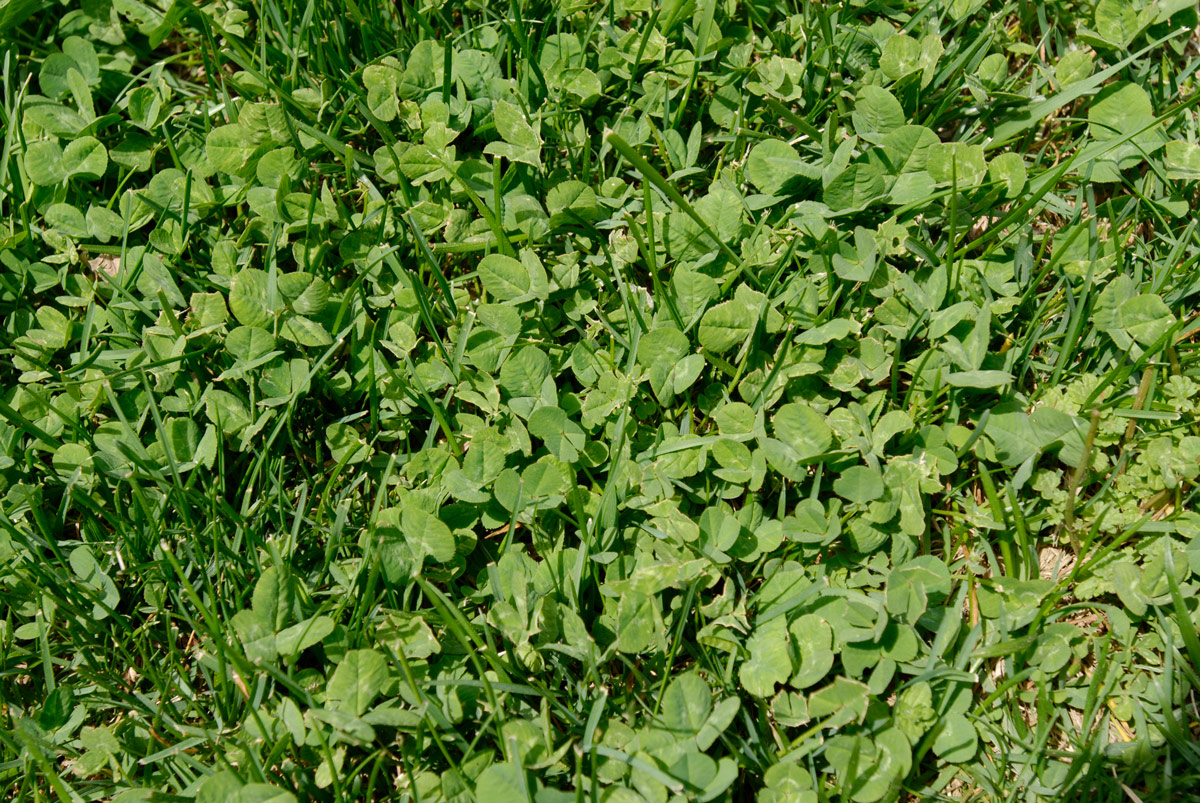
Image Source: naturalawn.com
Why Clover Appears and How It Affects Your Lawn
Grasping why clover takes hold is the first step in effective clover eradication methods. Clover plants have a shallow root system and are often more resilient to drought and poor soil conditions than many common turfgrasses. They also have a unique ability to fix atmospheric nitrogen, which benefits the soil. However, this very resilience can lead to it outcompeting your grass.
Common reasons clover thrives:
- Low Soil Nitrogen: When your grass lacks sufficient nitrogen, clover, with its nitrogen-fixing abilities, moves in to fill the void.
- Soil Compaction: Compacted soil restricts grass root growth, making it harder for grass to establish and more susceptible to weed invasion.
- Incorrect pH: Grass prefers a slightly acidic to neutral soil pH (around 6.0 to 7.0). If your soil is too acidic or alkaline, grass will struggle, and clover may thrive.
- Over-Seeding or Poor Grass Health: Thin or unhealthy grass provides ample space for clover seeds to germinate and grow.
- Moisture Levels: While not always the case, clover can tolerate a range of moisture conditions, sometimes outperforming grass in wetter areas.
Natural Clover Removal Strategies
When you’re looking for how to get rid of clover naturally, the focus shifts to improving your lawn’s overall health and using targeted natural approaches.
1. Promote a Healthy, Dense Lawn
The best defense against clover is a strong, healthy turf. When your grass is dense and vigorous, it naturally crowds out weeds, including clover. This is a cornerstone of effective lawn care clover.
Key practices for a healthy lawn:
- Proper Mowing: Mow your grass at the higher end of its recommended height. Taller grass shades the soil, keeping it cooler and moister, which discourages weed germination. Aim for a mowing height of 3 to 4 inches for most cool-season grasses. Never remove more than one-third of the grass blade at a time.
- Adequate Watering: Water your lawn deeply and infrequently. This encourages deeper root growth in your grass, making it more drought-tolerant and competitive.
- Fertilization: Feed your lawn with appropriate fertilizers, focusing on nitrogen. This will help your grass grow thick and outcompete clover. Opt for slow-release fertilizers to provide a steady supply of nutrients.
- Aeration: Core aeration helps to relieve soil compaction, allowing air, water, and nutrients to reach grass roots more effectively. This is particularly important if you have heavy clay soil.
2. Corn Gluten Meal: A Natural Pre-Emergent
Corn gluten meal acts as a natural pre-emergent herbicide for clover. This means it can prevent weed seeds, including clover seeds, from germinating and establishing roots.
How to use corn gluten meal:
- Timing is Crucial: Apply corn gluten meal in early spring, before clover seeds typically germinate. A second application in the fall can also be beneficial.
- Application Rate: Spread it evenly over your lawn at a rate of 20 pounds per 1,000 square feet.
- Moisture Requirement: Corn gluten meal works best when it’s slightly moist. If your lawn is dry, water it lightly after application. Do not water heavily, as this can wash away the active ingredient.
- Note: Corn gluten meal also contains nitrogen, so factor this into your fertilization schedule. It is not a post-emergent killer, meaning it won’t kill existing clover plants.
3. Vinegar (Acetic Acid) – A Natural Weed Killer for Clover
Household vinegar, specifically horticultural vinegar with a higher acetic acid concentration (10-20%), can be used as a natural weed killer for clover. Household vinegar (5% acetic acid) is less effective and may require repeated applications.
Using vinegar for clover removal:
- Targeted Application: Vinegar is a contact herbicide. It kills the parts of the plant it touches. Therefore, apply it directly to the clover leaves on a sunny, dry day.
- Safety First: Wear protective clothing, gloves, and eye protection. Vinegar can irritate skin and eyes.
- Potential Grass Damage: Be aware that vinegar can also damage or kill grass if sprayed directly on it. Use a spray bottle with a narrow stream or shield your grass with cardboard when applying.
- Repeat Applications: You may need to apply vinegar multiple times to fully eradicate the clover, especially if it’s well-established.
- Soil pH: Frequent use of vinegar can slightly lower soil pH over time, so monitor your soil if you use it extensively.
4. Boiling Water
A simple and effective method for spot-treating clover is to pour boiling water directly onto the plants.
How to use boiling water:
- Precise Application: Carefully pour boiling water directly onto the clover patches.
- Effectiveness: The heat will kill the plant tissue.
- Caution: This method will also kill any grass it comes into contact with. Use it only for small, isolated patches of clover.
- Repeat as Needed: Stubborn clover may require more than one application.
5. Manual Removal (Pulling Clover)
For small infestations or before trying other methods, manual removal is a very effective way to get rid of clover.
Tips for manual removal:
- Best Time: Pull clover when the soil is moist (after rain or watering), as this makes it easier to extract the entire root system.
- Get the Roots: Try to grasp the plant at the base and pull it up, ensuring you get as much of the root as possible. This prevents regrowth.
- Use Tools: A weeding tool or a trowel can help loosen the soil around the roots.
- Dispose Properly: Place removed clover in a compost bin or trash bag to prevent re-rooting.
6. Improving Soil Nutrition: The Long-Term Solution
Addressing the underlying reasons for clover’s presence is crucial for sustainable clover eradication methods.
- Soil Testing: Get your soil tested to determine its pH and nutrient levels. Local extension offices often offer affordable soil testing services.
- pH Adjustment: If your soil is too acidic or alkaline, amend it according to the test results. Lime is typically used to raise pH (make it less acidic), and sulfur is used to lower pH (make it less alkaline).
- Nitrogen Application: If your soil test indicates low nitrogen, apply a balanced fertilizer that includes a good amount of nitrogen. Consider organic fertilizers like compost or blood meal.
Natural “Weed Killer for Clover” Options: A Comparative Look
While many natural methods exist, some are more suited for specific situations. Here’s a look at some common natural broadleaf weed killer options for clover.
Table 1: Natural Clover Control Methods
| Method | Primary Action | Best For | Pros | Cons |
|---|---|---|---|---|
| Corn Gluten Meal | Pre-emergent | Preventing new clover germination | Natural, adds nitrogen, safe for pets and children once applied | Not effective on existing clover, timing is critical |
| Vinegar | Contact Herbicide | Spot treatment of young clover | Readily available, natural option | Can kill grass, requires multiple applications, may alter soil pH |
| Boiling Water | Thermal Kill | Small, isolated patches | Very natural, effective on contact | Kills grass, dangerous to handle, not practical for large areas |
| Manual Removal | Physical Extraction | Small infestations, young clover | No chemicals, immediate results, no harm to grass (if done carefully) | Labor-intensive, may miss roots leading to regrowth, time-consuming |
| Healthy Lawn Practices | Competition/Suppression | Long-term clover management, prevention | Sustainable, improves overall lawn health, no chemicals needed | Takes time to see results, requires consistent effort |
Chemical Approaches: When Natural Isn’t Enough
If natural methods aren’t providing the desired results, or you’re facing a severe clover infestation, you might consider chemical lawn weed treatment. When choosing a broadleaf weed killer for clover, opt for selective herbicides that target broadleaf weeds without harming your grass.
Types of Chemical Weed Killers for Clover:
- Selective Herbicides: These are designed to kill specific types of plants. Look for products labeled for broadleaf weed control in lawns. Common active ingredients include 2,4-D, MCPP (mecoprop), and dicamba.
- Pre-Emergent Herbicides: While we’ve discussed corn gluten meal as a natural pre-emergent, synthetic pre-emergents are also available for clover. These are applied in early spring to prevent seeds from germinating. If you’re using a pre-emergent for clover, ensure it targets clover specifically.
Important Considerations for Chemical Use:
- Read the Label: Always read and follow the product label instructions carefully. This includes application rates, timing, and safety precautions.
- Target Application: Apply herbicides only to the clover, avoiding desirable plants and waterways.
- Environmental Impact: Be mindful of the potential environmental impact of herbicides. Choose products with lower toxicity profiles if possible.
- Timing: Apply herbicides when weeds are actively growing for best results. Avoid applying during extreme heat, drought, or when rain is expected.
Controlling Clover in Grass: Integrated Strategies
The best way to kill clover and prevent its return is through an integrated approach that combines several methods.
1. Spring Application: Pre-Emergent and Fertilization
- Early Spring: Apply a pre-emergent for clover if you’ve had issues in the past. This could be corn gluten meal or a synthetic pre-emergent specifically labeled for clover.
- Fertilize: Follow up with a nitrogen-rich fertilizer to give your grass a strong start and help it outcompete any emerging clover.
2. Summer Maintenance: Mowing and Spot Treatment
- Mow High: Continue mowing your lawn at the appropriate height to shade out weeds.
- Spot Treat: If you see new clover patches, use targeted natural methods like pulling or a carefully applied vinegar spray.
3. Fall Application: Aeration, Overseeding, and Soil Improvement
- Aeration: This is an excellent time to aerate compacted soil, which may be contributing to your clover problem.
- Overseeding: If your lawn is thin, overseed with a quality grass seed mix suitable for your region. Healthy, dense grass is the best defense.
- Soil Amendments: Based on your soil test, apply any necessary amendments like lime or sulfur.
Frequently Asked Questions About Clover Removal
Here are some common questions regarding clover eradication methods.
Q1: Can I use grass seed on clover?
No, grass seed will not effectively kill clover. If you want to replace clover with grass, you’ll need to kill the clover first and then overseed.
Q2: Will a broadleaf weed killer kill clover?
Yes, most broadleaf weed killers are formulated to kill clover, as it is a broadleaf plant. Always check the product label to confirm it targets clover.
Q3: Is clover bad for my lawn?
Clover is not inherently “bad.” It’s a nitrogen fixer, which can benefit the soil. However, it often indicates underlying lawn health issues and can make your lawn appear uneven and less aesthetically pleasing to some homeowners.
Q4: When is the best time to kill clover?
The best time to kill clover depends on the method. For natural methods like manual removal or vinegar, you can tackle it whenever you see it. For pre-emergents like corn gluten meal, early spring is critical. For chemical broadleaf weed killers, actively growing clover in spring or fall is ideal.
Q5: How do I prevent clover from coming back?
The best way to prevent clover is to maintain a healthy, dense lawn through proper mowing, watering, fertilization, and aeration. Addressing soil issues like compaction and low nitrogen will also make your lawn less hospitable to clover.
By implementing these natural and safe methods, you can effectively achieve clover removal and enjoy a healthier, greener lawn. Remember that consistency and addressing the root cause of the clover infestation are key to long-term success in controlling clover in grass.