
So, how much is a yard of gravel? Typically, you can expect to pay anywhere from $20 to $70 per cubic yard for the gravel itself, but this price can vary significantly based on the type of gravel, your location, and whether you need delivery.
Gravel is a popular and versatile material for many projects, from building sturdy driveways to creating beautiful garden paths. But before you start digging into your project, it’s crucial to know the costs involved. This guide will break down everything you need to know about the gravel price per cubic yard, delivery fees, and factors influencing the overall expense. We’ll help you become a gravel-savvy consumer, ensuring you get the best value for your money.
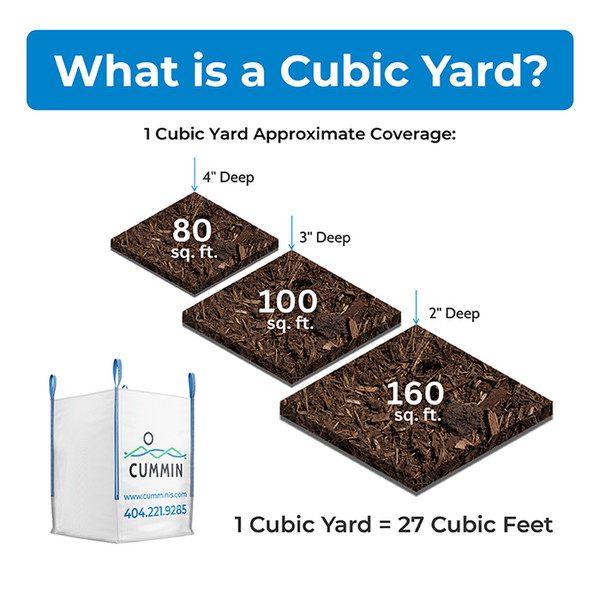
Image Source: www.cumminlandscapesupply.com
Deciphering Gravel Costs: What You Need to Know
The price of gravel isn’t a one-size-fits-all figure. Many elements contribute to the final cost. Let’s explore the key components that make up the total price of a yard of gravel.
The Price of Gravel Per Cubic Yard
The core cost of gravel itself is usually quoted per cubic yard. This is the volume of gravel you’re purchasing.
- Base Material Cost: This is the raw price of the gravel before any processing or delivery.
- Variations by Type: Different types of gravel have different prices. Some are more common and less expensive, while others might be rarer or require more processing, making them costlier.
Factors Influencing Gravel Prices
Several factors can cause the price you pay for a cubic yard of gravel to fluctuate.
- Gravel Type: This is a major driver of cost. We’ll delve deeper into this shortly.
- Location: Prices can vary significantly from region to region due to local availability, transportation costs, and market demand.
- Quantity Purchased: Buying in bulk often leads to lower per-unit prices.
- Quality and Processing: Some gravel is washed, screened, or crushed to specific sizes, which can add to the cost.
- Season: Demand can fluctuate seasonally, potentially impacting prices.
Exploring Different Gravel Types and Prices
The world of gravel is diverse. Different applications call for different types of gravel, and each comes with its own price tag. Knowing the common gravel types and prices will help you make an informed decision.
Common Gravel Types and Their Costs
Here’s a look at some popular gravel options and their typical price ranges:
Pea Gravel
- Description: Small, rounded stones, typically 1/4 to 1/2 inch in size. Smooth and easy to walk on.
- Uses: Landscaping, pathways, playgrounds, decorative accents.
- Estimated Cost: $30 – $60 per cubic yard.
Crushed Stone (Various Sizes)
- Description: Angular, crushed rocks that compact well. Available in various sizes, from fines to larger chunks (e.g., #3, #57 stone).
- Uses: Driveways, road base, drainage, construction fill.
- Estimated Cost: $25 – $50 per cubic yard (depending on size and crush quality).
River Rock
- Description: Smooth, rounded stones that have been naturally tumbled by water. Larger than pea gravel, often in a variety of colors.
- Uses: Landscaping, garden beds, decorative borders, dry creek beds.
- Estimated Cost: $40 – $70 per cubic yard.
Limestone Gravel
- Description: A common crushed stone material, often light grey or white. Can be crushed into various sizes.
- Uses: Driveways, pathways, base material.
- Estimated Cost: $20 – $45 per cubic yard.
Granite Gravel
- Description: Crushed granite, known for its hardness and durability. Often has a speckled appearance.
- Uses: High-traffic driveways, pathways, landscaping.
- Estimated Cost: $30 – $55 per cubic yard.
Decomposed Granite (DG)
- Description: Fine, crushed granite that compacts tightly, creating a solid surface.
- Uses: Pathways, patios, stable walking surfaces.
- Estimated Cost: $35 – $65 per cubic yard.
Table: Typical Gravel Prices per Cubic Yard (Estimates)
| Gravel Type | Typical Price Range (per cubic yard) | Common Uses |
|---|---|---|
| Pea Gravel | $30 – $60 | Pathways, landscaping, playgrounds |
| Crushed Stone | $25 – $50 | Driveways, base material, drainage |
| River Rock | $40 – $70 | Landscaping, garden beds, decorative |
| Limestone Gravel | $20 – $45 | Driveways, pathways |
| Granite Gravel | $30 – $55 | High-traffic driveways, landscaping |
| Decomposed Granite | $35 – $65 | Pathways, patios |
Note: These are average prices and can vary greatly by region and supplier.
Calculating Your Gravel Needs: How Much Do You Need?
Before you can figure out the cost, you need to know how much gravel you require. This is where a gravel volume calculator or some simple math comes in handy.
How to Calculate Cubic Yards
To calculate the volume of gravel needed in cubic yards, you’ll need to measure the length, width, and depth of the area you want to cover.
- Measure Length and Width: Measure the length and width of your project area in feet.
- Determine Depth: Decide on the desired depth of your gravel layer. Common depths are:
- Driveways: 4-6 inches (for a base layer) or 2-4 inches (for a top layer).
- Pathways: 2-4 inches.
- Landscaping Beds: 2-3 inches.
- Convert Depth to Feet: Since gravel is sold by the cubic yard (which is 3 feet x 3 feet x 3 feet = 27 cubic feet), you’ll need to convert your depth measurement from inches to feet. Divide the number of inches by 12.
- Example: 4 inches / 12 inches/foot = 0.33 feet.
- Calculate Volume in Cubic Feet: Multiply the length (ft) by the width (ft) by the depth (ft).
- Formula: Volume (cubic feet) = Length × Width × Depth
- Convert Cubic Feet to Cubic Yards: Divide the volume in cubic feet by 27 (since there are 27 cubic feet in 1 cubic yard).
- Formula: Volume (cubic yards) = Volume (cubic feet) / 27
Using a Gravel Volume Calculator
Many online retailers and landscaping supply websites offer a gravel volume calculator. These tools simplify the process. You just input the dimensions of your project, and they’ll tell you how many cubic yards you need. Always add a little extra (5-10%) to account for settling and potential over-excavation.
The Cost of Delivery: Bringing Gravel to Your Door
One of the most significant additional costs when purchasing gravel is delivery. Unless you have a truck capable of hauling a cubic yard or more of heavy material, you’ll need to factor in delivery fees.
Factors Affecting Delivery Costs
The cost of gravel delivery is influenced by several factors:
- Distance from Supplier: The further you are from the gravel yard, the higher the delivery charge will likely be. This is often calculated per mile or by delivery zone.
- Quantity of Gravel: While some suppliers have a flat delivery fee, others might charge more for larger loads.
- Type of Delivery Vehicle: A small truck might be cheaper for smaller loads, but for bulk quantities, a dump truck is necessary, and its operation costs will be reflected in the fee.
- Site Accessibility: If the delivery location is difficult to access (e.g., narrow gates, steep inclines, soft ground), there might be an additional charge for the driver’s extra effort or risk.
- Urgency: Sometimes, requesting same-day or next-day delivery can incur a premium fee.
Typical Delivery Fee Ranges
Delivery fees can range from $50 to $200 or more per load, depending on the factors mentioned above. It’s always best to get a quote from your supplier before committing to a purchase.
Driveway Gravel Pricing: Building a Better Road
When it comes to driveways, the type and amount of gravel are critical for durability and appearance. Driveway gravel pricing needs careful consideration.
Best Gravel Types for Driveways
- Crushed Stone (e.g., #3 or #57 stone): These are excellent for driveways because their angular edges interlock, creating a stable, compacted base. They offer good drainage and resist rutting.
- Limestone or Granite Gravel: These are also good choices, offering durability and a pleasing aesthetic.
- Decomposed Granite (DG): While it compacts well, it can become dusty in dry conditions and muddy when wet. It’s often used for lighter-traffic driveways or as a top layer.
Layering for Driveways
A properly constructed gravel driveway often involves multiple layers:
- Base Layer: Typically larger, coarser crushed stone (e.g., #3 stone) for strong support and drainage. This layer is often 4-6 inches deep.
- Intermediate Layer: Smaller crushed stone (e.g., #57 stone) that interlocks and compacts well, providing stability. This layer might be 2-4 inches deep.
- Top Layer (Optional): Finer gravel or decomposed granite for a smoother finish. This layer is usually 1-2 inches deep.
The total depth of gravel for a driveway can range from 6 inches to over a foot, significantly impacting the total cubic yardage and cost.
Example: Driveway Gravel Cost Calculation
Let’s say you need to cover a driveway that is 50 feet long and 10 feet wide with a 4-inch layer of #57 stone, which costs $35 per cubic yard.
- Convert Depth: 4 inches = 0.33 feet
- Calculate Volume (cubic feet): 50 ft × 10 ft × 0.33 ft = 165 cubic feet
- Convert to Cubic Yards: 165 cubic feet / 27 cubic feet/yard = 6.11 cubic yards
- Add 10% for Settling: 6.11 × 1.10 = 6.72 cubic yards. Round up to 7 cubic yards for purchase.
- Cost of Gravel: 7 cubic yards × $35/cubic yard = $245
If delivery costs $100, the total estimated cost for this driveway section would be $345.
Landscaping Gravel Cost: Beautifying Your Outdoor Space
Landscaping gravel cost often involves considerations beyond just structural integrity. Aesthetics play a significant role.
Popular Landscaping Gravels
- Pea Gravel: Soft texture, smooth underfoot, and available in various natural colors. Great for pathways, garden borders, and around plants.
- River Rock: Larger, smooth stones that add a natural, flowing look. Ideal for dry creek beds, accents, and large decorative areas.
- Decorative Gravels: These can include specialized mixes of colored stones, polished pebbles, or specific types of rock (like quartz or basalt) that command a higher price due to their unique appearance.
Cost Considerations for Landscaping
- Visual Appeal: More visually striking gravel types will generally cost more.
- Coverage Area: While landscaping layers might be thinner (2-3 inches), the total area can be substantial.
- Edging and Borders: You might also need edging materials to contain the gravel, adding to the overall project cost.
Buying Gravel Online vs. Local Suppliers
With the rise of e-commerce, you can often buy gravel online. However, compare this to traditional local suppliers.
Online Purchasing
- Pros: Convenience, wider selection sometimes, easy comparison of prices.
- Cons: Delivery costs can be high, you can’t physically see the gravel before buying, potential for damage during transit.
Local Suppliers
- Pros: Ability to see and feel the gravel, often more competitive pricing for delivery, direct communication with suppliers, ability to pick up smaller quantities if you have a suitable vehicle.
- Cons: Limited selection compared to online, may require you to arrange your own transport.
When buying online, look for suppliers that are transparent about their shipping costs and return policies.
Bulk Gravel Prices: Saving Money with Larger Orders
When you need a significant amount of gravel, looking into bulk gravel prices is a smart move. Buying in bulk typically means purchasing by the ton or in large truckloads.
How Bulk Pricing Works
- By the Ton: Some suppliers will also quote prices by the ton. The weight of a cubic yard of gravel can vary depending on the type and moisture content, but a rough estimate is 1.5 to 1.8 tons per cubic yard.
- Truckloads: Many landscape supply yards sell gravel in full or half-truckload quantities. A standard dump truck can carry anywhere from 10 to 20 cubic yards. Ordering a full truckload usually results in a lower per-cubic-yard price than buying just one or two yards.
If your project requires 5 cubic yards or more, contacting suppliers about their bulk rates and full-truckload options can lead to significant savings.
How Many Bags in a Yard of Gravel?
For smaller projects, you might opt to buy gravel in bags from a home improvement store. It’s helpful to know how many bags in a yard of gravel you’ll need to purchase.
- Bag Size: Gravel is typically sold in 40-pound or 50-pound bags.
- Volume vs. Weight: Bags are sold by weight, but you need volume. A cubic yard of gravel weighs roughly 2,500 to 3,000 pounds (1.25 to 1.5 tons).
- Calculation:
- If a bag weighs 50 lbs, you’d need approximately 50-60 bags (2500-3000 lbs / 50 lbs/bag) to equal one cubic yard.
- If a bag weighs 40 lbs, you’d need approximately 62-75 bags (2500-3000 lbs / 40 lbs/bag).
Buying gravel in bags is generally more expensive per cubic yard than buying in bulk. It’s usually only cost-effective for very small projects or touch-ups.
Using a Gravel Cost Estimator
To get a rough idea of your project’s expense, you can use a gravel cost estimator. These online tools can help you budget.
What to Expect from an Estimator
A good gravel cost estimator will typically ask for:
- Project dimensions (length, width, depth).
- Desired gravel type.
- Your ZIP code (to estimate delivery costs and regional pricing).
It will then provide an estimated total cost, breaking it down into material and delivery fees. Remember that these are estimates, and actual costs may vary.
Budgeting for Your Gravel Project
When planning your project, create a comprehensive budget that includes all potential costs.
Budgeting Checklist
- Gravel Material: Calculate your cubic yardage and multiply by the per-cubic-yard price of your chosen gravel type.
- Delivery Fees: Get a quote from your local supplier.
- Tools and Equipment: Consider rental costs for tools like shovels, wheelbarrows, or compactors if needed.
- Site Preparation: Will you need to excavate, lay down weed barriers, or add edging?
- Contingency: Always add a 10-15% buffer for unexpected expenses.
Frequently Asked Questions (FAQ)
Q1: What is the cheapest type of gravel?
Generally, common crushed stone varieties like limestone or basic crushed rock are among the cheapest options per cubic yard.
Q2: Can I pick up gravel myself?
Yes, if you have a truck with sufficient payload capacity and the right kind of trailer, you can often pick up gravel directly from the supplier to save on delivery fees. However, gravel is heavy, so ensure your vehicle can handle the load.
Q3: How deep should gravel be for a driveway?
For a functional driveway, a minimum depth of 4-6 inches is recommended for the base layer, with an additional 2-4 inches for the top. This depth can vary based on expected traffic and soil conditions.
Q4: How do I prevent gravel from washing away?
Using edging materials (like landscape timbers, metal edging, or stone borders) and selecting gravel types that compact well (like crushed stone) can help prevent wash-away. Proper grading to ensure water drains away from the area is also crucial.
Q5: Is gravel cheaper when bought by the ton or by the cubic yard?
This can vary by supplier. Some may offer better pricing when you buy by the ton, especially for certain types of gravel. It’s worth asking for quotes in both units if available.
Q6: How often do I need to replenish driveway gravel?
Depending on the traffic, weather, and the quality of the initial installation, you might need to top up your gravel driveway every 1-5 years to maintain its condition and appearance.
Q7: What is a weed barrier, and do I need it?
A weed barrier, often a landscape fabric, is placed on the soil before adding gravel. It allows water to pass through but prevents weeds from growing up through the gravel. It’s highly recommended for pathways and driveways to reduce maintenance.
By carefully considering these costs and factors, you can confidently budget for your gravel project and achieve the desired results.