
Are rabbits nibbling your prize-winning petunias or devouring your vegetable patch? Fret no more! Effective solutions for preventing rabbits from entering your yard and causing garden protection issues often involve a combination of physical barriers, scent-based deterrents, and sometimes even companion planting. Keeping rabbits out of your yard can seem like a constant battle, but with the right approach, you can significantly reduce or eliminate the rabbit damage control you’re experiencing. This comprehensive guide will walk you through proven methods for deterring rabbits from your gardens and protecting your landscape.
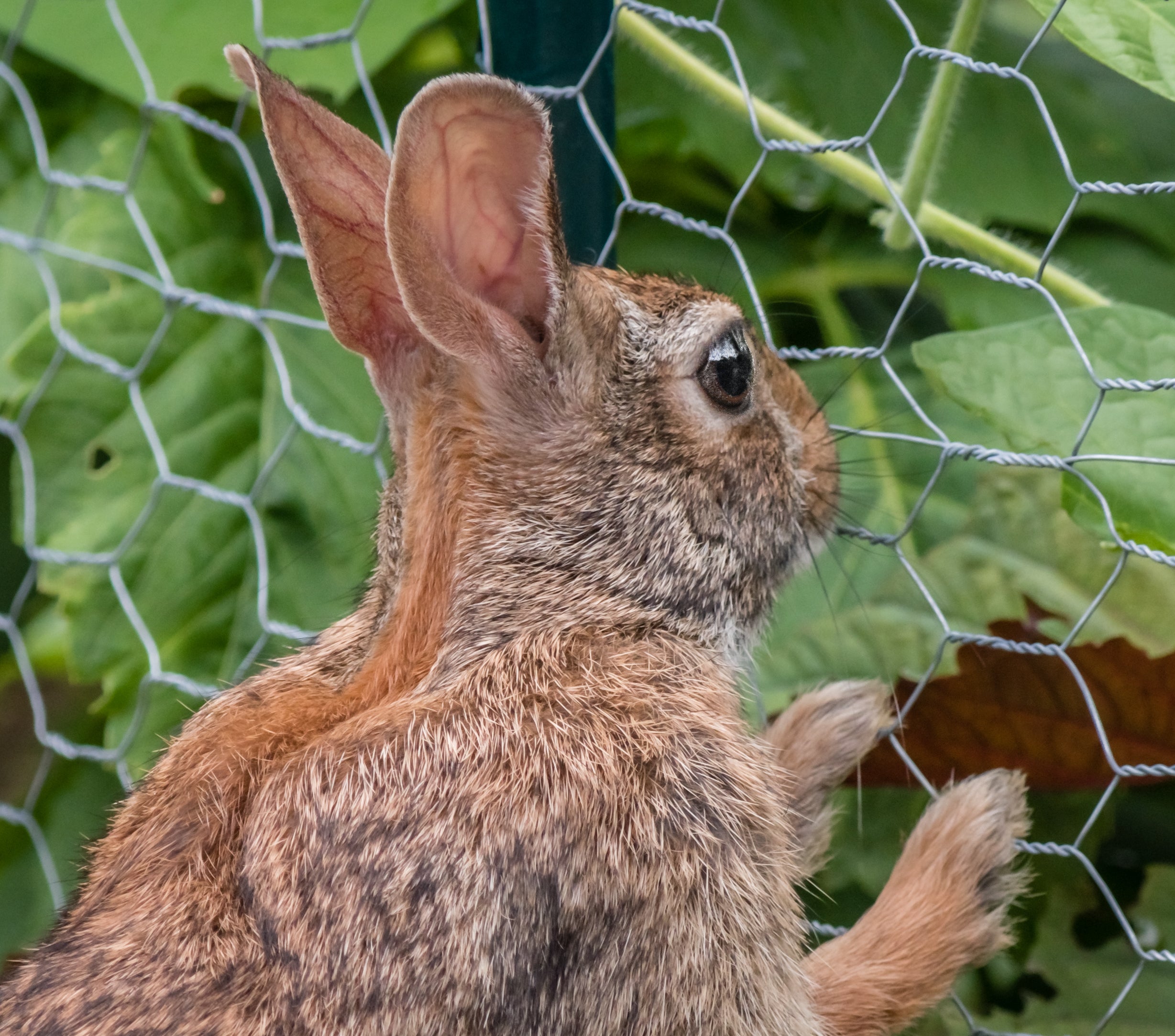
Image Source: bonnieplants.com
The Rabbit Problem: More Than Just a Cute Nuisance
Rabbits, while often seen as adorable garden visitors, can quickly become a significant problem for homeowners and gardeners. Their insatiable appetite means they can decimate young plants, chew through irrigation lines, and generally wreak havoc on carefully cultivated spaces. From the tender shoots of new growth to mature shrubs, few plants are safe from their persistent nibbling. This widespread damage can lead to costly replacements and considerable frustration. Understanding their habits is the first step in developing effective strategies for preventing rabbits.
What Drives Rabbits to Your Yard?
Rabbits are attracted to yards for several key reasons:
- Food Source: Lush green lawns, vegetable gardens, flower beds, and even the bark of young trees and shrubs provide an abundant and easily accessible food supply.
- Shelter: Dense shrubs, overgrown areas, woodpiles, and structures like decks and sheds offer safe havens for rabbits to hide from predators and the elements.
- Water: While they can get moisture from plants, access to standing water sources like bird baths or leaky faucets can also draw them in.
- Breeding Grounds: Open, undisturbed areas with plenty of food can become ideal spots for rabbits to nest and raise their young.
Comprehensive Strategies for Preventing Rabbits
Successfully keeping rabbits out of your yard requires a multi-faceted approach. Relying on a single method might offer temporary relief, but combining different exclusion methods and deterrents provides the most robust protection.
1. The Power of Fencing: Building a Rabbit Fence
Perhaps the most effective method for preventing rabbits from accessing your garden is a physical barrier. A well-constructed rabbit fence can be your ultimate line of defense.
Key Features of an Effective Rabbit Fence:
- Height: The fence should be at least 2 to 3 feet (60 to 90 cm) tall to prevent rabbits from easily hopping over it.
- Mesh Size: Use a mesh size of no larger than 1 inch (2.5 cm) to stop young rabbits from squeezing through. Chicken wire or hardware cloth are excellent choices.
- Burrow Prevention: Rabbits are adept at digging. To counter this, the bottom of your fence needs to be buried at least 6 inches (15 cm) into the ground. This prevents them from burrowing underneath.
- Outward Lope: An additional deterrent is to create an “outward loping” effect at the base. Bend the bottom 6 inches of the fence outwards at a 90-degree angle and secure it firmly to the ground with stakes or landscape staples. This makes it difficult for rabbits to dig under and encourages them to turn back.
- Material Strength: Opt for sturdy materials that can withstand some wear and tear. Galvanized wire mesh is a popular and durable choice for rabbit fence construction.
- Gate Security: Ensure any gates are also at least 2-3 feet high and have a secure latch to prevent rabbits from pushing them open. Consider extending the mesh below ground level for gates as well.
Types of Fencing Materials:
- Hardware Cloth: This is a sturdy wire mesh with small, square openings, typically 1/4 inch or 1/2 inch. It’s excellent for preventing even the smallest rabbits.
- Chicken Wire: While less sturdy than hardware cloth, chicken wire with a 1-inch mesh can be effective, especially if reinforced or used in conjunction with other deterrents.
- Welded Wire Fencing: This offers good strength and comes in various mesh sizes.
- Plastic Fencing: Lighter and often more affordable, plastic fencing can be an option for temporary solutions or as a secondary barrier, but it’s generally less durable and easier for determined rabbits to breach.
Installation Tips for Maximum Effectiveness:
- Tension: Stretch the fencing material taut between posts to prevent sagging, which can create gaps.
- Secure Anchoring: Use heavy-duty stakes or posts driven firmly into the ground every few feet.
- Continuous Barrier: Ensure there are no gaps or openings in the fence, no matter how small. Rabbits can exploit even the tiniest entry points.
2. Natural Rabbit Repellents: Harnessing Scents and Tastes
If installing a full fence isn’t feasible, or if you’re looking for supplementary methods, natural rabbit repellents can be quite effective. These methods work by making your plants unappealing or by creating scents that rabbits find offensive.
Scent-Based Repellents:
Rabbits have a keen sense of smell, and certain odors can strongly deter them.
- Garlic and Eggplant Spray:
- Ingredients: 1 whole bulb of garlic, 1-2 raw eggs, 1-2 tablespoons of cayenne pepper (optional), 1 tablespoon of liquid dish soap, 1 gallon of water.
- Preparation: Mince or blend the garlic. Mix garlic, cayenne pepper (if using), and dish soap with water. Let it steep for at least 24 hours. Whisk in the raw eggs until well combined.
- Application: Strain the mixture and spray it liberally on plants and around the perimeter of your garden. Reapply after rain or every few days. The scent of garlic and the presence of egg can confuse and repel rabbits.
- Peppermint Oil: Rabbits generally dislike the strong scent of peppermint.
- Application: Soak cotton balls in pure peppermint essential oil and place them around your garden beds or on stakes. You can also mix a few drops of peppermint oil with water and spray it on foliage.
- Cayenne Pepper: The spicy nature of cayenne pepper is a natural rabbit deterrent.
- Application: Sprinkle cayenne pepper directly around plants or mix it with water to create a spray. Be cautious when handling cayenne pepper and avoid inhaling it.
- Human Hair or Blood Meal: Rabbits are prey animals and are instinctively wary of predators.
- Application: Sprinkle human hair clippings or blood meal around your garden beds. The scent can signal the presence of predators, making rabbits hesitant to enter the area.
- Soaps: Some strongly scented soaps, like Irish Spring, are reported to deter rabbits.
- Application: Shave pieces of the soap and scatter them around plants, or hang small bags of soap shavings.
Taste-Based Repellents:
These methods make plants taste unpleasant to rabbits.
- Hot Pepper Spray: Similar to scent, the heat can deter them.
- Preparation: Blend 10-15 hot peppers (jalapenos, habaneros, etc.) with a quart of water. Let it steep for 24 hours, then strain and add a teaspoon of dish soap.
- Application: Spray on plants, avoiding contact with your eyes and skin.
- Vinegar: The strong smell and taste of vinegar can be a deterrent.
- Application: Dilute white vinegar with water (1 part vinegar to 3 parts water) and spray around the garden perimeter.
Other Natural Deterrents:
- Marigolds: Planting marigolds around your garden can help deter rabbits due to their strong scent. They are often considered a companion plant that enhances garden protection.
- Garlic and Onions: Planting these pungent vegetables near more vulnerable plants can help mask their scent and deter rabbits.
Important Note on Natural Repellents: Natural rabbit repellents often require frequent reapplication, especially after rain or watering. Their effectiveness can also vary depending on the rabbit population and their level of hunger.
3. Homemade Rabbit Repellents: DIY Solutions
Many effective rabbit deterrents can be made at home using common household ingredients, making them an economical choice for deterring rabbits from gardens.
Popular Homemade Recipes:
- The “Rotten Egg” Spray:
- Ingredients: 1 dozen eggs, 1 gallon of water, 2 tablespoons of dish soap.
- Preparation: Beat the eggs thoroughly. Mix with water and dish soap. Let it sit for a day or two to develop a stronger odor.
- Application: Spray on plants. The smell of decaying eggs is highly offensive to rabbits.
- The “Garlic & Chili” Bomb:
- Ingredients: 10 cloves garlic, 10 hot chili peppers, 1 quart of water, 1 tablespoon of dish soap.
- Preparation: Blend garlic and chili peppers with water. Strain and add dish soap.
- Application: Spray liberally on plants and garden edges.
- The “Castor Oil Barrier”:
- Ingredients: 1 part castor oil, 2 parts water, 1 tablespoon of dish soap.
- Preparation: Mix ingredients well.
- Application: Pour or spray this mixture around the base of plants or along garden borders. The oily texture and strong smell can deter rabbits.
Remember to test any homemade repellent on a small area of your plants first to ensure it doesn’t cause any adverse reactions.
4. Companion Planting for Garden Protection
Certain plants can naturally deter rabbits with their scent or taste. Integrating these into your garden design can provide a layer of defense.
Plants That Rabbits Tend to Avoid:
- Aromatic Herbs: Mint, rosemary, thyme, sage, and lavender have strong scents that rabbits dislike.
- Certain Flowers: Marigolds, zinnias, snapdragons, and impatiens are generally less appealing to rabbits.
- Pungent Vegetables: Onions, garlic, and leeks can also help keep rabbits away.
- Thorny Plants: Roses (especially older varieties with thorns), raspberries, and gooseberries can act as natural barriers.
Strategic Planting:
Planting these deterrent plants around the perimeter of your garden or interspersing them among more vulnerable plants can create a less inviting environment for rabbits.
5. Modifying Your Yard to Reduce Attractiveness
Making your yard less hospitable is a crucial part of preventing rabbits.
Eliminating Shelter:
- Clear Debris: Remove overgrown vegetation, brush piles, leaf litter, and tall grass where rabbits can hide and nest.
- Secure Structures: Seal off openings under decks, porches, sheds, and any other structures that could provide shelter. Use hardware cloth for this.
- Trim Bushes: Keep shrubbery trimmed and away from your house foundations, which can provide cover for rabbits.
Managing Food and Water Sources:
- Secure Trash Cans: Ensure your trash cans are tightly sealed to prevent rabbits from scavenging.
- Clean Up Spills: Promptly clean up any fallen fruit or birdseed.
- Water Access: Fix leaky faucets and consider how bird baths or other water sources might be attracting rabbits.
6. Scare Tactics: Creating a Sense of Danger
Rabbits are naturally skittish and can be scared by movement, noise, or the appearance of predators.
Visual Deterrents:
- Reflective Objects: Hanging old CDs, aluminum foil strips, or reflective tape can create flashing lights that may startle rabbits.
- Scarecrows: While traditional scarecrows may work temporarily, rabbits can become accustomed to them. Regularly moving scarecrows or using more dynamic versions can be more effective.
- Plastic Predators: Placing plastic owls, snakes, or cats strategically in your garden might provide a short-term deterrent. Ensure you move them periodically so rabbits don’t realize they are not real threats.
Auditory Deterrents:
- Ultrasonic Devices: These devices emit high-frequency sounds that are inaudible to humans but can be irritating to rabbits. Their effectiveness can vary, and rabbits may become accustomed to them over time.
- Wind Chimes or Noise Makers: Sudden noises from wind chimes or other devices can momentarily scare rabbits.
7. Exclusion Methods: Targeted Protection
For specific plants or areas, more targeted exclusion methods can be employed.
Plant Cages and Covers:
- Individual Plant Cages: Create cages from hardware cloth or chicken wire to protect individual plants or small garden beds. Ensure the cages are secured to the ground to prevent rabbits from digging under.
- Row Covers: Lightweight fabric row covers can protect seedlings and young plants from light damage. Ensure they are securely anchored.
Tree and Shrub Protection:
- Trunk Guards: Wrap the lower trunks of young trees and shrubs with wire mesh or plastic tree guards to prevent rabbits from gnawing on the bark, especially during winter when other food sources are scarce.
8. Understanding Rabbit Behavior for Better Control
Deciphering why rabbits are attracted to your yard is key to successful rabbit damage control. They are most active at dawn and dusk, so this is when you’re most likely to see them. They prefer areas with good cover and easy access to food. By understanding these patterns, you can better anticipate their movements and implement deterrents where they are most needed.
When Other Methods Fail: Professional Solutions and Considerations
If you’ve tried various methods without success, or if the rabbit infestation is severe, you might consider professional help.
Professional Pest Control:
Some pest control services specialize in wildlife removal. They can offer more potent deterrents or humane trapping and relocation services. However, check local regulations regarding wildlife trapping and relocation.
Humane Trapping:
For persistent individual rabbits, humane live traps can be an option.
- Baiting: Use fruits, vegetables, or rabbit feed as bait.
- Placement: Place traps in areas where you frequently see rabbit activity.
- Relocation: If you trap a rabbit, relocate it to a suitable habitat far from your home, following all local guidelines.
Maintaining Your Rabbit-Proof Yard
Keeping rabbits out of your yard is an ongoing process.
- Regular Inspections: Periodically check your fencing for damage or gaps.
- Reapply Repellents: Reapply scent and taste repellents as needed, especially after rain.
- Adjust Strategies: Observe which methods are most effective in your specific environment and adjust your approach accordingly.
Frequently Asked Questions (FAQ)
- Q: Will planting strong-smelling herbs actually keep rabbits away?
A: Yes, many aromatic herbs like mint, rosemary, and lavender have scents that rabbits generally dislike. Planting them around the perimeter of your garden or among vulnerable plants can help deter them. - Q: How deep do I need to bury a rabbit fence?
A: It’s recommended to bury the fence at least 6 inches deep and ideally bend the bottom 6 inches outward at a 90-degree angle to prevent burrowing. - Q: Are ultrasonic rabbit deterrents effective?
A: Their effectiveness can vary. Some people find them helpful, while others report that rabbits get used to the sound over time. They are often best used in conjunction with other deterrent methods. - Q: Can I use human urine as a rabbit repellent?
A: While some people report success, the effectiveness is debated, and it can be unappealing from a human perspective. Natural repellents like garlic or essential oils are generally preferred. - Q: What is the best time of year to protect my garden from rabbits?
A: Rabbits are a threat year-round, but their impact can be most noticeable in spring when new growth appears and in winter when their natural food sources are scarce, leading them to target tree bark and shrubs.
By implementing these effective solutions, you can significantly reduce and prevent rabbit damage, ensuring your garden remains a place of beauty and bounty, not a rabbit buffet.