
What are the best ways to get rid of slugs in a garden naturally? Natural solutions focus on deterring slugs, creating barriers, and using safe, eco-friendly methods to keep these slimy garden pests under control.
Slugs can be a gardener’s worst nightmare. These soft-bodied mollusks, often nocturnal, emerge after dark or on damp, cloudy days to feast on tender young plants, leaving behind tell-tale slime trails and ragged holes in leaves. While they play a role in the ecosystem, their appetite for our precious produce can be devastating. Fortunately, you don’t need harsh chemicals to protect your garden. This guide explores effective natural solutions for managing slugs, focusing on natural slug deterrents and organic slug control.
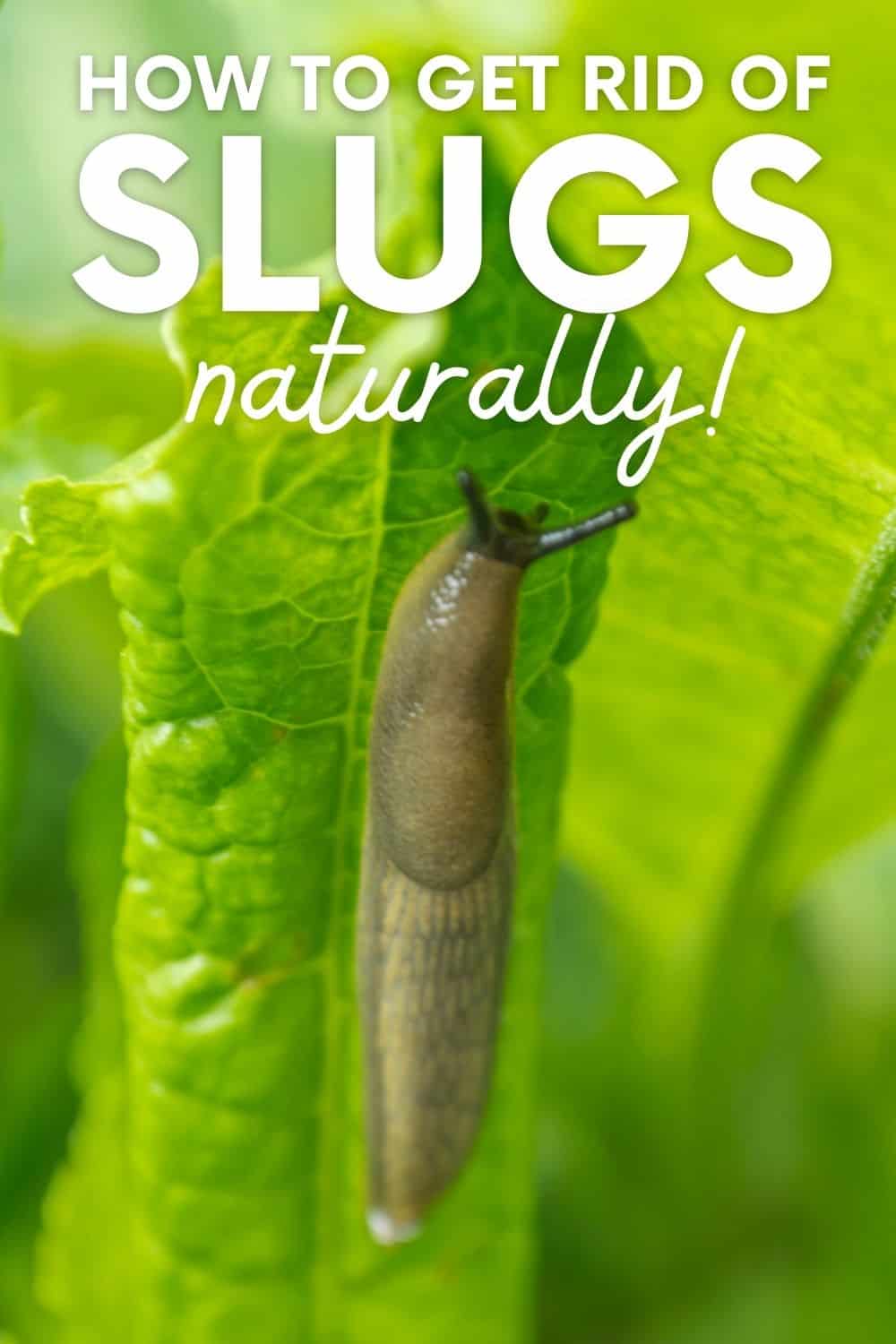
Image Source: growfully.com
Why Slugs Love Your Garden
Before we dive into solutions, let’s briefly touch on why slugs are so attracted to our carefully tended plots.
- Moisture: Slugs need moisture to survive and move. Damp soil, overwatering, and shady areas are prime slug real estate.
- Food Source: They are attracted to lush, tender plants, especially seedlings, hostas, lettuce, strawberries, and young vegetables.
- Shelter: Slugs hide during the day in dark, damp places like under rocks, leaf litter, pots, and dense ground cover.
Natural Deterrents: Creating a Slug-Unfriendly Environment
The core of organic slug control lies in making your garden less appealing and accessible to these pests. This involves a multi-pronged approach, using a variety of natural slug deterrents.
The Mighty Barrier Method
One of the most effective ways to keep slugs away from your plants is to create physical barriers that they find difficult or impossible to cross.
Copper Tape Slugs
Copper is a fantastic natural deterrent. When slugs come into contact with copper, a chemical reaction occurs, giving them a mild electric shock that deters them.
- How it works: The copper reacts with the slug’s slime, creating a small electrical charge.
- Application: Wrap copper tape around the rims of pots, raised beds, or even individual plant stems. Ensure the tape is at least 2-3 inches wide and sticks out above the soil level.
- Maintenance: Copper tape can lose its effectiveness if it becomes dirty or oxidized. Clean it periodically with a soft cloth and mild soap, or replace it as needed.
Eggshells Slugs Garden
Crushed eggshells create a sharp, abrasive barrier that slugs dislike crawling over.
- How it works: The sharp edges of the shells irritate their soft bodies.
- Application: Rinse and dry eggshells thoroughly. Crush them into small pieces (not powder) and sprinkle them around the base of plants or in a ring around vulnerable areas.
- Maintenance: Eggshells break down over time and need to be replenished, especially after rain.
Diatomaceous Earth Slugs
Diatomaceous earth (DE) is a fine powder made from fossilized aquatic organisms. It’s a natural insecticide that works by physically damaging the exoskeleton of insects and slugs.
- How it works: The microscopic sharp edges of DE scratch the slug’s protective outer layer, causing it to dehydrate and die.
- Application: Sprinkle a dry band of food-grade DE around plants or garden beds.
- Important Note: DE is only effective when it is dry. It must be reapplied after rain or heavy dew. Be cautious not to inhale the dust when applying.
Other Natural Barrier Materials
- Crushed Sea Shells: Similar to eggshells, their sharp edges can deter slugs.
- Gravel or Coarse Sand: A thick layer can make it difficult for slugs to traverse.
- Pine Needles: The prickly nature of pine needles can act as a deterrent.
Trapping Them: Slug Traps for Garden
While deterring them is ideal, sometimes you need to actively remove slugs from your garden. Slug traps for garden are an excellent, non-toxic way to do this.
Beer Slug Traps
This is perhaps the most well-known homemade slug repellent. Slugs are attracted to the fermenting yeast in beer.
- How it works: Slugs are drawn to the smell of beer, crawl into the container, and drown.
- Construction:
- Take shallow containers like yogurt cups, tuna cans, or plastic tubs.
- Bury them in the soil so the rim is level with the ground.
- Fill them about halfway with beer. Lager or ale works well.
- Alternatively, you can add a tablespoon of yeast and sugar to water for a cheaper, albeit less potent, attractant.
- Placement: Place traps near affected plants, especially in damp, shady areas.
- Maintenance: Empty and refill traps every few days.
Other Homemade Traps
- Orange or Grapefruit Halves: Place these cut-side down in the garden. Slugs will congregate underneath for shelter. Check them in the morning, collect the slugs, and dispose of them.
- Boards or Bricks: Place damp pieces of wood or old bricks in shady spots. Slugs will hide under them during the day. Lift them carefully in the morning to collect the slugs.
Repelling Slugs Naturally
Beyond barriers and traps, several other methods can help repel slugs from your garden.
Salt Slugs Garden
While salt can kill slugs, it’s generally not recommended for widespread garden use.
- How it works: Salt draws the moisture out of slugs, causing them to dehydrate and die.
- Why it’s not ideal: Salt can also harm your plants and soil by altering the soil’s chemical balance. It can kill beneficial soil organisms and make it difficult for plants to absorb nutrients.
- Limited use: If you must use it, do so very sparingly and only directly on a slug, not around plants.
Essential Oils Slug Repellent
Certain essential oils have strong scents that can deter slugs.
- How it works: The potent aromas can mask the scent of plants or be unpleasant for slugs.
- Effective Oils:
- Peppermint Oil: Strong scent that slugs dislike.
- Eucalyptus Oil: Pungent and repellent.
- Tea Tree Oil: Known for its strong, medicinal smell.
- Garlic Oil: A strong, natural repellent.
- Application:
- Mix a few drops of your chosen essential oil with water in a spray bottle.
- Add a drop of mild liquid soap (like castile soap) to help the oil emulsify with the water.
- Spray around the base of plants or on affected foliage.
- Maintenance: Reapply after rain or irrigation. Be sure to test on a small area of a plant first to ensure it doesn’t cause any damage.
Introducing Natural Predators
The best way to control slugs long-term is to encourage their natural enemies into your garden.
- Birds: Many birds, such as thrushes, robins, and blackbirds, enjoy a slug supper. Providing bird baths and feeders can attract them.
- Frogs and Toads: These amphibians are voracious slug eaters. Creating a small pond or water feature can encourage them to take up residence.
- Hedgehogs: If you live in an area with hedgehogs, they are fantastic slug controllers. Leaving small gaps in fences or providing a log pile can offer them shelter.
- Ground Beetles: These beneficial insects prey on slug eggs and young slugs.
Encouraging Good Garden Hygiene
A tidy garden is a less slug-friendly garden.
- Remove Debris: Clear away fallen leaves, weeds, and other organic matter where slugs love to hide and lay eggs.
- Water Wisely: Water your plants in the morning rather than the evening. This allows the soil surface to dry out by nightfall, making it less hospitable for slugs. Avoid overwatering.
- Avoid Mulching Too Close to Stems: While mulch is beneficial, piling it directly against plant stems can create a moist haven for slugs. Leave a small gap.
Specific Plant Protection Strategies
Different plants may require slightly different approaches.
Protecting Seedlings
Seedlings are particularly vulnerable.
- Plant in Raised Beds: This can provide a natural barrier, especially if combined with copper tape.
- Use Protective Collars: You can create simple collars from plastic bottles or cardboard tubes and push them into the soil around seedlings.
- Netting or Cloches: Covering vulnerable seedlings with fine netting or plastic cloches can physically prevent slugs from reaching them. Ensure good ventilation.
Protecting Hostas and Other Favourites
Hostas are a slug’s favorite.
- Use Barriers: Copper tape around the base of the plant or around the entire bed is very effective.
- Diatomaceous Earth: Apply a dry band around the hosta.
- Hand Picking: For small infestations, going out at night with a flashlight and picking slugs off by hand can be surprisingly effective. Dispose of them by dropping them into a bucket of soapy water.
When to Consider Commercial Natural Solutions
While homemade slug repellent and DIY methods are great, there are also effective commercial natural slug deterrents available.
- Nematodes: These are microscopic parasitic worms that are natural predators of slugs. They are applied to the soil and seek out slugs, infecting and killing them. They are safe for pets, wildlife, and humans.
- Iron Phosphate Baits: These are specifically formulated slug baits that are less toxic than older metaldehyde baits. Slugs eat them, stop feeding, and die. They are generally considered safe for pets and wildlife when used according to instructions.
Table: Natural Slug Control Methods at a Glance
| Method | How it Works | Best For | Considerations |
|---|---|---|---|
| Copper Tape Slugs | Electrical charge deters slugs | Pots, raised beds, plant stems | Needs cleaning, can oxidize |
| Eggshells Slugs Garden | Sharp edges irritate slugs | Base of plants, garden perimeter | Needs frequent reapplication after rain |
| Diatomaceous Earth Slugs | Dehydrates slugs by damaging exoskeleton | Around plants, garden beds | Only effective when dry, reapply after rain, avoid inhalation |
| Beer Slug Traps | Attracts and drowns slugs | General slug population reduction | Needs regular emptying and refilling |
| Essential Oils Slug Repellent | Strong scent repels slugs | Base of plants, affected foliage | Reapply after rain, test on small plant area first |
| Natural Predators | Birds, frogs, toads, hedgehogs eat slugs | Long-term, ecosystem-based control | Requires creating a habitat that attracts them |
| Watering Practices | Reduces moisture slugs need | Overall garden environment | Water in the morning, avoid overwatering |
Frequently Asked Questions (FAQ)
Can I use salt directly on slugs in my garden?
While salt will kill slugs, it’s generally not recommended for use in your garden. Salt can damage your soil by increasing salinity, harming beneficial microorganisms, and potentially harming your plants by making it difficult for them to absorb water and nutrients. It’s better to use less harmful methods.
How often do I need to reapply natural slug deterrents like diatomaceous earth or eggshells?
These barriers are most effective when kept dry and intact. You will need to reapply them after rain or heavy watering. Diatomaceous earth, in particular, loses its efficacy very quickly when wet. Eggshells will also break down over time, so a fresh sprinkling every few weeks is a good idea.
Are beer traps safe for pets and wildlife?
Beer traps are generally safe for pets and wildlife if placed correctly. Ensure the containers are not too deep that a small animal could get trapped. Most animals are not attracted to the shallow beer levels, and the alcohol concentration is usually too low to cause significant harm if a small amount were ingested. However, it’s always best to monitor your garden and place traps in areas less accessible to pets.
What are the most effective natural slug deterrents?
The most effective natural deterrents often involve creating physical barriers that slugs find difficult to cross. Copper tape, diatomaceous earth (when dry), and crushed eggshells are all highly effective. Combining these with strategic watering and encouraging natural predators provides the best long-term solution.
Can essential oils really repel slugs?
Yes, certain essential oils like peppermint, eucalyptus, and tea tree oil have strong scents that slugs find unpleasant. When diluted and sprayed around plants, they can act as a repellent. However, their effectiveness can be short-lived, especially in wet conditions, and they need regular reapplication.
By adopting these natural and organic methods, you can effectively manage slugs and protect your garden without resorting to harmful chemicals, creating a healthier and more sustainable growing environment.