
Mushrooms popping up in your yard? The simple answer to how to get rid of mushrooms in your yard is to address the underlying conditions that allow them to thrive, rather than trying to eliminate the mushrooms themselves, as they are the fruiting bodies of a larger, underground fungal network.
Mushrooms in your lawn are a common sight, especially after periods of rain or damp weather. While they can be a bit of an eyesore, they are not typically harmful to your lawn’s health. In fact, their presence often indicates a healthy ecosystem beneath the surface. However, if you find them unsightly or are concerned about their impact, there are effective and safe ways to manage them. This comprehensive guide will walk you through identifying the causes of fungal growth and implementing practical solutions for mushroom removal and prevention, ensuring your yard remains beautiful and your family and pets safe.
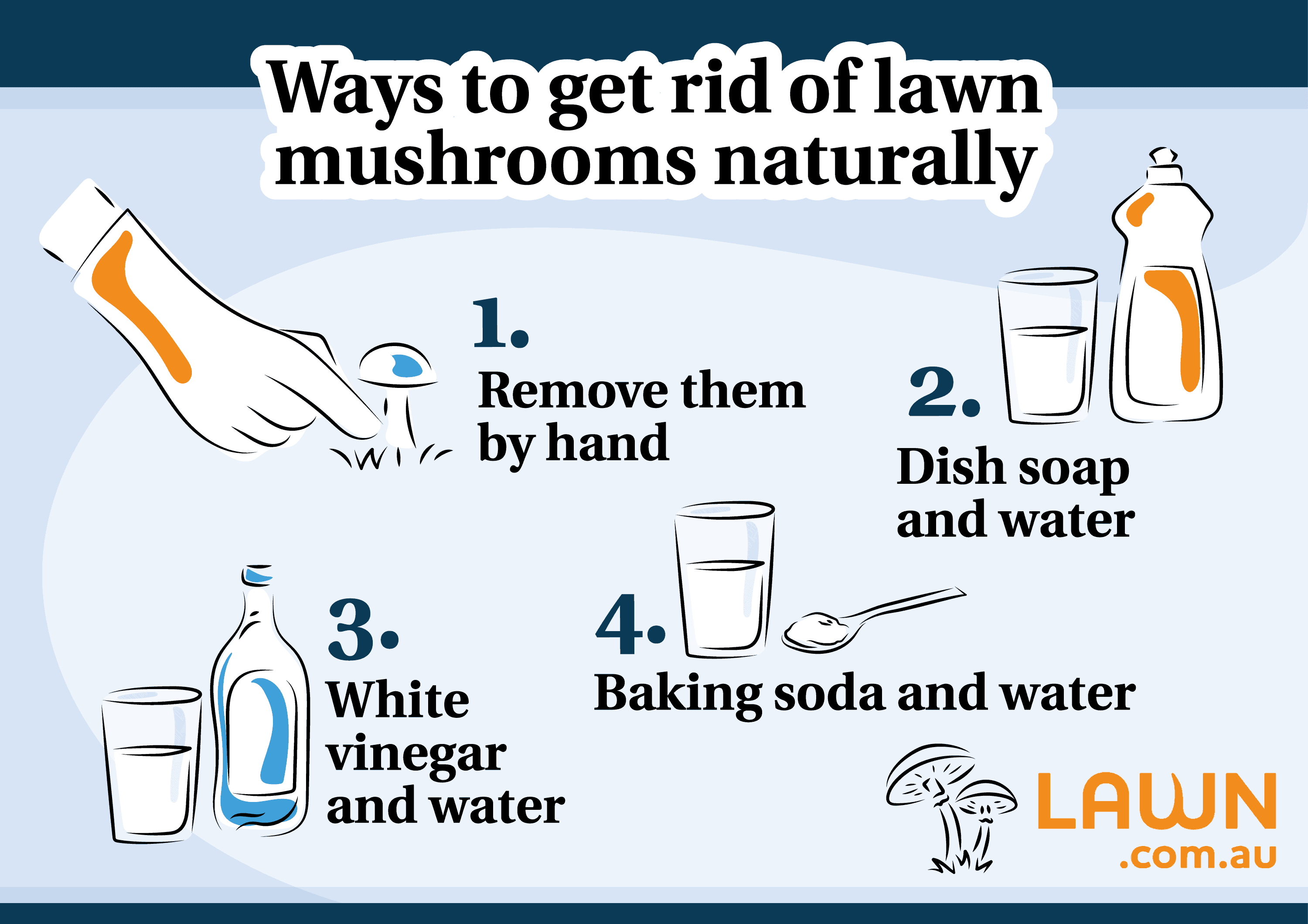
Image Source: lawn.com.au
Why Do Mushrooms Grow in My Yard?
Mushrooms are the reproductive structures of fungi that live underground. These fungi play a vital role in breaking down organic matter, which is essential for healthy soil. They pop up when conditions are just right: plenty of moisture, available food sources (like decaying organic material), and favorable temperatures.
Several factors contribute to their appearance:
- Excess Moisture: Overwatering, poor drainage, or even just consistent rainfall can create the damp environment fungi love.
- Thatch Buildup: A thick layer of dead grass and organic material on your lawn (thatch) can hold moisture and provide food for fungi.
- Dead Organic Matter: Buried tree roots, stumps, animal waste, or composted material can all serve as food sources for the underground fungal network.
- Shady Areas: Spots that don’t receive much sunlight tend to stay moist longer, making them prime real estate for mushrooms.
- Compacted Soil: Compacted soil restricts airflow and water drainage, leading to perpetually damp conditions.
Identifying the Cause is Key to Fungus Control
Effective mushroom removal starts with identifying the specific reasons they are appearing in your yard. This allows for targeted lawn care strategies.
Common Culprits for Fungal Growth
- Decomposing Wood: Buried tree stumps, old logs, or even wood chips used in landscaping can be a significant food source for fungi. The mycelium, the main body of the fungus, spreads through this material.
- Animal Waste: Dog or other pet waste left on the lawn can also provide nutrients for fungi to grow.
- Excessive Thatch: A thatch layer thicker than half an inch can trap moisture and nutrients, creating a perfect breeding ground.
- Poor Drainage: Areas where water tends to pool after rain or irrigation indicate poor drainage, which is a major contributor to fungal growth.
- Overwatering: Frequent, deep watering cycles can keep the soil consistently saturated, encouraging fungal activity.
Steps for Effective Mushroom Removal
Getting rid of mushrooms in your yard involves a multi-pronged approach that focuses on improving your lawn’s overall health and eliminating the conditions that favor fungal growth.
Step 1: Mechanical Removal
The most immediate way to deal with mushrooms is to physically remove them.
- Pulling by Hand: For small, isolated mushrooms, wearing gloves, simply pull them out of the ground. Try to get the entire mushroom, including the base.
- Bagging and Disposing: Place the removed mushrooms in a plastic bag, seal it tightly, and dispose of it in the trash. This prevents the spores from spreading further.
- Mowing: If you have a large number of mushrooms and don’t want to pull them all, mowing your lawn can break them down. However, this won’t eliminate the underlying fungal issue.
Important Note on Pet Safety: While most common lawn mushrooms are not toxic, some can be. It’s always best to err on the side of caution, especially if you have pets or small children. Removing visible mushrooms is a good practice for pet safety and aesthetic appeal.
Step 2: Address Moisture Issues
Controlling moisture is paramount for long-term fungus control.
- Adjust Watering Schedule: Water your lawn deeply but infrequently. Aim for about 1 inch of water per week, applied once or twice. This encourages deeper root growth and allows the surface to dry out between waterings.
- Improve Drainage: If certain areas of your yard tend to stay wet, consider improving drainage. This might involve:
- Soil Aeration: This process creates small holes in the soil, allowing air, water, and nutrients to penetrate deeper, improving drainage and reducing compaction.
- Dethatching: Removing excess thatch is crucial. A thatch layer over half an inch can significantly impede drainage.
- Grading: In severe cases, re-grading your yard to create a gentle slope away from your house or problem areas might be necessary.
- Adding Organic Matter: While fungi feed on organic matter, well-balanced organic matter in the soil, when combined with good drainage, actually improves soil structure and reduces the likelihood of persistent sogginess.
Step 3: Manage Organic Debris
Reducing the food sources for fungi is a key part of yard maintenance.
- Remove Dead Material: Rake up fallen leaves, grass clippings, and any other dead organic matter promptly.
- Deal with Tree Stumps: If you have old tree stumps, they can be a major fungal food source. You can have them professionally removed or opt for a stump grinding service. If you choose to leave them, consider covering them with soil or mulch to discourage mushroom growth.
- Clean Up Pet Waste: Regularly scoop up any pet waste from your lawn.
Step 4: Lawn Health and Thatch Management
A healthy lawn is more resilient to fungal problems.
- Proper Mowing: Mow your lawn at the recommended height for your grass type. Taller grass shades the soil, keeping it cooler and moister, which can be good, but it also can contribute to thatch buildup if not managed.
- Dethatching: As mentioned, dethatching is critical. This can be done with a power rake or a manual dethatcher. Aim to dethatch in the spring or fall when the grass is actively growing.
- Overseeding: Filling in bare patches with grass seed can help create a denser lawn, which crowds out weeds and can improve overall lawn health.
Step 5: Consider Natural Fungicides (If Necessary)
While addressing the underlying conditions is the primary goal, in some cases, a fungicide might be considered.
- Organic Fungicide Options: For those seeking environmentally friendly solutions, several organic fungicides can help.
- Corn Gluten Meal: This is a pre-emergent herbicide and fertilizer that can also inhibit fungal growth when applied at the correct time. It works by disrupting protein formation in fungal spores.
- Baking Soda: A solution of baking soda and water (about 1 tablespoon per gallon) can be sprayed on affected areas. However, use this sparingly as too much can harm your grass.
- Neem Oil: Derived from the neem tree, neem oil has fungicidal properties and can be effective against a range of fungal diseases.
- Potassium Bicarbonate: Similar to baking soda, potassium bicarbonate can alter the pH on the leaf surface, making it less hospitable to fungi.
When Using Fungicides: Always follow the product label instructions carefully for mixing and application. Consider the potential impact on beneficial soil organisms and non-target plants.
Natural Ways to Improve Soil and Prevent Fungal Growth
Focusing on creating a healthy soil environment is a long-term strategy for preventing mushroom recurrence.
Soil Aeration
- How it Helps: Aeration creates channels in the soil, allowing air, water, and nutrients to reach the root zone. This is crucial for healthy grass growth and also helps to prevent waterlogging, a key factor in mushroom proliferation.
- When to Aerate: The best times to aerate are during the active growing seasons for your grass type – typically spring or fall for cool-season grasses, and late spring or early summer for warm-season grasses.
- Methods: You can rent a core aerator (which pulls out plugs of soil) or use spike aerators. For smaller areas, a garden fork can be used to manually poke holes.
Drainage Improvement
- Swales and French Drains: For persistent waterlogged areas, consider installing swales (shallow ditches that direct water flow) or French drains (underground gravel-filled trenches with perforated pipes) to channel excess water away from the problem spots.
- Topsoil Amendments: Adding compost or other organic matter can improve the soil’s structure, allowing it to absorb and drain water more effectively over time, contributing to better lawn health.
Balancing Soil pH
- Testing Your Soil: A simple soil test can reveal if your soil is too acidic or too alkaline. Fungi often prefer slightly acidic conditions.
- Adjusting pH: Lime can be added to raise the pH (make it less acidic), and sulfur can be added to lower the pH (make it more acidic). Consult your soil test results for specific recommendations.
Common Mushroom Types Found in Yards
While identifying the exact species of mushroom isn’t usually necessary for removal, knowing that some are more common can be helpful.
| Mushroom Type | Appearance | Notes |
|---|---|---|
| Fairy Rings | Rings or arcs of mushrooms, often with a darker green band of grass surrounding them. | Caused by a single fungal mycelium spreading outwards. The mushrooms are just the visible part. |
| Puffballs | Round, white to off-white structures that release powdery spores when disturbed. | Generally harmless, but can be messy. Mature puffballs release spores, which can germinate into more fungi if conditions are right. |
| Ink Caps | Delicate mushrooms that often turn into a black, inky liquid as they mature and decay. | Often grow in clusters. Their rapid decay means they are usually a temporary nuisance. |
| Field Mushrooms | Similar to cultivated mushrooms, often white or brown with gills underneath the cap. | Can appear in lawns, especially after rain. |
| Horsemen’s Mushrooms | Brownish caps, often growing in clusters or fairy rings. | Common in pastures and lawns. |
Is It Safe to Remove Mushrooms?
Yes, it is safe to remove mushrooms from your yard using the methods described. The key is to protect yourself and prevent the spread of spores.
- Wear Gloves: Always wear gloves when handling mushrooms to avoid contact with any potentially irritating substances or spores.
- Bag Them Securely: This is crucial for preventing spore dispersal.
- Wash Your Hands: After removing mushrooms, wash your hands thoroughly with soap and water.
When to Seek Professional Help
While most mushroom issues can be managed with DIY lawn care, there are times when professional assistance might be beneficial.
- Extensive Fairy Rings: Large or persistent fairy rings that cover significant portions of your lawn can be challenging to manage on your own.
- Persistent Drainage Problems: If you have chronic waterlogging issues that you can’t resolve with basic aeration and dethatching, a landscaping professional can help assess and implement more significant drainage solutions.
- Concern About Toxicity: If you are particularly concerned about the type of mushrooms growing in your yard and suspect they might be toxic, consult a local horticulturalist or extension office for identification and advice.
Frequently Asked Questions (FAQ)
Q1: Can I just spray the mushrooms with water to get rid of them?
A1: Spraying mushrooms with water will not get rid of them, as they are the fruiting bodies of a fungus that lives in the soil. In fact, adding more moisture can sometimes encourage their growth.
Q2: Are lawn mushrooms dangerous to my pets?
A2: While most common lawn mushrooms are not toxic, some species can be. It’s safest to remove any mushrooms your pets might be tempted to eat, and to prevent them from grazing in areas with many mushrooms until you’ve addressed the underlying causes.
Q3: Will a fungicide kill the grass?
A3: Properly applied lawn fungicides, especially organic options, are generally safe for grass. However, always read and follow the label instructions carefully to avoid over-application or damage.
Q4: How long does it take to get rid of mushrooms?
A4: Getting rid of mushrooms is an ongoing process of maintaining healthy lawn conditions. While you can remove visible mushrooms quickly, it can take time – often several growing seasons – to significantly reduce their recurrence by improving soil health, drainage, and thatch management.
Q5: Is it normal to have mushrooms after heavy rain?
A5: Yes, it is very normal. The increased moisture provides the ideal conditions for the underground fungal network (mycelium) to produce mushrooms. It’s a sign that your soil likely has organic matter, which is good for lawn health, but the excess moisture is the key trigger for mushroom appearance.
By focusing on comprehensive lawn care and addressing the root causes of fungal growth, you can effectively manage and reduce the appearance of mushrooms in your yard, promoting a healthier, more beautiful lawn.