
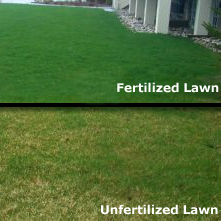
Image Source: aalawns.com
Fertilizing Your Lawn: How Often Can You Fertilize The Lawn?
Yes, you can fertilize your lawn multiple times a year, but the exact frequency depends on several factors. Knowing how often to feed your grass is key to a lush, healthy lawn, and avoiding common mistakes. This guide will help you create a robust lawn fertilization schedule and answer your burning questions about fertilizing frequency.
Seasonal Lawn Fertilization: A Foundational Approach
Your lawn’s nutritional needs change throughout the year, much like our own dietary requirements. Understanding these cycles allows for targeted fertilization that supports growth, resilience, and color. A well-timed lawn fertilization schedule is the cornerstone of effective lawn care.
Spring: The Awakening
Spring is a crucial time for lawn fertilization. After a dormant winter, your grass plants are eager to start growing.
- Why fertilize in spring? The goal is to provide a quick boost of nitrogen to encourage leaf growth and establish a strong root system. This helps the grass recover from winter stress and prepare for the warmer months.
- What to look for in a spring fertilizer: Opt for a fertilizer with a higher percentage of nitrogen. Look for numbers like 20-5-10 or 25-3-5 on the bag (the first number represents nitrogen, the second phosphorus, and the third potassium).
- When to fertilize in spring: The best time to fertilize lawn in spring is typically after the last frost and when the grass has started to actively grow. This usually falls between March and May, depending on your region. Avoid fertilizing too early, as this can stimulate growth before the grass is ready, making it vulnerable to frost.
Summer: Maintenance and Stress Management
Summer presents its own challenges for lawns, primarily heat and potential drought. Fertilizing frequency during this period requires careful consideration.
- Summer fertilization considerations: If you fertilize in summer, choose a slow-release fertilizer. This provides nutrients gradually, preventing a surge of growth that can stress the grass in hot weather. Look for formulations that contain iron, which can help green up the lawn without excessive leaf growth.
- When to fertilize in summer: If you choose to fertilize in summer, do so sparingly and only when the grass is well-watered. Avoid fertilizing during extreme heat waves or drought conditions, as this can burn the lawn. Early summer or late summer can be more suitable times if needed.
Fall: The Most Important Feeding
Many lawn care experts consider fall the most critical time for fertilization. This is when the grass is storing energy for winter and preparing for the next growing season.
- Why fertilize in fall? Fall fertilization focuses on promoting root development and helping the grass store carbohydrates. This makes the lawn more resilient to winter damage and sets it up for a strong start in the spring.
- What to look for in a fall fertilizer: A fertilizer with a higher percentage of potassium is beneficial for root growth and overall plant health. A blend like 10-10-20 or a similar ratio can be effective.
- When to fertilize in fall: The best time to fertilize lawn in the fall is generally in early to mid-autumn, before the ground freezes. This allows the grass to absorb the nutrients and build up its reserves. Aim for late September through November, again depending on your climate.
Winter: A Brief Pause
Most lawn care professionals advise against fertilizing in winter. The grass is dormant, and any applied fertilizer will likely remain on the surface, potentially leading to runoff and environmental pollution without benefiting the lawn.
How Often to Feed Grass: A Fertilizing Frequency Guide
The question of how often to feed grass is a common one. For most cool-season grasses (like Kentucky bluegrass, fescue, and ryegrass), a typical lawn fertilization schedule involves 3-4 applications per year. For warm-season grasses (like Bermuda, Zoysia, and St. Augustine), the schedule might be slightly different.
Here’s a general guideline for fertilizing frequency:
- Cool-Season Grasses:
- Early Spring (March-May)
- Late Spring/Early Summer (May-June) – Optional, depending on grass type and soil test.
- Early Fall (September-October) – Crucial for root development.
- Late Fall (November) – For overwintering and early spring green-up.
- Warm-Season Grasses:
- Late Spring (May-June) – As the grass actively starts growing.
- Mid-Summer (July-August) – For continued growth and color.
- Early Fall (September) – To help it store energy before dormancy.
Crucially, always read and follow the specific instructions on your fertilizer product. Different formulations have different application rates and recommended intervals.
Factors Influencing Fertilizing Frequency
While general guidelines are helpful, your specific lawn conditions will dictate the ideal fertilizing frequency.
Grass Type: Cool-Season vs. Warm-Season
- Cool-Season Grasses: These thrive in cooler temperatures and have distinct active growing periods in spring and fall. They benefit from fertilization during these times to support their growth cycles.
- Warm-Season Grasses: These grasses actively grow during the hot summer months. They need fertilization when temperatures are consistently warm, and they become less active or dormant in cooler weather.
Soil Type and Condition
- Soil Testing: The most accurate way to determine your lawn’s nutrient needs is through a soil test. This will reveal deficiencies or excesses of essential nutrients, allowing you to choose the right fertilizer and apply it at the correct frequency. Local extension offices often provide affordable soil testing services.
- Sandy Soils: Sandy soils drain quickly and can leach nutrients faster. This might necessitate more frequent, lighter applications of fertilizer compared to heavier clay soils.
- Clay Soils: Clay soils retain nutrients better but can also become compacted. Aeration is important, and fertilization might be less frequent but still requires appropriate timing.
Climate and Weather Patterns
- Regional Differences: Your local climate plays a significant role. Lawns in regions with long growing seasons may benefit from more applications than those in areas with shorter summers.
- Rainfall: Adequate moisture is essential for fertilizer uptake. If you experience prolonged dry spells, you may need to adjust your fertilization schedule or ensure the lawn is well-watered after application.
- Extreme Temperatures: As mentioned, avoid fertilizing during extreme heat or drought.
Lawn Goals and Appearance
- Desired Lushness: If you aim for a particularly dense and vibrant lawn, you might consider a slightly more aggressive fertilization schedule, always prioritizing the health of the grass.
- Recovery: If your lawn has suffered from stress (e.g., drought, disease, heavy traffic), a carefully timed fertilization can aid in its recovery.
Fertilizer Application Timing: Getting It Right
Beyond how often, when you apply fertilizer is just as critical. Fertilizer application timing ensures the nutrients are available when the grass can use them most effectively.
The Role of Temperature
- Ideal Soil Temperatures: For cool-season grasses, aim for soil temperatures between 50°F and 65°F (10°C and 18°C). For warm-season grasses, temperatures between 70°F and 85°F (21°C and 29°C) are ideal.
- Avoiding Stress: Fertilizing when temperatures are too high can lead to fertilizer burn, as the grass is already stressed.
Moisture Requirements
- Pre-Watering: Some experts recommend lightly watering the lawn before applying fertilizer, especially granular types, to help the granules stick to the blades and move into the soil.
- Post-Watering: Crucially, water your lawn thoroughly after applying granular fertilizer. This helps dissolve the fertilizer and moves it into the root zone, preventing burn. Aim for about 0.5 inches of water. If you use a liquid fertilizer, watering may not be necessary depending on the product.
Types of Fertilizers and Their Impact on Frequency
The type of fertilizer you choose also influences how often you need to apply it.
Slow-Release vs. Quick-Release Fertilizers
- Quick-Release Fertilizers: These provide a rapid green-up and boost of growth. However, the nutrients are quickly depleted, and they can be more prone to leaching or burning the lawn if over-applied. If using quick-release, you might need more frequent applications, but with lower rates each time.
- Slow-Release Fertilizers: These are designed to release nutrients gradually over a longer period (weeks or months). This provides a more sustained feeding, reduces the risk of burning, and often requires fewer applications throughout the year. They are generally a safer and more effective choice for consistent lawn health. Many fall fertilizers are slow-release for this reason.
Organic vs. Synthetic Fertilizers
- Synthetic Fertilizers: These are chemically manufactured and offer precise nutrient ratios. They can provide quick results but may require more frequent application and can contribute to nutrient runoff if not managed carefully.
- Organic Fertilizers: These are derived from natural sources like compost, manure, and bone meal. They release nutrients slowly as they decompose, improving soil structure and microbial activity. While they are less likely to burn the lawn, they may require more frequent applications to achieve the same level of greenness as synthetics.
Fertilizing Overseeded Lawn: Special Considerations
When you’re fertilizing overseeded lawn, you need a slightly different approach. Overseeding involves spreading grass seed over an existing lawn to fill in thin areas and improve density.
- Timing is Key: It’s generally best to fertilize after the new grass seedlings have emerged and have been mowed at least once or twice. Applying fertilizer too early can inhibit seed germination.
- Fertilizer Type: Use a starter fertilizer specifically designed for new lawns. These typically have a balanced N-P-K ratio (e.g., 10-20-10 or similar) with phosphorus being important for root development.
- Frequency: You’ll likely only need one application of starter fertilizer when overseeding. Subsequent fertilizations should follow your regular lawn fertilization schedule for established grass, but wait until the new grass is well-rooted.
Creating Your Lawn Care Calendar
A lawn care calendar is a visual tool that helps you track important tasks, including fertilization. Here’s a sample structure, which you should adapt to your specific climate and grass type.
| Month | Cool-Season Grass | Warm-Season Grass | Other Tasks |
|---|---|---|---|
| March | First fertilization (light nitrogen if needed, after dormancy) | Light raking, weed control preparation | Remove leaves, debris, check for winter damage |
| April | Second fertilization (balanced or higher nitrogen) | Begin pre-emergent weed control | Mow regularly, aerate if needed (cool-season) |
| May | Optional fertilization (if grass is showing stress) | First fertilization (moderate nitrogen, as growth starts) | Water deeply, spot treat weeds |
| June | Monitor for pests and diseases | Second fertilization (slow-release nitrogen) | Mow regularly, water deeply if dry |
| July | Water deeply, manage drought stress | Monitor for pests and diseases, water as needed | Spot treat weeds, check for grubs |
| August | Continue watering, prepare for fall feeding | Third fertilization (balanced or slightly higher nitrogen) | Prepare for overseeding (if applicable), dethatch if necessary |
| September | Crucial Fall Fertilization (balanced or higher potassium) | Fertilize with a fall formula to help store energy before dormancy | Overseed thin areas (cool-season), aerate (warm-season), water as needed |
| October | Monitor for disease, water if dry | Water as needed before dormancy | Continue mowing until growth stops, leaf cleanup |
| November | Late Fall Fertilization (for overwintering) | Lawn is dormant | Prepare tools, consider soil testing for next year |
| December | Lawn dormant | Lawn dormant | Plan for next season |
| January | Lawn dormant | Lawn dormant | Review lawn care records |
| February | Monitor for early signs of growth, prepare for spring | Monitor for early signs of growth, prepare for spring | Check irrigation systems, order supplies |
Important Note: This is a general guide. Always consult local resources and soil test results for the most accurate lawn care calendar for your area.
How Many Times a Year to Fertilize The Lawn?
For most established lawns, fertilizing 3 to 4 times a year is a common recommendation. However, some lawns might benefit from only 2 applications, while others in specific climates or with particular needs might receive up to 5. The key is quality over quantity, ensuring each application is timed correctly and uses the appropriate fertilizer.
- Beginner: Start with a simple 3-application schedule: early spring, mid-fall, and late fall for cool-season grasses.
- Intermediate: Add a late spring or early summer application if your grass type and conditions warrant it.
- Advanced: Fine-tune your schedule based on soil test results, grass performance, and specific challenges.
Common Pitfalls to Avoid
- Over-fertilizing: This is a common mistake. Too much fertilizer can burn the grass, lead to excessive thatch, and contribute to environmental pollution through runoff.
- Under-fertilizing: Not fertilizing enough can result in a thin, weak lawn that is more susceptible to weeds, pests, and diseases.
- Wrong Timing: Applying fertilizer at the wrong time of year or during unfavorable weather conditions can be ineffective or even harmful.
- Ignoring Soil Tests: Relying on guesswork instead of soil test results can lead to applying unnecessary nutrients or failing to address deficiencies.
- Not Watering: Forgetting to water after granular fertilizer application is a recipe for disaster, often resulting in brown patches.
Frequently Asked Questions (FAQ)
Q1: Can I fertilize my lawn if it’s dry?
It’s generally not recommended to fertilize a completely dry lawn, especially with synthetic fertilizers, as it can lead to burning. Ensure the lawn is adequately moist before and after application.
Q2: What is the best fertilizer for a new lawn?
A “starter fertilizer” with a higher phosphorus content is best for new lawns. Phosphorus is crucial for root development.
Q3: My lawn is full of weeds. Should I fertilize?
While a healthy lawn is more resistant to weeds, it’s often best to address weed problems before heavy fertilization. Some herbicides can be applied with fertilizer, but always check product labels to ensure they are compatible and safe for your grass type.
Q4: How long should I wait between fertilizing applications?
This depends on the type of fertilizer used. Quick-release fertilizers may require a waiting period of 4-6 weeks between applications, while slow-release fertilizers can often go 6-8 weeks or longer. Always follow the product label for specific intervals.
Q5: Can I fertilize my lawn in the winter?
No, it’s generally not advisable to fertilize dormant lawns in winter. The grass cannot absorb the nutrients, and the fertilizer can be washed away by rain or snowmelt, potentially polluting waterways.
Q6: How often should I fertilize my lawn with organic fertilizer?
Organic fertilizers typically release nutrients more slowly. You might need to apply them more frequently than synthetic fertilizers, perhaps 4-5 times a year for consistent results, depending on the product and your lawn’s needs.
By following a well-researched lawn fertilization schedule and paying attention to the specific needs of your grass, you can achieve a beautiful, healthy lawn that you can be proud of. Remember, consistency, observation, and adapting to your unique environment are key to successful lawn care.