
Can you remove mushrooms from your yard? Yes, you can remove mushrooms from your yard. This article will guide you through effective methods for fungus removal and mushroom control in your lawn. We’ll cover identifying yard mushrooms, safe mushroom removal, and ways to prevent them from returning.
Mushrooms popping up in your lawn can be a puzzling sight. While they might add a whimsical touch to some, for many homeowners, they represent an unwelcome invasion. These ephemeral fungi, often referred to as toadstools, thrive in specific conditions, and understanding those conditions is the first step to effective mushroom eradication. This guide will equip you with the knowledge and practical strategies to tackle these common lawn fungi and maintain a healthy, beautiful yard.
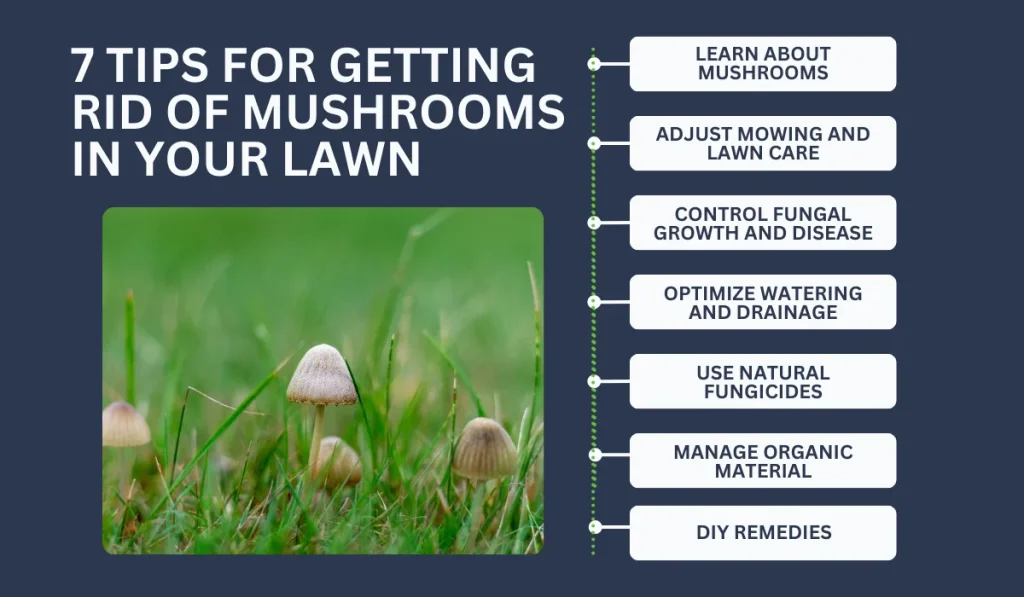
Image Source: sodlawn.com
Why Do Mushrooms Grow In My Yard?
Mushrooms are the fruiting bodies of fungi that live underground. They appear when conditions are just right, typically when there’s a good balance of moisture, organic matter, and suitable temperatures.
Common Culprits Behind Mushroom Growth
- Excessive Moisture: Lawns that are overwatered or have poor drainage create a damp environment that fungi love. Areas where water tends to pool after rain are prime mushroom real estate.
- Rich Organic Matter: The soil in your yard might be packed with decaying organic material. This can include thatch (dead grass at the base of the lawn), compost, fallen leaves, dead roots, or even buried wood. Fungi are decomposers, and they feed on this organic matter, using it as a food source to produce mushrooms.
- Shady Areas: Mushrooms often appear in shady parts of the yard because these areas tend to retain moisture longer than sunny spots. Dense tree canopies can also contribute organic debris, further fueling fungal growth.
- Compacted Soil: Compacted soil hinders proper aeration and drainage. This can lead to a buildup of moisture at the surface, creating ideal conditions for mushrooms.
- Animal Waste: Leftover pet waste or droppings from other animals can also contribute nutrients that fungi utilize.
Identifying Yard Mushrooms: Is It Harmful?
Before you start fungus removal, it’s wise to know what you’re dealing with. While most common yard mushrooms are harmless to your lawn’s health, some can be a sign of deeper soil issues. Critically, some are poisonous if ingested.
What to Look For
When identifying yard mushrooms, observe their size, shape, color, and where they are growing.
- Size and Shape: Mushrooms vary greatly in size, from tiny button-like growths to larger, umbrella-shaped caps.
- Color: They can be white, brown, red, yellow, or even black.
- Growth Pattern: Do they grow singly, in rings (fairy rings), or in clusters?
- Location: Are they appearing in a specific area of the lawn or spread throughout?
The Danger of Poisonous Mushrooms
It’s crucial to remember that many mushrooms are poisonous to humans and pets. Never ingest any mushroom found in your yard unless you are an expert mycologist and are 100% certain of its identification. For most homeowners, the safest approach is to treat all lawn mushrooms as potentially toxic and remove them promptly.
Table: Common Lawn Mushroom Types (Visual Aid)
| Mushroom Type | Description | Potential Concerns |
|---|---|---|
| Common Field Mushroom | White to brown cap, often grows in rings. | Generally harmless to lawn; edible if identified. |
| Ink Cap Mushroom | Slender stem, bell-shaped cap that dissolves into ink. | Harmless to lawn; some species can cause reactions with alcohol. |
| Stinkhorn Mushroom | Fleshy, phallic or egg-shaped, foul odor. | Harmless to lawn; unpleasant smell. |
| False Morel | Wrinkled or brain-like cap, hollow stem. | Highly poisonous; can be mistaken for edible morels. |
Note: This table is for general identification purposes. It is not a substitute for expert identification.
How to Get Rid of Mushrooms: Step-by-Step
Getting rid of mushrooms involves a multi-pronged approach: immediate removal, addressing the underlying causes, and implementing preventative measures.
Step 1: Immediate Removal
The quickest way to eliminate visible mushrooms is through manual removal. This is part of safe mushroom removal.
Manual Removal Techniques
- Pull Them Out: Gently pull the entire mushroom, including the stem and any visible underground parts, from the soil. Do this by hand or with a trowel.
- Dispose Properly: Place the removed mushrooms in a sealed plastic bag and discard them in the trash. This prevents them from releasing spores and spreading further.
- Avoid Leaving Stems: Leaving mushroom stems behind can allow them to continue their life cycle.
What About Mowing?
Mowing over mushrooms might seem like a quick fix, but it’s generally not effective for long-term mushroom control. While it will break up the visible mushroom, it doesn’t address the root cause and the underground mycelium will likely continue to produce more. Plus, if the mushrooms are poisonous, mowing can spread toxic spores around your lawn.
Step 2: Addressing the Underlying Causes
Once you’ve removed the visible mushrooms, it’s time to tackle the conditions that allowed them to grow in the first place. This is crucial for effective lawn disease treatment if the fungi are symptomatic of broader issues.
Improving Drainage
- Aeration: Core aeration is a process that removes small plugs of soil from your lawn. This helps to relieve compaction, improve air circulation, and enhance water penetration, all of which can discourage mushroom growth.
- Leveling Low Spots: Fill in any depressions in your lawn where water tends to collect. You can use topsoil or a soil and compost mix.
- Consider French Drains: For persistent waterlogging issues, installing French drains can divert excess water away from your lawn.
Reducing Thatch
A thick layer of thatch can retain moisture and provide food for fungi.
- Dethatching: Use a rake or a power dethatcher to remove excess thatch. The best time to do this is typically in the fall or spring when the grass is actively growing.
Managing Organic Matter
- Rake Leaves Promptly: Don’t let fallen leaves sit on your lawn for extended periods. Rake them regularly, especially in autumn.
- Compost Wisely: While compost is great for soil, ensure it’s fully decomposed before applying it to your lawn. Avoid burying raw wood or organic debris.
Reducing Shade
- Prune Trees: If dense tree canopies are creating excessive shade and moisture retention, consider pruning them to allow more sunlight to reach the lawn.
Managing Pet Waste
- Clean Up Regularly: Promptly clean up any pet waste left on your lawn.
Step 3: Natural Mushroom Deterrents
For those seeking natural mushroom deterrent options, several methods can help discourage fungal growth.
Vinegar Solution
A diluted vinegar solution can sometimes help to alter the soil’s pH and discourage fungal growth.
- Recipe: Mix one part white vinegar with four parts water.
- Application: Spray this solution directly onto the mushroom clusters and the surrounding affected areas. Be cautious, as too much vinegar can harm your grass. Test in a small area first.
Baking Soda
Baking soda can also alter soil pH and create an less hospitable environment for fungi.
- Application: Sprinkle baking soda directly onto the mushrooms and affected soil.
Sunlight
While not a deterrent in itself, maximizing sunlight exposure is key.
- Encourage Growth: Ensure your lawn gets adequate sunlight by pruning overhanging branches. More sunlight means a drier surface, which fungi dislike.
Step 4: When to Consider Lawn Disease Treatment
While mushrooms are a symptom, sometimes they can be associated with more serious lawn disease treatment needs, particularly if you observe yellowing or browning patches of grass.
Recognizing Lawn Diseases
- Fairy Rings: While some fairy rings are harmless, certain types can indicate stressed or diseased turf. These appear as circles of darker green or off-color grass, often with mushrooms growing on the edge.
- Brown Patches: If the mushrooms are accompanied by distinct brown or dead patches of grass that don’t respond to watering, it could signal a fungal disease in the turf itself.
Fungicide Application
- Identify the Disease: If you suspect a turf disease, it’s best to consult a local garden center or a lawn care professional to accurately identify the specific issue.
- Choose the Right Fungicide: Select a fungicide specifically designed for the diagnosed lawn disease. There are various types, some targeting specific fungal pathogens.
- Follow Instructions Carefully: Always read and follow the product label instructions precisely regarding application rates, timing, and safety precautions. Incorrect application can harm your lawn or the environment.
Preventing Mushrooms From Returning
The best approach to mushroom control is prevention. By consistently maintaining your lawn, you can significantly reduce the likelihood of future mushroom outbreaks.
Ongoing Lawn Care Practices
- Proper Watering: Water your lawn deeply but infrequently. Aim to moisten the soil down to about 4-6 inches. This encourages deeper root growth and reduces surface moisture, which is a favorite for fungi. Avoid watering late in the evening, as the prolonged dampness overnight can foster fungal growth.
- Regular Mowing: Mow your lawn at the recommended height for your grass type. Taller grass blades help shade the soil, keeping it cooler and reducing moisture evaporation.
- Fertilize Appropriately: Follow a fertilization schedule appropriate for your grass type and local climate. Over-fertilizing can sometimes promote excessive thatch buildup.
- Dethatch Annually (if needed): Monitor thatch levels and dethatch when necessary to prevent it from becoming too thick.
- Aerate Annually: Regular aeration helps maintain good soil structure and drainage.
Managing Soil Health
- Soil Testing: Consider getting a soil test done periodically. This can reveal nutrient deficiencies or pH imbalances that might be contributing to mushroom growth. Adjustments can be made based on the test results.
- Improve Soil Structure: Incorporating organic matter like compost can improve soil structure, aeration, and drainage over time.
Dealing with Toadstools: A Summary of Expert Advice
Dealing with toadstools, or mushrooms, in your yard can be a frustrating but manageable task. Here’s a recap of expert tips for effective mushroom eradication and mushroom control:
- Identify and Remove: Safely remove visible mushrooms by hand, ensuring you get the entire mushroom and dispose of it in a sealed bag.
- Diagnose the Cause: Understand why mushrooms are appearing – usually too much moisture, organic matter, shade, or compacted soil.
- Improve Drainage: Aerate your lawn, level low spots, and consider drainage solutions if needed.
- Reduce Organic Matter: Rake leaves promptly and manage thatch.
- Limit Shade: Prune trees to allow more sunlight and air circulation.
- Use Natural Deterrents: Try diluted vinegar or baking soda solutions as a natural mushroom deterrent.
- Treat Lawn Diseases (if applicable): If mushrooms are accompanied by grass damage, identify and treat specific lawn diseases.
- Prevent Future Growth: Consistent, proper lawn care is the most effective long-term strategy for preventing mushrooms. This includes appropriate watering, mowing, and aeration.
By following these comprehensive steps, you can effectively manage and prevent mushrooms from becoming a recurring problem in your yard, ensuring a healthy and aesthetically pleasing outdoor space.
Frequently Asked Questions (FAQ)
Q1: Are all mushrooms in my yard dangerous?
A1: No, not all mushrooms are dangerous. However, many common yard mushrooms are poisonous if ingested. It is safest to treat all mushrooms as potentially harmful and avoid touching or eating them, especially if you have children or pets.
Q2: Can I use chemicals to get rid of mushrooms?
A2: While chemical fungicides are available for lawn disease treatment, they are often a last resort for mushroom eradication. Many turf fungicides are designed to treat specific grass diseases and may not effectively eliminate all types of mushrooms. Overuse or incorrect application can also harm your lawn and the environment. It’s generally recommended to address the underlying environmental factors first.
Q3: What is a fairy ring and how do I get rid of it?
A3: A fairy ring is a circular pattern of mushroom growth, often accompanied by a ring of darker or discolored grass. They are caused by underground fungal mycelium. To manage them, you can try the same methods for general mushroom control: improve drainage, reduce thatch, and aerate the lawn. In some cases, fungicides designed for turf diseases may be necessary if the ring is significantly damaging the grass.
Q4: How quickly can I expect to see results after applying deterrents or making changes?
A4: Results can vary. For manual removal, you’ll see immediate results for the visible mushrooms. However, addressing the underlying causes and using deterrents takes time. You might see a reduction in mushroom growth within a few weeks to a few months as the conditions become less favorable. Consistent lawn care is key for long-term prevention.
Q5: Can I eat the mushrooms from my yard if they look like edible ones?
A5: Absolutely not. Unless you are a highly experienced mycologist with expertise in identifying local wild fungi, it is extremely dangerous to consume any mushroom found in your yard. Misidentification can lead to severe poisoning. Stick to store-bought or cultivated mushrooms for culinary purposes.
Q6: My lawn has a lot of mushrooms after a rainy period. Should I be worried?
A6: It’s common for mushrooms to appear after rainy periods, as moisture is a key factor in their growth. While a temporary increase in mushrooms after rain is usually not a cause for major alarm, it’s an indicator that your lawn might be retaining too much moisture or has an abundance of decaying organic matter. Use this as an opportunity to assess your lawn’s drainage and implement preventative measures.
Q7: Is it okay to leave mushrooms in the yard if they are not harmful?
A7: While many common lawn mushrooms are not directly harmful to the grass itself, leaving them can still be undesirable for aesthetic reasons or because of the risk of accidental ingestion by pets or children. Furthermore, they are a sign of conditions that might be detrimental to your lawn’s overall health in the long run (like poor drainage or excessive shade). Therefore, proactive fungus removal and preventing mushrooms are generally recommended.