
Can you get rid of moss in your lawn? Yes, you absolutely can! Moss often thrives in conditions that most grass struggles with, making it a common problem for many homeowners. But with the right approach, you can effectively remove moss and cultivate a lush, healthy lawn. This guide will walk you through proven methods for moss removal and long-term prevention.
Moss in your lawn isn’t a sign of poor soil quality, but rather an indicator that the conditions are perfect for moss to flourish, and less so for healthy grass. These conditions often include compacted soil, poor drainage, low pH levels, and insufficient sunlight. By addressing these underlying issues, you can create an environment where grass thrives and moss struggles to gain a foothold.
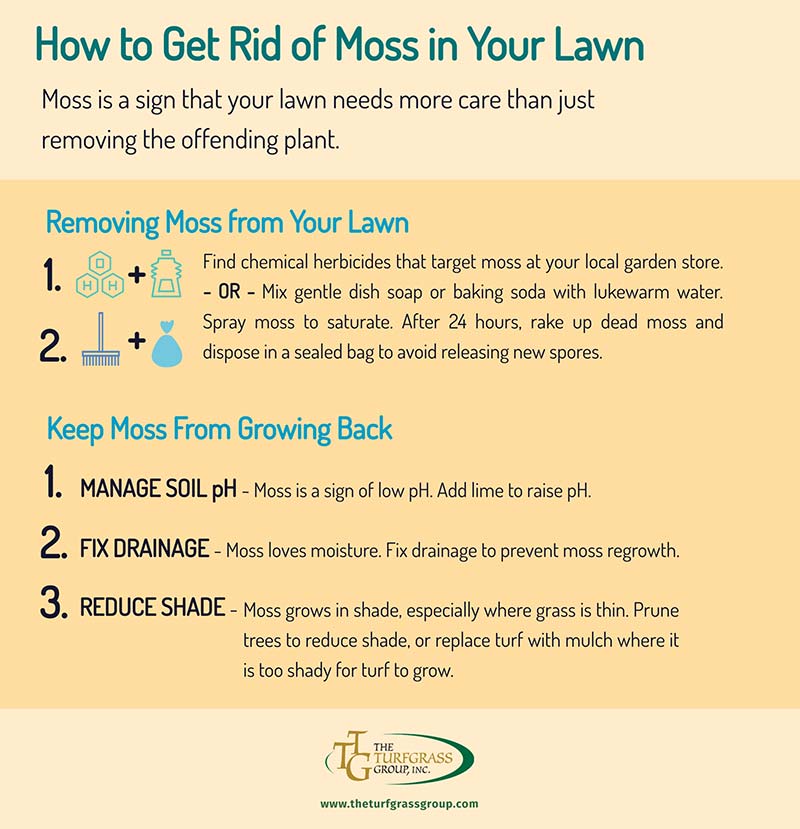
Image Source: theturfgrassgroup.com
Fathoming Why Moss Takes Over Your Lawn
Moss, a primitive plant without roots, stems, or flowers, spreads through spores. It loves shade, dampness, and compacted earth. When grass struggles to grow due to these factors, moss happily fills the void. Think of moss as a signal – it’s telling you something about your lawn’s health that needs attention.
Here are the common culprits behind moss invasion:
- Poor Sunlight: Many lawns are shaded by trees, buildings, or fences. Grass needs sunlight to grow, but moss can tolerate low light levels.
- Waterlogged Soil: If water doesn’t drain away quickly, the soil stays wet, which moss loves. This can be due to compacted soil or issues with your lawn’s grading.
- Compacted Soil: When soil is hard and dense, grass roots can’t spread easily, and water struggles to penetrate. This makes it hard for grass to get air and nutrients.
- Low Soil pH (Acidity): Grass prefers a slightly acidic to neutral soil pH. If your soil is too acidic, moss can outcompete the grass.
- Thatch Build-up: A thick layer of dead grass and organic matter, called thatch, can smother grass and retain moisture, creating a perfect breeding ground for moss.
- Infrequent or Over-fertilization: Imbalances in nutrient levels can weaken grass and make it susceptible to moss.
Effective Moss Removal Methods: A Step-by-Step Approach
Getting rid of moss requires a two-pronged attack: first, remove the existing moss, and second, fix the conditions that allowed it to grow in the first place.
Immediate Moss Killing
When you see moss, you want it gone. Several products can help with this.
Using a Moss Killer
Moss killer products typically contain active ingredients that dehydrate and kill the moss. Common ingredients include iron sulfate (ferrous sulfate) or pelargonic acid.
- Iron Sulfate (Ferrous Sulfate): This is a widely used moss killer. It works by turning the moss black, effectively killing it. It also acts as a lawn fertilizer, providing iron that grass needs. However, it can temporarily stain hard surfaces like patios or concrete, so use it with care. Apply it when the moss is actively growing, usually in spring or autumn.
- Pelargonic Acid: This is a non-selective weedkiller that can also kill moss by breaking down its cell walls. It’s fast-acting but can also harm grass if not applied carefully.
How to Apply Moss Killer:
- Choose the Right Time: Apply when the moss is actively growing, typically in spring or autumn when temperatures are between 10°C and 20°C. Avoid applying during very hot or dry weather, as this can stress your grass.
- Read the Label: Always follow the manufacturer’s instructions precisely.
- Application: Many moss killers are granular or liquid. Granular products are often applied with a spreader, ensuring even coverage. Liquid formulations are usually sprayed.
- Watering: Some products require watering in after application, while others work best when left dry. Check the label.
- Wait and Rake: After a few days to a week, the moss should turn black and die. You can then rake it out.
Natural and Organic Moss Control
For those who prefer a gentler approach, there are organic moss control options.
- Vinegar Solution: A diluted solution of household vinegar (acetic acid) can kill moss. Mix 1 part white vinegar with 4 parts water. Spray directly onto the moss on a dry, sunny day. Be cautious, as vinegar can also harm grass if applied too concentrated or too often.
- Baking Soda: Sprinkle baking soda lightly over mossy areas. Baking soda raises the soil pH, which moss dislikes. It can also help dry out the moss.
Raking and Scarifying: The Physical Removal
Once the moss is dead, you need to remove it physically. This is where raking and scarifying come in.
Raking Out Dead Moss
After applying a moss killer, or even on its own for lighter infestations, raking is crucial.
- Tools: Use a stiff-bristled lawn rake or a wire rake.
- Technique: Rake vigorously across the affected areas. This will pull out the dead moss and any loose thatch.
- Timing: It’s best to rake after the moss has dried out and turned black from a treatment.
Lawn Scarifying: Deep Cleaning Your Lawn
Lawn scarifying (also known as dethatching) is a more intensive process that removes thatch and moss from deeper within the lawn. It’s an essential part of healthy lawn maintenance.
- What is Scarifying? Scarifying involves using a machine with blades or tines that cut into the turf. These blades either slice through the moss and thatch or pull it out from the base of the grass.
- When to Scarify: The best times for scarifying are spring and autumn, when grass is actively growing and can recover quickly.
- How it Works:
- Mow the Lawn: Mow the lawn to about 1-2 inches.
- Scarify: Move the scarifier across the lawn in a criss-cross pattern to ensure thorough removal.
- Clear Debris: Rake up all the removed thatch and moss.
- Overseed (Optional): If the lawn looks bare after scarifying, you can overseed with a good quality grass seed.
- Fertilize: Apply a balanced lawn fertilizer to encourage grass recovery.
- Water: Water the lawn regularly.
Scarifying is a vital step in moss removal methods as it directly tackles the layered thatch that moss loves to grow in.
Addressing the Root Causes: Long-Term Moss Prevention
Removing moss is only half the battle. To keep it from returning, you need to create an environment where grass thrives.
Soil Aeration: Letting Your Lawn Breathe
Compacted soil suffocates grass roots. Soil aeration is the process of making small holes in the soil to allow air, water, and nutrients to reach the roots.
- Why Aerate? Aeration relieves soil compaction, improves drainage, and encourages deeper root growth for your grass. This makes the grass stronger and better able to compete with moss.
- Methods of Aeration:
- Spike Aeration: Uses spikes to poke holes into the soil. This is suitable for light compaction.
- Core Aeration: Uses hollow tines to remove small plugs of soil. This is more effective for heavily compacted soil.
- When to Aerate: Spring and autumn are ideal times for aeration, as mentioned for scarifying.
Thatch Removal: Keeping It Clean
Thatch removal is crucial because a thick thatch layer traps moisture and nutrients, creating ideal conditions for moss.
- What is Thatch? Thatch is the layer of dead and living organic matter (stems, roots, leaves) that builds up between the soil surface and the green blades of grass.
- Why Remove Thatch? A healthy thatch layer is about 0.5 inches thick. Anything more can smother grass and harbor moss and disease.
- Methods:
- Raking: For thin thatch layers, a stiff rake is sufficient.
- Scarifying: As discussed earlier, scarifying is the most effective method for significant thatch removal.
- Dethatching Machines: Rental machines are available for larger lawns.
Improving Drainage: Banishing the Dampness
Moss thrives in damp conditions. Improving drainage is key to making your lawn less hospitable to moss.
- Identify Drainage Issues: If puddles form on your lawn after rain and don’t disappear for hours, you have drainage problems.
- Solutions:
- Aeration and Dethatching: These processes themselves help improve drainage by allowing water to penetrate the soil.
- Top Dressing: After aeration and scarifying, applying a thin layer of sandy soil or a soil/sand mix can help improve soil structure and drainage over time.
- French Drains: For severe drainage issues, installing French drains (underground perforated pipes) might be necessary.
- Check Gutters and Downspouts: Ensure they aren’t directing excess water onto your lawn.
Adjusting Soil pH: The Acid Test
Moss prefers acidic soil. Most grasses prefer a pH between 6.0 and 7.0.
- Test Your Soil: You can get a simple soil testing kit from a garden center or send a sample to a local extension office.
- Raising pH (If Too Acidic): If your soil is too acidic, you can add lime.
- Agricultural Lime: This is a common and effective way to raise soil pH. The amount needed depends on your soil type and how acidic it is.
- Dolomitic Lime: Contains both calcium and magnesium, which are beneficial for grass.
- When to Apply Lime: The best time to apply lime is typically in the autumn or early spring, as it takes time to work.
- Frequency: Re-test your soil pH every few years to ensure it remains within the ideal range.
Improving Sunlight and Airflow: Let the Light In
Moss loves shade. If your lawn is consistently shaded, you have a few options.
- Tree Trimming: Prune lower branches of trees or thin out dense canopies to allow more sunlight to reach the grass.
- Shade-Tolerant Grass Seed: If you have significant shade, consider overseeding with grass varieties that are more tolerant of low light conditions, such as fine fescues.
- Airflow: Overgrown shrubs or hedges near the lawn can reduce airflow, contributing to dampness. Trim these back to improve circulation.
Proper Watering and Fertilizing: Balanced Nutrition
Healthy grass is the best defense against moss.
- Watering: Water your lawn deeply but infrequently. This encourages grass roots to grow deeper, making them more resilient. Avoid light, frequent watering, which keeps the surface soil damp and favors moss.
- Fertilizing: Use a balanced lawn fertilizer according to the manufacturer’s recommendations and the season. Over-fertilizing can also weaken grass and make it susceptible to moss. Look for a fertilizer that provides a slow release of nutrients. A good healthy lawn maintenance program includes regular, appropriate fertilization.
Seasonal Lawn Care for Moss Prevention
Applying the right lawn care strategies at the right time of year makes a huge difference.
Spring: The Awakening
- Moss Treatment: If moss is present, this is a good time to apply a moss killer.
- Scarifying/Raking: After treating, scarify or rake to remove dead moss and thatch.
- Aeration: Aerate if soil compaction is an issue.
- Overseeding: If the lawn is thin, overseed.
- Fertilizing: Apply a balanced spring fertilizer.
- Mowing: Start mowing regularly, but don’t cut too short.
Summer: Growth and Resilience
- Watering: Water deeply and less often.
- Weeding: Address any weeds that appear.
- Mowing: Continue regular mowing.
- Moss Watch: Keep an eye out for any signs of moss returning, especially in shaded or damp areas.
Autumn: Preparation for Winter
- Moss Treatment: Another good time for moss killer application if needed.
- Scarifying/Raking: Perform a thorough scarifying or raking to remove fallen leaves, thatch, and any lingering moss.
- Aeration: Aerate to improve winter drainage.
- Overseeding: Autumn is an excellent time to overseed.
- Fertilizing: Apply a winter fertilizer, which helps grass develop stronger roots for the colder months.
- Leaf Removal: Keep the lawn clear of fallen leaves, which can smother grass and hold moisture.
Winter: Rest and Recovery
- Lawn Care: Minimal work is needed. Avoid walking on the lawn when it’s frozen or very wet.
- Moss Watch: Observe your lawn for any persistent damp or shady spots where moss might be starting.
Troubleshooting Common Moss Problems
| Problem | Cause | Solution |
|---|---|---|
| Moss returning quickly | Underlying issues (drainage, shade, compaction) | Re-evaluate and address drainage, sunlight, and soil compaction. Ensure thorough scarifying and raking. |
| Grass struggling after moss treatment | Over-application of moss killer or scarifying | Use moss killer at recommended rates. Avoid scarifying too aggressively, especially on stressed grass. Apply a lawn feed. |
| Yellowing grass with moss | Iron deficiency or poor nutrient uptake | Apply an iron-based fertilizer or a balanced lawn feed. Improve soil aeration and drainage. |
| Moss on pathways or patios | Damp, shaded conditions | Use a specific patio moss killer or a diluted vinegar spray. Improve airflow and consider shade-tolerant ground cover. |
Frequently Asked Questions About Moss in Lawns
Q1: What is the best time of year to get rid of lawn moss?
The best times are spring and autumn. During these seasons, temperatures are moderate (10-20°C), and your grass is actively growing, allowing it to recover quickly from treatments and outcompete the moss.
Q2: Can I just rake the moss out without using a moss killer?
Yes, you can rake out moss, especially if the infestation is light. However, if the moss is well-established, it often has a dense root system that is difficult to remove completely by raking alone. Using a moss killer first will ensure the moss is dead and easier to remove, preventing it from regrowing.
Q3: Will moss kill my grass?
Moss itself doesn’t typically kill grass directly. Instead, it indicates that the conditions are unfavorable for grass to thrive, and favorable for moss. By smothering grass and competing for space and light, moss can weaken and eventually lead to bare patches where grass should be.
Q4: Can I use a regular weed killer on moss?
Most general weed killers are not formulated to effectively kill moss. While some products might have a slight effect by drying out the moss, it’s best to use a product specifically designed as a moss killer.
Q5: How often should I scarify my lawn?
Scarifying once a year is usually sufficient for most lawns. However, if you have a significant thatch build-up or a persistent moss problem, you might need to scarify twice a year, once in spring and again in autumn.
Q6: Are there any natural ways to prevent moss growth?
Yes, several natural methods help. Ensuring your lawn gets adequate sunlight and air circulation, improving soil drainage, aerating compacted soil, and maintaining a healthy soil pH are all natural ways to discourage moss. Using organic fertilizers also supports strong grass growth.
Q7: My lawn is very shady. What can I do about moss?
For shady lawns, consider planting grass varieties that tolerate low light, such as fine fescues. Pruning trees to allow more sunlight to reach the grass and improving airflow by trimming back hedges can also make a big difference. Regular dethatching and aeration are also crucial for shady areas.
By implementing these detailed strategies, you can effectively banish moss from your lawn and cultivate a vibrant, healthy, and green space that you can be proud of. Consistent healthy lawn maintenance is the key to long-term success.