So, how much is synthetic lawn? The typical cost ranges from $5 to $20 per square foot, depending on quality, features, and installation complexity.
Investing in synthetic lawn can be a significant decision for homeowners and businesses alike. The appeal of a perpetually green, low-maintenance yard without the hassle of mowing, watering, and fertilizing is undeniable. However, before taking the plunge, it’s crucial to grasp the financial commitment involved. This guide aims to demystify the pricing of synthetic grass, breaking down all the factors that contribute to the overall artificial grass cost. We’ll explore everything from the raw artificial grass material costs to the intricate details of synthetic turf installation cost, helping you make an informed decision for your property.
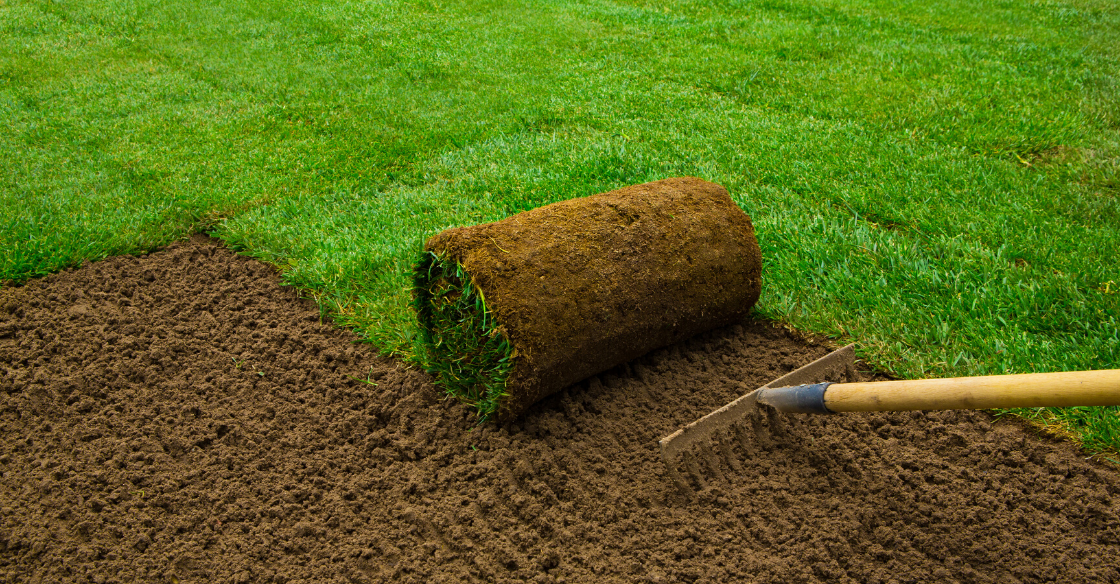
Image Source: synlawnsacramento.com
Fathoming the Price: What Influences Synthetic Grass Cost?
The artificial grass cost isn’t a one-size-fits-all figure. Numerous elements interact to determine the final price tag. Think of it like buying a car – a basic model will be far less expensive than one loaded with premium features. Similarly, synthetic grass varies greatly in its construction, durability, and aesthetic qualities, all of which impact the artificial grass square foot price.
1. Quality and Type of Artificial Grass
The most significant driver of price is the quality and type of synthetic turf you choose. Not all fake grass is created equal.
Pile Height and Density
-
Pile Height: This refers to the length of the grass blades.
- Shorter blades (1-1.5 inches): Often used for putting greens or areas with high foot traffic. They tend to be less expensive.
- Medium blades (1.5-2 inches): A popular choice for general landscaping, offering a realistic look and feel.
- Longer blades (2-2.5 inches or more): Can provide a lush, luxurious appearance but may require more infill and can be more prone to matting if not maintained. They are generally pricier.
-
Density: This is how closely the blades are tufted together.
- Higher density: More yarn is used, resulting in a fuller, more natural appearance and greater durability. This typically comes at a higher artificial grass square foot price.
- Lower density: Less yarn is used, making it lighter and less expensive, but it might not look as realistic or withstand heavy use as well.
Yarn Material
The material used to create the synthetic blades significantly impacts both cost and performance.
- Polyethylene (PE): This is the most common and cost-effective material. It’s soft, flexible, and feels natural to the touch, making it ideal for residential lawns.
- Polypropylene (PP): This is a stiffer, coarser fiber. It’s often used for thatch or as a backing material in PE or Nylon turf. It’s generally less expensive than PE.
- Nylon: This is the strongest and most resilient synthetic fiber. It’s excellent at resisting crushing and matting, making it ideal for high-traffic areas like putting greens, playgrounds, and commercial applications. However, nylon is also the most expensive option.
Backing System
The backing of the turf provides structure and stability. High-quality backing systems contribute to the overall durability and cost.
- Primary Backing: This is the initial layer where the yarn is tufted. Common materials include woven polypropylene.
- Secondary Backing (or Coating): This layer adheres the yarn to the primary backing, providing stability. Polyurethane (PU) and Latex are common.
- Polyurethane (PU): More durable, flexible, and resistant to temperature fluctuations. It’s often found in premium products and adds to the artificial grass cost.
- Latex: A more traditional and less expensive option. It can become brittle over time, especially in extreme temperatures.
2. Infill Materials
Infill is spread between the blades of synthetic grass to help support the blades, provide cushioning, allow for drainage, and help keep the turf cool. The type of infill used can affect the overall artificial grass cost.
- Sand: The most basic and least expensive infill. It’s often coated with silicone or other materials to reduce dust.
- Crumb Rubber: Made from recycled tires, this is a popular and cost-effective option, especially for playgrounds and sports fields due to its shock absorption. However, it can sometimes retain heat.
- Envirofill/TPE: These are newer, eco-friendly alternatives to crumb rubber. They are lightweight, antimicrobial, and tend to stay cooler. They are generally more expensive than sand or crumb rubber.
- Zeolite: A natural mineral that is excellent at absorbing pet odors. It’s a premium infill option, increasing the synthetic turf installation cost.
3. Installation Complexity and Site Preparation
Beyond the turf itself, the installation process plays a major role in the final price.
Site Preparation
This is a critical, often overlooked, part of the synthetic turf installation cost.
- Existing Lawn Removal: If you have an existing lawn, it needs to be removed. This involves digging out sod or mowing it very short and then covering it.
- Grading and Leveling: The ground must be properly graded to ensure good drainage away from structures. Uneven terrain might require extensive leveling.
- Base Material: A layer of crushed stone or aggregate is typically laid and compacted to create a stable base. The depth of this base can vary depending on the application and climate.
- Weed Barrier: A permeable weed barrier fabric is often installed to prevent weeds from growing through the turf.
- Drainage: Proper drainage is essential. If the natural drainage is poor, additional drainage solutions like French drains might be needed, adding to the artificial grass cost.
Installation Labor
The complexity of the installation will directly impact labor costs.
- DIY Installation: Opting for a DIY approach can significantly reduce costs, but it requires time, effort, and the right tools. This is the DIY synthetic lawn cost.
- Professional Installation: Hiring experienced installers ensures a high-quality finish. Factors influencing labor costs include:
- Yard Size and Shape: Larger and more complex shapes (curves, slopes) take more time and effort.
- Access to the Site: Difficult access (e.g., narrow gates, steep hills) can increase labor time.
- Seams: Creating seamless seams between turf panels requires skill and precision, adding to the labor cost.
- Edge Finishing: How the edges of the turf are secured and finished (e.g., using bender board, anchoring) affects the labor.
4. Project Scope and Location
The scale and location of your synthetic lawn project will also influence the price.
- Residential Artificial Turf Pricing: This generally refers to lawns for homes. Costs can vary widely based on yard size and the quality of turf chosen.
- Commercial Synthetic Turf Cost: This includes applications like putting greens, sports fields, playgrounds, pet parks, and putting greens. These projects often require higher-durability turf, specialized infill, and more complex installation techniques, leading to a higher overall commercial synthetic turf cost.
- Geographic Location: Labor costs and material transportation costs can vary significantly by region. A project in a high cost-of-living area will likely be more expensive than in a rural area.
5. Additional Features and Upgrades
Some synthetic lawns come with extra features that can increase the price but also enhance performance and aesthetics.
- Antimicrobial Treatments: For areas where hygiene is paramount, such as playgrounds or pet areas, antimicrobial treatments can be added.
- Cooling Technologies: Some turf manufacturers incorporate cooling technologies into the yarn to help reduce surface temperatures in direct sunlight.
- Customization: For sports fields or unique landscaping projects, custom turf colors or patterns might be available at an additional cost.
- Pet-Friendly Features: Specifically designed pet turf often includes enhanced drainage and odor-reducing infill, impacting the artificial grass cost.
Deciphering the Numbers: Typical Cost Breakdowns
Let’s break down the typical costs you can expect when budgeting for synthetic lawn. These are general estimates, and actual prices may vary.
Artificial Grass Cost Ranges
| Quality Level | Artificial Grass Square Foot Price (Material Only) | Estimated Total Installed Price per Square Foot |
|---|---|---|
| Basic/Economy | $2 – $4 | $5 – $9 |
| Mid-Range | $4 – $7 | $8 – $14 |
| Premium/Luxury | $7 – $12+ | $13 – $20+ |
Note: These figures are for the material only and do not include installation, site preparation, or infill unless specified.
Breakdown of Synthetic Turf Installation Cost
A typical professional installation quote will often include these components:
- Turf Material: The cost of the synthetic grass itself.
- Infill: The cost of the chosen infill material.
- Base Materials: Crushed stone, sand, weed barrier.
- Labor: Site preparation, grading, turf laying, seaming, and edging.
- Disposal Fees: For removing existing sod and any debris.
- Permits (if required): Though rare for residential projects, commercial installations might need them.
Cost of Backyard Artificial Grass
For a typical residential backyard, assuming a medium-quality turf and professional installation, you might expect:
- Yard Size: 1,000 sq ft
- Turf Cost: $6/sq ft * 1,000 sq ft = $6,000
- Infill Cost: $1/sq ft * 1,000 sq ft = $1,000
- Base Materials & Site Prep: $2/sq ft * 1,000 sq ft = $2,000
- Labor: $3/sq ft * 1,000 sq ft = $3,000
- Total Estimated Cost: $12,000
This is a broad estimate. A smaller or simpler yard might cost less, while a larger or more complex one will cost more.
DIY Synthetic Lawn Cost
If you choose to install it yourself, you’ll save on labor costs. However, you’ll need to factor in:
- Turf Material: The primary expense.
- Infill: You’ll need to purchase and spread this yourself.
- Base Materials: Crushed stone, sand, weed barrier.
- Tools: Rental of sod cutters, plate compactors, shovels, rakes, and potentially a turf cutter might be necessary.
- Time and Effort: This is your investment.
The DIY synthetic lawn cost can save you anywhere from $3 to $10+ per square foot in labor, but it requires significant physical work and attention to detail.
Interpreting Value: Long-Term Benefits vs. Upfront Cost
While the initial artificial grass cost can seem substantial, it’s important to consider the long-term value and savings.
What You Save On:
- Water Bills: No watering means significant savings, especially in drought-prone areas.
- Mowing and Maintenance: Eliminate costs for lawnmowers, fuel, maintenance, string trimmers, and leaf blowers.
- Fertilizers and Pesticides: Avoid spending money on chemicals to keep your lawn healthy and pest-free.
- Repair Costs: No more dealing with brown patches, grubs, or other lawn diseases.
Synthetic Turf Maintenance Cost
The good news is that synthetic turf maintenance cost is remarkably low.
- Occasional Rinsing: To wash away dust or pollen, especially in dry climates.
- Brushing: Periodically brushing the turf can help keep the blades upright and prevent matting.
- Debris Removal: Picking up leaves, twigs, or other debris.
- Infill Top-Up: Occasionally, especially in high-traffic areas, you might need to add more infill.
Compared to the continuous expenses of maintaining a natural lawn, synthetic turf offers substantial savings over its lifespan.
Lifespan of Synthetic Grass
High-quality synthetic grass can last anywhere from 10 to 25 years or even longer with proper care. The warranty on the turf product itself can give you a good indication of its expected lifespan and durability. This long lifespan further enhances the long-term value proposition.
Weighing Your Options: When to Choose Synthetic Lawn
Synthetic lawn isn’t for everyone, but it’s an excellent solution for many.
Ideal Scenarios for Synthetic Lawn:
- Water Restrictions: Crucial in areas with drought or strict watering regulations.
- Low-Maintenance Lifestyle: For those who don’t have the time or desire for constant lawn care.
- Pet Owners: Easy to clean, doesn’t get muddy, and can be infused with odor-controlling infill.
- Play Areas: Provides a safe, clean, and durable surface for children’s play.
- High-Traffic Areas: Sports fields, pathways, and play zones where natural grass struggles.
- Shady or Difficult-to-Grow Areas: Where natural grass struggles to thrive.
- Aesthetic Consistency: For a perfectly manicured look year-round.
- Allergies: No pollen means a more enjoyable outdoor experience for allergy sufferers.
Considerations Before Committing:
- Initial Investment: The upfront artificial grass cost is higher than starting a natural lawn.
- Heat Retention: Some synthetic turf, particularly older or cheaper varieties with dark blades or rubber infill, can get hot in direct sun. Newer technologies have greatly improved this.
- Environmental Impact: While saving water, consider the manufacturing process and the disposal of the turf at the end of its life. Choosing recyclable options and proper disposal methods is important.
- Installation Quality: A poor installation can lead to premature wear, drainage issues, and an unnatural appearance.
Getting Quotes: What to Ask Potential Installers
When you’re ready to get estimates for your project, arm yourself with questions to ensure you’re comparing apples to apples.
Key Questions for Installers:
- What is the specific brand and model of the synthetic turf you are recommending? Can I see samples?
- What is the pile height, density, and yarn material of the turf?
- What type of backing system does it have?
- What type of infill do you recommend for my specific needs (e.g., pets, climate)?
- What is included in the site preparation? Is sod removal part of it?
- What is the warranty on the turf material and the installation workmanship?
- Can you provide references or show examples of your previous work?
- What is the estimated timeline for the project?
- Are there any potential hidden costs I should be aware of?
- Do you have the necessary licenses and insurance?
Comparing Quotes:
- Don’t just look at the bottom line. Ensure each quote includes the same scope of work and similar quality materials.
- Ask for a detailed breakdown of costs for turf, infill, base materials, and labor.
- Review the warranty carefully for both materials and installation.
Frequently Asked Questions (FAQ)
Q1: Is synthetic grass expensive compared to natural grass?
A1: Yes, the upfront artificial grass cost is typically higher than establishing a natural lawn. However, over its lifespan, synthetic grass can be more cost-effective due to significant savings on water, maintenance, and repair costs.
Q2: What is the average lifespan of synthetic lawn?
A2: High-quality synthetic lawn can last between 10 to 25 years, or even longer, depending on the quality of the turf, the amount of foot traffic, and proper maintenance.
Q3: How much does synthetic turf installation cost?
A3: The synthetic turf installation cost typically ranges from $5 to $20 per square foot, covering the turf, infill, base materials, and labor. The final price depends on the quality of materials chosen and the complexity of the installation.
Q4: Can I install synthetic turf myself to save money?
A4: Yes, a DIY synthetic lawn cost can significantly reduce expenses by eliminating labor charges. However, it requires considerable time, physical effort, and the right tools for proper installation.
Q5: What are the ongoing maintenance costs for synthetic grass?
A5: The synthetic turf maintenance cost is very low. It mainly involves occasional rinsing, debris removal, and periodic brushing. There are no costs associated with watering, mowing, fertilizing, or pest control.
Q6: Is fake turf good for pets?
A6: Yes, fake turf prices can vary for pet-specific options that offer enhanced drainage and odor-control features. It provides a clean, mud-free surface for pets and is durable enough to withstand play.
Q7: How much does artificial grass cost per square foot?
A7: The artificial grass square foot price for the material alone can range from $2 to $12+, with installed costs typically falling between $5 and $20 per square foot.
Q8: What are the typical artificial grass material costs?
A8: Artificial grass material costs depend heavily on the quality, pile height, density, and yarn material (polyethylene, polypropylene, nylon). Premium options with advanced features will naturally cost more.
Q9: What is the cost of backyard artificial grass for a typical home?
A9: For a standard residential backyard, the cost of backyard artificial grass for installation usually falls within the $5 to $20 per square foot range, with total project costs varying based on yard size and specific product choices.
Q10: Are commercial synthetic turf costs higher than residential?
A10: Generally, commercial synthetic turf cost can be higher due to the need for more durable, specialized turf products designed for heavy use (like sports fields or high-traffic public areas) and potentially more complex installation requirements.
By thoroughly researching your options and understanding all the contributing factors to the artificial grass cost, you can make a confident decision that will enhance your property for years to come.