
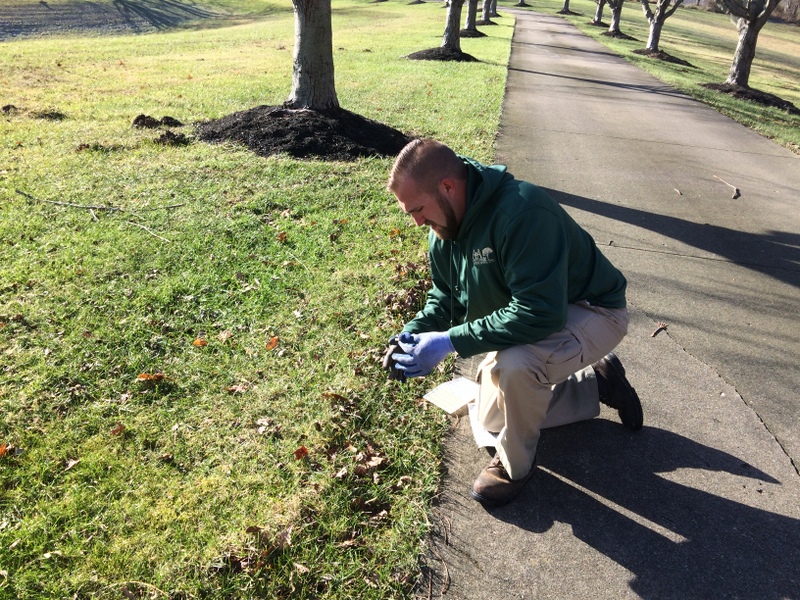
Image Source: aalawns.com
How To Get Rid Of Moles In My Yard: Effective Solutions
Can you get rid of moles in your yard? Yes, you can effectively get rid of moles in your yard through a combination of prevention, removal methods, and ongoing management.
Moles are fascinating, yet frustrating, creatures that can wreak havoc on an otherwise beautiful lawn. Their tunnels and mounds disrupt the soil, damage grass roots, and create an unsightly appearance. If you’re asking yourself “How do I get rid of moles in my yard?”, you’re not alone. Many homeowners struggle with these subterranean visitors. This comprehensive guide will explore various effective solutions, from DIY methods to professional services, to help you reclaim your lawn. We’ll delve into the science behind mole behavior, discuss different mole removal techniques, and offer practical advice for long-term mole control.
Deciphering Mole Behavior: Why They Invade
Before we discuss how to get rid of moles, it’s crucial to understand why they choose your yard in the first place. Moles are insectivores, meaning their diet primarily consists of earthworms, grubs, and other soil-dwelling invertebrates. They are constantly searching for food, and a lawn rich in these delicacies becomes an irresistible buffet.
- Food Source: The presence of abundant earthworms, grubs, and insect larvae is the primary attractant for moles. A healthy, moist soil environment often supports a larger population of these food sources.
- Tunneling Habits: Moles dig extensive tunnel systems, both shallow surface tunnels for foraging and deeper tunnels for living quarters. These tunnels are the cause of the visible mounds and raised ridges on your lawn.
- Solitary Nature: Most mole species are solitary animals, coming together only to mate. This means one mole can cause a surprising amount of damage on its own.
- Sensory Adaptations: Moles have poor eyesight but an excellent sense of smell and touch, allowing them to navigate and hunt effectively underground. Their sensitive snouts can detect vibrations in the soil, alerting them to prey or potential threats.
Strategies for Mole Removal: Tackling the Problem Head-On
Dealing with moles in lawn requires a multifaceted approach. There isn’t a single magic bullet, but by employing a combination of methods, you can significantly reduce or eliminate their presence.
1. Mole Traps: Humane and Effective Options
Mole traps are a popular and often effective method for immediate mole removal. They work by catching moles as they move through their tunnels.
Types of Mole Traps
There are several types of mole traps available, each with its own mechanism:
- Scissor Traps: These traps have two scissor-like jaws that snap shut when a mole triggers the mechanism. They are generally considered effective and can be quite quick.
- Harpoon Traps: These traps feature a spike that shoots down into the tunnel when triggered, impaling the mole. They are a quick-killing method.
- Choke Traps (or Tunnel Traps): These traps are placed within the mole tunnel and work by ensnaring or suffocating the mole as it passes through.
- Live Traps: For those who prefer a humane approach, live traps are designed to capture moles without harming them. The trapped mole can then be relocated to a more suitable area, far from your property.
Tips for Using Mole Traps Effectively
- Locate Active Tunnels: Identify tunnels that show recent activity (fresh soil, no plant growth). Mole tunnels are often found along property lines, near landscape beds, or in areas with moist, loose soil.
- Proper Placement: Place traps directly in the path of active tunnels. You may need to slightly excavate the tunnel to set the trap flush with the ground.
- Camouflage: Cover the trap and the disturbed area with a light layer of soil or leaves to blend it with the surroundings and prevent sunlight from entering the tunnel, which moles often avoid.
- Check Traps Regularly: Check traps daily to remove captured moles or to reset them if they haven’t been triggered. This also prevents unwanted wildlife from being trapped.
- Safety First: Be mindful of pets and children when setting traps.
Table 1: Pros and Cons of Mole Traps
| Trap Type | Pros | Cons |
|---|---|---|
| Scissor Traps | Effective, quick-killing, relatively easy to set. | Can be dangerous if not handled carefully, potential for non-target catch. |
| Harpoon Traps | Quick-killing, effective in capturing moles. | Humane concerns, potential for damage to the lawn if set incorrectly. |
| Choke Traps | Effective, can be placed in various tunnel types. | May require precise placement, effectiveness can vary. |
| Live Traps | Humane, allows for relocation, no harm to the animal. | Requires regular checking and immediate relocation, may not be legal everywhere. |
2. Mole Poison: A Chemical Approach
Mole poison, often in the form of bait pellets or gels, is designed to mimic the mole’s natural food sources, such as grubs or earthworms. When the mole consumes the bait, the poison takes effect.
How Mole Poisons Work
- Bait Mimicry: Most mole poisons are formulated to resemble earthworms or grubs, making them attractive to moles.
- Active Ingredients: Common active ingredients include bromethalin or zinc phosphide.
- Application: Baits are typically inserted into active tunnels or placed directly into molehills.
Considerations for Using Mole Poison
- Environmental Impact: Chemical poisons can pose risks to non-target animals, including pets, wildlife, and beneficial soil organisms. Use with extreme caution.
- Effectiveness: While effective, poison may not eliminate an entire mole population and can take time to work.
- Secondary Poisoning: Predators that consume poisoned moles can also be affected, creating a ripple effect through the ecosystem.
- Local Regulations: Check local regulations regarding the use of specific mole poisons, as some may be restricted.
Warning: Always follow the product label instructions precisely and wear protective gear when handling mole poison.
3. DIY Mole Removal: Homegrown Solutions
Many homeowners prefer DIY mole removal using readily available materials or simple techniques.
Natural Mole Deterrents
While not always a guaranteed solution, natural mole deterrents can sometimes discourage moles from inhabiting your yard.
- Castor Oil: Moles are said to dislike the taste and smell of castor oil. You can create a castor oil spray by mixing a few tablespoons of castor oil with a mild dish soap and a gallon of water. Apply this mixture to your lawn, especially in areas of high mole activity.
- Essential Oils: Some essential oils, such as peppermint oil, spearmint oil, and eucalyptus oil, are believed to repel moles due to their strong scents. Soak cotton balls in these oils and place them in active tunnels.
- Predator Urine: The scent of natural predators like foxes or coyotes can deter moles. Products containing predator urine are available at garden centers.
- Oleander Plants: While attractive, oleander is highly toxic to humans and pets. Moles are said to avoid areas where oleander grows, but this method comes with significant risks.
Other DIY Methods
- Vibrating Stakes: Battery-operated stakes emit vibrations into the ground, which some believe annoy moles and drive them away. Their effectiveness is often debated, and moles may become accustomed to the vibrations.
- Flooding Tunnels: Pouring water into mole tunnels can force them out, making them vulnerable to other methods or predators. However, this is often temporary.
- Introducing Predators: Encourage natural predators like owls and snakes by providing habitat. However, this is a long-term strategy and not a quick fix.
4. Mole Repellent Granules and Sprays
A variety of commercially available mole repellent products are designed to make your lawn less appealing to moles. These often contain castor oil, essential oils, or other aromatic substances.
- How They Work: These repellents are applied to the soil surface and are meant to be absorbed by the ground, creating an unpleasant environment for moles.
- Application: Follow the product instructions carefully. Some are granular and need to be spread, while others are liquid concentrates to be mixed with water and sprayed.
- Effectiveness: Results can vary depending on the product, the severity of the infestation, and the specific mole species. Consistent application is often key.
5. Professional Mole Control: When to Call the Experts
If DIY methods aren’t yielding the desired results, or if you have a severe mole problem, it may be time to call a professional mole exterminator or pest control service.
Benefits of Hiring a Professional
- Expertise: Professionals have the knowledge and experience to identify mole species, locate their tunnels, and implement the most effective control strategies.
- Access to Stronger Treatments: They often have access to professional-grade poisons or traps that are not available to the general public.
- Efficiency: Professionals can often resolve mole problems more quickly and efficiently than DIY methods.
- Guaranteed Results: Many pest control companies offer guarantees on their services.
What to Expect from a Mole Exterminator
- Initial Assessment: A professional will likely conduct an inspection of your property to assess the extent of the mole infestation.
- Treatment Plan: They will then develop a customized treatment plan based on your specific situation. This might include trapping, baiting, or a combination of methods.
- Ongoing Monitoring: Some services offer ongoing monitoring and maintenance to prevent future mole problems.
Table 2: Comparing Mole Control Methods
| Method | Speed of Results | Effectiveness | Cost | Environmental Impact | Human/Pet Safety |
|---|---|---|---|---|---|
| Mole Traps | Fast | High | Moderate | Low | Moderate (with care) |
| Mole Poison | Moderate | High | Low-Moderate | High | High (if misused) |
| Natural Deterrents | Slow | Low-Variable | Low | Low | High |
| Mole Repellents | Moderate | Moderate | Moderate | Low | High |
| Professional Service | Fast | Very High | High | Variable (depends on method) | High (when done professionally) |
Preventive Measures: Keeping Moles Away
Once you’ve successfully managed an existing mole problem, implementing preventive measures can help deter future infestations.
Maintaining a Healthy Lawn
A healthy, dense lawn is less attractive to moles because it makes their tunneling more difficult and less rewarding.
- Proper Mowing: Mow your lawn at the appropriate height for your grass type. Taller grass can provide more cover and moisture for earthworms.
- Adequate Watering: Water your lawn deeply and less frequently to encourage deep root growth, which can make the soil less appealing for mole tunnels.
- Aeration: Aerating your soil improves drainage and can disrupt mole tunnels, making the environment less hospitable.
- Fertilization: A well-fertilized lawn is more resilient and can recover more quickly from minor mole damage.
Eliminating Food Sources
Reducing the mole’s food supply is a critical step in long-term mole control.
- Grub Control: Treat your lawn for grubs, which are a primary food source for moles. Apply grub control treatments according to product instructions during the appropriate season.
- Integrated Pest Management (IPM): Consider an IPM approach that focuses on a combination of cultural practices, biological controls, and judicious use of pesticides only when necessary.
Physical Barriers
For certain areas, physical barriers can be an effective way to prevent moles from tunneling.
- Hardware Cloth: When establishing new garden beds or flower patches, consider burying hardware cloth (1/4-inch or 1/2-inch mesh) about 6-8 inches deep around the perimeter. This can prevent moles from accessing these areas.
- Underground Fencing: For larger areas, underground fencing can be installed, though this is a more significant undertaking.
Frequently Asked Questions About Mole Control
Q1: How long does it take to get rid of moles?
The time it takes to get rid of moles varies depending on the method used and the size of the infestation. Trapping can yield results within days, while natural deterrents may take weeks or months to show any effect, if at all. Professional services often provide the quickest solutions.
Q2: Are moles harmful to humans or pets?
Moles themselves are generally not harmful to humans or pets. They are shy creatures and will typically try to avoid contact. The main concern is the damage they cause to lawns and gardens. However, if you use mole poison, it can be dangerous to pets and children if ingested.
Q3: What is the best time of year to deal with moles?
The best time to address mole activity is often in the spring and fall when moles are most active and the soil is moist, making tunnels more visible. However, moles can be active year-round in milder climates.
Q4: Can I get rid of moles by just filling in their tunnels?
Filling in tunnels is not an effective long-term solution. Moles will simply dig new tunnels. It might temporarily disrupt their activity, but it doesn’t address the underlying issue of their presence.
Q5: What are some effective natural mole deterrents that actually work?
While the effectiveness of natural deterrents can be inconsistent, many people find that methods involving castor oil, strong essential oils (like peppermint), and predator urine can help deter moles. Consistent application is often key.
Q6: How do I know if it’s moles or voles causing the damage?
Moles create distinct mounds of soil and raised ridges as they tunnel. Voles, on the other hand, create surface runways or shallow holes, and their damage is often characterized by gnawed plants and roots.
Q7: Is it legal to trap and kill moles?
In most areas, it is legal to trap and kill moles on your own property. However, it’s always a good idea to check with your local wildlife or animal control authorities for specific regulations regarding mole removal.
Q8: What’s the difference between a mole and a gopher?
Moles are insectivores that primarily eat earthworms and grubs, and they create mounds. Gophers are rodents that eat plants and roots and create crescent-shaped or fan-shaped mounds with a plugged entrance hole.
Conclusion: Reclaiming Your Lawn from Mole Infestations
Dealing with moles in lawn can be a persistent challenge, but with the right knowledge and strategies, you can effectively manage and eliminate them. From strategically placed mole traps and carefully considered mole poison to the appeal of natural mole deterrents and the expertise of a professional mole exterminator, there are numerous avenues to explore. Remember that a healthy, well-maintained lawn is your first line of defense. By understanding mole behavior, choosing appropriate mole control methods, and implementing preventive measures, you can enjoy a beautiful, mole-free yard.