
So, how much does a yard of mulch weigh? A cubic yard of mulch typically weighs between 400 to 1,500 pounds, depending heavily on the type of mulch and its moisture content. This significant variation is crucial for anyone planning a landscaping project, especially when ordering in bulk or considering delivery truck weight limits.
If you’re embarking on a landscaping project, you’ll likely be dealing with mulch. Whether you’re a seasoned gardener or just starting, knowing the mulch weight per cubic yard is essential for planning, budgeting, and even physical labor. This isn’t just a random fact; it impacts how much mulch you can haul in your truck, how many bags you need, and how easily you can spread it. We’ll dive deep into the factors that influence mulch density and the weight of landscape mulch, giving you the knowledge to tackle your next outdoor project with confidence. Let’s explore how heavy is mulch and equip you with the tools to figure it out for your specific needs.
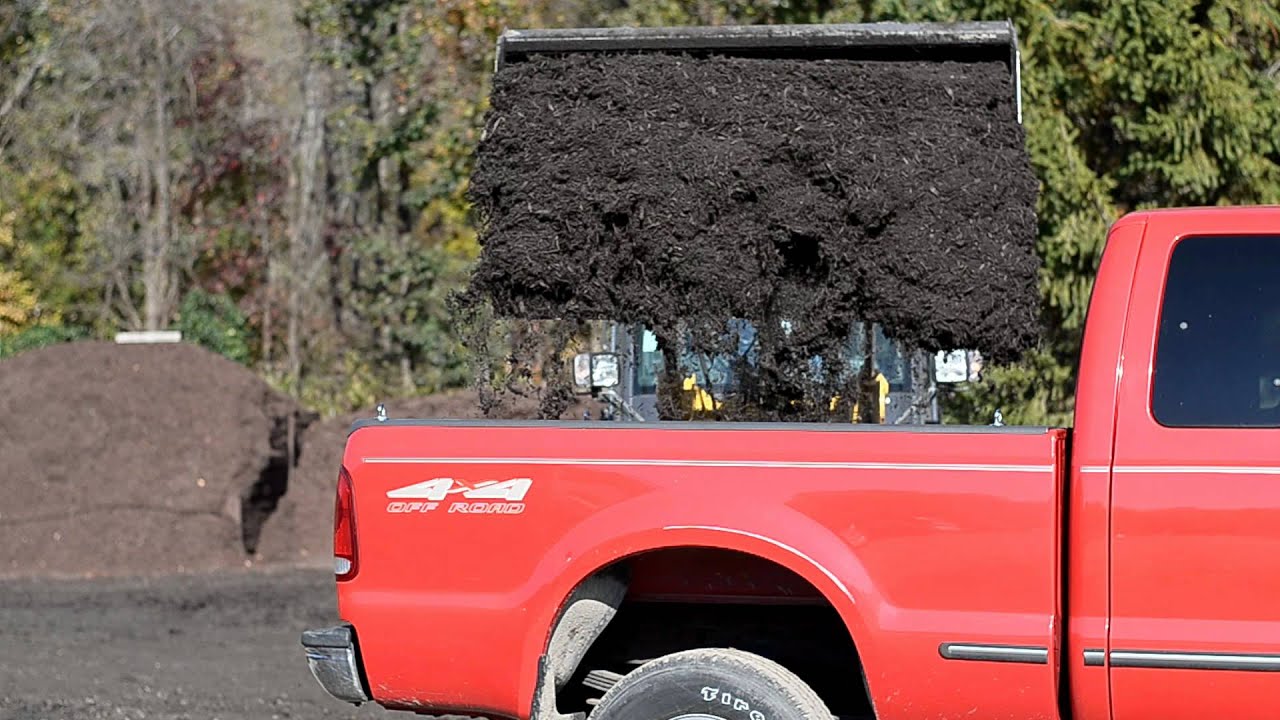
Image Source: i.ytimg.com
Deciphering Mulch Weight: Key Factors at Play
The weight of a cubic yard of mulch isn’t a single, fixed number. It’s a dynamic figure influenced by several critical elements. Understanding these will help you predict and manage your mulch loads accurately.
Type of Mulch: The Foundation of Weight
Different organic materials have varying inherent densities. Think of it this way: a cubic yard of fluffy pine bark will naturally weigh less than a cubic yard of dense hardwood chips.
- Wood Chips: Generally denser than bark, especially hardwoods like oak or maple. Softwoods like pine or cedar tend to be lighter.
- Bark Mulch: Varies significantly. Pine bark is often lighter and fluffier. Hardwood barks can be denser. Shredded bark tends to have more air pockets than chunkier bark.
- Shredded Mulch: The process of shredding can introduce air, potentially making it lighter than chipped varieties of the same wood.
- Composted Mulch: Often contains finer particles and can retain more moisture, making it heavier.
- Specialty Mulches: Things like rubber mulch or decorative stones, while not organic, also have their own weight classifications per cubic yard, but our focus here is on organic landscape mulches.
Moisture Content: The Great Weight Changer
This is arguably the most significant variable. Dry mulch is considerably lighter than wet mulch. Rain, dew, or improper storage can drastically increase the weight.
- Dry Mulch: Has minimal water, maximizing its lightness. This is how it’s often weighed when manufactured or initially bagged.
- Wet Mulch: Absorbs water like a sponge. The pores within the organic material become saturated, adding substantial weight. Imagine trying to lift a dry sponge versus a soaked one – the difference is immense. This means wet mulch weight can be double that of dry mulch in some cases.
Particle Size and Compaction
The size of the mulch pieces and how tightly they are packed also play a role.
- Finer Mulch: Smaller particles can pack more closely, reducing air pockets and potentially increasing density and weight.
- Larger Chunks: Larger, irregular pieces tend to create more air space between them, leading to lower density and thus less weight per cubic yard.
- Compaction: Mulch delivered in bulk might be slightly compacted during transport, while bagged mulch is often less compacted. However, over time, mulch in a pile will settle and compact naturally.
Typical Mulch Weights: A General Guide
While precise weights vary, we can provide a typical mulch weight range for common landscaping materials. These figures are approximate and should be used as a guideline.
Estimating Mulch Weight Per Cubic Yard
To give you a clearer picture, here’s a table illustrating the mulch weight per cubic yard for common types, assuming a moderate moisture level. Remember, these are estimates!
| Mulch Type | Approximate Weight Per Cubic Yard (Dry to Moderately Moist) |
|---|---|
| Pine Bark (Fine) | 400 – 600 lbs |
| Pine Bark (Medium) | 500 – 700 lbs |
| Cedar Mulch | 500 – 750 lbs |
| Hardwood Chips | 700 – 900 lbs |
| Black Walnut Shells | 800 – 1000 lbs |
| Dyed Mulch (Hardwood) | 750 – 950 lbs |
| Compost | 900 – 1200 lbs |
Important Note: These weights can increase by 30-50% or even more when the mulch is thoroughly saturated with water. This means a cubic yard of pine bark that weighs 500 lbs when dry could easily weigh 750 lbs or more when wet.
Fathoming Mulch Density: The Science Behind the Weight
Mulch density is the measure of mass per unit volume. For mulch, it’s typically expressed in pounds per cubic foot or, more commonly for landscaping, pounds per cubic yard. The higher the density, the heavier the mulch.
How is Mulch Density Determined?
Mulch density is influenced by the factors we’ve already discussed: the material itself, its particle size, and crucially, its moisture content.
- Material Composition: The cellular structure and natural weight of the wood or bark fibers contribute to its base density. Denser woods like oak will inherently be heavier than lighter woods like pine.
- Water Absorption: Organic materials are porous. When water enters these pores, it adds significant mass without substantially increasing the volume. This is why wet mulch weight is so much higher. A cubic foot of dry wood might weigh 20-30 pounds, but a cubic foot of the same wood saturated with water could easily reach 50-60 pounds or more.
Why Understanding Mulch Density Matters
Knowing the density helps you:
- Estimate Hauling Capacity: If you know your truck bed’s weight limit, understanding the density of the mulch you plan to buy prevents overloading.
- Calculate Bag Needs: Most bags of mulch are sold by volume (e.g., 2 or 3 cubic feet). Knowing the weight per cubic foot helps you gauge how many bags are needed for a certain area and how heavy those bags will be to handle.
- Compare Products: When buying from different suppliers, comparing weights per cubic yard for similar mulch types can reveal differences in quality or moisture content.
Practical Applications: Calculating Your Mulch Needs
Now that you grasp the variables, let’s talk about practical applications. Whether you’re buying bagged mulch or bulk deliveries, this knowledge is key.
Using a Mulch Weight Calculator
While there isn’t a universal, pre-built “mulch weight calculator” online for every specific scenario, you can easily create your own or use estimations based on the data provided. If a supplier gives you a per-ton price for bulk mulch, knowing the approximate weight per cubic yard is essential to calculate your cost.
Example Calculation:
Let’s say you need 5 cubic yards of hardwood mulch and the supplier charges $50 per ton (2000 lbs).
- Estimate Weight per Cubic Yard: From our table, hardwood chips are roughly 700-900 lbs per cubic yard. Let’s use an average of 800 lbs for calculation.
- Total Estimated Weight: 5 cubic yards * 800 lbs/cubic yard = 4000 lbs.
- Total Cost: (4000 lbs / 2000 lbs/ton) * $50/ton = 2 tons * $50/ton = $100.
This is a simplified example. If you know the specific bulk mulch weight from your supplier, you can refine this calculation.
Bagged Mulch vs. Bulk Mulch: Weight Considerations
When you buy bagged mulch, the weight is usually printed on the bag. This is a direct indication of the mulch density and moisture content at the time of bagging.
- Bagged Mulch: Typically comes in 2 or 3 cubic foot bags. A 3 cubic foot bag of cedar mulch might weigh between 20-30 lbs. A 3 cubic foot bag of denser hardwood might weigh 30-45 lbs. This makes them manageable for most people.
- Bulk Mulch: Delivered by truck, often by the cubic yard. This is where the weight becomes a significant factor. A full cubic yard of heavier mulch can easily exceed 1000 lbs, requiring a sturdy truck bed and careful loading.
Truck Bed Capacity and Mulch Delivery
If you plan to haul mulch yourself, be mindful of your vehicle’s payload capacity.
- Payload Capacity: Check your vehicle’s owner’s manual for its Gross Vehicle Weight Rating (GVWR) and subtract the vehicle’s curb weight to find its payload capacity.
- Loading Mulch: A common mistake is to overestimate how much mulch can fit in a standard pickup truck bed. A typical 6-foot truck bed can hold roughly 1 to 1.5 cubic yards of mulch, depending on the depth. However, the weight is often the limiting factor. A cubic yard of dense, wet mulch could easily exceed 1000 lbs, which might be close to or over the limit for many half-ton trucks.
Creating Your Own Mulch Weight Chart
For the most accurate estimates, you can create a simple mulch weight chart based on information from your local suppliers or by conducting your own informal tests (if feasible).
Gathering Information from Suppliers
- Ask Specific Questions: When ordering bulk mulch, don’t hesitate to ask the supplier about the approximate weight per cubic yard for the specific product you’re interested in. They often have this data based on their own purchasing and delivery records.
- Check Their Website: Many landscaping supply companies provide detailed product descriptions that may include weight estimates.
Factors Influencing Supplier Weights
Even a supplier’s estimate can vary. Their mulch might be drier or wetter depending on recent weather and how long it’s been in storage.
The Impact of Moisture: When Mulch Gets Heavy
Let’s reiterate the profound impact of moisture. This is where the difference between “how much does a yard of mulch weigh” and “how much does a yard of wet mulch weigh” becomes stark.
Water Absorption Dynamics
Organic mulch materials are hygroscopic, meaning they readily absorb moisture from the air and from direct contact with water.
- Rainfall: A heavy rain can saturate a pile of mulch, instantly increasing its weight.
- Humidity: High humidity can also contribute to moisture absorption over time.
- Storage: Mulch stored uncovered outdoors is more susceptible to moisture gain.
Practical Implications of Wet Mulch
- Physical Strain: Wet mulch is significantly harder to shovel, load, and spread.
- Delivery Costs: Some suppliers charge by weight for bulk deliveries. Wet mulch could lead to higher delivery bills.
- Soil Impact: While not directly a weight issue, overly saturated mulch can sometimes hinder air circulation to the soil beneath, which is a different kind of problem.
FAQs About Mulch Weight
Here are some common questions people have about the weight of mulch:
Q1: How much does a cubic yard of pine bark mulch weigh?
A: A cubic yard of pine bark mulch typically weighs between 400 to 700 pounds, depending on its moisture content and whether it’s shredded or in chunks. Dry pine bark is on the lighter end, while moist bark will be heavier.
Q2: Is dyed mulch heavier than natural mulch?
A: Dyed mulch is usually made from hardwood or pine that has been colored. The added dye itself doesn’t significantly increase the weight. The weight difference, if any, will be due to the base material (hardwood vs. pine) and its moisture content, not the dye.
Q3: Can I calculate the weight of mulch for my truck bed?
A: Yes, you can estimate it. First, determine the volume of mulch your truck bed can hold (usually 1-1.5 cubic yards for a standard pickup). Then, multiply that volume by the estimated weight per cubic yard for the type of mulch you’re getting, considering its likely moisture level. Always err on the side of caution and stay well within your truck’s payload capacity.
Q4: What is the difference between mulch weight per cubic foot and per cubic yard?
A: A cubic yard is equal to 27 cubic feet (3 feet x 3 feet x 3 feet). So, to convert mulch weight per cubic foot to per cubic yard, you multiply the cubic foot weight by 27. For example, if a cubic foot of mulch weighs 25 lbs, a cubic yard would weigh approximately 25 lbs/cu ft * 27 cu ft = 675 lbs.
Q5: How can I reduce the weight of mulch if it’s too wet?
A: Unfortunately, once mulch is saturated, it’s difficult to “dry it out” significantly for practical purposes. You can try spreading it out in a thin layer in the sun, but this is usually only effective for very light saturation and a small amount of mulch. For bulk deliveries, the best approach is to inquire about moisture content from the supplier beforehand or be prepared for the heavier load if it has rained recently.
Q6: Where can I find a reliable mulch weight chart?
A: Reliable mulch weight charts are often found on the websites of landscaping supply companies, garden centers, or agricultural extension offices. Since weights vary by supplier and region, local sources are often the most accurate.
Q7: Does the type of wood affect how heavy mulch is?
A: Absolutely. Denser hardwoods like oak or maple will produce heavier mulch than lighter softwoods like pine or cedar. This is a primary factor in determining the mulch density.
Conclusion: Weighing Your Options Wisely
Knowing how much a yard of mulch weighs is more than just a trivia question; it’s a practical necessity for any landscaping enthusiast. By considering the type of mulch, its moisture content, and particle size, you can accurately estimate weights, plan your projects, and avoid unexpected challenges. Whether you’re calculating bulk mulch weight for a large delivery or estimating the heft of individual bags, this knowledge empowers you to make informed decisions. Always remember to consult local suppliers for the most precise information on mulch density and typical mulch weight in your area. Happy gardening!