
If you’re asking, “How can I keep cats out of the garden?” the answer is that there are many effective, humane, and often natural methods to achieve garden protection for cats and safeguard your precious plants from unwanted visitors. You can prevent cats from digging and protect your flowers and vegetables using a combination of deterrents and garden design.
Cats are curious creatures, and a well-tended garden can be an irresistible invitation for exploration, a digging spot, or even a litter box. Whether it’s your own feline friend or neighborhood strays, keeping them out of your garden is a common concern for many gardeners. This guide will delve into a comprehensive range of solutions, from simple physical barriers to natural cat repellent options and homemade cat repellent recipes, all aimed at creating a cat proof garden without causing harm. We’ll explore various cat deterrents that work, offering practical gardening tips for cats and focusing on safe cat repellent choices.
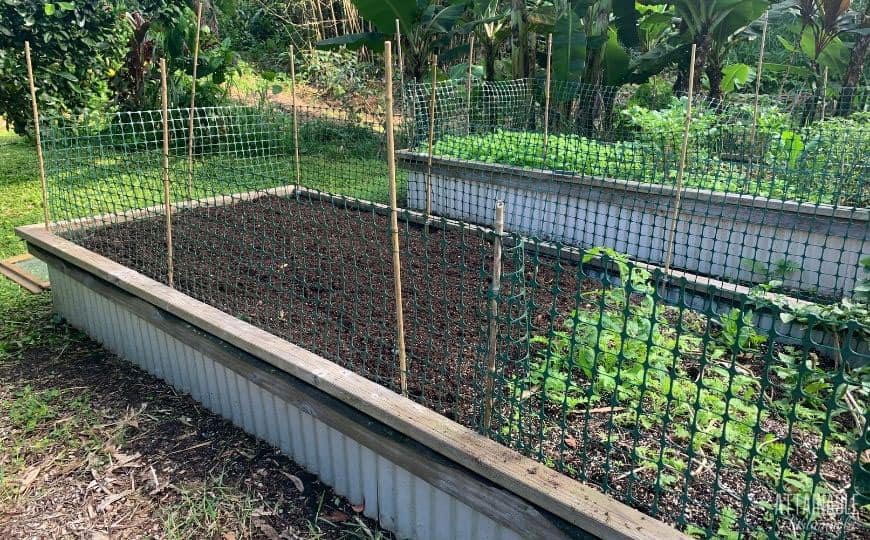
Image Source: www.attainable-sustainable.net
Understanding Why Cats Visit Gardens
Before we explore how to keep cats out, it’s helpful to grasp why they are drawn to gardens in the first place.
- Comfort and Softness: Loose soil, mulched beds, and plant-filled areas offer a soft, inviting surface for cats to dig and bury their waste.
- Sunbathing Spots: Warm, sunny patches in the garden are perfect for cats to relax and soak up the sun.
- Hunting Grounds: Gardens often attract small prey like mice and birds, making them a tempting spot for cats to practice their hunting skills.
- Territorial Marking: For some cats, especially unneutered males, gardens can be an attractive place to mark their territory.
- Shelter and Hiding Places: Dense shrubs and tall plants can provide cats with a sense of security and a place to hide.
Physical Barriers: Your First Line of Defense
Creating physical barriers is a direct and effective way to keep cats away from plants. These methods prevent cats from accessing your garden beds and prize-winning blooms.
Sectioning Off Areas
- Fencing: While not always practical or aesthetically pleasing for every garden, sturdy fencing can be a good option. Consider fencing that is at least 6 feet high. Cats are surprisingly agile, so ensure there are no easy jumping-off points.
- Chicken Wire or Netting: Laying chicken wire or garden netting just below the surface of the soil can deter cats from digging. You can also place it on top of newly planted seeds or vulnerable seedlings, securing it with garden stakes. As plants grow, you can gradually remove sections or lift the netting.
- Plant Supports: Using garden stakes, trellises, or netting around your plants can make it difficult for cats to navigate through your beds.
Covering Exposed Soil
- Mulch: While some cats like digging in soft soil, others are deterred by certain textures of mulch. Coarse mulch, like pine cones, gravel, or rough bark chips, can be uncomfortable for cats to walk on. Avoid fine, soft mulches that mimic ideal digging conditions.
- Stone or Gravel Paths: Creating paths of gravel or decorative stones between your garden beds can make the transition into the planting areas less appealing.
Protective Plant Cages and Sleeves
- Wire Cages: For particularly vulnerable or prized plants, you can fashion simple cages from chicken wire or metal mesh. These allow plants to grow while keeping cats at bay.
- Plant Sleeves: Cardboard tubes or plastic sleeves can be placed around the base of young plants to protect them from digging and nibbling.
Scent Deterrents: Using Nature’s Own Repellents
Cats have a keen sense of smell, and certain scents are highly unpleasant to them. Utilizing these as natural cat repellent options is a humane and effective strategy for deterring stray cats and preventing them from entering your garden.
Essential Oils and Plants
Many plants possess strong scents that cats dislike. You can incorporate these into your garden design or use their oils as a safe cat repellent.
- Citrus: Cats generally dislike the smell of citrus. Planting lemon trees, oranges, or grapefruit, or scattering citrus peels (lemon, lime, orange) around your garden beds can be very effective.
- Rue (Ruta graveolens): This herb has a strong, pungent odor that cats tend to avoid.
- Coleus canina (Scaredy Cat plant): As its name suggests, this plant is known for its ability to deter cats. It has a rather unpleasant smell to them.
- Lavender: The strong fragrance of lavender is off-putting to many cats.
- Pennyroyal: This herb has a very potent scent that can deter cats. However, use with caution, as it can be toxic to pets if ingested in large quantities.
- Rosemary: The strong, woody scent of rosemary can also be a deterrent.
- Thyme: Similar to rosemary, the pungent aroma of thyme can help keep cats away.
- Mint: Many varieties of mint, especially peppermint, have a strong scent that cats tend to avoid.
How to Use Essential Oils:
Dilute a few drops of essential oils like citrus, peppermint, or lavender in water and spray it around the perimeter of your garden or on specific areas you want to protect. Reapply after rain. Important Note: Always ensure essential oils are used sparingly and are properly diluted, as some can be harmful to pets if ingested directly or in high concentrations.
Other Natural Scents
- Coffee Grounds: Used coffee grounds, when scattered around plants, have a dual benefit. They deter cats due to their texture and scent, and they also act as a mild fertilizer.
- Vinegar: The strong smell of vinegar can be an effective natural cat repellent. Soak rags in white vinegar and place them around the garden, or dilute vinegar with water and spray it around the perimeter. Be mindful that undiluted vinegar can harm plants, so use with caution near your flora.
- Certain Spices: Some gardeners report success using spices like cayenne pepper or black pepper sprinkled around plants. However, these can be irritating if they get into a cat’s eyes or nose, so use them with extreme caution and consider them a less humane option.
Textural Deterrents: Unpleasant Surfaces
Cats prefer soft, yielding surfaces for digging. By introducing textures they find unpleasant, you can make your garden less attractive.
- Pine Cones: Scatter dried pine cones around your plants. Their spiky texture makes them uncomfortable for cats to walk on.
- Gravel or Pebbles: A layer of small stones or gravel over the soil surface can deter cats from digging.
- Eggshells: Crushed eggshells, when spread around plants, create sharp edges that cats dislike stepping on.
- Prickly Plants: Incorporating plants with naturally spiky or prickly foliage near the edges of your garden beds can create a natural barrier. Examples include holly, barberry, or roses.
Water-Based Deterrents: A Spritz of Prevention
Many cats dislike being sprayed with water. This can be a very effective way to startle them away.
- Motion-Activated Sprinklers: These devices detect movement and emit a short burst of water when a cat enters a specific zone. This is a humane and effective way to deter them without constant supervision.
- Manual Spray Bottle: While not practical for continuous protection, a quick spray from a water bottle can deter a cat that is currently in your garden.
Homemade Cat Repellent Recipes
Creating your own homemade cat repellent is often cost-effective and allows you to control the ingredients, ensuring they are as natural and safe as possible.
Citrus-Based Spray
- Ingredients:
- Peels from 2-3 oranges, lemons, or grapefruits
- 1 quart of water
- Spray bottle
- Instructions:
- Boil the citrus peels in water for about 10-15 minutes.
- Let the mixture cool completely.
- Strain out the peels and pour the liquid into a spray bottle.
- Spray around the perimeter of your garden and on plants you want to protect. Reapply after rain or every few days.
Vinegar and Essential Oil Spray
- Ingredients:
- 1 cup white vinegar
- 1 cup water
- 10-15 drops of peppermint or lavender essential oil
- Spray bottle
- Instructions:
- Combine vinegar, water, and essential oil in the spray bottle.
- Shake well before each use.
- Spray around the garden edges. Be cautious spraying directly onto plants, as vinegar can be harmful.
Coffee Grounds and Citrus Peel Mix
- Ingredients:
- Used coffee grounds
- Citrus peels (lemon, orange, grapefruit)
- Instructions:
- Dry used coffee grounds and citrus peels.
- Mix them together.
- Scatter the mixture around the base of your plants.
Ultrasonic Devices: High-Frequency Deterrents
Ultrasonic pest repellers emit high-frequency sounds that are inaudible to humans but are designed to be unpleasant for cats and other small animals.
- How They Work: These devices are placed in the garden and activate when they detect movement. The sound wave is intended to startle and drive away cats without causing them harm.
- Effectiveness: Their effectiveness can vary depending on the model, the size of the area, and the individual cat’s sensitivity to the sound. Some cats may become accustomed to them over time.
- Placement: Ensure the devices are placed strategically to cover the areas you want to protect.
Training and Reinforcement: Educating Your Own Cats
If the garden invaders are your own feline companions, positive reinforcement and consistent training are key.
- Designated Cat Areas: If possible, create an inviting space for your cats elsewhere in your yard, such as a dedicated sandbox or a climbing structure. This can redirect their attention.
- Playtime: Ensure your cats are getting enough stimulation and playtime indoors. Boredom can lead to destructive behavior in the garden.
- “No” Command: Use a firm “no” or a clap of your hands when you see your cat about to enter the garden or dig. Pair this with a redirection to an acceptable activity.
- Positive Reinforcement: Reward your cats when they use their designated areas or avoid the garden.
Other Considerations for Garden Protection
- Keep Garbage Cans Secure: Cats are often attracted to the scent of garbage. Ensure your bins are tightly sealed.
- Remove Potential Food Sources: If you feed stray cats, consider relocating feeding stations away from your garden.
- Water Features: Some cats are wary of water, so a small, shallow water feature might inadvertently deter them.
Plants to Avoid Planting Near Cat-Attracting Areas
While not a direct deterrent, understanding which plants might inadvertently attract cats can help you strategically place them. For example, catnip, valerian, and silver vine are known attractants for cats. If you wish to keep cats out of your main garden beds, consider planting these in a separate, contained area far from your vegetables and flowers.
Troubleshooting and Long-Term Solutions
- Patience and Persistence: It may take time and a combination of methods to find what works best for your garden and the cats in your area. Be patient and consistent with your chosen strategies.
- Observe and Adapt: Pay attention to which deterrents seem to be most effective and adjust your approach accordingly.
- Community Cooperation: If stray cats are a persistent problem, consider talking to your neighbors about a community-wide approach to responsible pet ownership and deterring strays.
Frequently Asked Questions (FAQ)
Q1: Will these methods harm cats?
A1: The methods discussed are designed to be humane and to deter cats without causing them injury or distress. They rely on scent, texture, and mild startling to make the garden unappealing.
Q2: How often do I need to reapply natural repellents?
A2: Natural repellents, especially those based on scents like citrus or vinegar, will need to be reapplied regularly, particularly after rain or watering, to maintain their effectiveness. Aim for every few days initially, then adjust based on observation.
Q3: Can I use commercial cat repellents?
A3: Yes, there are many commercial cat repellents available. When choosing one, look for products that are specifically labeled as safe for pets and plants, and always follow the manufacturer’s instructions carefully. Many commercial repellents use natural ingredients.
Q4: What is the best way to prevent cats from digging in my flower beds?
A4: To prevent cats from digging in your flower beds, laying chicken wire or garden netting just below the soil surface is very effective. Alternatively, using coarse mulch like pine cones or gravel can make the digging experience unpleasant for them.
Q5: Are there any plants that cats absolutely hate?
A5: Yes, cats generally dislike the scent of plants like Rue, Coleus canina (Scaredy Cat plant), Lavender, Pennyroyal, Rosemary, and Thyme. Planting these around the perimeter of your garden can act as a natural barrier. Citrus scents are also highly effective.
Q6: What if I have my own cats who keep digging in the garden?
A6: If you have your own cats, providing them with attractive alternatives like a designated sandbox or plenty of stimulating toys and scratching posts can redirect their digging instincts. Consistent training with positive reinforcement and redirection is also crucial.
By implementing these simple and proven methods, you can create a peaceful coexistence between your beautiful garden and its feline visitors, ensuring your plants thrive without being a cat’s favorite playground.