
Are rabbits eating your prize-winning petunias and nibbling your tender lettuce leaves? You’re not alone. Many gardeners struggle with keeping these charming yet destructive creatures out of their yards. Can you keep rabbits out of your yard? Yes, with a combination of barrier methods, deterrents, and habitat modification. This comprehensive guide will walk you through effective strategies for garden protection and how to prevent rabbits from turning your green oasis into their personal buffet.
Rabbits are a common garden pest, especially in urban and suburban areas. They are attracted to lush vegetation, tender shoots, and vegetables. While their presence can be endearing, their appetite can be devastating to a well-tended garden. The key to successful pest exclusion lies in a multi-pronged approach, combining physical barriers with other methods that make your yard less appealing. This guide will cover everything from selecting the right rabbit fencing to employing natural rabbit repellents for humane rabbit control.
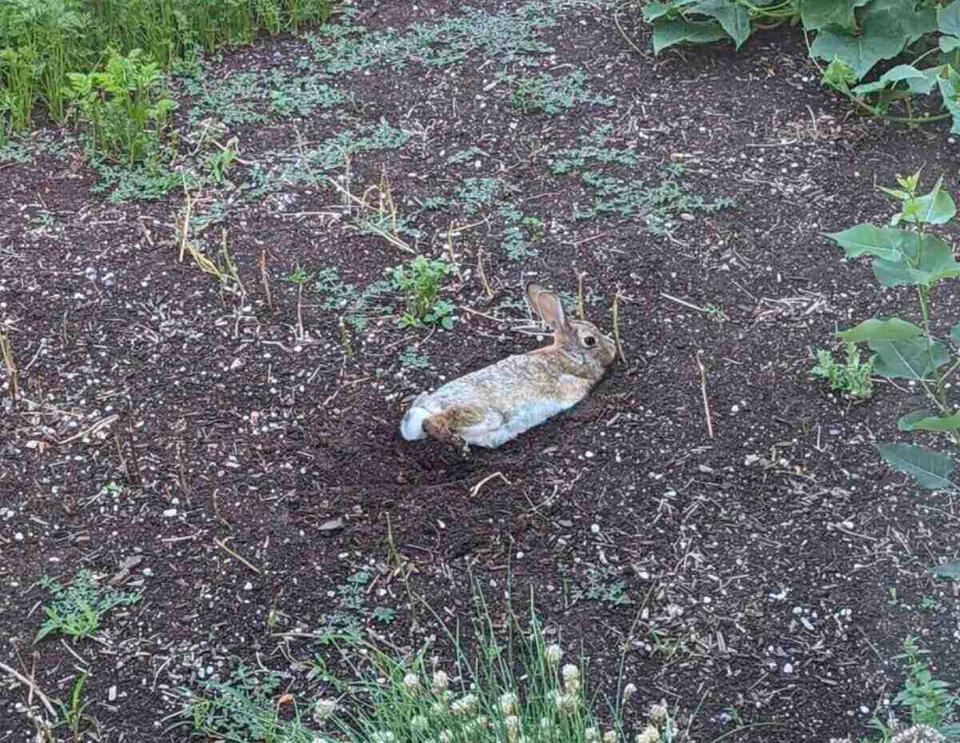
Image Source: www.wikilawn.com
Comprehending Rabbit Behavior and Preferences
To effectively keep rabbits out of your yard, it’s crucial to understand what attracts them and how they behave. Rabbits are herbivores with a varied diet. They prefer young, tender plants, fruits, vegetables, flowers, and even tree bark and stems, especially in winter when other food sources are scarce.
What Rabbits Eat
- Vegetables: Lettuce, beans, peas, carrots, broccoli, cauliflower, cabbage, spinach, tomatoes.
- Fruits: Strawberries, raspberries, blueberries.
- Flowers: Petunias, impatiens, pansies, tulips, daffodils, marigolds.
- Herbs: Parsley, basil, mint.
- Other: Young tree bark, seedlings, grass.
Why Your Yard is Appealing to Rabbits
- Abundant Food Source: A garden full of delicious, tender plants is a primary draw.
- Shelter: Overgrown vegetation, dense shrubs, woodpiles, and sheds provide safe places for rabbits to hide from predators and build their nests.
- Water Sources: Bird baths or other standing water can attract rabbits, especially during dry periods.
- Easy Access: Open entry points into your yard, such as gaps in fences or easy slopes, make it simple for them to enter.
Rabbit Burrows: A Deeper Threat
A significant aspect of rabbit-proof garden design is addressing their ability to burrow. Rabbits, particularly cottontails, dig extensive burrows for shelter and raising young. These burrows can undermine garden structures, create tripping hazards, and provide a safe haven from which they can raid your plants. Burrow prevention is therefore a critical component of effective pest management.
Barrier Methods: The First Line of Defense
Physical barriers are the most reliable way to keep rabbits out of your yard. These methods create a physical impediment that rabbits cannot easily overcome.
Rabbit Fencing: The Gold Standard
Choosing the right rabbit fencing is paramount. Not all fences are created equal when it comes to deterring these agile creatures.
Key Features of Effective Rabbit Fencing:
- Height: Fencing should be at least 2 to 3 feet tall. Rabbits can jump surprisingly high, especially when startled.
- Mesh Size: The mesh should be small enough to prevent young rabbits from squeezing through. A mesh size of 1 inch or smaller is ideal.
- Material: Galvanized steel wire mesh, hardware cloth, or chicken wire (though chicken wire is less durable and can be bent more easily) are common choices.
- Depth: Burying the bottom edge of the fence at least 6 inches into the ground is crucial for burrow prevention. This stops rabbits from digging underneath.
- Angled Skirt: For an extra layer of protection, bend the bottom 6 inches of the fence outward at a 90-degree angle and bury it. This “skirt” makes it difficult for rabbits to dig under without encountering resistance.
Types of Fencing and Installation:
- Hardware Cloth: This is considered the best option due to its sturdiness and small mesh size. It’s more expensive but offers superior garden protection.
- Installation: Securely attach the hardware cloth to sturdy posts using galvanized staples or U-nails. Ensure there are no gaps. Bury the bottom edge as described above.
- Wire Mesh (Chicken Wire): While less robust, chicken wire can be a more budget-friendly option.
- Installation: Use 1-inch or smaller mesh. Ensure it is well-anchored and buried to prevent digging. This option may require more frequent repairs and checks.
- Solid Fencing: Solid fences made of wood or vinyl can be effective if they are tall enough (at least 3 feet) and have no gaps at the bottom. However, they don’t allow for the angled skirt method for burrow prevention.
Setting Up Your Fencing:
- Plan Your Perimeter: Decide which areas of your yard you want to protect. This could be your entire yard, specific garden beds, or individual plants.
- Clear the Area: Remove any debris, rocks, or vegetation along the fence line. This makes installation easier and removes potential hiding spots for rabbits.
- Install Posts: Drive sturdy posts into the ground at regular intervals (every 4-6 feet) along your planned fence line.
- Attach Fencing: Unroll your chosen fencing material and attach it to the posts, starting from the bottom. Use a staple gun or U-nails to secure it firmly.
- Bury the Bottom: Dig a trench 6 inches deep along the entire fence line. Place the bottom edge of the fencing into the trench and backfill it. For maximum protection against burrowing, create the outward-facing skirt.
- Secure Gates: If you have gates, ensure they fit snugly and are also equipped with the burial and skirt method to prevent rabbits from entering through openings.
Individual Plant Protection: Targeted Defense
For valuable or newly planted specimens, individual protection is a highly effective strategy.
Cages and Collars:
- Wire Cages: Create cylindrical cages from hardware cloth or chicken wire to enclose individual plants. Ensure the cage extends into the ground by at least 6 inches to deter digging. Leave enough space for the plant to grow.
- Plant Collars: Wrap a band of hardware cloth or plastic tree guards around the base of young trees and shrubs. These protect the bark and lower stems from gnawing. Bury the bottom edge of these collars.
Other Barrier Methods:
- Row Covers: Lightweight fabric row covers can be draped over vegetable rows and secured with rocks or soil. These offer excellent garden protection from rabbits and other pests, while still allowing sunlight and water to reach the plants. Ensure the edges are well-sealed.
- Netting: Similar to row covers, netting can be used to protect entire garden beds or individual plants. Again, proper securing of the edges is crucial for effective pest exclusion.
Rabbit Deterrents: Making Your Yard Unappealing
While barriers are the most robust solution, rabbit deterrents can play a supporting role, especially when combined with barrier methods. These are substances or objects that make your yard or garden less attractive to rabbits.
Natural Rabbit Repellents: The Gentle Approach
Many gardeners prefer natural rabbit repellents that don’t harm the animals. These rely on scent or taste to discourage rabbits.
Scent-Based Repellents:
Rabbits have a keen sense of smell, and strong odors can be off-putting.
- Garlic and Onion Spray: A simple spray made from blended garlic cloves and onions, mixed with water, can be effective. Add a drop of liquid dish soap to help it stick to plants.
- Recipe: Blend 1 cup of water, 4-5 garlic cloves, and 1-2 onions. Strain and add to a spray bottle. Apply every few days, especially after rain.
- Peppermint Oil: Rabbits reportedly dislike the strong scent of peppermint.
- Application: Soak cotton balls in peppermint oil and place them around the garden beds, or mix a few drops of peppermint oil with water and spray it on plants.
- Cayenne Pepper: The spicy kick of cayenne pepper can be a deterrent, both as a spray and sprinkled directly on the soil.
- Application: Mix 1 tablespoon of cayenne pepper with 1 quart of water and a few drops of liquid soap. Spray liberally on plants and soil. Reapply after rain.
- Predator Urine: Urine from natural predators like foxes or coyotes can signal danger to rabbits.
- Application: Available commercially, follow product instructions for application around the perimeter of your garden.
Taste-Based Repellents:
These repellents make plants taste unpleasant to rabbits.
- Eggplant Extract: Some gardeners find that a spray made from eggplant can deter rabbits due to its bitter taste.
- Application: Blend cooked eggplant with water, strain, and spray on plants.
- Soapy Water: A simple solution of water and a mild, natural soap can deter rabbits from nibbling.
- Application: Mix a tablespoon of mild soap with a quart of water and spray on foliage.
Other Natural Deterrents:
- Blood Meal: This is a nitrogen-rich fertilizer that also has a distinct odor that can deter rabbits.
- Application: Sprinkle blood meal around the base of plants. Be cautious not to over-apply, as it can burn plants.
- Castor Oil: Rabbits find the smell and taste of castor oil unpleasant.
- Application: Mix castor oil with water and a mild soap, then spray on plants.
Important Notes on Natural Repellents:
- Reapplication is Key: Natural repellents are often washed away by rain and irrigation. You’ll need to reapply them regularly, typically every few days or after each rainfall, to maintain effectiveness.
- Test on a Small Area: Before spraying any repellent on your entire garden, test it on a small section of a plant to ensure it doesn’t cause any adverse reactions.
- Combine Methods: Natural repellents are most effective when used in conjunction with physical barriers.
Commercial Rabbit Repellents
If natural methods aren’t sufficient, there are several commercially available rabbit repellents. These often contain ingredients like putrescent egg solids, capsaicin (from chili peppers), or predator urine. Always follow the product instructions carefully for application and safety.
Scares and Visual Deterrents
While less reliable for long-term pest exclusion, visual deterrents can sometimes work, especially in the short term or in conjunction with other methods.
- Scarecrows: Traditional scarecrows might offer a brief deterrent, but rabbits quickly get used to stationary objects.
- Motion-Activated Sprinklers: These devices spray a burst of water when they detect movement, startling rabbits and other pests. They are a humane and effective deterrent.
- Reflective Objects: Shiny, moving objects like old CDs or foil strips can sometimes confuse or startle rabbits, making them hesitant to approach.
Habitat Modification: Making Your Yard Less Inviting
Modifying your yard to remove attractive features can significantly reduce rabbit activity. This is a crucial part of a holistic approach to humane rabbit control.
Eliminating Shelter and Hiding Places
Rabbits seek safe places to hide from predators and raise their young. Removing these will make your yard less appealing.
- Trim Overgrown Vegetation: Keep grass mowed and trim dense shrubs or bushes, especially those near garden beds. This reduces hiding spots.
- Clear Debris: Remove brush piles, stacks of firewood, old equipment, and any other clutter that can provide shelter. If you must store wood, elevate it off the ground.
- Seal Off Access Points: Rabbits can squeeze through surprisingly small openings. Inspect your sheds, garages, decks, and porches. Seal any gaps, holes, or openings with sturdy materials like wire mesh. Pay attention to spaces under decks, as these are prime locations for rabbit nests.
Water Sources
While not as significant as food and shelter, readily available water sources can attract rabbits.
- Empty Pet Water Bowls: Don’t leave pet water bowls sitting outside, especially during dry spells.
- Fix Leaky Faucets: Repair any dripping outdoor faucets.
Garden Bed Design
Consider the layout and placement of your garden beds.
- Raised Beds: Elevated garden beds can be harder for rabbits to access, especially if the sides are smooth and steep. However, rabbits can still reach over the edges, so pairing raised beds with fencing is often necessary.
- Proximity to Shelter: Avoid placing gardens too close to dense shrubs, woodpiles, or other potential rabbit shelters.
Advanced Techniques for Burrow Prevention
Addressing burrow prevention is vital for truly rabbit-proof garden security. Rabbits are skilled diggers, and ignoring this can undermine all your other efforts.
Burying Fencing: The Foundation
As mentioned earlier, burying your fencing at least 6 inches deep, ideally with an outward-facing skirt, is the most effective method for preventing burrowing.
Wire Mesh Aprons
For existing fences that aren’t buried, you can create an apron by attaching a 1-foot wide strip of chicken wire or hardware cloth to the bottom edge of the fence, extending it outwards along the ground. Secure this apron to the ground with landscape staples or heavy rocks. This creates a barrier that rabbits will encounter when they try to dig underneath.
Natural Barriers and Soil Amendments
While less foolproof than wire mesh, certain materials can make digging more difficult.
- Gravel or Rocks: Placing a layer of gravel or small rocks around the base of plants or along fence lines can make digging uncomfortable for rabbits.
- Hard-Packed Soil: Maintaining hard-packed soil around the perimeter of your garden can deter digging.
- Certain Plants: While rabbits will eat many plants, some are less appealing and might even deter them. Planting these along the perimeter of your garden might offer a minor level of protection. Examples include:
- Marigolds
- Mint (plant in containers to prevent it from spreading aggressively)
- Garlic
- Onions
- Rosemary
- Lavender
Choosing the Right Method: A Practical Approach
The most effective strategy for keeping rabbits out of your yard often involves combining several methods. Here’s a breakdown of how to approach it:
- Assess the Problem: How severe is the rabbit infestation? Are they just nibbling a few leaves, or are they decimating your entire garden?
- Identify Entry Points: Where are the rabbits coming from? Are there gaps in your existing fence? Are they tunneling under?
- Prioritize Protection: Which plants are most important to protect? Start with those.
- Implement Barriers First: Rabbit fencing is the most crucial step. If you have an existing fence, assess its effectiveness and consider reinforcing it by burying mesh or creating an apron.
- Add Deterrents: Once barriers are in place, supplement with natural rabbit repellents or commercial deterrents to reinforce the message that your yard isn’t a safe haven.
- Modify Habitat: Take steps to remove attractive hiding places and food sources outside your protected areas.
Table: Comparing Rabbit Control Methods
| Method | Effectiveness | Cost | Effort Required | Pros | Cons |
|---|---|---|---|---|---|
| Rabbit Fencing | Very High (if installed correctly) | Moderate to High | High | Most reliable, long-term solution, prevents burrowing. | Initial cost and labor, can affect aesthetics. |
| Individual Cages | High (for protected plants) | Low to Moderate | Moderate | Targeted protection, keeps individual plants safe. | Labor-intensive for many plants, can be unsightly. |
| Row Covers/Netting | High (when secured properly) | Low | Moderate | Protects multiple plants, allows light and water. | Needs frequent re-securing, can be damaged by strong winds. |
| Natural Repellents | Low to Moderate (supports other methods) | Low | Moderate | Humane, eco-friendly, pleasant scents for humans. | Needs frequent reapplication, effectiveness varies, can be washed away. |
| Commercial Repellents | Moderate (supports other methods) | Moderate | Low | Convenient, often more potent scents/tastes. | Can be expensive, potential for harm if ingested by pets or wildlife. |
| Habitat Modification | Moderate (reduces attraction) | Low | Moderate | Makes yard less appealing, natural and humane. | Doesn’t directly prevent entry, requires ongoing maintenance. |
| Motion Sprinklers | Moderate to High (as a deterrent) | Moderate | Low | Humane, effective deterrent, can protect large areas. | Requires water source, can be triggered by non-target movement. |
Frequently Asked Questions About Keeping Rabbits Out of Yards
Q1: What is the most effective way to keep rabbits out of my garden?
The most effective method is robust rabbit fencing that is at least 2-3 feet tall, has a mesh size of 1 inch or smaller, and is buried at least 6 inches deep with an outward-facing skirt to prevent burrow prevention. This creates a solid barrier that rabbits cannot overcome.
Q2: Can I use chicken wire to keep rabbits out?
Yes, chicken wire can be used, but it’s less durable and rabbits can sometimes bend it or chew through it over time. Use 1-inch mesh or smaller, and ensure it is buried deeply and secured properly. Hardware cloth is generally a more robust and longer-lasting option for garden protection.
Q3: What are some good natural rabbit repellents?
Effective natural rabbit repellents include sprays made from garlic, onion, peppermint oil, or cayenne pepper. Blood meal and castor oil are also sometimes used. Remember that these require frequent reapplication.
Q4: How do I stop rabbits from digging under my fence?
To prevent rabbits from digging under your fence, bury the bottom edge of the fencing at least 6 inches into the ground. For maximum protection, create an outward-facing “skirt” of wire mesh along the ground, securing it with stakes or rocks. This makes digging beneath the fence much more difficult for them.
Q5: How tall does rabbit fencing need to be?
Rabbit fencing should be at least 2 to 3 feet (24 to 36 inches) tall. Rabbits are capable of jumping higher than many people realize, so ensure your fence provides adequate vertical clearance.
Q6: Is there a humane way to deal with rabbits in the yard?
Yes, humane rabbit control focuses on deterrence and exclusion rather than harm. Using barrier methods like fencing, rabbit deterrents (especially natural ones), and habitat modification are all humane ways to manage rabbit populations in your yard. Motion-activated sprinklers are also a humane deterrent.
Q7: My dog scares rabbits away, is that enough?
While a dog can be a deterrent, it’s not a foolproof solution for consistent garden protection. Rabbits may learn to avoid areas when the dog is present but may return when the dog is absent. It’s best used as a supplementary method to barrier methods.
Q8: How can I protect young trees from rabbits?
Protect young trees by wrapping their trunks with plastic tree guards or hardware cloth collars. Ensure these guards extend at least 18-24 inches up the trunk and are buried a few inches into the ground to prevent burrow prevention and gnawing from below.
Q9: What should I do about rabbit burrows in my yard?
If you find rabbit burrows, fill them in immediately. This discourages further digging and nesting. If you suspect a doe is raising young, wait until the kits are old enough to leave the burrow (usually around 3-4 weeks) before filling it. Addressing burrow prevention is key to preventing recurring problems.
Q10: What is the best material for rabbit-proof garden fencing?
The best material for rabbit-proof garden fencing is typically 1/2-inch or 1-inch mesh hardware cloth. It is sturdy, has small enough openings to prevent even young rabbits from passing through, and is durable. Galvanized welded wire is also a good option.
By implementing these strategies, you can create a robust defense against rabbits and enjoy a thriving, rabbit-proof garden. Remember, consistency and a multi-layered approach are your strongest allies in this ongoing battle for garden protection.