
Moss thrives in your yard because of a combination of factors, primarily damp soil, poor drainage, lack of sunlight, acidic soil, and compacted soil. Moss prefers these conditions, which often go hand-in-hand, creating an ideal environment for this resilient green growth.
Moss isn’t a weed in the traditional sense; it’s a non-vascular plant that doesn’t have true roots, stems, or leaves. Instead, it anchors itself with tiny root-like structures called rhizoids. Moss reproduces through spores, much like ferns. Its presence in your yard is a clear signal that certain environmental conditions are being met, conditions that many turf grasses struggle with.
So, what makes moss so happy where grass isn’t? Let’s delve into the specific reasons for this common yard issue and explore solutions for healthier turf.
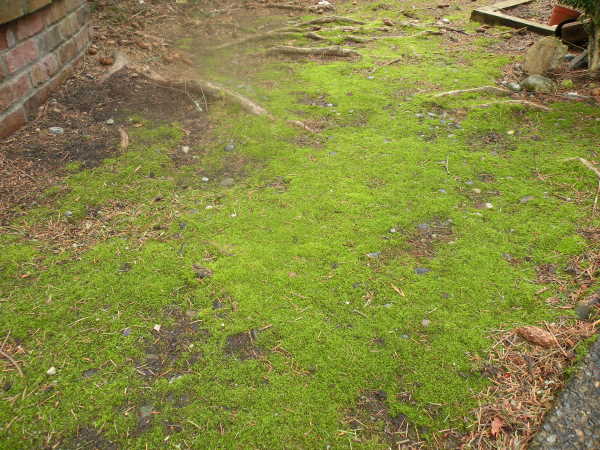
Image Source: turfgator.com
Fathoming the Factors Behind Moss’s Flourish
Several elements contribute to moss taking over your lawn. These factors often create a perfect storm for moss while simultaneously stressing your grass.
Damp Soil and Poor Drainage: The Foundation of Moss Growth
One of the most significant reasons for moss infestation is damp soil coupled with poor drainage. Moss loves moisture. Unlike grass, which can often tolerate periods of dryness, moss needs constant moisture to survive and spread.
- Excessive Moisture: When your soil holds too much water, it creates a consistently wet environment. This can be due to heavy rainfall, overwatering, or a high water table.
- Poor Drainage: This is often the root cause of damp soil. If water doesn’t drain away quickly after rain or irrigation, it saturates the soil. This prevents oxygen from reaching grass roots, weakening them, while providing the ideal soggy conditions for moss.
- Low Spots: Areas in your yard that dip collect water, becoming prime real estate for moss.
When soil remains wet for extended periods, it can lead to root rot in turfgrass, making it susceptible to diseases and moss encroachment. Moss, on the other hand, absorbs water directly through its surface, making it thrive in these saturated conditions.
Lack of Sunlight and Shaded Areas: Moss’s Sanctuary
Moss is a shade-loving plant. If your yard has significant lack of sunlight, especially in shaded areas such as under large trees, near buildings, or in areas surrounded by dense shrubbery, moss will likely find a foothold.
- Reduced Evaporation: Shaded areas experience less direct sunlight, meaning the soil dries out much slower. This maintains the moisture levels moss craves.
- Competition for Resources: While grass needs ample sunlight to photosynthesize and grow strong, moss can survive and even flourish with minimal light. This gives it a competitive edge in shady spots.
- Physical Obstructions: Dense tree canopies not only block sunlight but also reduce air circulation. Poor air movement further contributes to moisture retention in the soil.
Areas that are perpetually in shadow are therefore at high risk for moss growth.
Acidic Soil: A Preference Moss Enjoys
Moss often indicates acidic soil. While some grasses can tolerate a range of pH levels, many prefer slightly alkaline to neutral soil (pH 6.0-7.0). Moss, however, thrives in conditions where the pH is lower, typically below 6.0.
- Soil pH Explained: Soil pH is a measure of acidity or alkalinity. A pH of 7.0 is neutral. Below 7.0 is acidic, and above 7.0 is alkaline.
- How Soil Becomes Acidic: Several factors can contribute to acidic soil, including:
- Rainfall: Regions with high rainfall often have naturally more acidic soil as rain leaches away alkaline minerals.
- Certain Fertilizers: Some fertilizers, particularly those containing ammonium sulfate, can lower soil pH over time.
- Decomposing Organic Matter: Pine needles and decomposing leaves, especially from coniferous trees, can contribute to soil acidity.
- Underlying Geology: The type of rock in your region can influence soil pH.
- Moss’s Advantage: In acidic soil, many beneficial soil microbes that help break down organic matter and make nutrients available to grass are less active. This creates a less hospitable environment for grass and allows moss to dominate.
Testing your soil’s pH is a crucial step in addressing moss problems.
Compacted Soil: A Barrier to Healthy Roots
Compacted soil is another significant contributor to moss growth. When soil particles are pressed too closely together, it impedes the natural processes necessary for a healthy lawn.
- Reduced Air and Water Penetration: Compacted soil has very little pore space. This means water struggles to drain, leading to those damp soil conditions moss loves. It also prevents air from reaching grass roots, suffocating them.
- Limited Root Growth: Grass roots have difficulty penetrating compacted soil. Weak, shallow-rooted grass is more vulnerable to stress, drought, and disease, making it easier for moss to take over.
- Causes of Compaction:
- Heavy Foot Traffic: Frequent walking or playing on the lawn, especially when the soil is wet.
- Mowing: Repeatedly mowing with heavy equipment.
- Clay Soils: Clay soils are naturally prone to compaction because their particles are very fine.
- Lack of Organic Matter: Healthy soil has plenty of organic matter, which helps keep soil particles separated and improves structure. Low soil fertility can also contribute to poor soil structure.
Compacted soil suffocates grass roots and holds excessive moisture, creating a perfect environment for moss.
Low Soil Fertility: Weakening Grass
Low soil fertility can also play a role in moss infestation. When the soil lacks essential nutrients, grass struggles to grow vigorously and compete with moss.
- Nutrient Deficiencies: Grass needs nutrients like nitrogen, phosphorus, and potassium to thrive. If these are deficient, the grass will be weak and thin.
- Moss’s Minimal Needs: Moss, with its simpler structure, has very low nutrient requirements. It can survive and spread in soils that are too poor for healthy grass growth.
- Impact on Competition: A lush, well-fed lawn is a dense turf that shades out weeds and moss. When the grass is weak due to poor fertility, it creates open spaces and allows moss to move in.
Addressing low soil fertility through proper fertilization can significantly improve your lawn’s ability to resist moss.
Deciphering the Signals Moss Sends
The presence of moss is not just an aesthetic concern; it’s a diagnostic tool for your lawn’s health. It tells you that something in your environment is not optimal for your grass.
What is Moss Telling You?
- It’s Too Wet: The most common message from moss is that your soil is too wet for your grass. This could be due to drainage issues, overwatering, or a combination.
- It’s Too Shady: If moss is consistently appearing in specific spots, these are likely areas that don’t receive enough sunlight.
- The Soil Needs Adjusting: Moss often signals that your soil pH is too acidic, or that it’s lacking essential nutrients and structure.
- The Soil is Compacted: Moss thrives where grass roots struggle. Compacted soil is a key culprit.
Recognizing these signals is the first step towards effective yard maintenance and creating a lawn that favors grass over moss.
The Cycle of Moss and Weak Grass
Moss and weak turfgrass often exist in a damaging cycle:
- Conditions favor moss: Damp soil, shade, acidity, or compaction create an environment where moss can easily establish.
- Grass weakens: These same conditions stress the grass, leading to shallow roots, thin coverage, and reduced vigor.
- Moss spreads: With weakened grass providing less competition, moss expands into the available space.
- Conditions worsen: As moss forms a dense mat, it further impedes drainage and can contribute to continued dampness, perpetuating the cycle.
Breaking this cycle requires addressing the underlying causes.
Can I Get Rid of Moss? Strategies for a Healthier Lawn
Yes, you can get rid of moss, but it’s crucial to remember that simply killing the moss without addressing the underlying causes will only lead to its return. Effective moss control involves a multi-pronged approach.
Targeting the Root Causes of Moss Growth
Here are key strategies to combat moss by improving your lawn’s environment:
1. Improving Drainage and Reducing Moisture
- Aerate Your Lawn: This is crucial for compacted soil. Aeration involves removing small plugs of soil, allowing air, water, and nutrients to penetrate deeper. This is best done in the fall or spring when the grass is actively growing.
- Core Aeration: The most effective method, using a machine that pulls out soil cores.
- Spike Aeration: Less effective but can be done with a fork or specialized tool.
- Address Low Spots: Fill in any depressions in your yard where water collects. Use a mixture of topsoil and compost for better drainage.
- Improve Soil Structure: Incorporate organic matter, such as compost, into your soil. This improves both drainage in clay soils and water retention in sandy soils, creating a more balanced environment.
- Overseed Bare Patches: If areas are consistently bare, moss will colonize them. Overseeding with appropriate grass seed will help create a denser turf that outcompetes moss.
- Check for Irrigation Issues: Ensure you are not overwatering. Water deeply and less frequently to encourage deeper root growth in your grass.
- Consider French Drains or Drainage Systems: For persistent waterlogging issues, more significant drainage solutions might be necessary.
2. Managing Sunlight and Shade
- Prune Trees and Shrubs: Trim back the lower branches of trees and thin out dense shrubs that cast excessive shade. This allows more sunlight and air circulation to reach the lawn.
- Consider Shade-Tolerant Grass Varieties: If shade is unavoidable, choose grass species that are specifically bred to tolerate lower light conditions. Fine fescues and some ryegrass varieties are good options.
- Relocate Plants: If possible, move plants that are contributing to heavy shade in critical lawn areas.
3. Adjusting Soil pH
- Test Your Soil: Use a home soil testing kit or send a sample to your local extension office. This will tell you your soil’s pH.
- Apply Lime to Raise pH (Correct Acidity): If your soil is too acidic (pH below 6.0), you’ll need to add lime.
- Types of Lime: Dolomitic lime adds calcium and magnesium, while calcitic lime primarily adds calcium.
- Application: Follow the recommendations from your soil test. Lime takes time to work, so it’s often applied in the fall. It needs to be watered in and worked into the soil for best results.
- Apply Sulfur to Lower pH (Correct Alkalinity): If your soil is too alkaline (which is less common for moss issues but worth noting), elemental sulfur can be used to lower the pH.
4. Dealing with Low Soil Fertility
- Fertilize Appropriately: Based on your soil test results, apply a balanced fertilizer. For most lawns, a fertilizer with a N-P-K ratio suitable for the season is recommended.
- Use Organic Matter: Top-dressing your lawn with compost annually improves soil fertility and structure.
- Avoid Over-Fertilizing: Too much nitrogen can lead to weak, lush growth that is more susceptible to disease and moss.
5. Killing Existing Moss
While addressing the root causes is paramount, you might want to remove existing moss.
- Moss Killers: Products containing iron sulfate (ferrous sulfate) or quaternary ammonium compounds are effective moss killers.
- Iron Sulfate: This is a common and effective option. It kills moss by dehydrating it and also provides iron, which can green up your lawn. It can temporarily stain concrete and hardscaping.
- Quaternary Ammonium Compounds: These are also effective but can sometimes affect other plants if not used carefully.
- Application:
- Apply moss killers when the moss is actively growing.
- Follow product instructions carefully regarding dosage and application methods.
- It’s often best to apply on a dry day.
- Rake out dead moss: After the moss has turned brown and died (usually within a few days to a week), rake it out thoroughly. This is important because dead moss can still hold moisture and smother the grass.
- Scraping: For small patches, you can manually scrape away the moss with a stiff brush or a trowel.
Table 1: Common Causes and Solutions for Moss Growth
| Cause | How it Contributes to Moss | Solutions |
|---|---|---|
| Damp Soil | Provides constant moisture | Improve drainage, reduce watering, aerate, add organic matter. |
| Poor Drainage | Waterlogged soil suffocates roots | Aerate, fill low spots, improve soil structure, check irrigation. |
| Lack of Sunlight | Shaded areas dry out slowly | Prune trees, use shade-tolerant grass, thin dense foliage. |
| Acidic Soil | Favors moss over grass | Test soil pH, apply lime to raise pH. |
| Compacted Soil | Restricts root growth, holds water | Aerate, reduce foot traffic, add organic matter. |
| Low Soil Fertility | Weakens grass, allows moss to spread | Fertilize appropriately, add compost, use slow-release nutrients. |
| Excessive Moisture | Creates soggy conditions | Fix drainage, adjust irrigation, ensure proper slope away from structures. |
Maintaining a Moss-Free Lawn: Long-Term Yard Maintenance
Preventing moss is an ongoing process that involves consistent yard maintenance.
- Regular Aeration: Make aeration a regular part of your lawn care routine, perhaps once a year.
- Proper Watering: Water deeply but infrequently to encourage strong, deep root systems.
- Seasonal Fertilization: Feed your lawn with the right nutrients at the right times of the year to keep it healthy and dense.
- Mow Appropriately: Mow at the correct height for your grass type. Taller grass shades the soil and helps prevent weed and moss germination.
- Dethatch: If thatch (a layer of dead grass stems and roots) builds up excessively, it can impede water and air movement, contributing to dampness. Dethatching can help.
- Monitor Soil pH: Periodically re-test your soil pH and make adjustments as needed.
- Keep Gutters Clean: Ensure rainwater is directed away from your lawn, not pooling around the foundation of your house.
Frequently Asked Questions About Moss in the Yard
Q1: Is moss bad for my lawn?
Moss itself isn’t directly harmful to your grass, but its presence is a strong indicator of underlying problems like damp soil, poor drainage, lack of sunlight, or acidic soil. These conditions weaken your grass, making it more susceptible to disease and thinning, which allows moss to spread and fill in the gaps.
Q2: Can I just kill the moss and be done with it?
While you can kill existing moss with moss killers, it’s unlikely to prevent it from returning if you don’t address the reasons why it’s growing in the first place. Think of it like treating a symptom without curing the disease. You need to fix the poor drainage, improve the lack of sunlight, or adjust the soil conditions.
Q3: My lawn is very shady. What grass can I plant?
For shaded areas, consider planting shade-tolerant grass varieties. Fine fescues (like Chewings Fescue, Creeping Red Fescue) and some perennial ryegrass varieties are excellent choices. It’s also a good idea to prune trees to allow more indirect sunlight if possible.
Q4: My soil is always wet. What’s the best way to improve drainage?
Improving drainage in damp soil often involves a few strategies. Aerating your lawn is crucial for compacted soil. Adding organic matter like compost improves soil structure, helping it drain better. If you have persistent waterlogging, you might need to address low spots by filling them in or consider more significant solutions like installing a French drain.
Q5: How often should I test my soil pH?
It’s a good idea to test your soil pH at least once every 2-3 years. Soil conditions can change over time due to fertilization, rainfall, and other environmental factors. This will help you ensure your soil remains in the ideal range for healthy grass growth.
Q6: Will fertilizing my lawn help get rid of moss?
Fertilizing can indirectly help by promoting stronger, denser grass growth. A healthy, well-fed lawn is better able to compete with moss. However, if the underlying issue is poor drainage or lack of sunlight, fertilizing alone won’t eliminate the moss. It’s one part of a comprehensive yard maintenance plan.
Q7: I have a lot of moss under a large oak tree. What should I do?
Under large trees, you typically have lack of sunlight and often acidic soil due to falling leaves and needles. You can try pruning the tree’s lower branches to let in more light. Consider using shade-tolerant grass seed in that area. If the soil is acidic, you might need to apply lime. Sometimes, embracing a mossy groundcover under trees is a more sustainable approach if you can’t significantly alter the conditions.
By understanding the environmental conditions that foster moss growth and implementing the right solutions, you can transform your yard from a moss haven into a vibrant, healthy lawn.