
What causes brown patches in my lawn? Brown patches in your lawn can be caused by a variety of factors, including fungal diseases, insect infestations, improper watering, pet urine, and mechanical damage.
Seeing brown patches on your lawn can be disheartening. These unwelcome splotches disrupt the lush, green carpet you strive for. But don’t despair! Fathoming the reasons behind these browning areas is the first step to bringing your lawn back to vibrant life. This in-depth guide will help you identify the culprits and equip you with effective solutions for common grass health issues and causes of lawn discoloration.
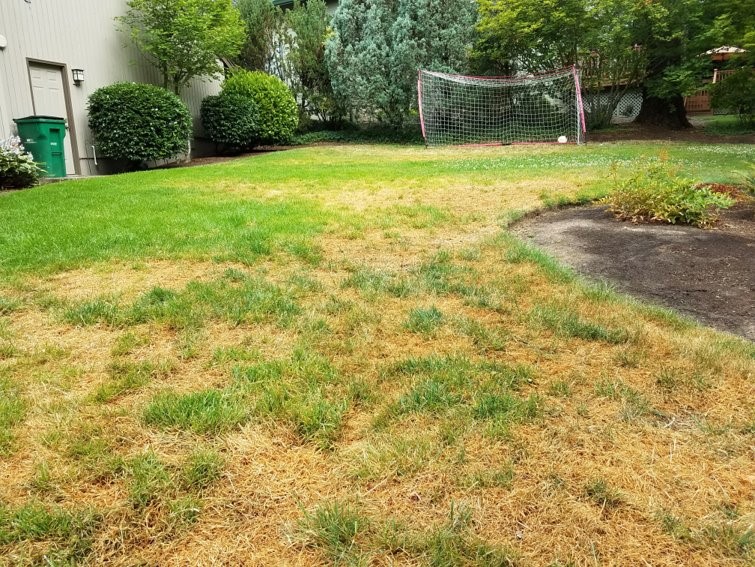
Image Source: www.landscapeeast.com
Common Culprits Behind Lawn Blemishes
Many things can turn your green grass brown. Let’s explore the most frequent offenders and how to spot them.
Drought Stress on Lawns: The Thirsty Culprit
Even in mild climates, extended periods without rain can lead to drought stress on lawns. When grass doesn’t get enough water, its blades will start to turn a dull, bluish-green before progressing to a straw-like brown.
Signs of Drought Stress:
- Wilting: Grass blades will lose their stiffness and appear droopy.
- Footprinting: When you walk on drought-stressed grass, the blades won’t spring back up quickly, leaving footprints that remain visible.
- Color Change: A gradual shift from green to gray-green, then to brown.
Solutions for Drought Stress:
- Deep, Infrequent Watering: Instead of light, frequent sprinklings, water your lawn deeply. This encourages deeper root growth, making the grass more resilient to dry spells. Aim for about 1 inch of water per week, delivered in one or two watering sessions.
- Adjust Mowing Height: Raise your mower blade. Taller grass shades the soil, reducing evaporation and helping the roots stay cooler and moister.
- Mulching Mower: Leave grass clippings on the lawn after mowing. They act as a natural mulch, retaining moisture.
- Watering Times: Water early in the morning. This minimizes water loss due to evaporation and reduces the risk of fungal diseases that thrive in damp conditions overnight.
Fungal Infections in Lawns: The Invisible Invaders
Fungal infections in lawns are a major contributor to brown patches. These microscopic organisms thrive in specific environmental conditions, often exacerbated by poor lawn care practices. Identifying the specific type of fungal infection is key to effective treatment.
Common Lawn Fungi and Their Symptoms:
- Brown Patch: Characterized by circular patches of brown, often with a darker brown border. The individual grass blades may have a “frosted” appearance.
- Dollar Spot: Small, straw-colored spots, about the size of a silver dollar, scattered across the lawn. You might see cobweb-like mycelium in the morning dew.
- Pythium Blight (Damping-off): Rapidly spreading, greasy-looking brown or black patches that can appear overnight, especially during hot, humid weather.
- Powdery Mildew: A white, powdery substance on the grass blades, which can eventually lead to yellowing and browning.
- Rust Fungi: Yellow or orange powdery spores on the grass blades, making the lawn look rusty and weak, often leading to browning.
Solutions for Fungal Infections:
- Improve Air Circulation: Thin out dense shrubs and trees around the lawn. Aerating the soil can also help.
- Proper Watering: Avoid overwatering, especially in the evening. Water deeply and less frequently.
- Dethatching: Excessive thatch (a layer of dead grass stems and roots) can trap moisture and provide a breeding ground for fungi.
- Fungicides: For severe or persistent infections, a fungicide may be necessary. Choose a fungicide appropriate for the specific fungal disease identified. Always follow label instructions carefully.
- Grass Selection: Some grass varieties are more resistant to fungal diseases than others. Consider overseeding with a more resilient type.
Table 1: Common Lawn Fungal Diseases and Their Characteristics
| Disease | Appearance | Best Conditions for Growth | Prevention Strategies |
|---|---|---|---|
| Brown Patch | Circular patches, straw-colored with dark brown border. | High humidity, warm temperatures | Proper watering, good air circulation, avoid excess nitrogen fertilization in hot weather. |
| Dollar Spot | Small, silver dollar-sized straw-colored spots. | Moderate temperatures, humidity | Balanced fertilization, adequate watering, dethatching. |
| Pythium Blight | Rapidly expanding, greasy-looking brown/black patches. | Hot, humid, wet conditions | Improve drainage, avoid overwatering, use resistant grass varieties. |
| Rust Fungi | Yellow/orange powdery spores on blades, leading to browning. | Moderate temperatures, dew | Balanced fertilization, proper watering, disease-resistant grass. |
Pest Damage to Grass: The Unwanted Guests
Tiny creatures can wreak havoc on your lawn, leaving behind brown spots on grass. Understanding lawn disease identification often includes recognizing the signs of insect activity.
Common Lawn Pests and Their Damage:
- Grubs: Larvae of beetles that feed on grass roots, causing irregular brown patches that can be easily lifted like a carpet.
- Chinch Bugs: Small insects that feed on grass blades, causing yellowing and browning, especially in sunny areas. They suck the sap from the grass.
- Sod Webworms: Caterpillars that feed on grass blades at night, leaving behind chewed-up, brown areas. You might see small, moth-like insects flying low over the lawn at dusk.
- Billbugs: These insects bore into grass stems and roots, causing wilting and brown patches.
Solutions for Pest Damage:
- Identification: Carefully inspect the affected areas. Look for insects, larvae, or signs of their feeding. A simple test is to cut a small plug of turf and examine the soil for grubs.
- Beneficial Nematodes: These microscopic worms are natural predators of grub larvae and other soil-dwelling pests.
- Insecticides: If infestations are severe, a targeted insecticide may be necessary. Choose a product appropriate for the specific pest and follow application instructions precisely.
- Cultural Practices: Healthy, well-maintained lawns are more resistant to pest damage. Proper watering, fertilization, and mowing help the grass recover more quickly.
Dog Urine Spots on Grass: The Four-Legged Menace
The nitrogen-rich urine from dogs can act like a fertilizer in concentrated amounts, but it’s too much of a good thing. Dog urine spots on grass create distinct brown patches, often surrounded by a ring of darker green grass where the urine was diluted.
Solutions for Dog Urine Spots:
- Encourage Watering: Train your dog to urinate in a designated area, preferably a mulched or gravel spot where it won’t harm the grass. If your dog frequently urinates on the lawn, hose down the affected areas immediately after they go to dilute the urine.
- Replenish the Soil: For existing spots, you can gently rake the area to break up any crusting. Then, reseed the brown patch with a good quality grass seed and water regularly until established. You can also add a soil amendment like gypsum to help neutralize the salts.
- Train Your Dog: Consistently redirect your dog to their designated potty area.
Mechanical Damage and Foot Traffic
Heavy foot traffic, the turning of lawnmowers, and even equipment like aerators can cause stress and damage to grass, leading to brown areas.
Solutions for Mechanical Damage:
- Traffic Management: If possible, limit heavy foot traffic on the lawn, especially during hot or dry periods. Create designated pathways if needed.
- Mower Maintenance: Ensure your mower blades are sharp. Dull blades tear grass, making it more susceptible to disease and browning. Adjust your mowing pattern to avoid excessive turning in the same spots.
- Aeration: Regularly aerating your lawn improves soil structure and air circulation, which can help the grass recover from compaction and stress.
Poor Watering Practices: Too Much or Too Little
As mentioned earlier, drought is a problem. However, overwatering is also a significant cause of grass health issues. Constantly wet soil can suffocate grass roots and create an environment where fungal diseases flourish.
Signs of Overwatering:
- Mushy Soil: The ground feels soft and waterlogged.
- Fungal Growth: Visible signs of fungal diseases like brown patch or dollar spot.
- Yellowing Grass: Overwatered grass can sometimes turn yellow before it browns.
Solutions for Watering Issues:
- Water Wisely: As discussed, water deeply and infrequently. Check soil moisture before watering. Stick your finger about 2 inches into the soil; if it feels dry, it’s time to water.
- Drip Irrigation or Soaker Hoses: These methods deliver water directly to the root zone, reducing surface moisture and evaporation.
- Improve Drainage: If your lawn consistently stays soggy, you may have drainage issues. Aeration and the addition of organic matter can help improve drainage over time.
Diagnosing and Treating Brown Patches: A Systematic Approach
When faced with brown spots on grass, a methodical approach to lawn disease identification and treatment is crucial.
Step 1: Close Examination
Get down on your hands and knees and inspect the brown patches closely.
- Shape and Size: Are the patches circular, irregular, or streaky?
- Texture: Does the grass feel dry, brittle, or matted?
- Surrounding Areas: Is there a distinct border? Are there any visible insects, webs, or fungal growth?
- Soil Moisture: Is the soil excessively wet or bone dry?
Step 2: Consider Recent Lawn Care Activities
Think about what you’ve done recently:
- Have you fertilized? What kind?
- Have you applied any pesticides or herbicides?
- Have you mowed? When was the last time the mower blade was sharpened?
- Have there been any recent heavy rains or prolonged dry spells?
Step 3: Identifying the Culprit
Compare your observations with the common causes discussed earlier.
- If you see circular patches with darker borders, it’s likely brown patch fungal disease.
- If you see small, scattered spots, consider dollar spot or chinch bugs.
- If the entire lawn looks dry and crispy, it’s probably drought stress.
- If you find thin, struggling grass with evidence of chewing or root damage, pests are a likely cause.
- Distinct, localized spots after your dog has been out, points to urine damage.
Step 4: Implementing Solutions
Once you have a good idea of the cause, implement the appropriate solutions:
- For Fungal Issues: Adjust watering, improve air circulation, and consider a fungicide if necessary.
- For Pest Issues: Use beneficial nematodes or targeted insecticides.
- For Drought Stress: Water deeply and infrequently, adjust mowing height.
- For Dog Urine: Water down spots, train your pet, and reseed as needed.
- For Mechanical Damage: Manage traffic, sharpen mower blades, and aerate.
Proactive Lawn Maintenance for Brown Patch Prevention
The best approach to dealing with brown patches is to prevent them from occurring in the first place. Consistent and correct lawn maintenance for brown patches is key.
Healthy Soil is Foundation
- Soil Testing: Get your soil tested to check its pH and nutrient levels. Adjustments can be made based on the results.
- Aeration: Regularly aerate your lawn to relieve soil compaction and improve air, water, and nutrient penetration to the roots.
- Dethatching: Remove excess thatch build-up, which can harbor diseases and hinder water and nutrient uptake.
Smart Watering Strategies
- Water deeply and infrequently. This encourages strong root systems.
- Water in the early morning to minimize evaporation and disease risk.
- Monitor rainfall and adjust your watering schedule accordingly.
Proper Mowing Techniques
- Mow at the correct height for your grass type. Taller grass is more drought-tolerant and shades out weeds.
- Keep mower blades sharp. This ensures a clean cut, which helps the grass heal faster and reduces the risk of disease.
- Don’t remove more than one-third of the grass blade at a time.
- Mulch your clippings to return nutrients and moisture to the soil.
Balanced Fertilization
- Fertilize at the right times of the year based on your grass type.
- Use a balanced fertilizer and follow the recommended application rates. Over-fertilization can damage grass and make it more susceptible to diseases and pests.
Overseeding for Resilience
- Overseed your lawn with disease-resistant grass varieties, especially in the fall. This helps fill in thin spots and improves the overall resilience of your lawn.
Frequently Asked Questions (FAQ)
Q1: How quickly can I fix brown patches?
A1: The speed of recovery depends on the cause and the treatment. Minor issues like drought stress might recover within days of proper watering. More severe fungal infections or pest infestations can take weeks or even months to fully resolve and require consistent treatment.
Q2: Can I just reseed over the brown patches?
A2: Yes, but it’s often best to address the underlying cause first. If it’s a fungal issue, reseeding without treating the fungus will likely result in the new grass developing the same problem. If it’s due to pet urine, you’ll need to amend the soil before reseeding. For simple drought stress, watering might be enough, but reseeding helps fill in damaged areas.
Q3: Is it safe to walk on my lawn if it has brown patches?
A3: Generally, yes, but avoid excessive walking or heavy equipment on stressed or damaged areas. Compacted soil can further stress the grass. If the brown patches are due to a fungal disease, avoid spreading spores to unaffected areas by cleaning your shoes after walking on them.
Q4: What is the best time of year to treat brown patches?
A4: Spring and fall are typically the best times for significant lawn repairs, including seeding and fertilizing. However, treating the cause of the brown patches should be done as soon as you identify it to prevent further damage.
Q5: My neighbor’s lawn is perfect, but mine always has brown spots. What am I doing wrong?
A5: Lawn care is a continuous process. Your neighbor might be employing specific lawn care tips or have a grass type that’s more suited to your local climate. Consider what they might be doing differently, such as their watering schedule, mowing height, or fertilization program. Sometimes, soil composition can also play a role.
By diligently observing your lawn, correctly identifying the causes of discoloration, and implementing the right solutions and consistent lawn maintenance for brown patches, you can restore your lawn to its former glory and maintain its health year-round.