
What makes so many mosquitoes appear in your yard? The primary reason is the presence of standing water, which provides ideal mosquito breeding grounds. Mosquitoes need water to lay their eggs and for their young, called mosquito larvae, to develop. If your yard has even small amounts of stagnant water, it can become a nursery for these pesky buzzing insects.
Mosquitoes are more than just a nuisance; they are significant outdoor pests that can carry diseases and cause irritating insect bites. Fathoming why your yard is a mosquito hotspot is the first step toward effective mosquito control. This comprehensive guide will delve into the common culprits, explain the mosquito lifecycle, and offer practical solutions to reclaim your outdoor space from these unwelcome visitors.
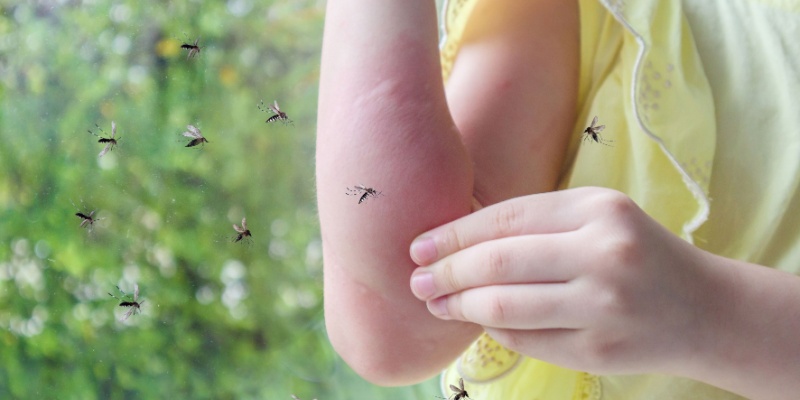
Image Source: triopestcontrol.com
The Allure of Your Yard: What Attracts Mosquitoes?
Mosquitoes aren’t just randomly appearing; they are drawn to specific conditions. Your yard might be a magnet for these flying pests due to a combination of factors, all revolving around their basic needs for survival and reproduction.
Essential Elements for Mosquito Survival
- Water is Life: As mentioned, water is non-negotiable for mosquitoes. Female mosquitoes deposit their eggs on or near water. These eggs hatch into larvae, which then develop into pupae, and finally emerge as adult mosquitoes. Without water, the mosquito lifecycle cannot continue.
- Food Sources: Adult mosquitoes, both male and female, feed on nectar from plants. However, only female mosquitoes bite animals and humans. They need the protein from blood meals to develop their eggs. They are attracted to us by the carbon dioxide we exhale, the heat our bodies radiate, and certain scents on our skin.
- Shelter and Resting Places: Adult mosquitoes prefer shady, humid areas to rest during the day. Dense vegetation, tall grass, and damp, shaded spots in your yard can provide them with the perfect hiding places.
Deciphering the Breeding Grounds: Where Do Mosquitoes Lay Their Eggs?
The key to tackling a mosquito problem lies in identifying and eliminating their breeding sites. Think of any container or area that can hold water as a potential mosquito nursery.
Common Backyard Breeding Sites:
- Containers and Vessels:
- Bird Baths: Unless changed frequently, these are prime breeding spots.
- Flower Pot Saucers: Water often collects in the trays beneath potted plants.
- Old Tires: Even a small amount of water trapped inside can support a mosquito population.
- Buckets and Cans: Left outdoors, these can fill with rainwater.
- Wheelbarrows: Similar to buckets, they can collect water.
- Children’s Toys: Inflatable pools, sandboxes with covers that collect water, and toys left out can become breeding grounds.
- Pet Water Bowls: If not cleaned and refilled daily, they can be a source.
- Natural Water Holders:
- Tree Holes: Cavities in trees can hold water for extended periods.
- Clogged Gutters: Leaves and debris can block gutters, causing water to pool.
- Puddles: Any depression in the ground that retains water after rain.
- Low-Lying Areas: Parts of your lawn that don’t drain well can become persistent puddles.
- Man-Made Structures:
- Uncovered Rain Barrels: While useful, they need to be properly screened.
- Pool Covers: Water can collect on top of pool covers.
- Boats and Tarps: Anything that can create a depression to hold water.
- Septic Tanks and Cisterns: If not properly sealed, these can be large breeding sites.
- Water Garden Features: Fountains and ponds can attract mosquitoes if not managed.
The Lifecycle of a Mosquito: From Water to Wing
Comprehending the mosquito’s lifecycle is crucial for effective control. Each stage has specific needs and vulnerabilities.
- Eggs: Female mosquitoes lay their eggs in or near water. Some species lay eggs individually, while others lay them in rafts. The eggs can survive for months in dry conditions, hatching only when they come into contact with water.
- Larva (Wiggler): Once hatched, the larvae live in the water. They feed on organic matter and microorganisms. Larvae need to come to the surface to breathe through a siphon, making them vulnerable to surface treatments. This stage typically lasts 4-14 days, depending on temperature.
- Pupa (Tumbler): The larva then transforms into a pupa. Pupae also live in water and breathe air at the surface. They do not feed during this stage but are very active. This stage can last 1-4 days.
- Adult: The adult mosquito emerges from the pupal skin at the water’s surface. After their wings dry, they fly off to feed and reproduce. Adult mosquitoes can live for several weeks.
Factors Influencing Mosquito Abundance
Beyond just the presence of water, several environmental factors can contribute to a surge in mosquito populations in your yard.
Environmental Triggers:
- Rainfall Patterns: Frequent or heavy rainfall can create numerous temporary breeding sites. Even a small amount of water left behind after rain can be enough for mosquitoes to breed.
- Temperature: Mosquitoes are cold-blooded insects, and their activity levels are highly dependent on temperature. Warmer temperatures accelerate their lifecycle. Most species are most active when temperatures are between 70-80°F (21-27°C). Extreme heat or cold can slow or halt their activity.
- Humidity: High humidity can help adult mosquitoes survive longer. They need moisture to stay hydrated.
- Shade and Vegetation: Dense foliage, overgrown bushes, and tall grass provide cool, humid resting spots for adult mosquitoes during the hottest parts of the day.
Targeted Mosquito Control Strategies
Effective mosquito control requires a multi-pronged approach, focusing on eliminating breeding sites and managing adult populations.
Eliminating Mosquito Breeding Grounds: The First Line of Defense
This is the most critical step. If you remove the water, you remove the problem at its source.
Actions to Take:
- Drain All Standing Water: Regularly inspect your yard for any containers that can hold water. Turn them over, empty them, or dispose of them properly. This includes checking:
- Bird baths (empty and scrub weekly)
- Flower pot saucers (empty after watering)
- Buckets, cans, and toys
- Clogged gutters (clean them regularly)
- Tires (dispose of them properly or store them indoors)
- Pet water bowls (clean and refill daily)
- Maintain Swimming Pools and Hot Tubs: Keep pools chlorinated and filtered. Cover them when not in use. Empty water that collects on pool covers.
- Treat Ponds and Water Features: For ornamental ponds or water features that cannot be drained, consider using larvicides specifically approved for mosquito control. Bacillus thuringiensis israelensis (Bti) is a biological control agent that is effective and safe for other wildlife.
- Improve Drainage: Fill in low-lying areas in your yard that collect water. Ensure downspouts direct water away from your house.
- Maintain Lawns and Gardens: Keep your grass mowed and trim dense vegetation. This reduces resting sites for adult mosquitoes.
Managing Adult Mosquitoes: When Breeding Site Elimination Isn’t Enough
Sometimes, despite your best efforts, adult mosquitoes will still be present. In these cases, you can employ strategies to reduce their numbers.
Options for Adult Mosquito Management:
- Mosquito Repellents: The most direct way to protect yourself from insect bites when outdoors is to use mosquito repellent. Look for products containing DEET, picaridin, IR3535, or oil of lemon eucalyptus. Apply them to exposed skin and clothing, following product instructions.
- Mosquito Traps: Various traps are available, often using attractants like CO2, heat, or octenol to lure mosquitoes into a device where they are killed.
- Insecticides (Use with Caution):
- Personal Sprays: Aerosol sprays can offer temporary relief from buzzing insects in a localized area.
- Yard Sprays: Insecticides can be applied to vegetation and shaded areas where adult mosquitoes rest. However, these should be used cautiously, as they can also harm beneficial insects like bees and butterflies. Consider targeted applications or professional pest control services if you opt for this route.
- Larvicides: As mentioned earlier, larvicides can be used in water bodies that cannot be drained, targeting mosquito larvae. These are often applied as granules or liquids.
Natural Methods and Prevention
Many people prefer to avoid chemical solutions. Fortunately, some natural methods can help deter mosquitoes.
Natural Approaches:
- Encourage Natural Predators: Dragonflies, bats, and certain birds are natural predators of mosquitoes. Creating a yard that attracts these creatures can help with population control. Consider installing a bat house or a bird bath that circulates water to deter mosquitoes.
- Plant Mosquito-Repelling Plants: Some plants are believed to have properties that repel mosquitoes, such as citronella, lavender, basil, rosemary, and marigolds. While planting these might offer some minor benefit, they are not a complete solution.
- Reduce Attractants:
- Limit Outdoor Lighting: Mosquitoes are attracted to lights. Consider using yellow “bug lights” or reducing the amount of light you use outdoors.
- Clean Up Debris: Remove leaf litter and overgrown vegetation that can harbor mosquitoes.
- Manage Pet Waste: Pet waste can attract mosquitoes, so clean up after your pets promptly.
When to Call the Professionals
If you’ve tried various mosquito control methods and are still overwhelmed by mosquitoes, it might be time to consult a professional pest control service.
Recognizing the Need for Professional Help:
- Persistent Problems: Despite diligent efforts to eliminate standing water and manage adult populations, the mosquito problem persists.
- Large Properties: If you have a large yard or multiple water features that are difficult to manage.
- Health Concerns: If you live in an area with a high risk of mosquito-borne diseases and are concerned about protecting your family.
- Identifying Specific Species: Professionals can identify the types of mosquitoes plaguing your yard and tailor treatments accordingly.
A professional pest control service can offer more potent treatments, specialized equipment, and expert advice on managing outdoor pests like mosquitoes. They can conduct thorough inspections, identify hidden breeding sites, and implement comprehensive control programs.
Protecting Yourself and Your Family
Beyond yard management, personal protection is vital to prevent insect bites and the potential transmission of diseases.
Personal Protection Measures:
- Wear Protective Clothing: When venturing into areas with high mosquito activity, wear long sleeves, long pants, socks, and closed-toe shoes. Light-colored clothing is less attractive to some mosquito species.
- Use Fans: Mosquitoes are weak fliers. Using fans on patios or decks can help keep them away by disrupting their flight.
- Stay Indoors During Peak Hours: Many mosquito species are most active at dawn and dusk. If possible, limit outdoor activities during these times.
- Screen Your Home: Ensure that window and door screens are in good repair, with no holes or tears, to prevent mosquitoes from entering your home.
Frequently Asked Questions About Mosquitoes in the Yard
Here are answers to some common questions regarding a mosquito invasion.
Q1: How quickly can mosquitoes breed in my yard?
Mosquitoes can go from egg to adult in as little as 7 to 10 days in warm weather. This means a small amount of standing water can quickly turn into a significant mosquito problem.
Q2: Are mosquitoes only attracted to dirty water?
No. While dirty water can provide more nutrients for mosquito larvae, they can breed in any clean standing water, such as bird baths or even fresh rainwater collected in containers.
Q3: Can I use a bug zapper to get rid of mosquitoes?
Bug zappers are generally not effective for mosquito control. They tend to kill a wide variety of beneficial insects and are not very efficient at targeting mosquitoes specifically.
Q4: What is the best time of day to treat my yard for mosquitoes?
It’s best to apply treatments, such as sprays or larvicides, in the early morning or late evening when adult mosquitoes are most active and when beneficial insects are less likely to be present.
Q5: Are there any natural remedies that truly work against mosquitoes?
While plants like citronella and lavender are often cited, their effectiveness as a natural mosquito repellent is generally localized and short-lived. The most effective natural approach is rigorous elimination of standing water and encouraging natural predators.
By diligently addressing the presence of standing water and implementing a comprehensive mosquito control plan, you can significantly reduce the number of buzzing insects in your yard and enjoy your outdoor spaces free from annoying insect bites and the threat of these persistent outdoor pests.