
Can you bury a trash can in your yard? Yes, you absolutely can, and it can be a remarkably smart way to manage your household waste. Burying a trash can, often referred to as an underground trash bin, offers a host of benefits that go beyond mere aesthetics. It’s a practical approach to waste disposal solutions that can enhance your outdoor living space and improve your overall quality of life.
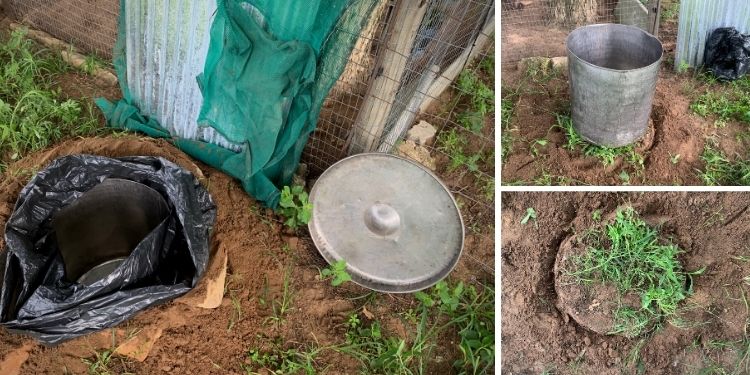
Image Source: www.askaprepper.com
Elevating Your Outdoor Experience Through Concealed Waste Management
Many homeowners face the challenge of unsightly trash cans detracting from their beautifully manicured lawns or welcoming patios. Traditional outdoor refuse bin placement can lead to visual clutter, attract unwanted attention, and sometimes even contribute to unpleasant odors. This is where the concept of a buried garbage can truly shines, transforming a common necessity into a seamless part of your landscape design. It’s a method of discreet trash storage that prioritizes both function and form, making your yard a more enjoyable and attractive place to be.
The Compelling Advantages of an Underground Trash Bin
Opting for an underground trash bin is more than just hiding your garbage; it’s about embracing a more sophisticated and effective approach to household waste. The benefits are numerous, touching on everything from appearance and convenience to hygiene and environmental impact.
Aesthetic Enhancement: A Seamlessly Integrated Solution
One of the most immediate and striking benefits of burying a trash can is the dramatic improvement in your yard’s appearance. No longer will bulky, often unattractive bins mar your view. An underground trash bin is designed to be integrated directly into the ground, with only a discreet opening or lid visible. This provides a clean, uncluttered look that allows your landscaping to take center stage. Whether you have a formal garden, a casual backyard, or a minimalist patio, this hidden garbage disposal system ensures your waste management efforts remain out of sight and out of mind. This contributes significantly to creating a more pleasant and inviting outdoor environment for you, your family, and any guests.
Odor Control: Keeping Your Yard Smelling Fresh
A major drawback of conventional trash cans, especially during warmer months, is the lingering smell of decomposing waste. This can be particularly problematic if your trash bins are located near living areas, outdoor dining spaces, or even frequently used pathways. An underground trash bin offers superior odor control due to its sealed nature and the insulating properties of the earth. When the lid is closed, the contained environment significantly reduces the escape of unpleasant smells into the surrounding air. This creates a much more enjoyable outdoor experience, free from the wafts of decaying food or other waste. For those who enjoy outdoor cooking or entertaining, this feature alone can be a game-changer.
Pest Deterrent: A Natural Barrier Against Unwanted Guests
Uncovered or poorly sealed trash cans are a beacon for a variety of pests, including rodents, insects, and scavenging animals. These creatures are not only a nuisance but can also pose health risks by spreading germs and diseases. A properly installed buried garbage can acts as a natural pest deterrent. The depth of the burial and the secure lid make it incredibly difficult for pests to access the waste. This significantly reduces the likelihood of attracting rats, raccoons, flies, and other common invaders, contributing to a cleaner and more hygienic outdoor space. This is particularly beneficial in areas prone to wildlife or where pest problems are a persistent concern.
Convenience and Accessibility: Effortless Waste Disposal
While the idea of burying a trash can might seem like a hassle, modern systems are designed for remarkable convenience. Many underground trash bin solutions feature integrated lift mechanisms or simple lid access, making disposal quick and easy. The waste is typically contained within a durable bin that can be easily removed for collection or taken to a central disposal point. This streamlines the process of taking out the trash and eliminates the need to drag heavy, overflowing bins across your lawn. The accessibility is often improved, especially for larger families generating more waste, as the system is always ready and waiting.
Yard Waste Management: A Dedicated Solution
Beyond household garbage, the concept extends to yard waste management. Dedicated underground trash bin systems can be used specifically for collecting grass clippings, fallen leaves, and other organic debris. This keeps your yard tidy and provides a convenient spot for accumulating materials that can later be composted or disposed of. Some systems even integrate with composting bin designs, allowing for a more holistic approach to waste reduction and resourcefulness on your property. Managing yard waste separately can prevent your main trash bins from filling up too quickly and can simplify the composting process.
Durability and Longevity: A Long-Term Investment
When installed correctly with appropriate materials, an underground trash bin can be a very durable and long-lasting solution. The bins themselves are typically made from robust, weather-resistant materials like high-density polyethylene (HDPE), designed to withstand the pressures of the surrounding soil and moisture. Unlike traditional plastic bins that can degrade in sunlight or become brittle in cold weather, an underground trash bin is protected by its buried environment. This translates to a longer lifespan and less frequent replacement, making it a cost-effective waste disposal solution in the long run.
Types of Buried Trash Can Systems
The world of buried garbage can systems isn’t one-size-fits-all. There are several approaches you can take, ranging from DIY setups to professionally installed units. Each has its own set of considerations regarding cost, installation, and functionality.
Pre-fabricated Underground Bin Systems
These are purpose-built units designed specifically for underground trash bin applications. They typically consist of a durable outer shell that is partially buried, with an inner removable liner or bin.
- Key Features:
- Designed for easy installation.
- Often include integrated lids with various opening mechanisms (e.g., foot pedal, push button).
- Made from robust, weather-resistant materials.
- Can be purchased in various sizes to accommodate different waste volumes.
- Some are specifically designed for dual-stream waste or composting bin integration.
DIY Buried Trash Can Solutions
For the more hands-on homeowner, a DIY approach can be a cost-effective way to implement a hidden garbage disposal system. This usually involves adapting a standard heavy-duty trash can or purchasing a larger, purpose-built container.
- Considerations:
- Requires careful excavation and ensuring proper drainage.
- Need to reinforce the ground around the opening to prevent collapse.
- May involve creating a custom lid or modifying an existing one for better sealing.
- Durability can vary depending on materials and construction quality.
- Requires a good understanding of soil mechanics and weatherproofing.
Dedicated Yard Waste Bins
Some systems are specifically designed for yard waste management, often featuring larger capacities and ventilation to aid in decomposition if used for composting.
- Benefits for Yard Waste:
- Keeps unsightly yard debris out of view.
- Can be placed strategically near garden areas.
- Facilitates easier collection for composting or municipal pickup.
- Aiding in the decomposition of organic materials through controlled environment.
The Installation Process: Digging In for a Cleaner Yard
Installing an underground trash bin requires careful planning and execution. While the specific steps can vary depending on the system chosen and your yard’s characteristics, here’s a general overview of the process:
Site Selection: Finding the Perfect Spot
- Considerations:
- Accessibility: Ensure easy access for yourself and for waste collection services if applicable. Avoid areas that are difficult to reach or might require extensive landscaping to access.
- Drainage: Choose a location that does not collect water. Poor drainage can lead to the bin filling with water, causing potential damage and increasing odor issues.
- Utilities: Before digging, always call your local utility companies to mark underground lines (gas, water, electricity, cable). This is a crucial safety step.
- Proximity to Living Areas: While the goal is to hide it, consider how close it will be to your home, patio, or seating areas to maximize the odor control benefits.
- Soil Type: Sandy or rocky soil might require different excavation techniques than clay soil.
Excavation: Digging the Hole
- Steps:
- Mark the Area: Outline the dimensions of the hole based on the size of your chosen bin, adding a few extra inches for maneuvering and backfilling.
- Dig: Excavate the hole to the required depth. Ensure the sides are relatively straight and stable.
- Level the Base: Create a firm, level base for the bin. Some systems may require a gravel or concrete pad for added stability.
Preparing the Bin: Setting Up for Success
- If using a pre-fabricated system: Follow the manufacturer’s instructions for assembly and preparation. This might involve attaching a lid mechanism or securing an inner liner.
- If using a DIY approach: Ensure your chosen container is sturdy and suitable for burial. Consider drilling drainage holes at the bottom if they don’t already exist, but be mindful of how this might affect odor control.
Placement and Backfilling: Securing Your Underground Bin
- Positioning: Carefully lower the bin into the excavated hole. Ensure it is level and sits securely on its base.
- Backfilling: Gradually backfill the space around the bin with soil. Compact the soil as you go to prevent settling later. Leave the top of the bin flush with or slightly below ground level, depending on the design. The opening mechanism should be easily accessible.
Finishing Touches: Camouflaging Your Bin
- Lid Integration: Ensure the visible lid is seamlessly integrated into your landscaping. This might involve placing decorative rocks around it, planting low-lying ground cover, or using a specially designed camouflage lid.
- Surface Restoration: Restore the surrounding ground surface, perhaps with sod, mulch, or gravel, to blend the area with the rest of your yard.
Maintaining Your Buried Garbage Can: Keeping It Functional
While underground trash bin systems are designed to be low-maintenance, some regular care ensures they function optimally and continue to provide their benefits.
Regular Emptying: The Core of Waste Management
- Frequency: Empty the bin regularly based on your household’s waste production. Overfilling can reduce the effectiveness of odor control and make removal difficult.
- Method: Remove the inner liner or bin, secure the waste, and dispose of it properly.
Cleaning the Bin: Hygiene is Key
- Periodic Washing: Even though it’s buried, the bin itself can benefit from occasional cleaning. This is especially important if there are leaks or if spills occur during emptying.
- Deodorizing: You can use mild disinfectants or odor-neutralizing products to keep the bin fresh.
Inspecting for Damage: Proactive Problem Solving
- Check for Cracks or Leaks: Periodically inspect the bin for any signs of damage that could compromise its integrity or lead to soil contamination.
- Drainage Check: Ensure that drainage holes (if present) are clear and not blocked.
When is a Buried Trash Can the Right Choice?
The decision to invest in an underground trash bin or implement a buried garbage can system is a personal one, but certain situations make it particularly advantageous.
For the Discerning Homeowner
If you take pride in your property’s appearance and want to eliminate visual clutter, a hidden garbage disposal system is ideal. It’s for those who appreciate neatness and a polished look.
For Properties with Wildlife Concerns
In areas where raccoons, bears, or other animals are common, a secure buried garbage can offers superior pest deterrent capabilities compared to traditional bins.
For Properties with Limited Space
If your yard is on the smaller side or you have strict HOA regulations regarding the appearance of trash bins, burying them is an excellent way to maximize usable space and meet aesthetic requirements.
For Enhanced Odor Management
If you entertain outdoors frequently or live in a warm climate where odors are more pronounced, the odor control benefits of an underground trash bin are significant.
For a More Hygienic Outdoor Environment
By keeping pests away and containing waste more securely, a buried system contributes to a healthier and more hygienic outdoor living space.
Alternatives and Considerations
While burying a trash can is a smart solution, it’s important to consider other waste disposal solutions and factors that might influence your decision.
- High-Quality Wheeled Bins: Investing in sturdy, well-designed wheeled bins with tight-fitting lids can offer some improvement in aesthetics and odor control, though they won’t provide the complete concealment of a buried system.
- Decorative Bin Enclosures: These structures can hide standard trash cans, offering a more attractive facade than an exposed bin. However, they can still contribute to odors and pest attraction if not properly maintained.
- Composting: For organic waste, a dedicated composting bin is an excellent way to reduce landfill waste and create valuable soil amendment. This can be used in conjunction with or instead of a buried trash system for specific waste streams.
- Municipal Services: Check with your local waste management services. Some municipalities have specific regulations or recommendations for how waste should be stored, especially if you’re considering alternative disposal methods.
The Smart Way to Manage Your Waste
Burying a trash can is a waste disposal solution that offers a blend of practicality and elegance. It’s about taking an everyday necessity and transforming it into an unobtrusive element of your home. From the immediate aesthetic upgrade to the long-term benefits of odor control and pest deterrent, the advantages are clear. Whether you opt for a professional system or a clever DIY approach, an underground trash bin represents a step towards a cleaner, tidier, and more enjoyable outdoor living space. It’s a testament to how smart design and thoughtful implementation can enhance even the most basic aspects of home management. The buried garbage can is not just about hiding trash; it’s about elevating your lifestyle.
Frequently Asked Questions (FAQ)
Q1: Will burying a trash can cause any environmental issues?
A1: When installed correctly with a durable, leak-proof bin, an underground trash bin should not cause environmental issues. The primary concern would be leakage, which can be mitigated by using high-quality containers and ensuring proper installation. Many modern systems are designed with this in mind.
Q2: Can I bury a regular household trash can?
A2: While you can adapt a regular heavy-duty trash can for burial, it’s often not ideal. Standard cans may not be robust enough to withstand soil pressure over time, and they may lack effective sealing for odor control and pest deterrent. Dedicated underground trash bin systems or heavy-duty, reinforced containers are recommended.
Q3: How do I ensure proper drainage for an underground trash bin?
A3: Site selection is key. Choose a location that naturally drains well. For the bin itself, some systems have built-in drainage holes at the bottom. If you are creating a DIY system, consider adding a layer of gravel at the base of the hole for improved drainage, or ensure your chosen bin has effective drainage.
Q4: What are the costs associated with an underground trash bin?
A4: Costs can vary significantly. Pre-fabricated underground trash bin systems can range from a few hundred to over a thousand dollars, depending on size, features, and brand. DIY solutions can be cheaper if you have the tools and materials readily available, but professional installation will add to the cost of any system.
Q5: Will the trash collector be able to empty my buried garbage can?
A5: This depends on your local waste collection services. Some services are equipped to handle underground trash bin systems, especially if they are designed with accessible lids. It’s essential to check with your waste disposal company beforehand to ensure they can service your hidden garbage disposal setup. If not, you may need to manually remove the inner bin for collection.