
Your lawn mower is a vital tool for a tidy yard. When it refuses to start, it can be frustrating. Why won’t my lawn mower start? Most often, it’s due to a simple issue with the fuel, spark, or air supply, or sometimes a problem with the battery or starter. This guide will walk you through common reasons your mower might be giving you trouble and how to fix them.
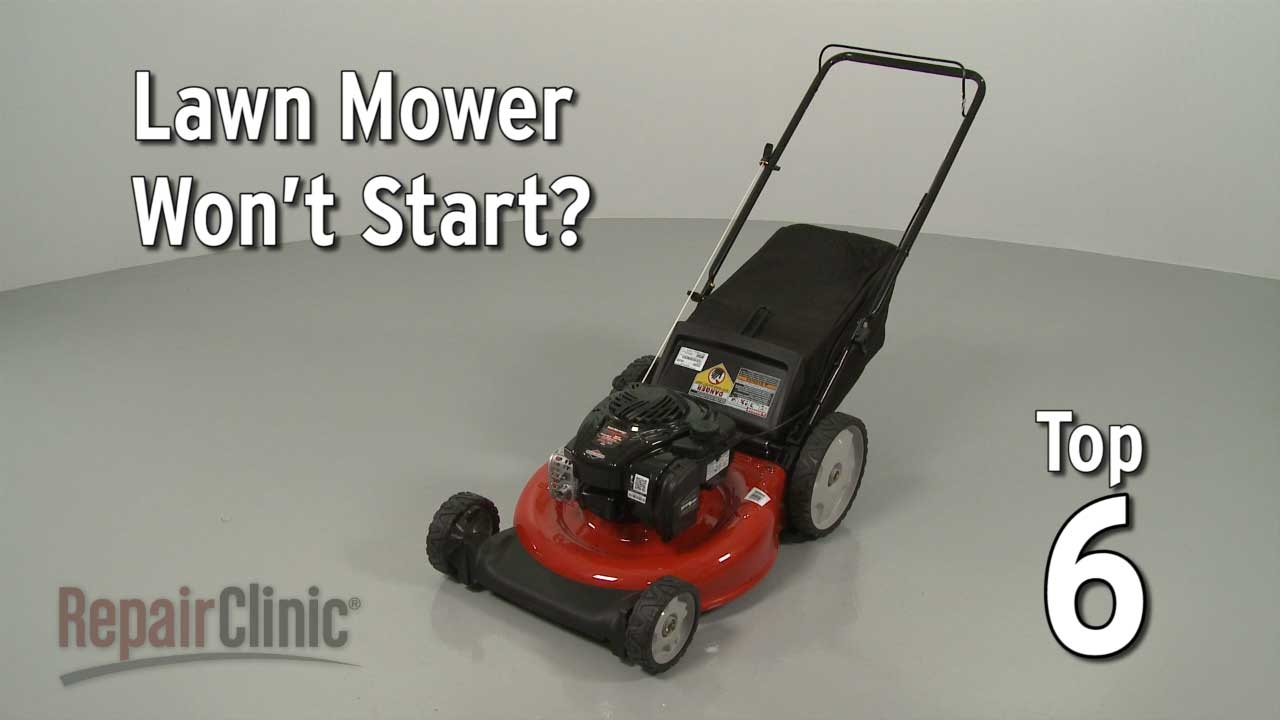
Image Source: i.ytimg.com
Is Your Mower Getting Enough Gas?
The most basic reason for a mower not starting is a lack of fuel. It sounds simple, but it’s a common oversight.
Checking the Fuel Tank
- Is there gas in the tank? Double-check the fuel level. Sometimes the gauge can be a little off, or you might have simply forgotten to fill it up.
- Is the gas fresh? Gasoline can go bad. If the gas has been sitting in the tank for more than a month, especially without a fuel stabilizer, it might have lost its octane and can gum up the engine. Old gas is a frequent culprit for starting problems.
Adding Fresh Gas
If your tank is low or the gas is old, here’s how to handle it:
- Turn off the mower. Make sure the engine is cool.
- Locate the fuel cap. It’s usually on top of the fuel tank.
- Open the cap. You might hear a hiss if there’s pressure in the tank.
- Add fresh gasoline. Use the type recommended in your owner’s manual. Do not overfill.
- Replace the fuel cap securely.
The Spark Plug: The Heart of the Ignition
The spark plug is crucial for igniting the fuel-air mixture in your mower’s engine. If it’s dirty, worn, or not properly connected, your mower won’t start.
Inspecting the Spark Plug
- Disconnect the spark plug wire. Gently pull the boot off the spark plug. Never pull the wire itself; pull the boot.
- Remove the spark plug. You’ll need a spark plug wrench. Turn it counter-clockwise.
- Examine the spark plug. Look for:
- Fouling: Black, sooty deposits or oily residue on the tip.
- Corrosion: Rust or damage to the electrodes.
- Cracks: Any damage to the ceramic insulator.
- Gap: The distance between the electrodes.
Cleaning or Replacing the Spark Plug
- Cleaning: If the spark plug is only slightly fouled, you can clean it with a wire brush and a bit of carburetor cleaner. Ensure it’s completely dry before reinstalling.
- Replacing: If the spark plug is heavily fouled, damaged, or worn, it’s best to replace it. They are inexpensive and readily available at hardware stores. Make sure to get the correct type for your mower model.
Reinstalling the Spark Plug
- Check the gap. Use a spark plug gap tool to set the correct gap as per your mower’s manual.
- Thread the new or cleaned spark plug in by hand. This prevents cross-threading.
- Tighten with a spark plug wrench. Don’t overtighten, but make sure it’s snug.
- Reconnect the spark plug wire. Push the boot firmly onto the spark plug until it clicks.
Fuel System Issues: The Carburetor and Fuel Filter
If your mower has fuel and a good spark, the problem might be in the fuel delivery system.
The Fuel Filter: A Clogged Gatekeeper
The fuel filter prevents debris from entering the carburetor. If it gets clogged, fuel flow will be restricted.
Replacing a Fuel Filter
- Locate the fuel filter. It’s usually in the fuel line between the tank and the carburetor.
- Turn off the fuel supply. Some mowers have a shut-off valve on the fuel line. If not, you may need to tilt the mower carefully or disconnect the fuel line (be prepared for some minor fuel spillage).
- Clamp the fuel line. Use pliers or a fuel line clamp to stop fuel from flowing out of the line connected to the old filter.
- Remove the old filter. It might be held in place by clamps.
- Install the new filter. Ensure the arrow on the filter (if present) points in the direction of fuel flow (towards the carburetor).
- Remove the clamps.
- Turn on the fuel supply and check for leaks.
The Carburetor: The Engine’s Mixer
The carburetor mixes fuel and air to create the combustible mixture. A clogged or dirty carburetor is a very common reason for a mower not starting or running poorly.
Cleaning the Carburetor
Cleaning a carburetor can be a bit more involved. Here are the general steps:
- Disconnect the fuel line from the carburetor.
- Remove the carburetor from the engine. This usually involves removing a few bolts and the intake manifold.
- Disassemble the carburetor. Note the order of parts, as they need to go back in the same way.
- Clean all parts. Use a carburetor cleaner spray and small brushes or picks to remove any gum, dirt, or debris from jets, orifices, and passages.
- Inspect the float and needle valve. Make sure they move freely and are not damaged.
- Reassemble the carburetor.
- Reinstall the carburetor onto the engine.
- Reconnect the fuel line.
Important Note: If you’re not comfortable with carburetor disassembly, it’s often best to have a small engine repair shop do it.
Airflow: Giving the Engine a Breath
Just like humans need to breathe, your mower’s engine needs air. A dirty air filter can prevent it from getting enough.
Checking the Air Filter
- Locate the air filter housing. It’s usually a plastic box on the side of the engine.
- Open the housing. This often involves clips or a screw.
- Remove the air filter.
- Inspect the filter. If it looks clogged with dirt, grass clippings, or oil, it needs attention.
Cleaning or Replacing the Air Filter
- Paper filters: If the filter is paper, you can often tap it gently to remove loose debris. If it’s heavily soiled, it’s best to replace it. Do not wash paper filters with water or solvents.
- Foam filters: Foam filters can often be washed with soap and water, squeezed out, and allowed to dry completely. Once dry, lightly saturate it with clean engine oil and squeeze out the excess before reinstalling.
The Starter System: Getting the Engine to Turn
If your mower doesn’t even try to crank, the problem likely lies in the starter system.
Battery Power (Electric Start Mowers)
For mowers with electric start:
Checking the Battery
- Is the battery charged? If the mower makes a clicking noise or no noise at all when you try to start it, the battery might be dead or low on charge.
- Are the terminals clean and tight? Corrosion on the battery terminals can prevent a good connection. Clean them with a wire brush and ensure the cables are securely attached.
Charging or Replacing the Battery
- Charge the battery using an appropriate battery charger.
- If the battery is old or doesn’t hold a charge, it may need to be replaced.
Pull Cord Issues (Recoil Starter)
If your mower has a pull cord:
- Is the cord stuck? Sometimes the recoil mechanism can jam. Try gently pulling the cord a few times.
- Is the cord broken? If the cord is frayed or broken, it will need to be replaced. This is a more involved repair that might require disassembling the starter housing.
Oil Level: The Engine’s Lifeblood
While low oil usually causes an engine to seize or overheat, a faulty oil sensor or extremely low oil could, in some models, prevent starting as a safety feature. Always check your owner’s manual for specific safety cut-offs.
Checking the Oil Level
- Ensure the mower is on a level surface.
- Locate the oil dipstick.
- Remove the dipstick, wipe it clean, and reinsert it fully.
- Remove the dipstick again and check the oil level against the markings.
- Add the correct type and amount of oil if the level is low.
Other Potential Problems
Beyond the common issues, here are a few other things to consider.
Safety Features
Most modern lawn mowers have safety features that prevent starting under certain conditions.
- Brake handle engaged? Many mowers require you to hold down a safety bar or lever on the handle before starting. Make sure this is engaged correctly.
- Deck engaged? Some mowers will not start if the blade is engaged.
- Blade obstruction? Ensure nothing is jamming the blade.
Ignition System Problems
While less common than fuel or spark plug issues, problems with the ignition coil or wiring could prevent a spark. This is usually a more complex diagnosis.
Engine Seized
If the engine doesn’t turn over at all, even with the spark plug removed, it might be seized. This often happens due to lack of oil or severe internal damage. This is a serious issue that typically requires professional repair or replacement.
Troubleshooting Steps: A Systematic Approach
When your mower won’t start, follow a logical troubleshooting process.
Step-by-Step Checklist
- Check the basics:
- Is there enough fresh gas?
- Is the spark plug wire connected?
- Is the safety bar engaged?
- Inspect the spark plug: Clean or replace if necessary.
- Check the air filter: Clean or replace if dirty.
- Inspect the fuel system:
- Is the fuel flowing freely?
- Is the fuel filter clean?
- Is the carburetor likely clean? (Consider cleaning if other steps fail).
- Electric start: Check the battery charge and terminals.
- Pull cord: Ensure the cord moves freely.
When to Call a Professional
If you’ve gone through these steps and your mower still won’t start, or if you’re uncomfortable performing any of these checks, it’s time to consult a qualified small engine repair technician. They have the tools and expertise to diagnose and fix more complex issues.
Frequently Asked Questions (FAQ)
Q1: How often should I change my lawn mower’s oil?
A1: It’s generally recommended to change your lawn mower’s oil at least once per mowing season, or after every 25-50 hours of operation, whichever comes first. Always refer to your owner’s manual for specific recommendations for your model.
Q2: Can I use any type of gas in my lawn mower?
A2: It’s best to use fresh, unleaded gasoline with an octane rating of 87 or as specified in your owner’s manual. Avoid using E85 or ethanol blends higher than 10% (E10), as these can damage fuel system components over time. Always use a fuel stabilizer if you plan to store the mower for an extended period.
Q3: My mower starts but then dies quickly. What could be the problem?
A3: This is often a sign of a fuel delivery issue. The carburetor might be partially clogged, the fuel filter could be restricting flow, or there might be water in the fuel. Ensure you have fresh gas and that the fuel system is clear.
Q4: What’s the difference between a gas mower and a battery-powered mower?
A4: Gas mowers use gasoline to power an internal combustion engine, offering more power and runtime for larger yards. Battery-powered mowers use rechargeable batteries, offering a quieter, emission-free operation, but typically have a shorter runtime and less power, making them best for smaller to medium-sized yards.
Q5: My electric start mower just clicks when I try to start it. What does that mean?
A5: The clicking sound usually indicates a weak or dead battery. It means the starter solenoid is engaging, but there isn’t enough power to turn the engine over. Check the battery’s charge and ensure the terminals are clean and the connections are secure.
Summary Table of Common Starting Problems
| Problem Area | Possible Cause | Simple Fix |
|---|---|---|
| Fuel System | No gas, old gas, clogged fuel filter, dirty carburetor | Refill with fresh gas, replace filter, clean carburetor |
| Ignition System | Dirty, fouled, or worn spark plug; bad connection | Clean or replace spark plug, check plug wire connection |
| Air Intake | Clogged air filter | Clean or replace air filter |
| Starter System | Dead battery (electric start), faulty starter | Charge or replace battery, clean terminals |
| Jammed recoil starter (pull cord) | Gently manipulate cord, check recoil mechanism | |
| Oil Level | Very low oil (some models have safety cutoff) | Top off with correct oil |
| Safety Features | Safety bar not engaged, blade obstruction | Engage safety bar, clear blade obstruction |
By systematically working through these potential issues, you can often get your lawn mower up and running again without needing a professional. Remember to always consult your owner’s manual for specific instructions related to your mower model.