
Are you seeing more crows in your yard lately? Crows are attracted to your yard primarily because they find food, water, shelter, or nesting opportunities there. Their presence is often a sign that your yard provides something valuable to them.
Crows are intelligent and adaptable birds, and their presence in our yards can be both fascinating and sometimes a nuisance. If you’re finding yourself asking, “Why are crows in my yard?”, you’re not alone. These common crow sightings are usually linked to specific environmental factors that draw them in. Let’s delve into the fascinating world of crow behavior and explore the common reasons for crows gathering in your space, and what you can do about it.
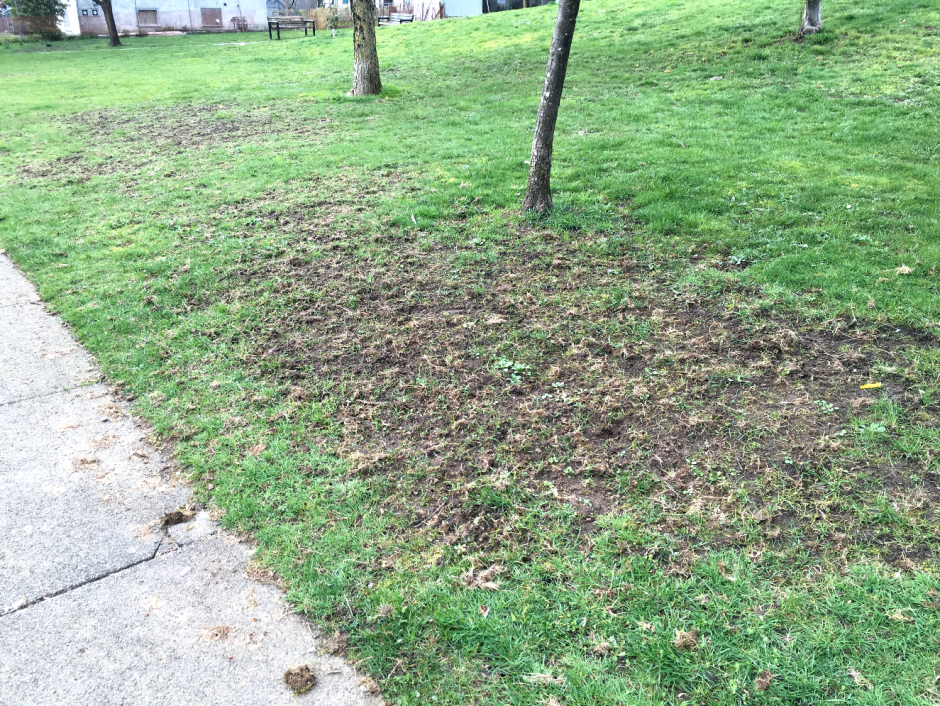
Image Source: botanicalgarden2015.sites.olt.ubc.ca
The Allure of Your Yard: What Draws Crows In?
Crows, members of the corvid family, are opportunists. Their attraction to a particular area is rarely accidental. They are drawn by a combination of essential needs: food, water, safety, and social opportunities. Fathoming their motivations requires looking at your yard through their sharp, intelligent eyes.
1. A Smorgasbord of Food: Crow Feeding Habits
The most significant driver for corvid presence is readily available food. Crows are omnivorous and have diverse crow feeding habits. They will eat almost anything, from insects, seeds, and fruits to carrion, garbage, and even pet food left outdoors.
- Insects and Grubs: If your lawn or garden is teeming with earthworms, grubs, or other invertebrates, it’s a prime food source. Crows are adept at digging and pecking for these protein-rich meals.
- Spilled Seeds and Grains: Bird feeders intended for smaller birds can inadvertently attract crows if seeds spill onto the ground. Crows are strong enough to raid feeders directly, especially larger ones designed for larger birds.
- Fruits and Berries: Mature fruit trees or bushes laden with berries can be a major crow attraction, especially during late summer and fall.
- Garbage and Compost: Unsecured garbage cans or compost bins are a treasure trove for crows. The smell of decaying food is a powerful attractant.
- Pet Food: Leaving pet food outdoors, particularly kibble or scraps, is an open invitation. Crows are not shy about scavenging from pet bowls.
- Discarded Food: Picnic areas, outdoor dining spaces, or even carelessly discarded fast food wrappers can provide a quick meal.
2. The Siren Song of Water: Essential for Survival
Like all birds, crows need a reliable water source. This is especially crucial during dry spells.
- Bird Baths: A clean, accessible bird bath is a powerful crow attraction. They use it not only for drinking but also for bathing and cooling off.
- Ponds and Water Features: Natural or man-made ponds, fountains, or even puddles can draw crows to your yard.
- Leaky Faucets or Hoses: Unattended dripping faucets or sprinklers can create small, irresistible water sources.
3. A Safe Haven: Shelter and Roosting Spots
Crows seek areas that offer protection from predators and harsh weather.
- Mature Trees: Tall, mature trees with dense foliage provide excellent roosting spots, especially in large numbers. Crows often gather in large communal roosts during the non-breeding season.
- Dense Shrubs and Bushes: Thick vegetation can offer cover and nesting sites.
- Chimneys and Eaves: In urban and suburban areas, crows might find sheltered spots under eaves or even in unused chimneys.
4. Social Butterflies: The Appeal of Crow Gatherings
Crows are highly social birds. They often gather in groups for safety, to share information about food sources, and for social bonding. If a few crows find your yard appealing, their presence can quickly attract more.
- Communal Roosting: As mentioned, large numbers of crows may congregate in specific areas to roost at night, especially outside of the breeding season. If your yard is near such a roost, you might see increased activity.
- Scouting and Information Sharing: A single crow spotting a good food source can alert others, leading to more common crow sightings in the vicinity.
- Protection in Numbers: Larger groups offer greater protection against predators like hawks and owls.
5. Nesting Opportunities: Raising the Next Generation
During the breeding season (typically spring and early summer), crows will actively seek out suitable locations to build nests and raise their young.
- Tall Trees with Sturdy Branches: These are ideal for constructing large, twiggy nests.
- Dense Shrubs: Smaller pairs might opt for thicker, more concealed nesting sites.
Deciphering Crow Behavior: What Are They Doing?
Observing crow behavior can offer clues as to why they are in your yard. Their actions are usually driven by their immediate needs and the resources available.
Common Crow Activities Observed
- Foraging: This involves actively searching the ground, trees, or garbage for food. You might see them pecking, digging, or turning over objects.
- Roosting: In the evening, crows will fly to communal roosting sites. You might see large numbers of crows arriving in your area before settling down for the night.
- Socializing: Crows engage in complex social interactions, including vocalizations, chases, and what appears to be play.
- Bathing and Drinking: Look for them at water sources, dipping their beaks or splashing in water.
- Courtship and Nesting: During breeding season, you might witness courtship displays or see them carrying nesting materials.
- Mobbing: Crows are known to mob predators, like hawks or owls, by gathering around them and vocalizing loudly. If you see this, a predator might be nearby.
Addressing Crow Issues: Effective Deterrence Strategies
If the corvid presence is becoming problematic, there are several humane and effective crow deterrence methods you can employ. The key is to make your yard less appealing by removing attractants and introducing deterrents.
Removing Attractants: The First Line of Defense
The most crucial step in deterring crows is to eliminate what is drawing them in.
- Secure Your Garbage: Use trash cans with tight-fitting lids. Consider metal cans or those with locking mechanisms. Rinse food containers before discarding them to reduce odors.
- Manage Compost: Ensure your compost bin is secure. Avoid adding meat scraps or dairy products that are particularly attractive.
- Pick Up Fallen Fruit: Regularly clear away ripe or fallen fruit from trees and bushes.
- Control Pet Food: Never leave pet food or water bowls outside, especially overnight. Feed pets indoors or remove uneaten food promptly.
- Clean Up Spills: If you feed birds, use feeders that minimize seed spillage or sweep up any spilled seed regularly. Consider baffles that prevent larger birds like crows from accessing feeders.
- Eliminate Water Sources: If possible, cover or empty bird baths when not in use, especially if crows are a significant problem. Fix leaky faucets.
- Remove Nesting Material: While you can’t remove all natural nesting materials, avoid leaving loose strings, pet hair, or other soft materials easily accessible.
Introducing Deterrents: Making Your Yard Less Inviting
Once attractants are managed, you can introduce physical or sensory deterrents.
Visual Deterrents
These rely on startling crows or making them perceive danger. Their effectiveness often wanes as crows become accustomed to them. Rotating or combining deterrents is recommended.
- Scare Tapes or Reflective Objects: Shiny, reflective materials like Mylar balloons, old CDs, or specialized scare tape can flash and move in the wind, startling crows. Hang them in areas where crows frequent.
- Decoys: Plastic owls, hawks, or even predator balloons can be effective initially. However, crows are intelligent and will soon recognize them as fake if they remain stationary. Move decoys frequently.
- Human Presence: Simply being in the yard, making noise, and waving your arms can deter crows, especially if done consistently.
- Netting: For specific valuable plants or fruit trees, fine mesh netting can provide physical protection.
Auditory Deterrents
These use sound to scare crows away.
- Noise Makers: Occasional loud noises, like banging pots and pans or using an air horn, can be effective. However, this can be disruptive to neighbors.
- Predator Calls or Distress Calls: Recordings of hawk calls or crow distress calls can sometimes deter them. Again, crows may habituate to these sounds over time.
Physical Barriers and Modifications
- Pruning: Trim dense shrubs or lower branches of trees that provide ideal nesting or roosting sites, making them less attractive.
- Exclusion: For specific areas like gardens, consider fencing or netting to prevent access.
Considerations for Crow Migration Patterns and Seasonal Changes
It’s important to note that crow presence can fluctuate throughout the year, influenced by crow migration patterns and seasonal availability of resources.
- Winter Roosts: During winter, crows often form massive communal roosts, sometimes numbering in the hundreds of thousands. If your property is near a traditional roosting site, you might experience increased activity, particularly in the late afternoon and early morning.
- Breeding Season: In spring and early summer, the focus shifts to nesting and raising young. While they may still forage in yards, their territorial behavior might be more pronounced.
- Fall Foraging: As food sources become scarcer in some areas, crows may actively seek out readily available food in suburban and urban environments.
Understanding Crows: A Balanced Perspective
While dealing with nuisance crows can be frustrating, it’s worth remembering that these birds are highly intelligent, socially complex, and play an important role in the ecosystem. They are nature’s clean-up crew, consuming insects and carrion.
Table: Common Crow Attractants and Corresponding Solutions
| Attractant Type | Specific Examples | Recommended Solutions |
|---|---|---|
| Food Sources | Unsecured garbage, spilled birdseed, pet food, fallen fruit, compost bins | Secure lids, clean up spills, feed pets indoors, clear fallen fruit, secure compost bins. |
| Water Sources | Bird baths, ponds, dripping faucets | Cover bird baths when not in use, fix leaks, empty standing water. |
| Shelter/Roosting | Dense trees, thick shrubs | Prune dense foliage, remove accessible nesting materials. |
| Social Gatherings | Existing crow presence, food discovery | Remove attractants, introduce deterrents. |
Frequently Asked Questions (FAQ)
Q1: Are crows harmful to my garden or plants?
While crows can eat seeds and some garden insects, they are generally not considered major pests for gardens. They can be beneficial by eating insect pests. If they are eating seeds or young seedlings, deterrents like netting or shiny objects can help.
Q2: Can I feed crows?
While it’s generally discouraged to intentionally feed crows if you are trying to deter them, if you wish to provide supplemental food, do so sparingly and in a controlled manner away from your main living areas. Be aware that feeding them will likely attract more.
Q3: What is the best time of day to see crows?
Crows are typically most active in the morning and late afternoon as they leave and return to their roosting sites. They are also active throughout the day foraging for food.
Q4: Are crows aggressive towards people?
While crows can be bold, they are not typically aggressive towards humans unless they perceive a direct threat to themselves, their nests, or their young. During nesting season, they may “mob” perceived threats, which involves vocalizing loudly and dive-bombing.
Q5: How can I humanely deter crows?
The most humane methods involve removing attractants (food, water, shelter) and using visual or auditory deterrents that startle them without causing harm. Avoid any methods that could injure or trap the birds.
By understanding the fundamental needs that draw crows to your yard and implementing consistent, humane deterrent strategies, you can effectively manage their presence and enjoy a more balanced coexistence with these remarkable corvids.