
Is your lawn a patchwork quilt of green and brown? Seeing brown spots and dead grass patches can be disheartening for any homeowner. But before you reach for the panic button, let’s figure out why this is happening and what you can do about it. Your lawn’s patchy appearance can stem from a variety of issues, ranging from simple environmental factors to more complex problems like lawn fungus or insect damage lawn.
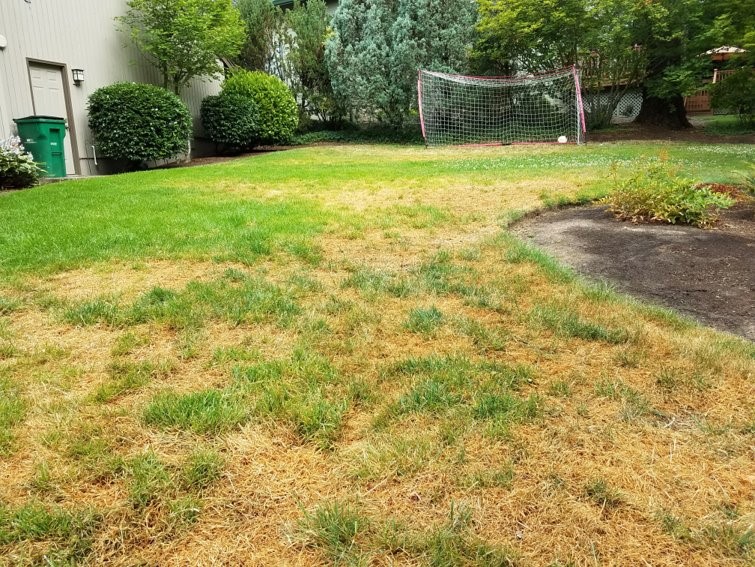
Image Source: www.landscapeeast.com
Deciphering the Causes of Lawn Patches
Identifying the root cause is the first step in bringing your lawn back to life. Many factors can contribute to a lawn dying in patches. Here, we’ll explore the most common culprits.
Environmental Stressors
Your lawn is a living ecosystem, and like any living thing, it’s sensitive to its surroundings. Environmental factors are often the primary drivers behind those frustrating dead grass patches.
Drought Stress Lawn
One of the most frequent reasons for patchy lawns is insufficient water, leading to drought stress lawn. When temperatures rise and rainfall is scarce, grass blades will lose moisture and turn brown. Initially, the grass may go dormant, appearing straw-like. If the drought persists, the grass can die.
- Signs of Drought Stress:
- Grass blades are dull gray-green or brownish.
- Footprints remain visible on the lawn long after you walk on it, indicating the grass blades aren’t springing back.
- The soil feels dry and hard.
- Brown patches may appear suddenly, especially in areas that receive less water.
Extreme Heat and Sun Exposure
Similar to drought, excessive heat can shock your grass. Lawns, especially newly seeded ones or those not accustomed to intense heat, can suffer from sun scorch, leading to localized browning. Certain grass types are also more susceptible to heat damage than others.
Poor Soil Conditions
The ground beneath your lawn is its lifeblood. Compacted soil, nutrient deficiencies, or soil with poor drainage can all lead to stressed grass that breaks out in patches.
- Soil Compaction: Heavy foot traffic, machinery, or even just time can compact the soil, preventing water, air, and nutrients from reaching the grass roots. This starves the roots, causing the grass above to weaken and die.
- Nutrient Imbalance: Grass needs a balanced diet of nitrogen, phosphorus, and potassium, along with micronutrients. If your soil lacks these, or if there’s an overabundance of one that hinders the absorption of others, your lawn will struggle. Yellowing and browning in patches can indicate nutrient deficiency.
- Poor Drainage: If water pools on your lawn for extended periods after rain or watering, it can suffocate grass roots, leading to rot and disease, manifesting as dead patches.
Pests and Diseases
Beyond environmental woes, your lawn can also fall victim to tiny invaders and microscopic organisms.
Insect Damage Lawn
A variety of insects can wreak havoc on your lawn, leaving behind tell-tale brown spots and dead grass patches. These pests often feed on grass roots or blades, weakening the plant and eventually killing it.
-
Common Lawn Pests:
- Grubs: These C-shaped larvae live in the soil and feed on grass roots. You might notice irregular brown patches that can be easily pulled up like a carpet.
- Chinch Bugs: These small insects feed on grass blades, sucking out vital fluids and injecting toxins that cause yellowing and browning, often starting in sunny areas.
- Sod Webworms: The larvae of these moths chew on grass blades at the surface, creating thin, brown patches.
- Billbugs: These insects bore into grass crowns and stems, causing stunting and brown areas.
-
Identifying Insect Damage: Look for evidence of insect activity. Dig up a small section of the affected turf; if you find grubs, you likely have a grub problem. For chinch bugs, try pushing a metal can into the soil around the affected area, filling it with water, and looking for bugs that float to the surface.
Lawn Fungus
Lawn fungus is a common enemy of healthy turf. Fungal diseases thrive in specific conditions, often damp or humid weather, overwatering, or poor air circulation. They can manifest as spots, rings, or entire patches of discolored or dead grass.
-
Common Lawn Fungi and Symptoms:
- Brown Patch: Characterized by circular patches of straw-colored grass, often with a darker border.
- Dollar Spot: Small, straw-colored spots about the size of a silver dollar, often appearing in dry, stressed turf.
- Red Thread: Pinkish or reddish threads appear on grass blades, causing a general reddish-brown discoloration.
- Pythium Blight (Damping-off): Rapid wilting and browning, often appearing after heavy rain or overwatering in hot weather. It can create greasy-looking, water-soaked patches.
- Powdery Mildew: A white, powdery coating on grass blades, usually occurring in shady, humid areas.
-
Disease Identification Lawn: Accurately identifying the specific lawn fungus is crucial for effective treatment. Look closely at the affected grass blades, the pattern of the patches, and the surrounding environmental conditions. Sometimes, consulting a local extension office or a lawn care professional can help with precise disease identification lawn.
Mechanical and Physical Damage
Sometimes, the damage is a result of direct physical impact.
Pet Urine Damage
If you have furry friends, pet urine damage is a very common cause of brown spots on your lawn. The high concentration of nitrogen in pet urine can essentially burn the grass.
- How Pet Urine Damages Grass:
- Nitrogen Burn: Excess nitrogen acts like a fertilizer in high concentrations, causing the grass to grow rapidly and then die, turning brown.
- Patchy Appearance: This damage typically appears as small, circular brown spots, often with a green ring around the edge as the urine disperses and fertilizes the surrounding grass.
Foot Traffic and Heavy Use
Overly compacted areas from constant foot traffic, especially when the ground is wet, can stress and kill grass. This often leads to bare patches where the grass has been physically crushed.
Mowing Practices
Improper mowing can also contribute to a patchy lawn.
- Mowing Too Short (Scalping): Cutting the grass too short exposes the soil and stresses the roots, making it vulnerable to drought and disease.
- Dull Mower Blades: Dull blades tear grass blades rather than cutting them cleanly. This leaves jagged edges that can turn brown and make the lawn susceptible to disease.
- Mowing Wet Grass: Mowing wet grass can spread disease and create uneven cuts.
Other Potential Causes
- Improper Fertilization: Applying too much fertilizer, or the wrong type, can also burn the grass and create brown patches.
- Chemical Spills: Accidental spills of gasoline, oil, or herbicides can kill grass in specific areas.
- Poor Seed Germination: If you recently seeded, patchy growth might indicate poor seed quality, incorrect planting depth, or inconsistent moisture during germination.
Diagnosing Your Patchy Lawn: A Step-by-Step Approach
Now that we’ve covered the potential causes, let’s create a plan to figure out what’s ailing your lawn.
Step 1: Observation and Inspection
Start with a thorough visual inspection of the affected areas.
What to Look For:
- Pattern of the Patches: Are they circular, irregular, or in lines? Are they widespread or concentrated in certain areas?
- Color of the Dead Grass: Is it uniformly brown, yellow, or straw-colored?
- Texture of the Soil: Is it hard and compacted, or soft and waterlogged?
- Presence of Insects: Carefully examine the soil and grass blades for any visible pests.
- Signs of Fungal Growth: Look for any webbing, discolored spots on blades, or ring-like patterns.
- Edge of the Patch: Does the brown grass easily pull away from the soil? This can indicate root damage from grubs or disease.
Step 2: Consider Recent Lawn Care Activities
Think back to what you’ve done to your lawn recently.
- Fertilizing: When did you last fertilize, and what product did you use?
- Watering: How often and how much are you watering?
- Mowing: When did you last mow, and at what height? Were the blades sharp?
- Pesticide or Herbicide Use: Have you applied any chemicals recently?
- New Sod or Seed: Was the area recently installed?
Step 3: Environmental Factors
Evaluate the conditions in and around the affected areas.
- Sunlight Exposure: Is the patch in full sun, shade, or partial shade?
- Watering Patterns: Are these areas receiving adequate water, or are they drying out faster?
- Foot Traffic: Is this a high-traffic area?
- Pet Activity: Do pets frequent these spots?
Expert Lawn Care Tips for Reviving Patchy Lawns
Once you have a good idea of what’s causing the problem, you can implement targeted solutions.
Addressing Environmental Stressors
Watering Strategies
- Deep and Infrequent Watering: For most lawns, it’s better to water deeply less often rather than lightly every day. This encourages deeper root growth, making the grass more resilient to drought stress lawn. Aim for about 1 inch of water per week, applied in one or two sessions.
- Watering Time: Water early in the morning to minimize evaporation and allow the grass blades to dry before nightfall, which helps prevent fungal diseases.
- Check Soil Moisture: Use a screwdriver or soil probe to check how deep the water has penetrated.
Aeration and Dethatching
- Core Aeration: If soil compaction is an issue, core aeration can help. This process pulls out plugs of soil, allowing air, water, and nutrients to penetrate the root zone. It’s best done during the grass’s active growing season.
- Dethatching: A thick layer of thatch (dead grass stems and roots) can prevent water and nutrients from reaching the soil. Dethatching removes this layer.
Soil Improvement
- Soil Testing: Get your soil tested to determine nutrient levels and pH. This will guide you on what amendments or fertilizers to use.
- Topdressing: After aerating, you can add a thin layer of compost or quality topsoil to improve soil structure and fertility.
Managing Pests and Diseases
Insect Damage Lawn Solutions
- Identification is Key: As mentioned, accurately identifying the pest is crucial.
- Beneficial Nematodes: For grub infestations, beneficial nematodes can be applied to the soil; these microscopic organisms prey on grub larvae.
- Insecticidal Soaps or Horticultural Oils: These can be effective against surface-feeding insects like chinch bugs, especially when applied at dusk.
- Chemical Treatments: If the infestation is severe, you may need to use specific insecticides. Always follow product instructions carefully and apply them when the pests are most vulnerable. Timing is critical for effective pest control.
Lawn Fungus Treatments
- Improve Air Circulation: Trim overhanging branches and avoid over-fertilizing, which can lead to succulent, disease-prone growth.
- Proper Watering: Avoid overhead watering late in the day.
- Fungicides: For persistent fungal issues, fungicides may be necessary. There are preventative and curative fungicides available. Choose one that targets the specific lawn fungus you’ve identified.
- Disease-Resistant Grass Varieties: When overseeding or replacing turf, consider planting grass varieties known for their resistance to common fungal diseases in your region.
Fixing Mechanical and Physical Damage
Pet Urine Damage Solutions
- Rinse Affected Areas: Immediately after your pet urinates on the lawn, water the spot thoroughly to dilute the nitrogen.
- Train Your Pet: Encourage your pet to use a designated area of your yard, perhaps a patch of mulch or gravel.
- Repair Patches: For existing brown spots, clear out the dead grass, loosen the soil, and reseed or patch the area with sod. You can also apply a soil amendment designed to neutralize urine salts.
Mowing Best Practices
- Mow at the Correct Height: Most cool-season grasses do well when mowed to 2.5-3.5 inches, and warm-season grasses to 1-2 inches. Taller grass shades the soil, keeping it cooler and retaining moisture.
- Keep Blades Sharp: Regularly sharpen your mower blades for clean cuts that promote healthy grass growth and prevent browning.
- Mulch Your Clippings: Leaving grass clippings on the lawn recycles nutrients and helps retain moisture.
Re-seeding or Patching Dead Grass Patches
For areas with significant dead grass patches, you’ll need to repair them.
- Clear the Area: Remove all dead grass and debris.
- Loosen the Soil: Use a rake to break up and loosen the soil in the patch.
- Amend the Soil (Optional): Mix in some compost for better nutrient content and moisture retention.
- Seed or Sod:
- Seeding: Spread grass seed evenly over the loosened soil. Follow the recommended seeding rates for your grass type.
- Sodding: Lay down a piece of sod that matches your existing lawn.
- Water Consistently: Keep the newly seeded or sodded area consistently moist until the new grass is established. This usually means light, frequent watering.
Preventative Lawn Care Tips for a Lush, Even Lawn
The best way to deal with patchy lawns is to prevent them from happening in the first place. Consistent, good lawn care tips are your best defense.
Regular Mowing with Proper Technique
- Mow Frequently: Aim to never remove more than one-third of the grass blade at a time. This encourages thicker growth.
- Vary Mowing Patterns: Alternate your mowing direction each time to prevent the grass from leaning and becoming compacted in one direction.
Consistent and Appropriate Watering
- Monitor Weather: Adjust your watering schedule based on rainfall and temperature.
- Water Deeply: Ensure water penetrates at least 4-6 inches into the soil.
Balanced Fertilization Program
- Soil Test: Base your fertilization on soil test results.
- Apply at the Right Time: Fertilize during your grass type’s active growing season.
- Use Slow-Release Fertilizers: These provide a steady supply of nutrients without overwhelming the grass.
Weed Control
- Healthy Turf: A thick, healthy lawn is the best defense against weeds.
- Spot Treatment: Address weeds promptly when you see them to prevent them from spreading and competing with your grass for resources.
Aeration and Dethatching Schedule
- Annual or Biennial: Depending on your soil type and lawn’s use, aerate and dethatch every 1-2 years to maintain good soil health.
Overseeding
- Fall is Ideal: Overseeding in the fall helps fill in thin spots and introduce more resilient grass varieties to your lawn.
Troubleshooting Common Patchy Lawn Scenarios
Let’s look at some specific problems and their solutions.
Scenario 1: Small, Circular Brown Spots with Green Rings
- Likely Cause: Pet urine damage or sometimes early stages of lawn fungus like Brown Patch.
- Solutions:
- For pet urine, rinse the area with water.
- If it’s fungal, try improving air circulation and avoid overwatering. Use a fungicide if it persists.
- Repair the spot by raking, reseeding, and watering.
Scenario 2: Large, Irregular Brown Patches, Easily Lifted Like a Carpet
- Likely Cause: Insect damage lawn, specifically grub infestation.
- Solutions:
- Dig up a section to confirm the presence of grubs.
- Apply a grub control product or beneficial nematodes according to package directions.
- Water thoroughly after application.
- Reseed or patch the damaged areas.
Scenario 3: Uniformly Brown Areas That Don’t Respond to Watering
- Likely Cause: Severe drought stress lawn, extreme heat, or potentially herbicide damage.
- Solutions:
- If it’s drought, water deeply and consistently. It may take time for the grass to recover.
- If the grass is truly dead (no green color at all, even when scratched), you’ll need to reseed or sod the area.
- If you suspect herbicide damage, identify the product and avoid using it again. The grass may recover on its own with good care.
Scenario 4: Patches Appearing in Shady Areas
- Likely Cause: Poor air circulation, excessive moisture, and lawn fungus like Powdery Mildew or Pythium Blight, or sometimes shade-tolerant weeds taking over.
- Solutions:
- Trim trees or shrubs to improve sunlight penetration and air flow.
- Reduce watering in shady spots.
- Consider planting shade-tolerant grass varieties.
- Use an appropriate fungicide if disease is present.
Frequently Asked Questions (FAQ)
Q1: How quickly can I expect my lawn to recover from patchy areas?
A1: Recovery time varies greatly depending on the cause and the severity of the damage. Simple issues like minor drought stress might bounce back within days of proper watering. More severe issues like grub infestations or fungal diseases can take several weeks or even months, especially if reseeding or sodding is required. Consistent application of the correct lawn care tips is key.
Q2: Can I just overseed my entire lawn if it’s patchy?
A2: Overseeding can be a great solution for filling in thin areas and improving overall lawn density. However, if there’s an underlying issue causing the patches (like pests or disease), overseeding without addressing the root cause will likely lead to the new grass also dying. Always diagnose and treat the problem first.
Q3: What is the best time of year to treat lawn problems?
A3: The best time often depends on the problem.
* Grubs: Mid-to-late summer and early fall for treatment of larvae.
* Fungal Diseases: Often treated in spring and fall, or during periods of conducive weather.
* Drought Stress: Best addressed with preventative watering in summer.
* Reseeding/Overseeding: Fall is generally the ideal time for cool-season grasses, while spring is better for warm-season grasses.
Q4: My dog’s urine always creates brown spots. What can I do?
A4: This is a common problem known as pet urine damage. The best approach is to water the spot immediately after your dog urinates to dilute the nitrogen. Alternatively, you can train your dog to use a designated area, like a gravel patch or a specific section of mulch, away from your lawn. You can also repair the damaged spots by removing dead grass, loosening the soil, and reseeding.
Q5: How do I differentiate between drought stress and fungal diseases?
A5: Drought stress lawn typically shows a more uniform browning, and the grass may turn straw-colored and feel brittle. Footprints will stay indented. Fungal diseases can appear in various patterns – rings, spots, or irregular patches – and you might see discoloration on the grass blades themselves, or even visible fungal growth (like webbing or spores) under close inspection. High humidity and specific temperature ranges often accompany fungal outbreaks, while drought is linked to dry conditions.
By carefully observing your lawn, considering environmental factors, and applying the appropriate lawn care tips, you can diagnose and treat the causes of those frustrating patchy areas and restore your lawn to its former green glory.