
Why do mushrooms grow in my lawn? Mushrooms sprout in your yard because the environment is right for their fungal networks. Think of mushrooms as the fruit of an underground organism. When conditions are just so, these “fruits” appear. What are the common causes of mushrooms in garden or lawn? The primary reasons include moisture, decaying organic matter, and suitable soil conditions.
Many homeowners are surprised, and sometimes concerned, to find mushrooms popping up in their yards. While they might seem like an unwelcome guest, especially on a manicured lawn, mushrooms are a natural part of the ecosystem. Their appearance is often a sign of a healthy, albeit damp, environment with plenty of food for the fungi.
When do mushrooms appear? Typically, you’ll see mushrooms in your yard after periods of rain or increased humidity, usually in the late summer, fall, or even early spring. These are the times when the soil has retained ample moisture for extended periods, creating ideal conditions for fungal growth.
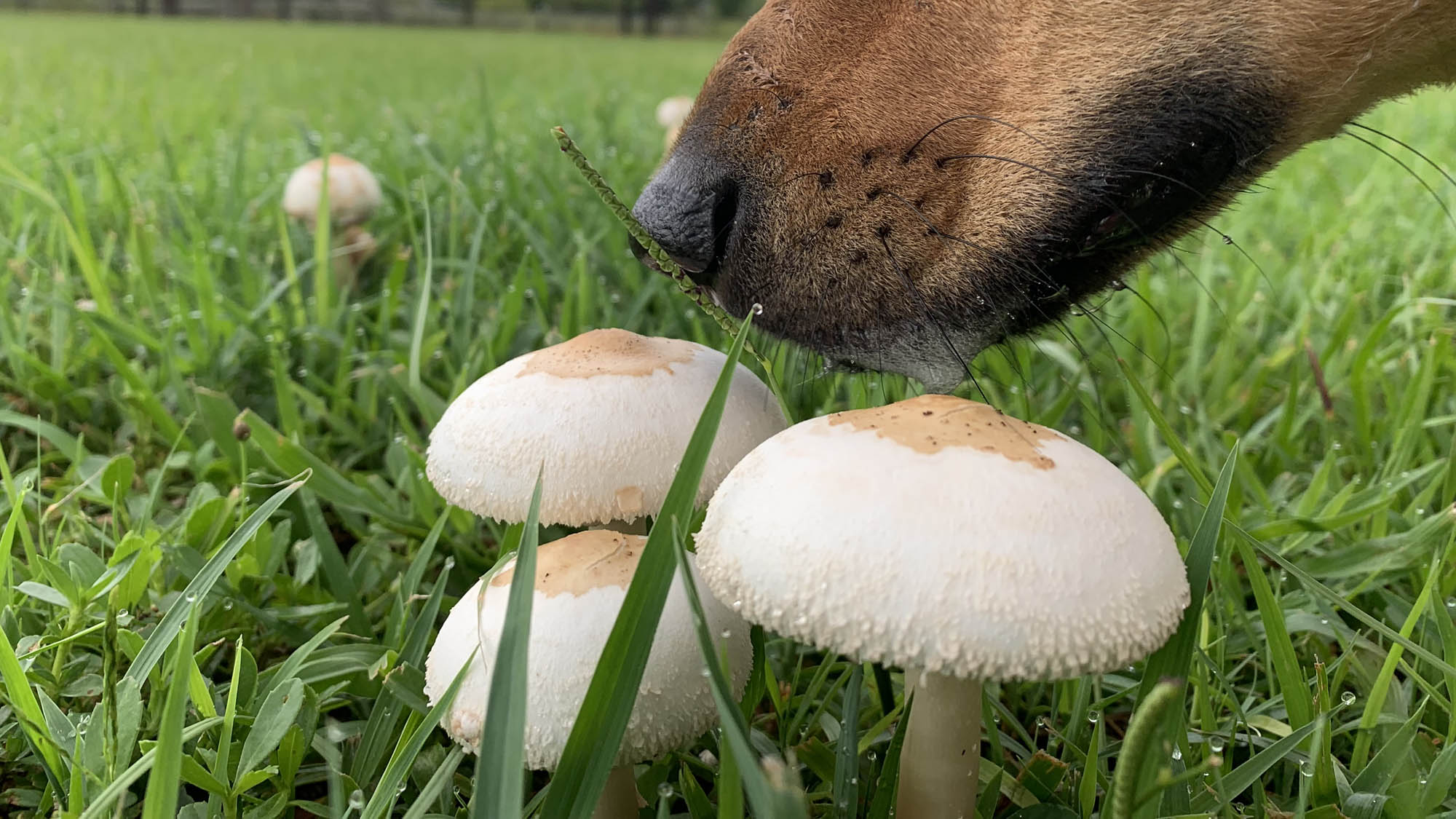
Image Source: homegrown.extension.ncsu.edu
Fathoming the Factors Behind Yard Mushrooms
Mushrooms are the reproductive structures of fungi. Beneath the soil, a vast network of thread-like structures called mycelium exists. When specific mushroom growth factors align, the mycelium produces the visible mushroom. Let’s delve into the core reasons:
Moisture: The Lifeblood of Fungi
Mushrooms are composed of about 90% water, making moisture a critical component for their emergence.
- Rainfall: Consistent and adequate rainfall is the most significant driver. When the soil becomes thoroughly saturated, it provides the necessary hydration for the mycelium to form fruiting bodies.
- Humidity: High atmospheric humidity also plays a role, especially if the soil surface remains damp for a prolonged period.
- Irrigation: Overwatering your lawn can create the same damp conditions as heavy rain, leading to mushroom growth. Even sprinklers that run frequently can contribute.
- Poor Drainage: Lawns with compacted soil or areas that naturally collect water are prime spots for mushrooms. If water doesn’t drain away quickly, it creates a perpetually moist environment.
Decaying Organic Matter: A Fungal Feast
Fungi are nature’s recyclers, and they thrive on decomposing organic material. Your yard is often a buffet for these organisms.
- Dead Plant Material: Grass clippings, fallen leaves, twigs, and dead roots all provide food for fungi. When these materials break down, they release nutrients that fuel fungal growth.
- Buried Debris: Sometimes, construction or previous landscaping might have left buried organic matter like wood chips, old roots, or even buried animal waste. This acts as a hidden food source.
- Thatch Buildup: In lawns, excessive thatch (a layer of dead and living grass stems, roots, and other organic matter) can trap moisture and provide a rich food source for fungi.
- Compost or Mulch: If you use organic mulch or compost around garden beds or trees, these materials are inherently rich in organic matter and can easily support mushroom growth.
Soil Conditions for Mushrooms: The Foundation for Growth
The type and condition of your soil are fundamental to why mushrooms appear.
- Soil Type: Fungi can grow in various soil types, but they often prefer slightly acidic to neutral soils that are rich in organic matter.
- Aeration: While fungi need oxygen, overly compacted soil can hinder air circulation and lead to waterlogged conditions, favoring fungal proliferation. Conversely, very loose, sandy soils might not retain enough moisture.
- Nutrient Content: While fungi consume organic matter, they also benefit from the nutrients released during decomposition. Soils that have been enriched over time with organic materials will often support more fungal activity.
- Beneficial Fungi: It’s important to remember that many fungi are beneficial, helping to break down organic matter and make nutrients available to plants. The mushrooms you see are just one visible manifestation of this complex underground network.
Common Types of Yard Mushrooms
While identifying specific mushroom species can be tricky and sometimes dangerous (as some can be toxic), recognizing common patterns can be helpful. Here are some general categories you might encounter:
| Mushroom Type | Common Appearance | Typical Location |
|---|---|---|
| Puffballs | Round or pear-shaped, ranging from small to large. When mature, they release spores when disturbed, like a puff of smoke. | Lawns, gardens, often in clusters. |
| Agarics (Meadow Mushrooms) | Classic mushroom shape with a cap and stem, gills underneath the cap. Many cultivated mushrooms are agarics. | Open lawns, pastures, areas with decomposing grass or thatch. |
| Ink Caps | Often tall and slender, with caps that gradually dissolve into a black, ink-like liquid as they mature. | Lawns, gardens, compost piles, areas with abundant organic matter. |
| Coprinellus (Shaggy Mane) | Similar to ink caps, but often with distinctive shaggy scales on the cap, also deliquescing into ink. | Lawns, disturbed soil, areas with buried wood or organic debris. |
| Boletes | Have pores or tubes instead of gills under the cap. Often have thick stems and fleshy caps. | Often found near specific trees (mycorrhizal), but some species grow in lawns. |
| Truffles | Grow entirely underground, not visible as a “mushroom” in the traditional sense, but are part of the fungal kingdom. | Associated with tree roots, can be found by trained animals. |
| Fairy Rings | Rings or arcs of mushrooms that appear in lawns. Caused by the outward growth of underground mycelium. | Open lawns, especially older lawns with established thatch and soil history. |
Important Note: Never consume a wild mushroom unless you are an expert mycologist or are with one. Many mushrooms are poisonous, and some can be deadly. It’s best to admire them from a distance.
Mushroom Growth Factors Explained
Beyond the presence of moisture and food, other factors influence when and where mushrooms appear.
Temperature
Fungal mycelium is sensitive to temperature. While some species are adapted to cooler conditions (fall/spring), others can thrive in warmer, humid summer months. Most mushrooms will not appear if the soil temperature is too cold or too hot and dry.
Soil pH
While fungi can tolerate a range of pH levels, many species prefer slightly acidic to neutral soils (pH 5.5 to 7.0). Alkaline soils can sometimes suppress fungal growth, although exceptions exist.
Mycorrhizal Associations
Some mushrooms are mycorrhizal, meaning they form a symbiotic relationship with plant roots, particularly trees. The fungi help plants absorb water and nutrients, while the plants provide sugars to the fungi. If you have trees in or near your yard, the mushrooms you see could be part of this beneficial relationship, often appearing in arcs or rings radiating from the tree.
Disturbances
Sometimes, disturbing the soil can trigger mushroom growth. This might happen after aerating the lawn, digging in the garden, or even from heavy foot traffic in a specific area. This disturbance can expose buried organic matter or stimulate the dormant mycelium.
Dealing with Mushrooms: Lawn Care for Mushroom Prevention
If you find mushrooms appearing frequently and want to reduce their occurrence, you can adjust your lawn care for mushroom prevention. The goal is to make your yard less hospitable to the fungi.
Managing Moisture
- Improve Drainage: Aerate your lawn regularly to reduce soil compaction. This helps water drain away more efficiently.
- Water Wisely: Water your lawn deeply but infrequently. Encourage roots to grow deeper, making the lawn more drought-tolerant and reducing the surface moisture that mushrooms love. Avoid overwatering.
- Check Sprinklers: Ensure your sprinkler heads aren’t spraying constantly or creating consistently waterlogged areas.
Removing Organic Matter
- Rake Leaves and Debris: Regularly remove fallen leaves, twigs, and other organic debris from your lawn.
- Manage Thatch: Dethatch your lawn if the thatch layer is more than half an inch thick. This removes the moist, decaying material that fungi feed on.
- Clean Up Clippings: While grass clippings can be beneficial when composted properly, leaving large clumps on the lawn after mowing can contribute to thatch and provide food for fungi.
Addressing Soil Conditions
- Soil Testing: Get your soil tested to understand its pH and nutrient levels. Adjustments can be made if the pH is too acidic or alkaline for your grass.
- Topdressing: In some cases, adding a thin layer of compost or sand can help improve drainage and soil structure.
Physical Removal
- Pick Them: The simplest and most immediate way to deal with mushrooms is to pick them by hand or with a shovel. Dispose of them in a sealed bag in the trash, as leaving them can lead to spore dispersal.
- Avoid Breaking Them: Try to pull them out by the root (mycelium) to prevent spores from spreading.
Chemical Treatments (Use with Caution)
While not always necessary, fungicides can be used in severe cases. However, these can also affect beneficial soil fungi, so they are often a last resort. Always follow product instructions carefully.
Mushroom Fairy Rings: A Common Phenomenon
One of the most striking appearances of fungi in a yard is the mushroom fairy ring. These are circular or arc-shaped patterns of mushrooms.
How Fairy Rings Form
Fairy rings are caused by the mycelium of certain fungi growing outwards from a central point in the soil. As the mycelium expands, it decomposes organic matter, feeding itself.
- Mycelial Growth: The fungal network grows radially outwards, forming a circle.
- Nutrient Depletion: As the mycelium grows, it can deplete nutrients in the soil within the ring, sometimes creating a ring of dead or stressed grass.
- Spore Release: The mushrooms that appear are the reproductive structures, often forming along the leading edge of the expanding mycelial network.
Managing Fairy Rings
- Identify the Cause: The underlying cause is usually a layer of thatch or buried organic matter. Improving lawn health and aeration can help.
- Watering: Consistent, deep watering can sometimes mask the visual effect of the ring by keeping the grass healthy.
- Fertilizing: Applying a balanced fertilizer can also help the grass outcompete the fungi, though it won’t eliminate the ring.
- Core Aeration and Dethatching: These practices help break up the mycelial network and improve soil conditions.
- Fungicides: In persistent cases, specific fungicides can be applied, but it’s often difficult to target just the fungi causing the fairy ring without affecting beneficial soil organisms.
Frequently Asked Questions (FAQ)
Are yard mushrooms dangerous to pets or children?
Some species of mushrooms are toxic if ingested by pets or children. It’s safest to remove any mushrooms from your yard promptly if you have pets or young children who might be tempted to eat them.
Can I eat mushrooms that grow in my yard?
Unless you are an expert mycologist, it is strongly advised not to eat wild mushrooms. Many common yard mushrooms are not edible, and some are poisonous.
Will mushrooms harm my lawn?
While the mushrooms themselves are temporary, the underlying fungal growth can sometimes indicate problems like excessive thatch or poor drainage, which can harm your lawn. In the case of fairy rings, the grass within the ring may die due to nutrient depletion.
How can I get rid of yard mushrooms permanently?
Achieving permanent removal is difficult because mushroom spores are ubiquitous in the environment. However, you can significantly reduce their occurrence by consistently managing moisture, removing organic debris, and improving soil health.
Why do mushrooms grow in the same spots every year?
Mushrooms appear in the same spots because the underground mycelial network is likely still present and active in those areas where conditions (food source, moisture retention) remain favorable.
What does it mean when mushrooms grow in a circle?
When mushrooms grow in a circle, it’s often referred to as a mushroom fairy ring, caused by the outward growth of underground fungal mycelium.
In conclusion, the presence of mushrooms in your yard is a natural phenomenon driven by a combination of moisture, decaying organic matter, and suitable soil conditions. By implementing good lawn care practices, you can manage their appearance and create a healthier environment for your grass, while still appreciating the role these fascinating fungi play in nature.