
Do you need to apply lime to your lawn? Yes, lime application is often needed for lawns to correct an imbalanced soil pH, which is crucial for lawn health.
A healthy, vibrant lawn isn’t just about the right amount of water and sunshine. Beneath the green blades, a complex chemical environment exists within your soil, and its balance is paramount to your grass’s well-being. This delicate balance is largely governed by soil pH. When your soil’s pH is out of the ideal range for your grass type, it can lead to a host of problems, from stunted grass growth to a reduced ability for your lawn to take up essential nutrients. This is where lime comes into play as a vital soil amendment.
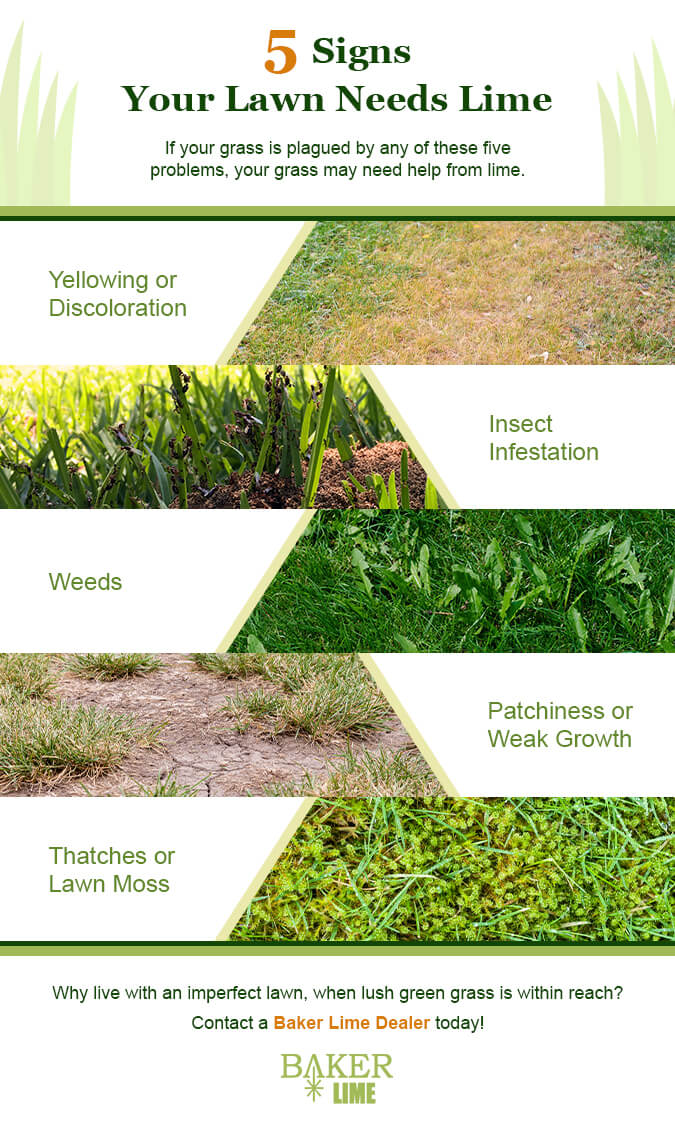
Image Source: www.bakerlime.com
Deciphering Soil pH
Soil pH is a measure of acidity or alkalinity on a scale from 0 to 14. A pH of 7 is considered neutral. Values below 7 indicate acidity, and values above 7 indicate alkalinity. Most turfgrasses thrive in a slightly acidic to neutral pH range, typically between 6.0 and 7.0.
What happens when soil pH is too low (acidic)?
When soil pH drops too low, meaning the soil becomes acidic soil, several detrimental things happen to your lawn:
- Nutrient Lock-up: Essential nutrients like nitrogen, phosphorus, potassium, calcium, and magnesium become less available to your grass. They are present in the soil, but the acidic environment prevents the grass roots from absorbing them effectively. This is often referred to as “nutrient lock-up.”
- Aluminum and Manganese Toxicity: In highly acidic soils, aluminum and manganese can become more soluble. These elements are toxic to grass at elevated levels, damaging root systems and hindering growth.
- Reduced Microbial Activity: Beneficial soil microbes, which play a vital role in breaking down organic matter and releasing nutrients, are less active in acidic conditions. This further compromises nutrient availability.
- Poor Root Development: Acidic soil can inhibit root growth, making the grass weaker, more susceptible to drought stress, and less able to compete with weeds.
What happens when soil pH is too high (alkaline)?
While less common in many regions, alkaline soils (high pH) also present challenges:
- Iron Deficiency: Iron becomes less available to grass in alkaline conditions, leading to chlorosis (yellowing of the leaves).
- Reduced Phosphorus Availability: High pH can also bind up phosphorus, another critical nutrient for root development and overall plant vigor.
- Impact on Other Micronutrients: The availability of other essential micronutrients like zinc and manganese can also be affected by high pH.
The Role of Lime in Lawn Care
Lime, typically calcium carbonate or dolomitic limestone (which also contains magnesium), is a natural mineral that, when applied to the soil, helps to raise the pH. It acts as a buffer, neutralizing excess acidity.
How does lime work?
Lime reacts with the soil’s hydrogen ions, which are responsible for acidity. This reaction effectively reduces the concentration of hydrogen ions, thereby increasing the soil’s pH. Think of it like adding baking soda to vinegar – the baking soda neutralizes the acid.
Why is Lime Application Needed For Lawn?
The primary reason lime application is needed for lawns is to correct acidic soil conditions and bring the soil pH into the optimal range for turfgrass. This correction has a cascade of positive effects on lawn health.
Benefits of Liming Your Lawn
Applying lime can significantly improve your lawn’s condition by:
- Improving Nutrient Availability: By raising the pH, lime “unlocks” essential nutrients that were previously unavailable to the grass. This means that the nutrients from your lawn fertilization efforts can be more effectively utilized by the grass.
- Enhancing Soil Microbial Activity: A more neutral pH creates a better environment for beneficial soil microorganisms. These microbes are crucial for nutrient cycling and improving soil structure.
- Reducing Aluminum and Manganese Toxicity: As the pH rises, toxic levels of aluminum and manganese are reduced, protecting the grass roots from damage.
- Promoting Stronger Root Development: With improved nutrient uptake and reduced toxicity, grass roots can grow deeper and stronger, leading to a more resilient lawn.
- Improving Soil Structure (Soil Conditioning): Over time, lime can contribute to better soil aggregation, making the soil less prone to compaction and improving water infiltration and aeration. This is a form of soil conditioning.
- Boosting Grass Growth: Ultimately, by addressing the underlying pH issue, lime application promotes healthier, more vigorous grass growth. Your lawn will look greener and thicker.
- Increasing Effectiveness of Fertilizers: When your soil’s pH is balanced, the nutrients from your lawn fertilization applications are more readily available for uptake by the grass. This means you get more “bang for your buck” from your fertilizer investment.
When Should You Apply Lime?
The decision to apply lime should not be a guessing game. It should be based on the results of a soil testing.
How to Determine if You Need Lime
- Soil Testing: This is the most critical step. You can obtain a soil testing kit from your local cooperative extension office or purchase one from a garden supply store. Follow the instructions carefully to collect a representative soil sample from your lawn. Send the sample to a laboratory for analysis.
- Interpreting the Results: The soil test report will provide you with your lawn’s current soil pH and often recommend specific amendments, including lime, based on your grass type and soil characteristics.
- Knowing Your Grass Type: Different grass species have slightly different pH preferences. For example:
- Cool-season grasses (e.g., Kentucky bluegrass, fescues, ryegrass) generally prefer a pH between 6.0 and 7.0.
- Warm-season grasses (e.g., Bermuda, Zoysia, St. Augustine) can tolerate a slightly wider range, often between 5.5 and 7.5, but still benefit from a pH closer to neutral.
- Observing Lawn Symptoms: While not a substitute for a soil test, persistent symptoms like poor growth, thinning turf, and increased weed presence can be indicators of an underlying pH problem.
Timing of Lime Application
- Fall and Spring: The most common times to apply lime are in the fall or early spring. These periods allow the lime to begin reacting with the soil before the peak growing season.
- Before Sodding or Seeding: If you’re establishing a new lawn, applying lime based on a soil testing before you lay sod or sow seed is highly recommended.
Types of Lime and Application Rates
There are several types of lime available for lawn use:
- Ground Agricultural Limestone (Pulverized Limestone): This is the most common type. It’s readily available and effective, but it works slower than other forms.
- Pelletized Lime: This lime has been processed into small pellets, making it easier to spread evenly with a broadcast spreader. It dissolves more quickly than finely ground lime, leading to a faster, though potentially less sustained, pH adjustment.
- Dolomitic Lime: Contains both calcium and magnesium. If your soil test indicates a deficiency in magnesium, dolomitic lime is a good choice. If magnesium levels are adequate, use calcitic lime.
- Hydrated Lime (Quicklime): This is a fast-acting but caustic material. It’s not recommended for home lawn use as it can easily burn grass if applied incorrectly.
Application Rates:
The amount of lime to apply depends heavily on your soil testing results, your current soil pH, and the target pH.
- Follow Soil Test Recommendations: Always adhere to the specific recommendations provided by your soil testing laboratory.
- General Guidelines (for informational purposes only): For acidic soil with a pH of 5.5, you might need to apply 50-100 pounds of lime per 1,000 square feet to raise the pH by one full point (e.g., to 6.5). However, this is a broad estimate.
- Split Applications: It’s often better to apply lime in smaller amounts over time rather than one large application, especially if a significant pH adjustment is needed. This is because lime works slowly, and multiple applications can provide a more stable pH change. For example, if your soil test suggests a very high application rate, split it into two or three applications over a year.
- Caution: Applying too much lime can raise the pH too high, creating an alkaline condition and leading to its own set of nutrient availability problems.
How to Apply Lime
Applying lime correctly is essential for its effectiveness and to avoid damaging your lawn.
Spreading Lime
- Use a Spreader: A broadcast spreader (either rotary or drop spreader) is the most effective tool for applying lime evenly.
- Calibrate Your Spreader: Ensure your spreader is calibrated to the recommended rate based on the product you are using and the amount recommended by your soil test.
- Timing: Apply lime when the grass is dry. This prevents the lime from sticking to the grass blades, which can cause burning.
- Wind Conditions: Avoid spreading lime on windy days, as the material can be blown off your lawn and onto sidewalks, driveways, or into your neighbor’s yard.
- Coverage: Aim for uniform coverage across the entire lawn area. Overlap slightly with spreader passes to avoid missed spots.
- Watering In: Lightly watering the lawn after application can help the lime begin to dissolve and move into the soil, but avoid heavy watering that could wash the lime away.
How Long Does it Take for Lime to Work?
Lime is a soil amendment that works gradually. The speed at which it affects soil pH depends on several factors:
- Type of Lime: Finer grinds and pelletized lime tend to work faster than coarser ground limestone.
- Soil Moisture: Adequate soil moisture is necessary for the chemical reactions to occur.
- Soil Type: Finer textured soils (clays) may require more lime and take longer to react than sandy soils.
- Soil Temperature: Lime works more effectively in warmer soils.
Generally, it can take several months for lime to fully integrate into the soil and show a noticeable change in soil pH. Therefore, it’s essential to retest your soil after 6-12 months to assess the impact and determine if further applications are needed.
Common Mistakes to Avoid
- Not Testing Your Soil: Applying lime without a soil testing is like taking medicine without knowing what ailment you have. You might do more harm than good.
- Over-Liming: Applying too much lime can lead to alkaline soil, which can cause nutrient deficiencies (especially iron) and hinder grass growth.
- Applying Lime at the Wrong Time: Applying lime when the grass is wet or on windy days can lead to uneven application and potential lawn damage.
- Using the Wrong Type of Lime: While most common lawn limes are safe, avoid quicklime (hydrated lime) for general lawn application.
- Expecting Immediate Results: Lime is a slow-acting soil amendment. Be patient and allow time for it to work.
Alternatives and Complementary Practices
While lime is a primary tool for pH correction, other practices contribute to overall soil conditioning and lawn health:
- Composting: Adding organic matter through composting improves soil structure, water retention, and nutrient availability, and can help buffer soil pH over time.
- Grasscycling: Leaving grass clippings on the lawn returns valuable nutrients to the soil.
- Proper Watering and Fertilization: Maintaining a consistent watering schedule and using a balanced lawn fertilization program appropriate for your grass type are crucial for healthy growth, regardless of pH.
- Aeration: Aerating the soil improves air, water, and nutrient penetration to the root zone, which is particularly beneficial in compacted or acidic soil.
Frequently Asked Questions (FAQ)
Q1: Can I apply lime and fertilizer at the same time?
It is generally not recommended to apply lime and most fertilizers simultaneously. Some fertilizers, particularly those containing ammonium sulfate, can lower soil pH. Applying them together can counteract the effects of the lime or lead to nutrient imbalances. It’s best to wait at least a few weeks between lime and fertilizer applications. Always refer to product labels and soil test recommendations.
Q2: How often should I apply lime?
The frequency of lime application depends entirely on your soil pH and how quickly it drifts back towards acidity. After an initial application based on a soil test, you might only need to reapply lime every 1-3 years, or even less frequently if your soil naturally maintains a good pH. Regular soil testing is the best way to determine if and when another application is needed.
Q3: Will lime kill weeds?
Lime itself does not directly kill weeds. However, by improving lawn health and promoting denser, more vigorous grass growth, it helps your lawn outcompete weeds. A healthy, thick lawn is the best defense against weed invasion.
Q4: Is dolomitic lime better than calcitic lime for my lawn?
Dolomitic lime contains both calcium and magnesium, while calcitic lime primarily provides calcium. If your soil testing indicates a deficiency in magnesium, dolomitic lime is a good choice. If your magnesium levels are sufficient, calcitic lime is perfectly fine and will still help raise the soil pH.
Q5: My lawn is yellowing. Could it be a pH problem?
Yellowing lawns can be caused by many factors, including nutrient deficiencies, disease, insect pests, and improper watering. However, if your soil pH is too low (acidic), iron deficiency can occur, leading to a yellow appearance. A soil testing is the best way to diagnose this. If the pH is corrected, and the yellowing persists, you’ll need to investigate other potential causes.
Conclusion
Maintaining the correct soil pH is a cornerstone of achieving a healthy, resilient, and visually appealing lawn. Lime application, when guided by soil testing, is a powerful soil amendment that can effectively correct acidic soil, unlock essential nutrients, and foster robust grass growth. By properly diagnosing your soil’s needs and applying lime correctly, you are investing in the long-term vitality and beauty of your lawn, ensuring that your lawn fertilization efforts yield the best possible results and contribute to overall soil conditioning.