
Why Won’t Lawn Mower Start: Common Reasons & Solutions
A lawn mower that won’t start can be frustrating, especially when your grass is getting long. What is the most common reason a lawn mower won’t start? Usually, it’s a lack of fuel or a problem with the spark plug. Can I fix it myself? Yes, many common lawn mower problems can be diagnosed and fixed with basic tools and a little patience.
When your lawn mower won’t start, it’s a signal that something isn’t quite right. Before you call for professional help, it’s helpful to know the typical culprits and how to address them. This guide will help you with troubleshooting lawn mower issues and fixing common lawn mower problems so you can get back to a beautifully manicured lawn.
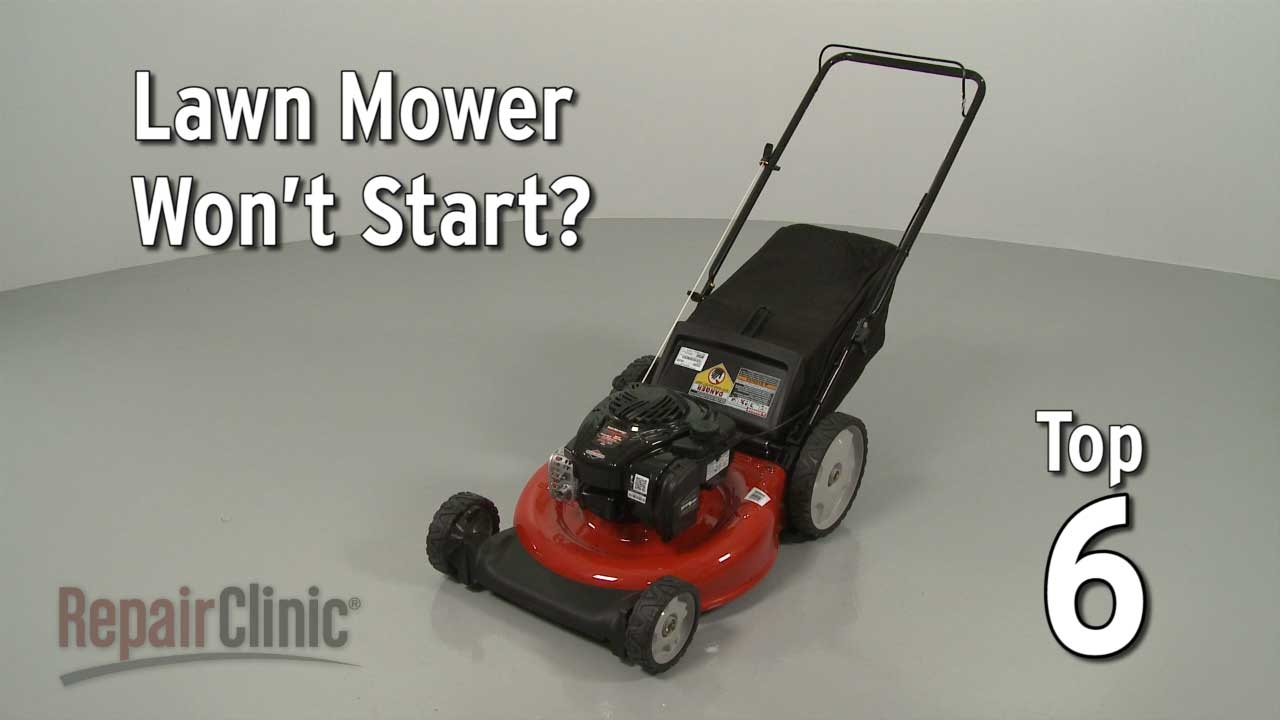
Image Source: i.ytimg.com
The Engine Won’t Turn Over: Initial Checks
When you pull the starter rope or turn the ignition key, and absolutely nothing happens – no sputtering, no coughing, just silence – this usually means the engine isn’t even trying to fire. This is often a more significant issue than a mower that’s trying but failing.
No Power to the Starter
- Dead Battery (for electric start mowers): If your mower has an electric start, the battery might be dead or very low on charge.
- Check the battery terminals: Ensure they are clean and tight. Corrosion can prevent a good connection. You can clean them with a wire brush.
- Charge the battery: If you have a battery charger compatible with your mower’s battery, try charging it.
- Test the battery: If possible, test the battery’s voltage with a multimeter. A fully charged battery should read around 12-13 volts.
- Blown Fuse: Some electric start mowers have a fuse that can blow, cutting power to the starter system. Check your owner’s manual for the fuse location and test or replace it if necessary.
- Safety Switch Issues: Modern mowers have safety features that prevent starting unless certain conditions are met.
- Brake Lever/Handle Engaged: For walk-behind mowers, the handle or blade brake must be engaged for the engine to start. Ensure this lever is fully pulled back and that the cable is properly connected.
- Seat Presence (Riding Mowers): Riding mowers typically have a sensor to detect if the operator is in the seat. Make sure you are sitting firmly.
- Deck Engagement: For some riding mowers, the mowing deck must be disengaged for the engine to start.
Mechanical Issues Preventing Engine Rotation
If you suspect the engine won’t turn over due to a mechanical blockage, proceed with caution.
- Seized Engine: In rare cases, the engine can seize due to lack of oil, overheating, or internal damage. This is a serious problem and usually requires professional repair. If the engine feels completely locked and won’t budge when you try to crank it, this might be the issue.
- Blade Obstruction: Sometimes, a large object like a thick branch or a clump of dense grass can jam the blade, preventing the engine from turning over.
- Disconnect the spark plug: Crucially, always disconnect the spark plug wire before inspecting or touching the blade.
- Clear debris: Carefully try to remove any obstruction from around the blade. Rotate the blade manually (with gloves on) to see if it moves freely.
The Engine Cranks But Won’t Start (Lawn Mower Not Firing)
This is a more common scenario. The engine makes noise when you pull the rope or turn the key, but it doesn’t catch and run. This typically points to a problem with one of the three essential elements for combustion: fuel, spark, or air.
Fuel System Problems
The fuel system is a frequent offender when your lawn mower won’t start.
Fuel Issues
- No Gas in the Tank: It sounds obvious, but always check the fuel level first.
- Old or Stale Gas: Gasoline degrades over time, especially if it contains ethanol. Old gas can gum up the fuel system and won’t ignite properly.
- Solution: Drain the old gas and replace it with fresh fuel. Use a fuel stabilizer if you plan to store gas for extended periods. It’s generally recommended to use fuel within 30 days of purchase, especially during warmer months when it evaporates faster.
- Water in the Fuel: Water contamination can prevent the mower from starting.
- Solution: Drain the fuel tank and carburetor bowl. Refill with fresh gas. You can often identify water if you see a distinct layer at the bottom of a clear gas can.
Fuel Line Issues
- Fuel Line Clogged: The fuel line carries gas from the tank to the carburetor. If it’s clogged, the engine won’t get fuel.
- Check for kinks: Ensure the fuel line isn’t kinked or bent, restricting flow.
- Inspect the fuel filter: Many mowers have an inline fuel filter. If it’s clogged with debris, it will prevent fuel from reaching the carburetor.
- Solution: Replace the fuel filter. They are inexpensive and easy to change.
- Clean or Replace Fuel Lines: If the lines themselves are old and brittle, they can break down internally, causing blockages.
- Solution: Carefully disconnect the fuel line (after draining the tank) and try to blow through it with compressed air. If it’s severely blocked, you may need to replace the entire fuel line.
Carburetor Issues
The carburetor is responsible for mixing the right amount of fuel and air for combustion. Carburetor issues are a very common reason for a lawn mower not firing.
- Clogged Carburetor Jets: Tiny passages inside the carburetor can become blocked by dried fuel residue or debris, preventing proper fuel flow.
- Symptoms: The mower might sputter, run rough, or not start at all.
- Solution:
- Disconnect the spark plug wire.
- Remove the carburetor bowl: This is usually held on by a single screw or nut. Be prepared for a little fuel to drain out.
- Clean the bowl: Check for debris or water in the bowl.
- Clean the jets: The main jet is usually visible in the center of the carburetor throat. You can try spraying carburetor cleaner through the jet. For a more thorough cleaning, you might need to remove the jet (if possible) and clean it with a fine wire or carb cleaner spray. Never use a drill bit to clean jets, as this can enlarge them and ruin the calibration.
- Reassemble: Put the bowl back on securely.
- Dirty Air Filter: A clogged air filter restricts airflow to the carburetor, creating a fuel-rich mixture that can prevent the engine from starting or running properly.
- Solution: Inspect the air filter. If it’s dirty, clean or replace it. Most paper filters can be tapped clean, but if they are heavily soiled or oily, they need replacement. Foam filters can often be washed with soap and water, dried thoroughly, and then lightly oiled.
- Float Bowl Malfunction: The float in the carburetor bowl regulates the fuel level. If it’s stuck or damaged, it can cause the carburetor to flood or starve the engine.
- Solution: This often requires a more in-depth carburetor cleaning or rebuild.
Spark Ignition Problems
If the fuel system seems to be delivering gas, the issue might be with the spark that ignites it.
Spark Plug Problem
A faulty spark plug is one of the most common reasons a lawn mower won’t start and is a key part of troubleshooting lawn mower ignition.
- Fouled Spark Plug: The spark plug can become fouled with carbon deposits, oil, or fuel, preventing it from creating a strong spark.
- Symptoms: The mower might sputter, run rough, or not start at all.
- Solution:
- Disconnect the spark plug wire.
- Remove the spark plug: Use a spark plug wrench.
- Inspect the plug: Look for black, oily, or wet deposits.
- Clean or Replace: You can try cleaning a fouled plug with a wire brush and carburetor cleaner, then drying it. However, spark plugs are inexpensive, and replacing it is often the easiest and most reliable solution. Ensure you get the correct plug for your mower model.
- Check the Gap: New spark plugs need to have their gap checked and adjusted according to your mower’s manual. Use a gap tool for this.
- Loose Spark Plug: A plug that isn’t screwed in tightly can cause a weak spark or no spark.
- Solution: Ensure the spark plug is properly seated and tightened.
- Damaged Spark Plug Wire: The wire connecting the ignition coil to the spark plug can become damaged, cracked, or corroded, interrupting the electrical current.
- Solution: Inspect the wire for damage. Clean the connection point on the spark plug and the ignition coil. If the wire is visibly damaged, it needs replacement.
Ignition Coil Issues
The ignition coil generates the high voltage needed for the spark plug to fire.
- Faulty Ignition Coil: If the coil fails, there will be no spark.
- Symptoms: The mower cranks but doesn’t fire, and even a new or cleaned spark plug doesn’t help.
- Solution: This usually requires testing with a multimeter or replacing the ignition coil. This is often a job for a professional unless you are comfortable with basic electrical diagnostics.
Air System Problems
While less common for a complete no-start, severe air restrictions can contribute.
- Severely Clogged Air Filter: As mentioned in fuel system issues, a very dirty air filter restricts airflow.
- Solution: Replace or clean the air filter.
The Starter Rope Stuck or Won’t Retract
Sometimes, the problem isn’t with the engine itself but with the starting mechanism.
Starter Rope Issues
-
Starter Rope Stuck: If the starter rope feels jammed and won’t pull, it could be due to a few reasons.
- Recoil Mechanism Jammed: The recoil spring or mechanism inside the starter housing might be jammed or broken.
- Solution: This usually requires disassembling the starter housing to inspect and repair or replace the recoil assembly.
- Engine Internal Problem: As mentioned earlier, if the engine itself is seized, the starter rope will not pull.
- Solution: Address any potential engine issues first.
- Blade Obstruction: Again, a jammed blade will prevent the engine (and thus the starter rope) from turning.
- Solution: Disconnect the spark plug and check for obstructions around the blade.
- Recoil Mechanism Jammed: The recoil spring or mechanism inside the starter housing might be jammed or broken.
-
Starter Rope Not Retracting: If the rope pulls out but doesn’t spring back, the recoil spring is likely broken or dislodged.
- Solution: This requires disassembling the starter housing to replace the recoil spring mechanism.
Special Considerations for Different Mower Types
Gas in Lawn Mower – This is fundamental, but ensuring you have the right kind of gas in lawn mower is also important. Always use fresh, unleaded gasoline. Ethanol content can vary, and older mowers may not tolerate high ethanol levels as well. Refer to your owner’s manual for specific fuel recommendations.
Riding Mowers
Riding mowers have more complex systems and additional potential points of failure.
- Safety Interlock Switches: These are critical. They prevent the engine from starting if safety conditions aren’t met.
- Brake Pedal: Often, the brake pedal must be pressed.
- PTO (Power Take-Off) Lever: The mower deck engagement lever must be disengaged.
- Seat Switch: As mentioned, the operator must be seated.
- Blown Fuses: Riding mowers often have a fuse box for the electrical system, including the starter.
- Battery Issues: A dead battery is common on riding mowers that sit for long periods. Check the battery terminals for corrosion and ensure the battery is charged.
- Fuel Filter: Riding mowers usually have an inline fuel filter that can become clogged.
Electric Start Mowers (Walk-Behind)
- Battery Health: Even these can have battery issues if they are older or have been left discharged.
- Starter Motor: The starter motor itself can fail, preventing the engine from cranking.
- Ignition Switch: A faulty ignition switch won’t send power to the starter.
Diagnostic Table for a Lawn Mower Won’t Start
Here’s a quick reference to help you pinpoint the problem:
| Symptom | Possible Cause(s) | Action |
|---|---|---|
| Engine Won’t Turn Over (No sound) | Dead Battery (electric start) | Check battery terminals, charge or replace battery. |
| Blown Fuse (electric start) | Check and replace fuse if blown. | |
| Safety Switch Not Engaged (Brake, Seat, PTO) | Ensure all safety levers are in the correct starting position. | |
| Engine Seized | (Serious) Check oil level. May require professional repair. | |
| Blade Obstruction | Disconnect spark plug. Check around the blade for debris. | |
| Engine Cranks But Won’t Start | No Fuel in Tank | Add fresh fuel. |
| (Lawn mower not firing) | Old/Stale Fuel | Drain old fuel, refill with fresh fuel. |
| Water in Fuel | Drain fuel tank and carburetor bowl, refill with fresh fuel. | |
| Fuel Line Clogged/Kinked | Check fuel line for kinks. Inspect/replace fuel filter. Clean or replace fuel lines if necessary. | |
| Clogged Carburetor Jets | Clean carburetor jets and bowl. | |
| Dirty Air Filter | Clean or replace air filter. | |
| Fouled Spark Plug | Inspect, clean, or replace spark plug. Check the gap. | |
| Loose Spark Plug Connection | Ensure spark plug is tightened and wire is secure. | |
| Damaged Spark Plug Wire | Inspect wire for damage, clean connections. Replace if damaged. | |
| Faulty Ignition Coil | Test or replace ignition coil (may require professional). | |
| Starter Rope Stuck | Recoil Mechanism Jammed | Disassemble starter housing to inspect/repair recoil assembly. |
| Engine Seized / Blade Obstruction | Address potential engine or blade issues first. | |
| Starter Rope Won’t Retract | Broken Recoil Spring | Disassemble starter housing to replace recoil spring. |
| Lawn Mower Runs Rough or Stalls | Carburetor Issues (partially clogged) | Clean carburetor jets and bowl. |
| Dirty Air Filter | Clean or replace air filter. | |
| Old Fuel | Replace fuel. | |
| Ignition Timing Issue (less common DIY fix) | May require professional attention. |
Safety First!
Before you begin any troubleshooting lawn mower tasks:
- Disconnect the spark plug wire: This is the most important safety step to prevent accidental starting.
- Wear gloves: Protect your hands from sharp blades and hot engine parts.
- Work in a well-ventilated area: Especially when using cleaning solvents or dealing with fuel.
- Refer to your owner’s manual: It contains specific information for your mower model.
- If you’re unsure, stop and seek professional help. Working with engines and fuel can be dangerous if you’re not experienced.
Frequently Asked Questions (FAQ)
Q1: My lawn mower won’t start, and it’s making a clicking sound.
A1: A clicking sound typically indicates a problem with the electric start system on riding mowers or some walk-behind models. It could be a low battery, loose battery terminals, a faulty starter solenoid, or a bad starter motor.
Q2: Can I use starting fluid to get my lawn mower to start?
A2: Starting fluid (ether) can be used as a last resort to help diagnose a no-start condition. If the engine fires up briefly with starting fluid, it strongly suggests a fuel delivery problem (like a clogged carburetor or fuel line) rather than an ignition issue. However, overuse can damage engine components, so use it sparingly and follow product instructions.
Q3: My lawn mower starts but then dies immediately.
A3: This often points to a fuel delivery issue. The engine might be getting a small amount of fuel from the carburetor bowl to start, but it’s not being replenished quickly enough. Check your fuel level, fuel lines, and fuel filter. A clogged carburetor is also a prime suspect.
Q4: How often should I change the spark plug on my lawn mower?
A4: It’s generally recommended to replace the spark plug at the beginning of each mowing season, or after every 100 hours of use, whichever comes first. Checking and cleaning it annually is also a good practice.
Q5: Is it bad to leave gas in my lawn mower over winter?
A5: Yes, it is generally bad to leave gas in your lawn mower over winter. Gasoline can degrade, gum up the fuel system, and absorb moisture. It’s best to run the mower dry at the end of the season or use a fuel stabilizer designed for seasonal storage.
By systematically working through these common issues, you can often diagnose and fix why your lawn mower won’t start, saving you time and money. Happy mowing!