
When your lawn shifts from vibrant green to a dull brown, it’s a distressing sight for any homeowner. Why is my lawn turning brown? The most common culprits are insufficient watering, extreme heat, disease, pests, and improper lawn care practices. Identifying the specific reason is the first step towards restoring your lawn’s health and beauty. This guide delves into the prevalent causes of brown patches and wilting grass, offering solutions to bring back that lush, green carpet.
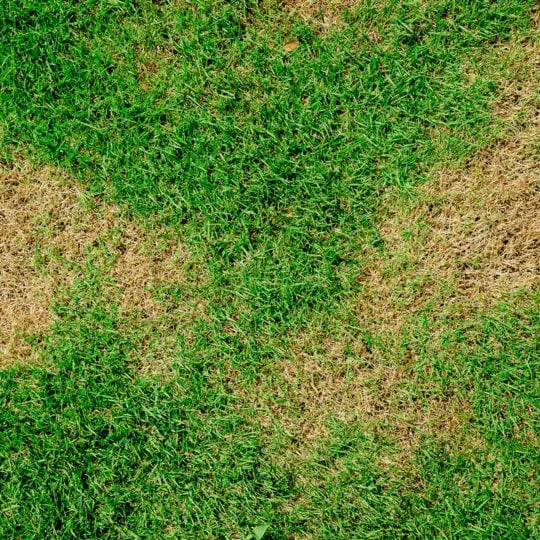
Image Source: www.greenlawnfertilizing.com
Deciphering Lawn Discoloration: Common Causes and Solutions
A brown lawn can be caused by a variety of issues, from simple neglect to more complex problems. It’s essential to look closely at the signs to determine the correct course of action. The appearance of brown spots, dry grass, or a generally yellowing lawn can be alarming, but with the right knowledge and approach to lawn care, you can effectively tackle these issues and promote robust grass health.
The Water Woes: Drought and Underwatering
One of the most frequent reasons for a lawn turning brown is a lack of water. Grass, like all plants, needs adequate moisture to survive and thrive. When the weather is hot and dry, or if rainfall is scarce, your lawn can quickly become stressed.
Signs of Underwatering:
- Dry Grass: The blades will feel dry and brittle to the touch.
- Wilting Grass: The grass blades will start to curl or fold inwards.
- Footprints Remain: When you walk on a thirsty lawn, your footprints will stay visible for a long time because the grass blades are too dry to spring back.
- Color Change: The lawn will gradually lose its green color, transitioning to a dull brown.
Fathoming Drought Stress:
When temperatures soar and rain is absent, grass enters a dormant state to conserve moisture. This is a survival mechanism, not necessarily death. During dormancy, the grass turns brown, but the crown and roots remain alive.
Solutions for Underwatering:
- Deep, Infrequent Watering: Instead of light, frequent sprinklers, water deeply. This encourages the roots to grow deeper into the soil, making them more resilient to dry conditions. Aim for about an inch of water per week, including rainfall. Water early in the morning to minimize evaporation.
- Adjust Mowing Height: Raise your mower blade. Longer grass blades shade the soil, reducing evaporation and keeping the roots cooler.
- Mulch Mowing: Leave grass clippings on the lawn. They act as a natural mulch, retaining moisture and providing nutrients as they decompose.
The Heat is On: Summer Stress and Dormancy
Extreme heat, even with adequate watering, can stress a lawn. Many common grass types, especially cool-season grasses, struggle in prolonged periods of high temperatures.
How Heat Affects Grass:
- Metabolic Slowdown: High temperatures can slow down the grass’s ability to photosynthesize and absorb nutrients.
- Increased Evaporation: Both from the soil and the grass blades themselves.
- Dormancy: As a protective measure, grass may go dormant, turning brown until cooler temperatures return. This is often seen as a uniform browning across the lawn.
Tackling Summer Heat Stress:
- Water Wisely: Continue with deep watering, but consider watering more frequently during extreme heat waves. Again, early morning watering is best.
- Aeration: Improve soil aeration to allow water and air to reach the root zone more easily.
- Shade: If possible, provide temporary shade for particularly vulnerable areas of your lawn.
- Consider Drought-Tolerant Grasses: For long-term solutions, consider overseeding with or replacing your lawn with grass varieties that are more heat-tolerant in your region.
The Unseen Invaders: Pests and Diseases
Your lawn can also turn brown due to an infestation of insects or the spread of fungal diseases. These problems can cause localized brown spots or widespread damage.
Common Lawn Pests and Their Impact:
- Grubs: These are beetle larvae that feed on grass roots. Lawns infested with grubs often feel spongy and can be easily pulled up in large sections, revealing the white, C-shaped grubs. This root damage prevents water and nutrient uptake, leading to wilting grass and brown patches.
- Chinch Bugs: These small insects suck the juices from grass blades, particularly in sunny, dry areas. They are a common cause of yellowing lawn and brown spots that can spread rapidly, especially during hot, dry weather.
- Sod Webworms: These moth larvae feed on grass blades, creating ragged brown patches and thinning areas. You might see small, dark fecal pellets on the surface.
Common Lawn Diseases and Their Impact:
- Brown Patch: A fungal disease that typically appears as circular patches of brown, dead grass. The edges of the patches often have a darker, smoky ring. It’s common in warm, humid weather.
- Dollar Spot: Characterized by small, straw-colored spots that are about the size of a silver dollar. In advanced stages, these spots can merge, creating larger areas of dead grass. It’s often associated with drought stress or low nitrogen levels.
- Rust Diseases: Fungi that weaken grass, making it susceptible to other stressors. You might see a powdery residue or tiny orange or red pustules on the blades. This can lead to a yellowing lawn and eventual browning.
- Pythium Blight (Damping-off): A water mold that can rapidly kill grass, especially in hot, humid, and wet conditions. It often appears as greasy-looking, water-soaked patches that quickly turn brown and die.
Identifying and Treating Pests and Diseases:
- Inspection: Carefully examine your lawn for signs of insects or fungal growth. Gently pull up sections of brown grass to check for grubs. Look for tiny insects near the soil line for chinch bugs.
- Soil Testing: A soil test can reveal nutrient deficiencies that make your lawn more susceptible to disease.
- Fungicides: For fungal diseases, specific fungicides can be applied. Always follow product instructions carefully.
- Insecticides: For pest infestations, appropriate insecticides are needed.
- Cultural Practices: Good lawn care practices, such as proper watering, mowing, and fertilization, can significantly reduce the risk of pests and diseases. A healthy lawn is a more resilient lawn.
The Nutrient Imbalance: Fertilization Fumbles
Fertilizing your lawn is crucial for its health, but doing it incorrectly can cause significant damage, leading to a yellowing lawn or brown spots.
Over-fertilization:
Applying too much fertilizer, especially nitrogen-rich types, can burn the grass blades. This “fertilizer burn” appears as brown or yellow streaks or patches where the fertilizer was applied too heavily.
Under-fertilization:
Conversely, a lack of essential nutrients, particularly nitrogen, will result in a uniformly yellowing lawn. The grass lacks the building blocks for chlorophyll production, which gives it its green color.
Correcting Fertilization Issues:
- Follow Instructions: Always adhere to the recommended application rates on fertilizer packaging.
- Water After Fertilizing: Lightly water your lawn after applying fertilizer to help it dissolve and move into the soil, preventing burn.
- Soil Testing: A soil test can tell you exactly what nutrients your lawn is lacking, allowing you to choose the right fertilizer and apply it at the correct rate.
- Timing is Key: Fertilize at the appropriate times of year for your grass type.
Mowing Mishaps: Improper Cutting Techniques
How you mow your lawn can also contribute to it turning brown.
Mowing Too Short (Scalping):
Cutting the grass too low removes too much of the blade, exposing the soil to direct sunlight and heat. This can scorch the grass, leading to brown patches. It also weakens the grass, making it more susceptible to drought, disease, and pests.
Dull Mower Blades:
Using a mower with dull blades tears the grass rather than cutting it cleanly. This creates ragged edges that are more prone to drying out and developing brown tips. This can also be a gateway for diseases.
Solutions for Mowing Issues:
- Mow at the Right Height: Consult guidelines for your specific grass type. Generally, cool-season grasses prefer a higher cut (2.5-3.5 inches), and warm-season grasses can be cut slightly shorter.
- The One-Third Rule: Never remove more than one-third of the grass blade in a single mowing. You may need to mow more frequently during peak growing seasons.
- Sharpen Blades Regularly: Ensure your mower blades are sharp for a clean cut. Aim to sharpen them at least once a year, or more if you have a large lawn or encounter tough conditions.
Soil Compaction: The Silent Killer
Over time, foot traffic, heavy machinery, and even natural settling can cause soil to become compacted. Compacted soil restricts the movement of air, water, and nutrients to the grass roots, leading to stress and browning.
Signs of Soil Compaction:
- Hard, Dense Soil: Difficulty driving a screwdriver into the ground.
- Poor Drainage: Water pools on the surface.
- Patchy Lawn: The grass in compacted areas may appear thinner or turn brown.
Alleviating Soil Compaction:
- Aeration: Core aeration is the most effective method. It involves removing small plugs of soil, allowing air, water, and nutrients to penetrate. This is often done in the fall for cool-season grasses and late spring/early summer for warm-season grasses.
- Reduce Traffic: Minimize heavy foot or vehicle traffic on your lawn, especially during wet periods.
- Topdressing: Adding a thin layer of compost or soil can help improve soil structure over time.
Pet Problems: Urine Burn
If you notice distinct brown spots, often with a green ring around them, pet urine is a likely suspect. Animal urine is high in nitrogen and salts, which can scorch the grass when concentrated.
Recognizing Pet Urine Spots:
- Circular Brown Patches: Typically 1-3 inches in diameter.
- Dark Green Ring: A ring of darker, lush green grass often surrounds the dead spot, caused by the nutrients in the urine.
Managing Pet Urine Damage:
- Encourage Hydration: Give your dog plenty of fresh water to dilute urine.
- Train for a Designated Spot: Train your pet to use a specific area of your yard that is less visible or made of a more tolerant material like mulch or gravel.
- Water Dilution: If you catch your pet in the act, immediately water the area to dilute the urine.
- Repair Damaged Areas: Rake out the dead grass and reseed the affected spots with a grass type that is more resistant to urine burn.
Heavy Thatch Buildup: A Barrier to Health
Thatch is a layer of dead and living grass stems, roots, and leaves that accumulates on the soil surface. A thin layer is beneficial, but excessive thatch (more than half an inch) can cause problems.
How Thatch Harms the Lawn:
- Water Repellency: A thick thatch layer can prevent water from reaching the soil.
- Pest Habitat: It provides a breeding ground for insects and diseases.
- Restricts Airflow: It limits air circulation to the roots.
Addressing Thatch:
- Dethatching (Power Raking): This process physically removes excess thatch. It’s best done in the fall for cool-season grasses and in the spring for warm-season grasses.
- Proper Fertilization and Watering: Maintaining a healthy lawn with good cultural practices can help naturally break down thatch.
Troubleshooting Your Brown Lawn: A Step-by-Step Approach
When faced with a brown lawn, a systematic approach will help you pinpoint the cause and apply the correct solution.
Step 1: Observation is Key
Before reaching for any products, take a close look at the pattern and location of the browning.
- Uniform Browning: Suggests widespread issues like drought, heat stress, or an overall nutrient deficiency.
- Patchy Browning/Brown Spots: Often indicates localized problems like pests, diseases, pet urine, or fertilizer burn.
- Edges vs. Center: Does the brown patch start at the edge and move inward, or vice versa? This can provide clues. For instance, chinch bugs often start at the edges of dry, sunny areas.
Step 2: Inspect for Pests and Diseases
Get down on your hands and knees and examine the grass blades and the soil.
- Look for Insects: Are there visible bugs on the grass or in the soil? Check the underside of the grass blades.
- Check for Fungal Signs: Are there any visible signs of mold, wilting, or unusual discoloration on the blades?
- Test for Grubs: Try to pull up a section of brown grass. If it lifts easily and you find white, C-shaped grubs in the soil, you have a grub problem.
Step 3: Evaluate Watering Habits
Consider your recent watering schedule and the weather.
- How much rain has fallen?
- How often have you watered, and for how long?
- Are you watering deeply?
Step 4: Consider Recent Lawn Care Activities
Think about what you’ve done to the lawn recently.
- Fertilizer Application: When and how much did you apply?
- Mowing: Was the mower blade sharp? Did you cut too short?
- Aeration or Dethatching: Was the timing appropriate?
Step 5: Soil Conditions
Assess the state of your soil.
- Is it compacted? Try pushing a screwdriver into the ground.
- Is there a thick layer of thatch? Measure it.
Restoring Your Lawn: Bringing Back the Green
Once you’ve identified the cause of the brown lawn, you can implement the necessary treatments.
Watering and Fertilization
- Water Deeply and Consistently: Adjust your watering schedule based on weather and grass needs.
- Fertilize Appropriately: Use a balanced fertilizer based on soil test results and the needs of your grass type.
Pest and Disease Management
- Apply Treatments: Use targeted insecticides or fungicides as needed.
- Preventative Measures: Implement good cultural practices to prevent future outbreaks.
Mowing and Thatch Control
- Adjust Mowing Height and Frequency: Maintain optimal cutting practices.
- Dethatch if Necessary: Remove excessive thatch buildup.
- Aerate Compacted Soil: Improve soil structure and aeration.
Repairing Brown Patches
For localized brown spots, you’ll need to repair them:
- Rake out Dead Grass: Remove any dead or matted grass from the affected area.
- Loosen the Soil: Lightly till the soil to a depth of a few inches.
- Amend the Soil: Mix in some compost or topsoil if necessary.
- Reseed or Sod: Sow grass seed appropriate for your climate and grass type, or lay down sod.
- Water Regularly: Keep the newly seeded or sodded area consistently moist until established.
Frequently Asked Questions About Brown Lawns
Q1: My lawn is turning brown, but I’m watering it regularly. What else could it be?
A1: Even with regular watering, a lawn can turn brown due to extreme heat, fungal diseases, insect infestations (like grubs or chinch bugs), over-fertilization (fertilizer burn), soil compaction, or excessive thatch buildup. Inspect your lawn closely for signs of pests or diseases and evaluate your watering depth and frequency.
Q2: Can brown grass come back to life?
A2: Yes, in many cases, brown grass can recover. If the browning is due to dormancy from drought or heat, it will typically green up again when conditions improve (cooler temperatures and adequate moisture). If the browning is caused by pests, diseases, or improper care, recovery depends on addressing the underlying issue and promoting new growth.
Q3: How often should I water my lawn?
A3: The ideal watering frequency depends on your grass type, soil type, climate, and the season. Generally, it’s better to water deeply (about 1 inch of water per week, including rainfall) less often rather than shallowly every day. This encourages deeper root growth. Watering early in the morning is most efficient.
Q4: What is the fastest way to fix a patchy lawn?
A4: For quick repairs of patchy areas, overseeding is often effective. Prepare the soil, spread a quality grass seed, and keep the area consistently moist until germination. Sodding is a faster, though more expensive, method that provides an instant green lawn.
Q5: My dog pees on the lawn, and it’s leaving brown spots. What can I do?
A5: Pet urine can scorch grass due to high nitrogen content. To manage this, try to encourage your dog to drink more water, or train them to use a designated “potty spot” away from the main lawn area. Immediately watering the spot after your pet has used it can help dilute the urine. You can also repair the damaged spots by removing the dead grass and reseeding.
By systematically diagnosing the cause of your lawn’s browning and implementing the appropriate solutions, you can restore its health and enjoy a beautiful, green yard once again. Consistent, proper lawn care is the best defense against future discoloration and damage.